
Directing
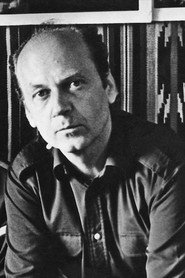
Rollan Serhiyenko
Born — Died
1936-01-19 — 2020-12-04
Place of birth
Snovsk, Chernihiv Oblast, Ukraine
Known for
Directing
Credits
26 titles
Rollan Serhiyenko was a Ukrainian film director. He was awarded the Shevchenko National Prize for his film work.
Known for
 NR
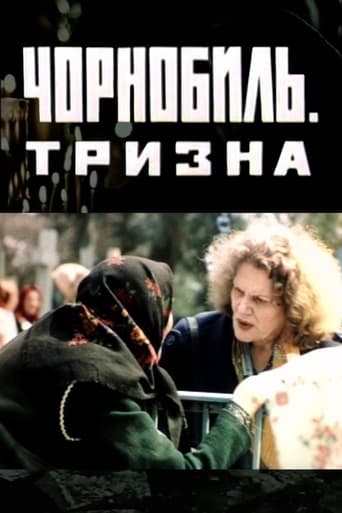
NRThe film marks the occasion of the 800-year anniversary of Chornobyl: an epitaph to the nuclear power station tragedy. Lina Kostenko, the Ukrainian poetess, joins former residents on their annual trip to the dead town.
Chornobyl: Funeral Feast
1993
 8.0
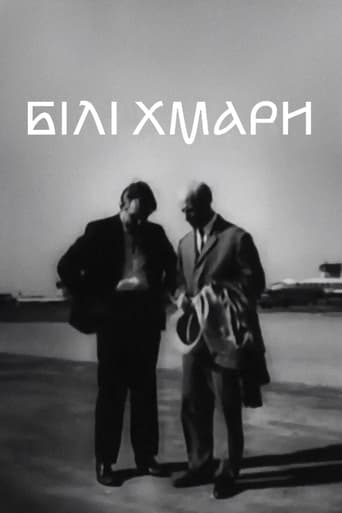
8.0A man is notified of his father's imminent death. He travels to his father in a remote Ukrainian village, recalling his childhood during the disastrous forced collectivization and artificial famine (Holodomor) of the 1930s by the Soviet regime. The film was heavily cut due to censorship by the Soviet Government.
White Clouds
1968
 NR
NRFollows the Chornobyl disaster and its victims.
Don't Ask Whom the Bell Tolls
1989
In the dead of night, four officials are playing screwball. The originality of their game lies in the fact that each card of the deck is a photo of an official, their colleague.…
Cards
1964
 NR
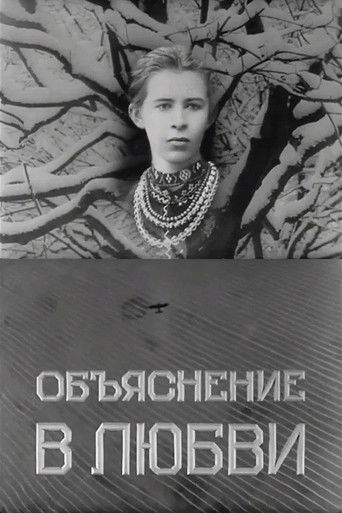
NRWomen of Ukraine of the 20th century — residents of villages, collective farms, and cities of the Soviet republic — talk about themselves. The context of the great story is revealed through tragic, not at all bookish, first-person narratives and documentary footage of menial labor in the fields and construction sites.
Declaration of Love
1966
 7.0
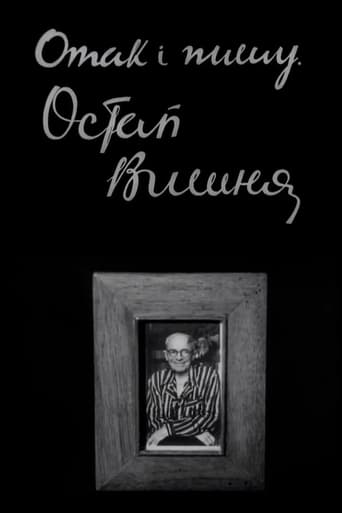
7.0Documentary film about the outstanding Ukrainian humorist Ostap Vyshnia.
And so I write. Ostap Vyshnia
1982
Film credits
Behind the camera
NRThe film marks the occasion of the 800-year anniversary of Chornobyl: an epitaph to the nuclear power station tragedy. Lina Kostenko, the Ukrainian poetess, joins former residents on their annual trip to the dead town.
Chornobyl: Funeral Feast
1993
8.0A man is notified of his father's imminent death. He travels to his father in a remote Ukrainian village, recalling his childhood during the disastrous forced collectivization and artificial famine (Holodomor) of the 1930s by the Soviet regime. The film was heavily cut due to censorship by the Soviet Government.
White Clouds
1968
NRFollows the Chornobyl disaster and its victims.
Don't Ask Whom the Bell Tolls
1989
NRFollows the Chornobyl disaster and its victims.
Don't Ask Whom the Bell Tolls
1989
In the dead of night, four officials are playing screwball. The originality of their game lies in the fact that each card of the deck is a photo of an official, their colleague.…
Cards
1964
In the dead of night, four officials are playing screwball. The originality of their game lies in the fact that each card of the deck is a photo of an official, their colleague.…
Cards
1964
NRWomen of Ukraine of the 20th century — residents of villages, collective farms, and cities of the Soviet republic — talk about themselves. The context of the great story is revealed through tragic, not at all bookish, first-person narratives and documentary footage of menial labor in the fields and construction sites.
Declaration of Love
1966
7.0Documentary film about the outstanding Ukrainian humorist Ostap Vyshnia.
And so I write. Ostap Vyshnia
1982
 10.0
10.0Peasant Nikifor Bubnov goes to the mining regions of Donbas to earn money for a horse. People working nearby become his friends - with them he supports and develops the Stakhanov movement.
Happiness of Nikifor Bubnov
1983
 9.0
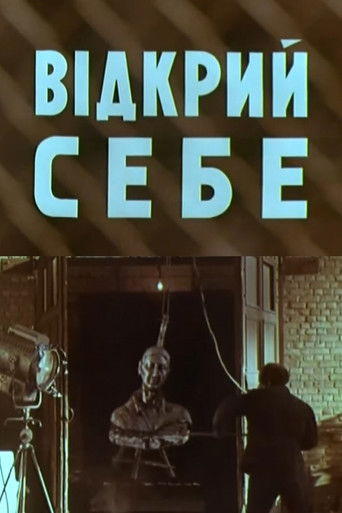
9.0Documentary about the famous Ukrainian philosopher and poet Hryhoriy Skovoroda, which was banned by Soviet censorship. The film only reached the screens 15 years later, during Perestroika era.
Discover Yourself
1972
 NR
NRImmediately after the accident, two film groups, one of which was headed by the film director, were the first to break into the "zone", overcoming official barriers.
Approaching the Apocalypse. Chernobyl is Nearby
1991
NRImmediately after the accident, two film groups, one of which was headed by the film director, were the first to break into the "zone", overcoming official barriers.
Approaching the Apocalypse. Chernobyl is Nearby
1991
 8.0
8.0Two years after the Chornobyl nuclear accident survivors come together to remember the aftermath of the tragedy.
Threshold
1988
 NR
NRWe rush to search for the truth in distant lands, but it often turns out that its solution lives next to us. We drive along Vernadsky Avenue without thinking about what secrets these scientists have discovered, because we get used to words without thinking about their meaning.
Vernadsky's Law
1983
 NR
NRDocumentary film dedicated to the 100th anniversary of Nicholas Roerich's birth.
Nicholas Roerich
1976
 NR
NRHere, on April 26, 1986, at one twenty-three a.m., the largest man-made disaster occurred, the biggest that people know and remember. How did this accident change human destinies? How has it affected all of us?
Chornobyl – 2001 – The Testament
2001
NRHere, on April 26, 1986, at one twenty-three a.m., the largest man-made disaster occurred, the biggest that people know and remember. How did this accident change human destinies? How has it affected all of us?
Chornobyl – 2001 – The Testament
2001
 NR
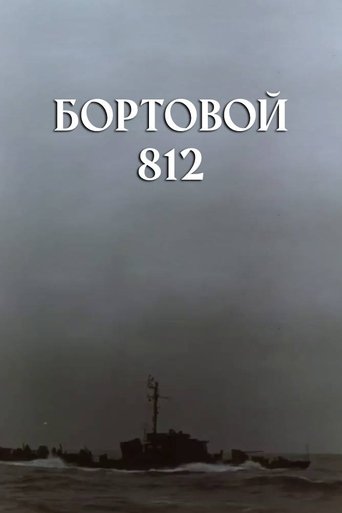
NRAbout the military exercises of submariners of the Pacific Navy of the USSR.
On-Board 812
1959
 7.8
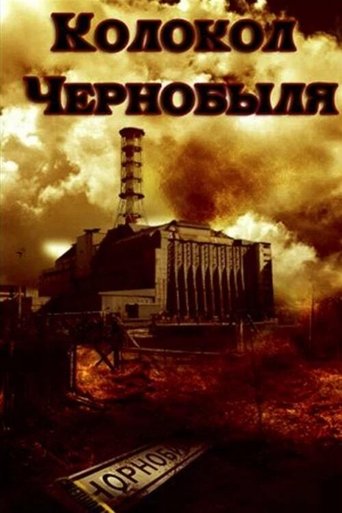
7.8The first full-length film about the Chornobyl tragedy, filmed in May-September 1986. The authors did not set themselves the task of showing an exhaustive picture of what happened in Chornobyl. They sought to capture the testimonies of people directly involved in the tragedy, the lessons of which have yet to be realized.
The Bell of Chornobyl
1987
 NR
NRThe film is dedicated to the 10th anniversary of the accident at the Chornobyl NPP.
Chornobyl. Epilogue
1996
NRThe film is dedicated to the 10th anniversary of the accident at the Chornobyl NPP.
Chornobyl. Epilogue
1996
 NR
NRFollows the Chornobyl disaster.
The Bell Tolls for You
1989
NRFollows the Chornobyl disaster.
The Bell Tolls for You
1989
 NR
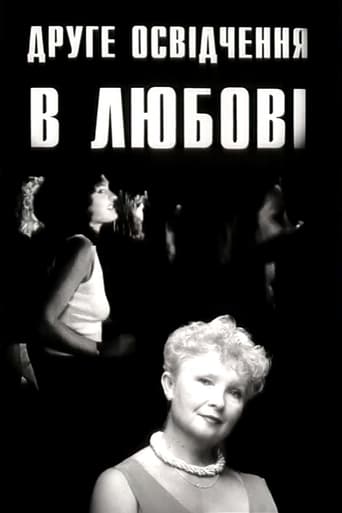
NRThe documentary about the destinies of women who lived or are living in different regions of Ukraine, and explores their destinies in the present. The film tells about the fate of the heroines of the film "Declaration of Love" (1966) Tekla Barmashova (killed in 1922), veterans Elizaveta Marapulets (died in 1982), Maria Lahunova (died in 1995), agronomist Maria Molodyk-Kryvokulska, milkmaid, deputy of the Verkhovna Rada of the Ukrainian SSR Nina Sribna-Babenko, violinist Lyubov Chaikovska and glider, master of sports Zinaida Solovei. Female heroines and their loved ones share memories, problems, talk about modern Ukraine.
The Second Declaration of Love
1999
NRThe documentary about the destinies of women who lived or are living in different regions of Ukraine, and explores their destinies in the present. The film tells about the fate of the heroines of the film "Declaration of Love" (1966) Tekla Barmashova (killed in 1922), veterans Elizaveta Marapulets (died in 1982), Maria Lahunova (died in 1995), agronomist Maria Molodyk-Kryvokulska, milkmaid, deputy of the Verkhovna Rada of the Ukrainian SSR Nina Sribna-Babenko, violinist Lyubov Chaikovska and glider, master of sports Zinaida Solovei. Female heroines and their loved ones share memories, problems, talk about modern Ukraine.
The Second Declaration of Love
1999