
Acting
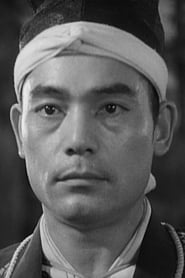
Susumu Fujita
Born — Died
1912-01-08 — 1991-03-23
Place of birth
Kurume, Fukuoka, Japan
Known for
Acting
Credits
63 titles
From Wikipedia, the free encyclopedia. Susumu Fujita (藤田 進 Fujita Susumu, 8 January 1912 – 23 March 1991) was a Japanese film and television actor. He played the lead role in Akira Kurosawa's first feature, Sanshiro Sugata, and appeared other Kurosawa film including The Men Who Tread On the Tiger's Tail (as Togashi, commander of the border guards) and The Hidden Fortress (as General Tadokoro). Later, he was a supporting actor in Ishirō Honda's Mothra vs. Godzilla, among many other films. Before and during World War II Fujita was considered one of the great stars of Japanese cinema. In the post-war period he became known for supporting roles, often playing a soldier in war films. During th…
Known for
 8.3
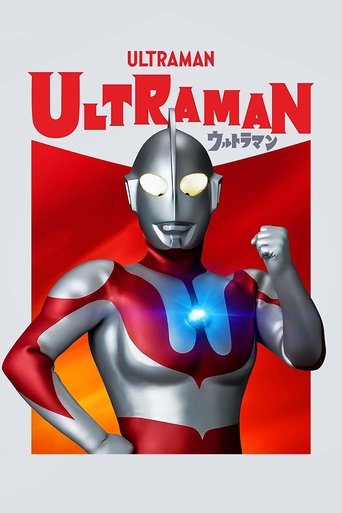
8.3Hayata is a member of the Science Patrol, an organization tasked with investigating bizarre anomalies. He is mortally wounded when accidently encountering an alien being from Land of Light, who grants Hayata new life as the two are merged into one. Now, whenever a threat arises that is too great for the Science Patrol to handle, Hayata activates the beta capsule and becomes the hero known as Ultraman.
Ultraman
1966
 8.4
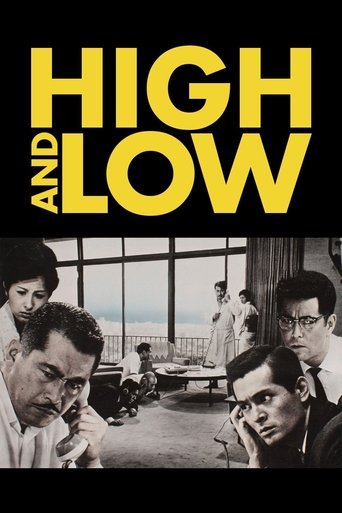
8.4A Yokohama shoe executive faces a wrenching choice when kidnappers mistakenly seize his chauffeur’s son but demand the ransom anyway.
High and Low
1963
 7.2
7.2In the summer of 1941, the United States and Japan seem on the brink of war after constant embargos and failed diplomacy come to no end. "Tora! Tora! Tora!", named after the code words used by the lead Japanese pilot to indicate they had surprised the Americans, covers the days leading up to the attack on Pearl Harbor, which plunged America into the Second World War.
Tora! Tora! Tora!
1970
 8.6
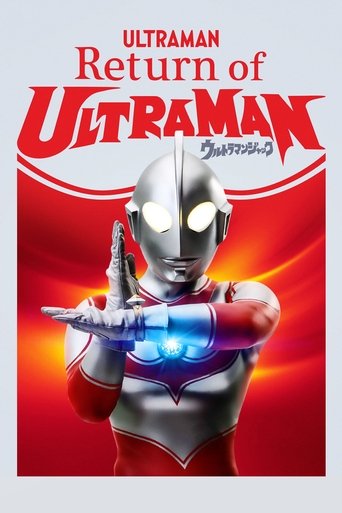
8.6Another being from Nebula M-78, identical to the original Ultraman, combines with car racer-turned-MAT patrol member Hideki Gô, and fights assorted menaces in a frightening new "Age of Monsters."
Return of Ultraman
1971
 8.0
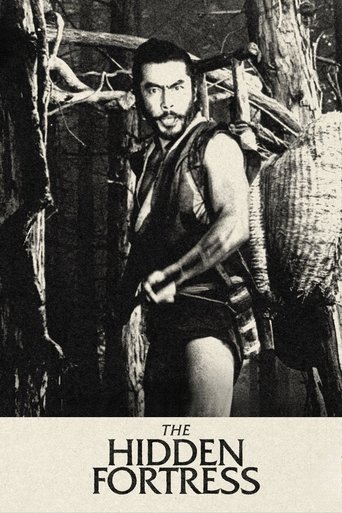
8.0In feudal Japan, during a bloody war between clans, two cowardly and greedy peasants, soldiers of a defeated army, stumble upon a mysterious man who guides them to a fortress hidden in the mountains.
The Hidden Fortress
1958
 8.1
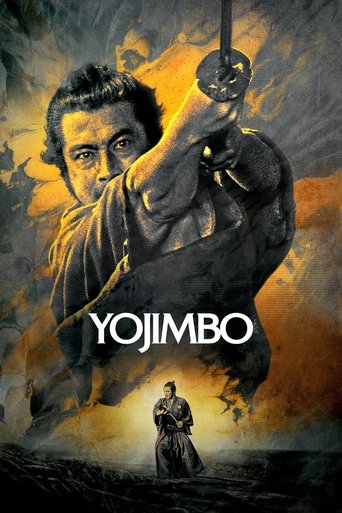
8.1A nameless ronin, or samurai with no master, enters a small village in feudal Japan where two rival businessmen are struggling for control of the local gambling trade. Taking the name Sanjuro Kuwabatake, the ronin convinces both silk merchant Tazaemon and sake merchant Tokuemon to hire him as a personal bodyguard, then artfully sets in motion a full-scale gang war between the two ambitious and unscrupulous men.
Yojimbo
1961
Film credits
1980s · 4 titles
 6.6
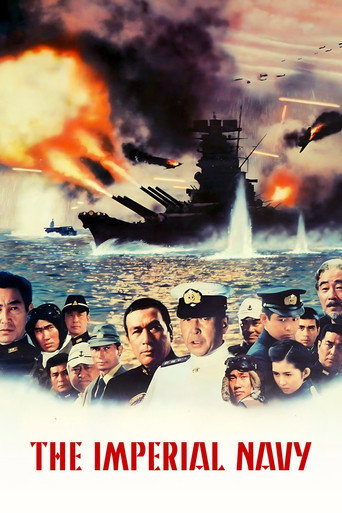
6.6A lavish retelling of the true story of the final voyage and ultimate destruction and sinking of the battleship Yamato, Japan's greatest flagship during the Second World War.
The Imperial Navy
1981
 10.0
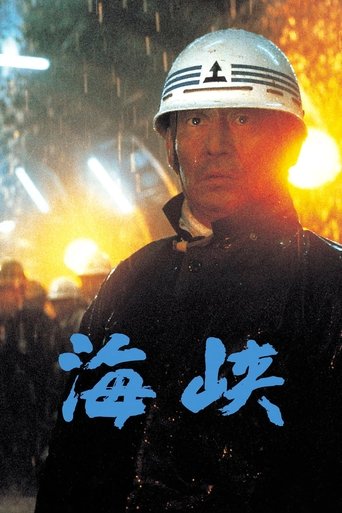
10.0After a passenger ship sinks in 1954, Go Akutsu devises a life-saving project in the form of a tunnel under the Tsugaru Strait. While working on this project Akutsu becomes involved with Tae Makimura leading to his estrangement from his wife.
The Longest Tunnel
1982
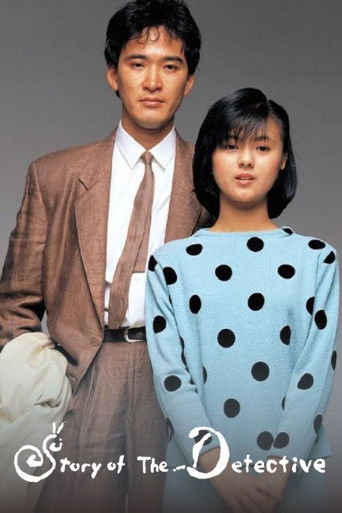 6.7
6.7A private detective and a college student find themselves in hot water while investigating the murder of a night club owner.
Detective Story
1983
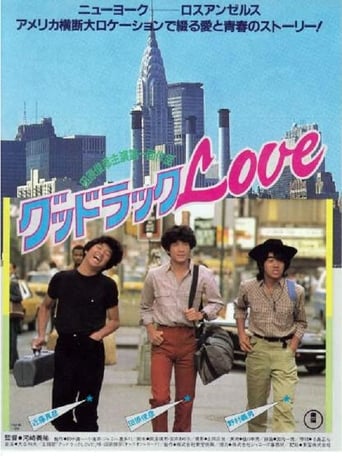 NR
NRDepicting the friendship of three boys in New York, Los Angeles and Tokyo.
Good Luck Love
1981
1970s · 10 titles
7.2In the summer of 1941, the United States and Japan seem on the brink of war after constant embargos and failed diplomacy come to no end. "Tora! Tora! Tora!", named after the code words used by the lead Japanese pilot to indicate they had surprised the Americans, covers the days leading up to the attack on Pearl Harbor, which plunged America into the Second World War.
Tora! Tora! Tora!
1970
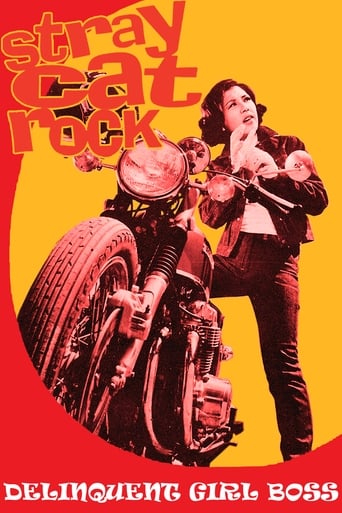 6.0
6.0A wandering tough biker girl aids a female delinquent gang in their battles against an all-male Seiyu group over a fixed boxing match.
Stray Cat Rock: Delinquent Girl Boss
1970
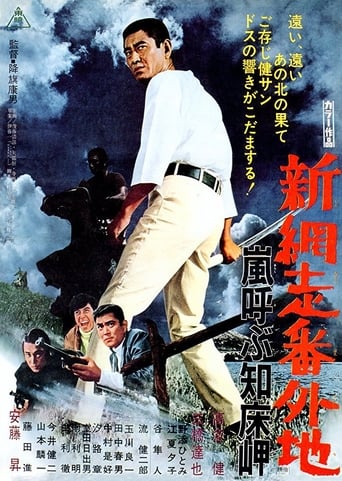 5.8
5.8Former inmate Katsuji gets involved in the horse gambling business while lending a helping hand to a ranch operator.
New Prison Walls of Abashiri: Stormy Cape
1971
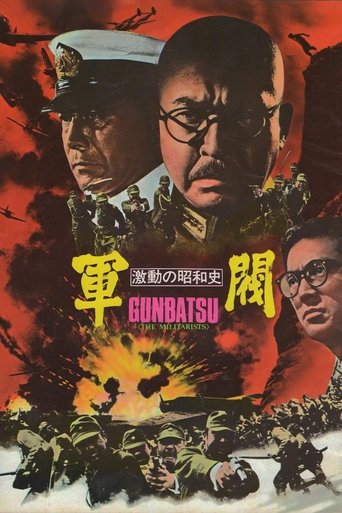 7.5
7.5The second film in Toho's series on the military history of the Showa era, Hiromichi Horikawa's war drama offers a look at the career of controversial politician Hideki Tojo and the strained relationships between Japan's government, military, and the media.
The Militarists
1970
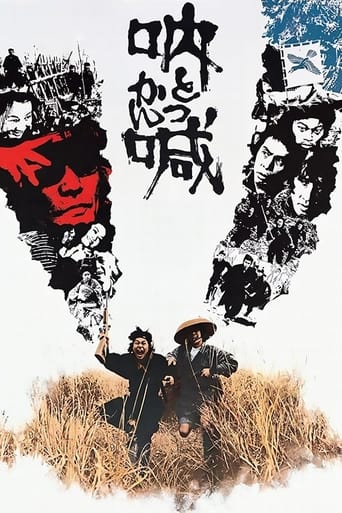 5.9
5.9During the military phase of the Meiji Restoration of 1868, Sentaro joins a local militia loyal to the Tokugawa Shogunate in order to fight Imperial troops. But Sentaro's friendship with a pickpocket, who switches sides whenever it suits his needs, leads to complications that could cost Sentaro his life as they infiltrate enemy lines.
Battle Cry
1975
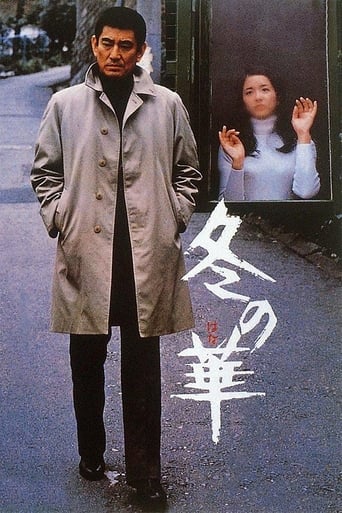 6.5
6.5Kanno is a Yakuza. He had to kill Matsuoka who betrayed their boss. Kanno knew Matsuoka had a 3-year-old daughter named Youko. Before he gave himself to the police, he asked his trusted man to take care of her. While in prison, Kanno kept sending letters to Youko, disguising as an uncle in Brazil. 15 years later, Kanno is released. He is determined to live legitimately, however the Yakuza has not forgotten his wicked deed!
Winter's Flower
1978
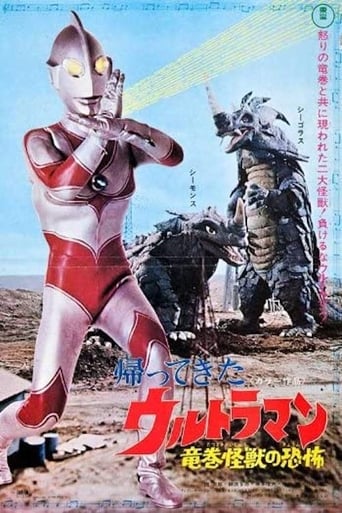 6.0
6.0A theatrical release of The Return of Ultraman episodes 13-14. It was released on December 12, 1971 as part of the Toho Champion Festival along with Godzilla, Mothra, King Ghidorah: Earth's Greatest Battle (edited from Ghidorah, the Three-Headed Monster) and shorter versions of The Adventures of Hutch the Honeybee, and The Little Match Girl.
Return of Ultraman: Terror of the Waterspout Monsters
1971
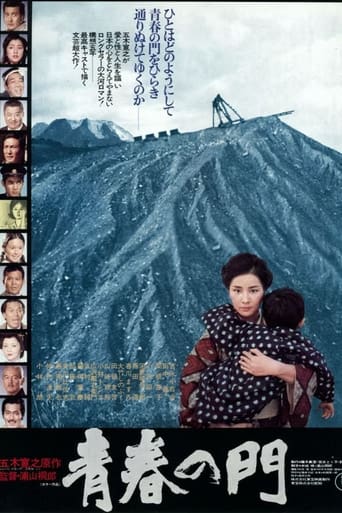 8.3
8.3Mainly the story of Shinsuke and his stepmother, ranging from Shinsuke's infanthood to his mid-teens. Coal workers and the mines dominate nearly every aspect of the life of the characters. Shinsuke's father dies while bravely using dynamite to rescue a group of trapped Korean miners. Several older men attempt to help he and his mother cope, including a kind Korean and a Harley-riding yakuza.
The Gate of Youth
1975
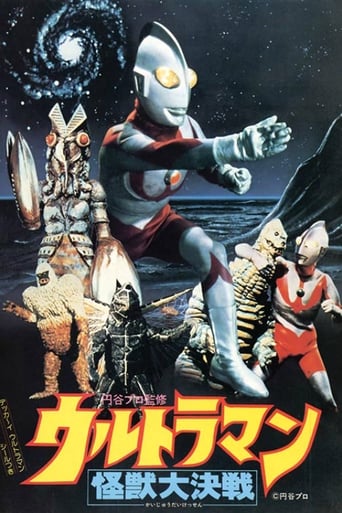 6.0
6.0A 1979 Japanese tokusatsu kaiju film produced by Tsuburaya Productions, consisting of re-edited material from the original television series Ultraman. Ultraman: The Great Decisive Battle was the 1st movie of the third Showa phase (Jissouji's Ultraman being first and Ultra Brothers vs. The Monster Army being second) and because of this Tsuburaya decided to make this a reunion of the last 12 Ultras (aside from Ultraman 80 which hadn't come out yet). Tsuburaya decided to give this a different tone than Jissouji's Ultraman, having more new scenes and appealing to the all-Ultra fan.
Ultraman: Great Monster Decisive Battle
1979
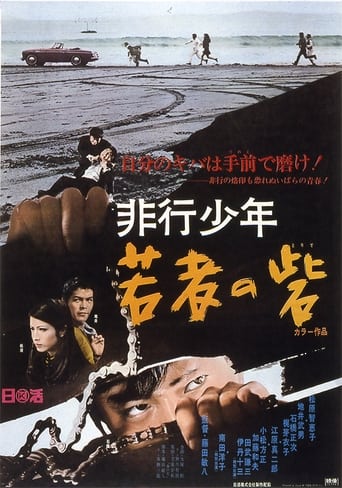 10.0
10.0A 1970 juvenile delinquent drama.
A Young Man's Stronghold
1970
1960s · 23 titles
8.4A Yokohama shoe executive faces a wrenching choice when kidnappers mistakenly seize his chauffeur’s son but demand the ransom anyway.
High and Low
1963
8.1A nameless ronin, or samurai with no master, enters a small village in feudal Japan where two rival businessmen are struggling for control of the local gambling trade. Taking the name Sanjuro Kuwabatake, the ronin convinces both silk merchant Tazaemon and sake merchant Tokuemon to hire him as a personal bodyguard, then artfully sets in motion a full-scale gang war between the two ambitious and unscrupulous men.
Yojimbo
1961
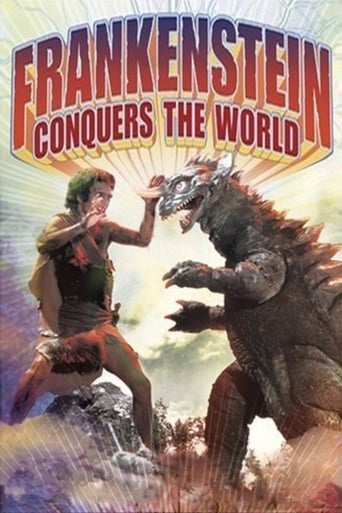 6.7
6.7During WWII, Germans obtain the immortal heart of Frankenstein's monster and transport it to Japan to prevent it being seized by the Allies. Kept in a Hiroshima laboratory, it is seeming lost when the United States destroys the city with the atomic bomb. Years later a wild boy is discovered wandering the streets of the city alone, born of the immortal heart.
Frankenstein Conquers the World
1965
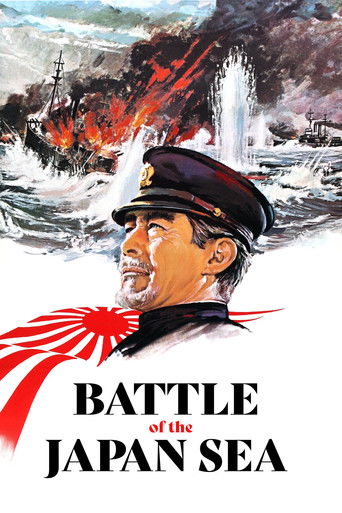 6.4
6.4Japan and Russia clash in what comes to be known as the Russo-Japanese War. An attempt by the Japanese fleet and army to take Port Arthur fails, and a Russian fleet bears down on the Sea of Japan. Admiral Heihachiro Togo sends his fleet to confront the Russians, with results which stun both nations. Meanwhile, Major Genjiro Akashi makes secret negotiations with the Bolshevik revolutionaries in Russia, negotiations that have repercussions far beyond the conflict at hand.
Battle of the Japan Sea
1969
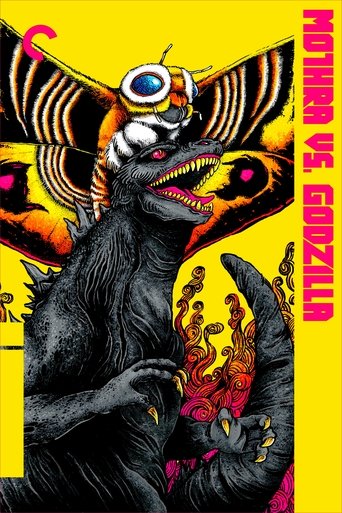 7.0
7.0Journalists Ichiro Sakai and Junko cover the wreckage of a typhoon when an enormous egg is found and claimed by greedy entrepreneurs. Mothra's fairies arrive and are aided by the journalists in a plea for its return. As their requests are denied, Godzilla arises near Nagoya and the people of Infant Island must decide if they are willing to answer Japan's own pleas for help.
Mothra vs. Godzilla
1964
 7.7
7.7In this loose adaptation of "Hamlet," illegitimate son Kôichi Nishi climbs to a high position within a Japanese corporation and marries the crippled daughter of company vice president Iwabuchi. At the reception, the wedding cake is a replica of their corporate headquarters, but an aspect of the design reminds the party of the hushed-up death of Nishi's father. It is then that Nishi unleashes his plan to avenge his father's death.
The Bad Sleep Well
1960
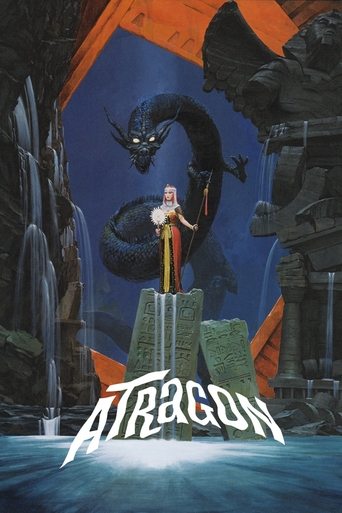 6.6
6.6The legendary empire of the lost continent of Mu reappears to threaten the world with domination. While countries unite to resist, an isolated World War II Captain has created the greatest warship ever seen, and possibly the surface world's only defense.
Atragon
1963
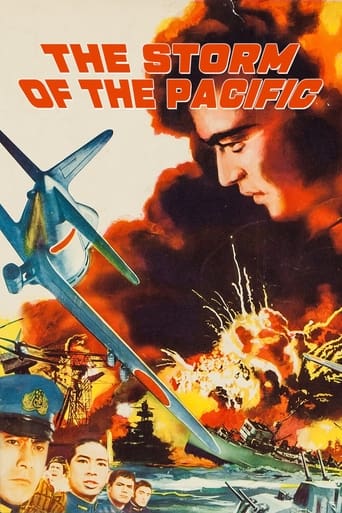 6.0
6.0Lt. Koji Kitami is a navigator-bombardier in Japan's Naval Air Force. He participates in the Japanese raid on the U.S. Naval Base at Pearl Harbor in 1941 and is welcomed with pride in his hometown on his return. As Japan racks up victory after victory in the Pacific War, Kitami is caught up in the emotion of the time and fights courageously for the standard of Japanese honor. But his assuredness of his government's righteousness is shaken after the Japanese navy is defeated in the debacle of Midway.
The Storm of the Pacific
1960
 7.3
7.3Japan, 1860. The men of the Mito clan, victims of the Ansei purge, anxiously prowl around the Sakurada Gate of Edo Castle with the intention of assassinating Naosuke Ii of Hikone, tairō of the Tokugawa shogunate and responsible for their misfortune.
Samurai Assassin
1965
 7.3
7.3Three robbers escape with loot from a heist before one of them kills the others. Their corpses wash up near the aftermath of a maritime calamity, provoking a policeman's interest.
A Fugitive from the Past
1965
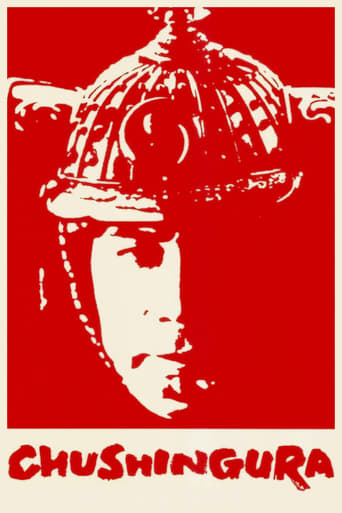 7.1
7.1After their lord is tricked into committing ritual suicide, forty-seven samurai warriors await the chance to avenge their master and reclaim their honor.
Chûshingura
1962
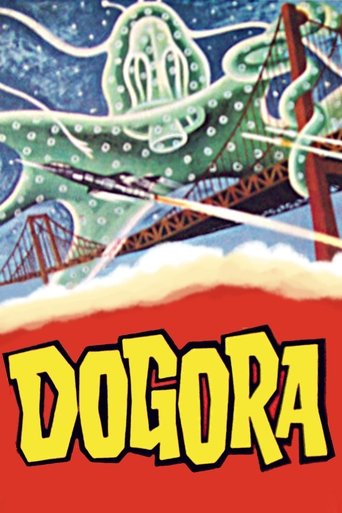 6.7
6.7A floating amorphous life-form descends from the atmosphere to consume carbon in the form of diamonds.
Dogora
1964
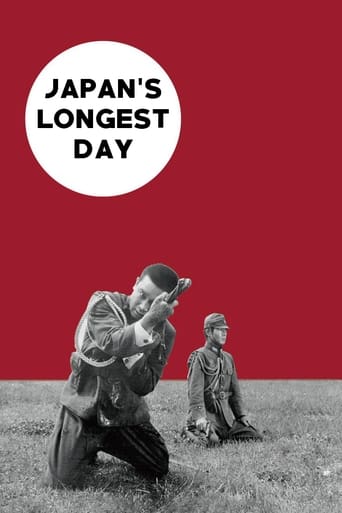 7.3
7.3A dramatisation of the 24-hour period in which the Japanese government was deadlocked over the decision to accept or reject the Allies' demand for an unconditional surrender following the bombings of Hiroshima and Nagasaki.
Japan's Longest Day
1967
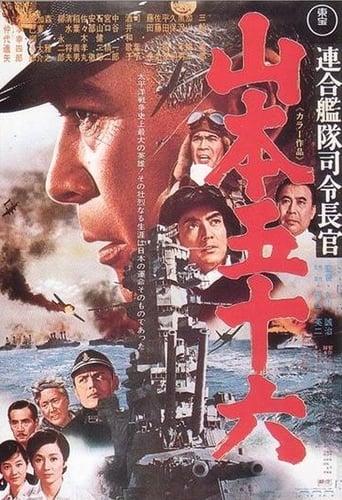 8.5
8.5As Japan joins in a political pact with Nazi Germany and fascist Italy, Admiral Isoroku Yamamoto is appointed supreme commander of the Japanese fleet. With Japan headed inexorably toward war, Yamamoto, despite his misgivings, believes the only possible victory lies in destroying the American fleet by surprise at Pearl Harbor. The attack succeeds, but fails to sink the American carrier fleet. Thus Yamamoto must lead the Japanese navy into war with ever-diminishing likelihood of success.
Admiral Yamamoto
1968
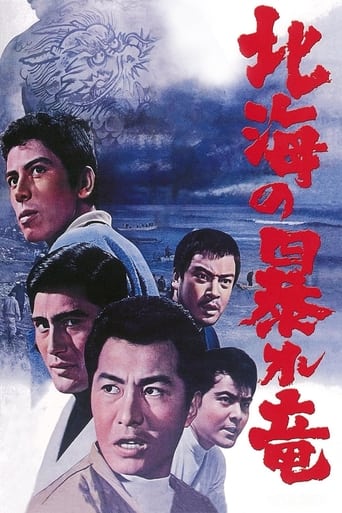 7.0
7.0The son of a prominent member of a fishing community returns home after a stint with the yakuza to find his father has died under orders of a local gang leader. He sets out to avenge his father, keeping his plans secret from his mother who is cold to him since his perceived abandonment of the family. This wonderful, if little-seen, Fukasaku gem deals with family, community and what it means to do right by both.
Rampaging Dragon of the North
1966
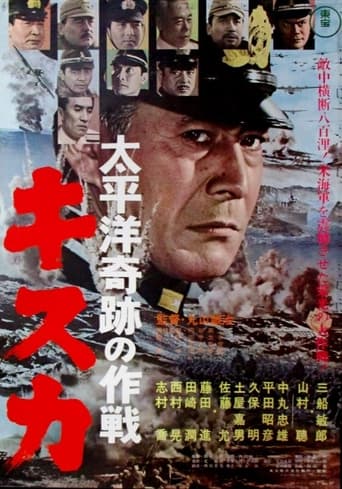 8.4
8.4In 1943, the Aleutian island of Kiska was fortified by a small contingent of Japanese soldiers. When word arrived of an impending attack by an overwhelming force of Americans, the Japanese Navy attempted one of the most daring and unlikely evacuations in military history. This is that story.
The Retreat from Kiska
1965
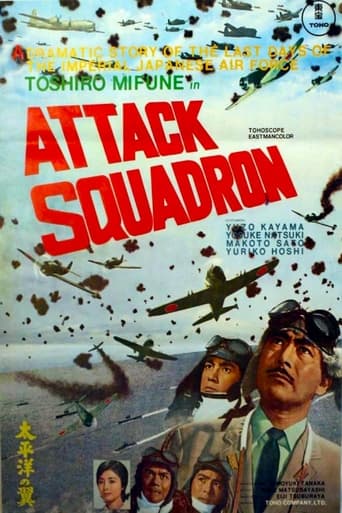 7.0
7.0Lt. Col. Senda resists the idea of sending Japanese fighter pilots on suicide missions. He believes that what is really necessary for Japan to regain momentum in the war is for the air force to gather its most brilliant pilots into an elite squadron and use the unit to pinpoint attacks on the Americans. Disrespected by the kamikaze pilots who think the "non-suicidal" pilots are afraid, the unit redeems itself by stunning victories. But success leads the military leaders to expect too much of the unit, and new orders portend disaster.
Attack Squadron
1963
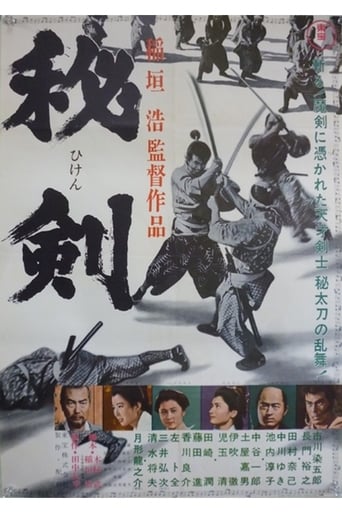 6.7
6.7This Japanese action-adventure is set in the 17th century when all forms of swordplay were banned. One fighter, an excellent swordsman believes the law is unfair. His brother keeps his opinions about the law to himself. The swordsman vents his frustration by cutting off the thumbs of an enemy. The fighter is then banished. To live, he becomes a thief. To restore the family's lost honor, the other brother is forced to challenge the fighter to a duel.
Young Swordsman
1963
 7.5
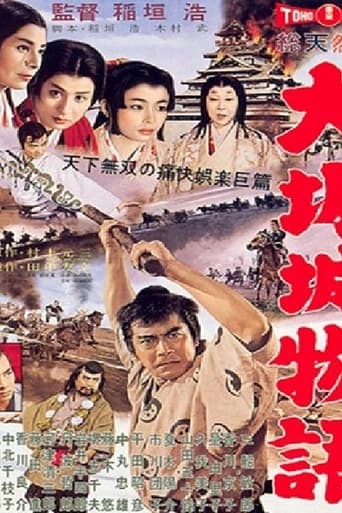
7.5During the raging war between the Toyotomi and Tokugawa clans, the swordsman Mohei (whose family has been completely decimated) is recruited by Toyotomi to overcome the seat of power, Osaka Castle. Mohei's daredevil skills will be put to severe tests.
Daredevil in the Castle
1961
 9.0
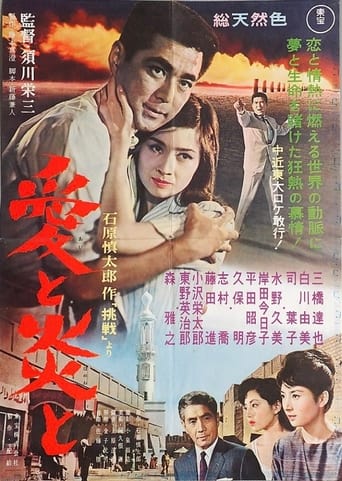
9.0An employee at an oil cartel (Mihashi) is haunted by an act years before when he euthanized a fellow soldier when the two were adrift at sea during the Pacific War. Matters are complicated further when he falls in love with the soldier's younger sister (Tsukasa).
Challenge to Live
1961
 7.0
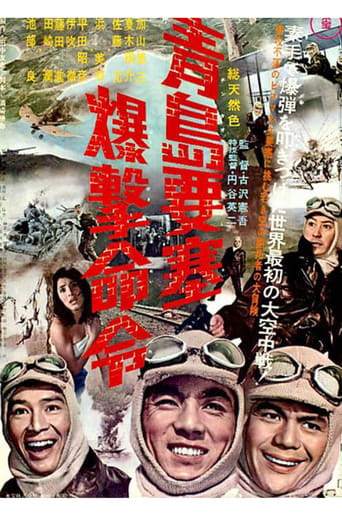
7.0No synopsis available yet.
Siege of Fort Bismarck
1963
 8.0
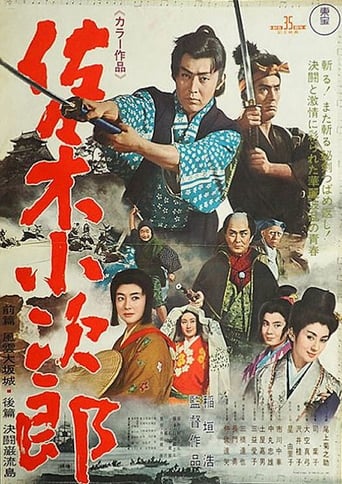
8.0Sasaki Kojiro tells the story of the genius who staked his love, glory, and life on a duel with the supreme master of the sword, Miyamoto Musashi (Tatsuya Nakadai). Oscar winning Hiroshi Inagaki directs this epic motion picture based on Genzo Murakami’s fascinating story. Despite his humble birth, the orphan Sasaki Kojiro (Onoe Kikunosuke) is determined to become the foremost swordsman in all Japan, a title that traditionally belongs to a nobleman. At fencing school, young Kojiro receives the contempt of his classmates because of his superior swordsmanship. When rumors of the upcoming civil war between Toyotomi and Tokugawa clans spread, Kojiro leaves the school and sets out, seizing every opportunity to realize his dream.
Kojiro
1967
 7.0
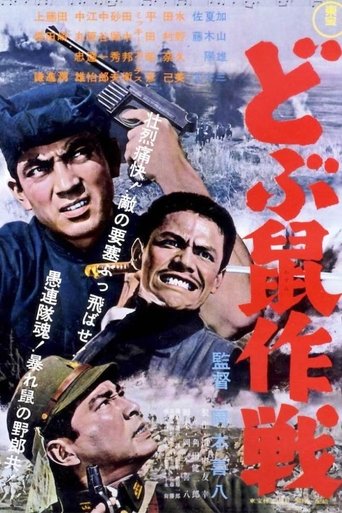
7.0Towards the end of World War II, five men are tasked with freeing the son of a general from Chinese captivity.
Operation Sewer Rats
1962
1950s · 16 titles
8.0In feudal Japan, during a bloody war between clans, two cowardly and greedy peasants, soldiers of a defeated army, stumble upon a mysterious man who guides them to a fortress hidden in the mountains.
The Hidden Fortress
1958
 8.2
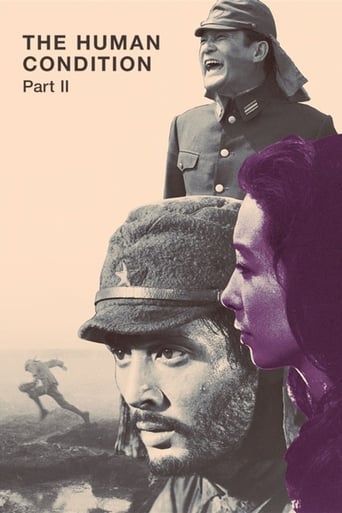
8.2Kaji, sent to the Japanese army labeled Red, witnesses cruelties in the army and revolts against the abusive treatment against a fellow recruit. He also sees his friend Shinjô defecting to the Russian border, and he ends in the front to fight a lost battle against the Russian tanks division.
The Human Condition II: Road to Eternity
1959
 6.3
6.3In Japan, scientifically advanced invaders from the war-destroyed planet Mysteroid cause an entire village to vanish, then send a giant robot out to storm the city by night, after which they request a small patch of land on Earth and the right to marry earthling women, claiming to be pacifists. Mankind must decide whether to capitulate or to resist.
The Mysterians
1957
 5.7
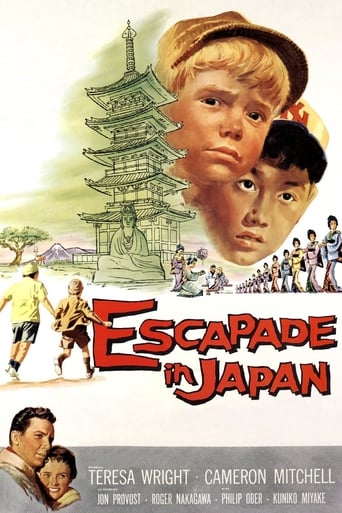
5.7A plane is forced to land at sea just off the Japanese coast. A young American boy is later befriended by a fisherman's son, with the two setting off on an unintended journey across the country.
Escapade in Japan
1957
 8.0
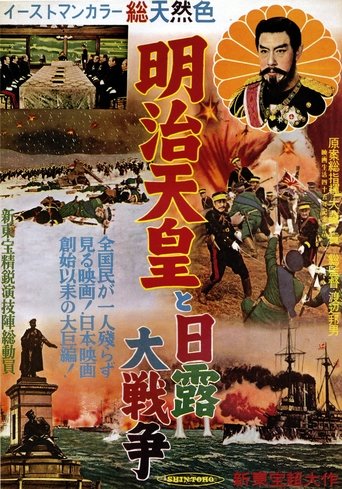
8.0Meiji Tenno portrays the buildup to the Russo-Japan War. In addition to showing the political events that led to war, it also shows the era from the story of a farm family in rural Japan that sends their son off to war. As such, it could be considered an anti-war movie, showing how, while war is devised by governments, the people do not really understand what war is, and its combatants often do not know what they are fighting for.
Emperor Meiji and the Great Russo-Japanese War
1957
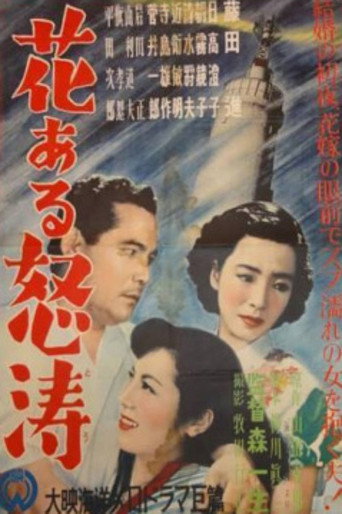 NR
NRAn emotionally charged tale of love and passion set on a remote island lighthouse, where a mysterious woman arrives out of nowhere to cast a shadow over a wedding.
Hana aru dotō
1951
 8.7
8.7In World War II, the commanding officer of a sub, against his will takes on board two Western diplomats, to take them to the Canaries and arrange an armistice. When they get there, peace has been declared, but the sub's crew don't know as their radio has failed. They send their passengers ashore and go out to face a final battle...
Submarine I-57 Will Not Surrender
1959
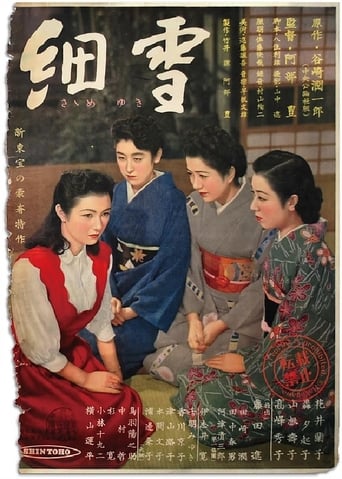 7.5
7.5No synopsis available yet.
Snow-Flake
1950
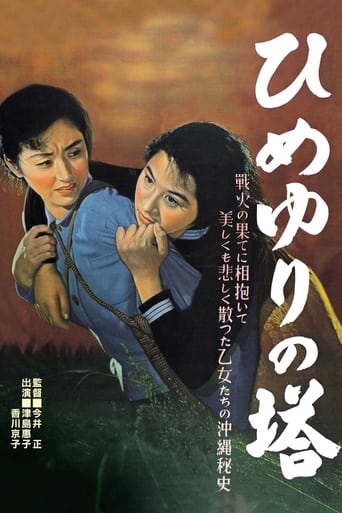 6.8
6.8A group of Okinawan high school girls are drafted as nurses during the American invasion of the island. As the enemy army advances further, the situation for the girls becomes increasingly desperate as food and shelter run out and the number of injured climbs, leading to the film's tragic finale.
Tower of Lilies
1953
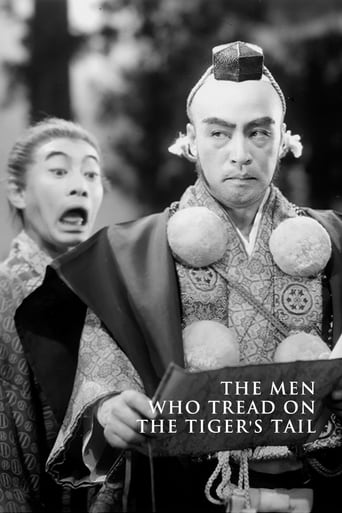 6.7
6.7A fugitive lord and his six retainers disguise themselves as monks to bluff their way through a hostile checkpoint.
The Men Who Tread on the Tiger's Tail
1952
 NR
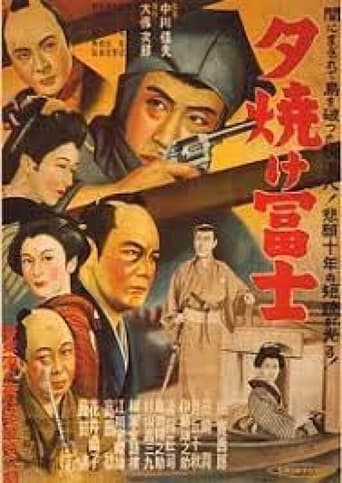
NRJidai-geki starring Kanjuro Arashi
Sunset Over Mount Fuji
1952
A desperate detective on the trail of criminals who are holding a baby hostage and demanding one million yen
San akunin to akanbō
1950
 NR
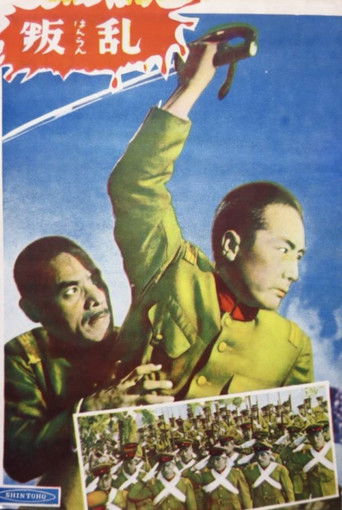
NRNo synopsis available yet.
Hanran
1954
 10.0
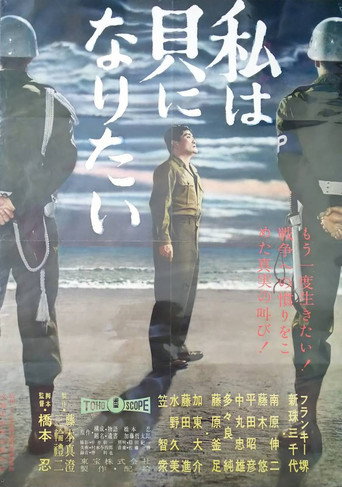
10.0On a post-war peaceful day in Japan, Toyomatsu Shimizu, a barber as well as a good father and husband, is suddenly arrested by the Prefectural Police as a war criminal and sued for murder.
I Want to Be a Shellfish
1959
 NR
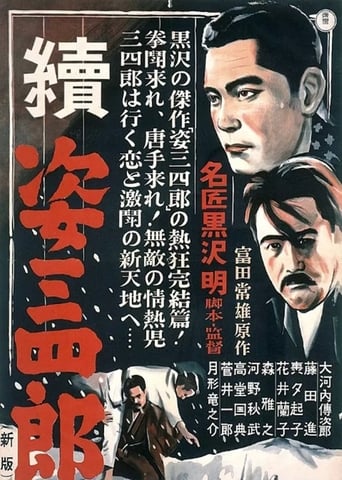
NRShunsuke Washimi, a member of the karate club, misunderstands the affections of Chiyo, a lodging house girl who is in love with him and in the midst of a confusion challenges Yamauchi Tatsuhiko to a fight, forgetting the true core of martial arts, that should only be used as a selfdefense.
Karate Sanshiro
1951
 NR
NRThe third of four "The Surprising Legend of Jirocho" films.
The Surprising Legend of Jirocho: Jirocho's Family Feud
1957
1940s · 7 titles
 6.0
6.0A few years after his breakthrough, Sanshiro resumes his path to judo mastery—testing his discipline against an American prizefighter and later facing vengeful karate brothers. As rival schools and public spectacle push him toward violence, he must reconcile strength with restraint and the true spirit of his art.
Sanshiro Sugata, Part Two
1945
 6.5
6.5A hotheaded youth in 1880s Meiji Japan apprentices to judo master Shōgorō Yano, trading brute jujutsu bravado for discipline and humility. As Sanshirō matures, he proves judo’s spirit against old-guard challengers—including a deadly duel—while falling for his vanquished opponent’s daughter. Based on the novel by Tsuneo Tomita, son of Tomita Tsunejirō, the earliest disciple of judo.
Sanshiro Sugata
1943
 6.9
6.9After her anti-fascist professor father is dismissed, Yukie navigates love, political repression, and wartime upheaval—ultimately forging her own path in pre- and post-WWII Japan.
No Regrets for Our Youth
1946
 10.0
10.0In postwar Japan, two sisters—a film studio script girl and a revue dancer—become swept up in the growing labor movement when workers around them strike for better conditions. As their conservative father opposes their activism, his own dismissal forces him to confront the realities of class struggle and join their fight for a fairer future. Now considered a lost film, Those Who Make Tomorrow was produced by Toho to promote unionization during Japan’s Allied Occupation.
Those Who Make Tomorrow
1946
A former geisha marries a widowed farmer, but ends up running away to Tokyo after being unable to cope with the hardships of life in the countryside.
Full Moon
1949
 10.0
10.0Three IJN flyers Mikami (Susumu Fujita), Kawakami (Masayuki Mori) and Murakami (Akitake Kono) are good friends, and they are all renowned for their torpedo techniques. Mikami is posted as a staff officer at a base on an island in the Pacific. Kawakami and Murakami later joins him as the base squardron is reinforced. The enemy task force approaches the island and all three of them attack the fleet, killing themselves in the process.
Battle Troop
1944
 8.0
8.0In 1887, two businessmen, Echigo-ya and Kitahara, compete for railroad construction authorization from the government. The minister states that a local noble must not object, and his missing younger brother is the only one who could sway him. Meanwhile, Omitsu, a hotel employee tired of Echigo-ya’s wife’s arrogance, teams up with Kitahara to stage a scheme where a vagrant young man pretends to be the noble’s lost brother, aiming to trick and embarrass the wealthy woman.
Lord for a Night
1946
Series credits
8.3Hayata is a member of the Science Patrol, an organization tasked with investigating bizarre anomalies. He is mortally wounded when accidently encountering an alien being from Land of Light, who grants Hayata new life as the two are merged into one. Now, whenever a threat arises that is too great for the Science Patrol to handle, Hayata activates the beta capsule and becomes the hero known as Ultraman.
Ultraman
1966
8.6Another being from Nebula M-78, identical to the original Ultraman, combines with car racer-turned-MAT patrol member Hideki Gô, and fights assorted menaces in a frightening new "Age of Monsters."
Return of Ultraman
1971
 NR
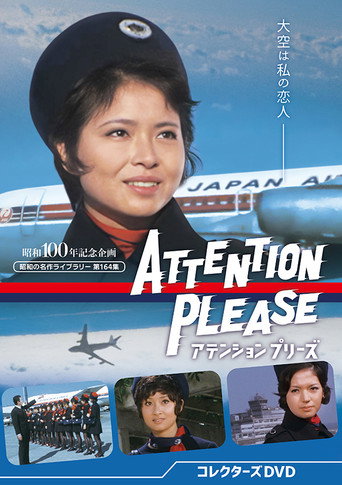
NRFirst Japanese TV drama about flight attendants.
Attention Please
1970