

Directing
Cao Hamburger
Born
1962-02-13 (64)
Place of birth
São Paulo, São Paulo, Brazil
Known for
Directing
Credits
17 titles
Carlos Império Hamburger (São Paulo, February 13, 1962), better known as Cao Hamburger, is an author, director and Brazilian cinematographic producer of Jewish origin. Notorious professional for being involved with themes for children and youth. He won the International Emmy twice as best series with the works Pedro & Bianca and Malhação: Viva a Diferença, in 2014 and 2019, respectively
Known for
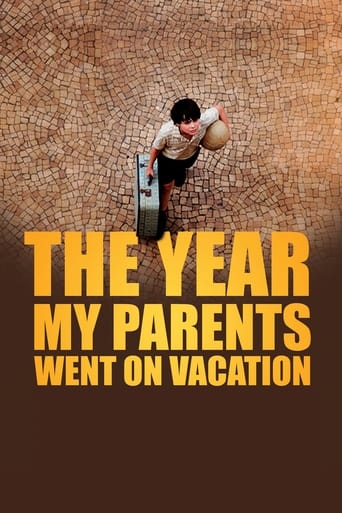 7.2
7.2A boy is left alone in a Jewish neighborhood in the year of 1970, where both world cup and dictatorship happen in Brazil.
The Year My Parents Went on Vacation
2006
 8.7
8.7Almost 30 years since "Castelo Rá-Tim-Bum" premiered, the cast and crew of the famous children's program from the 90s reunite to talk about the backstage and the aftermath of one of the greatest achievements in Brazilian television history.
Castelo Rá-Tim-Bum: Reencontro
2023
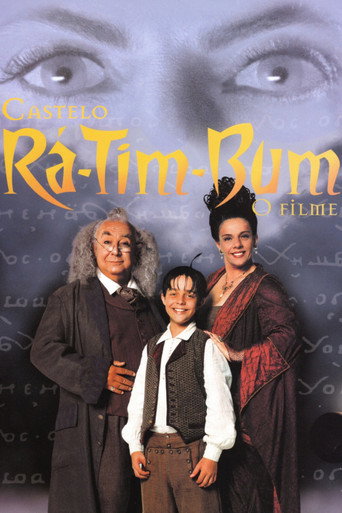 6.2
6.2A young wizard must create new spells in his magic book before the planets align. His uncle and aunt, powerful mages themselves, help him achieve that. Based on the award-winning Brazilian TV series.
Castle Ra-Tim-Bum: The Movie
1999
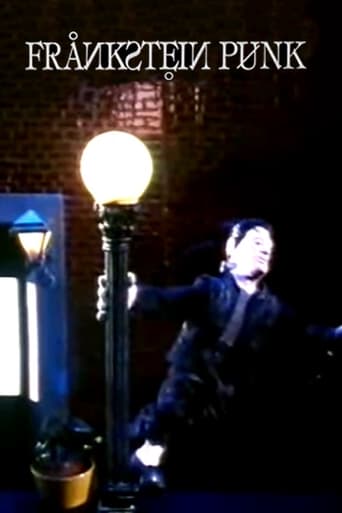 7.1
7.1The story of Frank, a different creature, born to the song "Singing in the rain", that goes in search of happiness.
Frankenstein Punk
1986
 7.5
7.5To pursue the woman of dreams, there are lovers capable of delving into a strange journey - through all the genres and styles that cinema has invented to represent the greatest of all arts: the art of passion.
The Girl on the Screen
1988
 7.4
7.4Three brothers embark on a journey that begins with a kinship with Brazil's indigenous tribes, to their creation of South America's largest national park.
Xingu
2012
Film credits
Behind the camera
7.2A boy is left alone in a Jewish neighborhood in the year of 1970, where both world cup and dictatorship happen in Brazil.
The Year My Parents Went on Vacation
2006
7.2A boy is left alone in a Jewish neighborhood in the year of 1970, where both world cup and dictatorship happen in Brazil.
The Year My Parents Went on Vacation
2006
7.2A boy is left alone in a Jewish neighborhood in the year of 1970, where both world cup and dictatorship happen in Brazil.
The Year My Parents Went on Vacation
2006
6.2A young wizard must create new spells in his magic book before the planets align. His uncle and aunt, powerful mages themselves, help him achieve that. Based on the award-winning Brazilian TV series.
Castle Ra-Tim-Bum: The Movie
1999
6.2A young wizard must create new spells in his magic book before the planets align. His uncle and aunt, powerful mages themselves, help him achieve that. Based on the award-winning Brazilian TV series.
Castle Ra-Tim-Bum: The Movie
1999
7.1The story of Frank, a different creature, born to the song "Singing in the rain", that goes in search of happiness.
Frankenstein Punk
1986
7.1The story of Frank, a different creature, born to the song "Singing in the rain", that goes in search of happiness.
Frankenstein Punk
1986
7.1The story of Frank, a different creature, born to the song "Singing in the rain", that goes in search of happiness.
Frankenstein Punk
1986
7.5To pursue the woman of dreams, there are lovers capable of delving into a strange journey - through all the genres and styles that cinema has invented to represent the greatest of all arts: the art of passion.
The Girl on the Screen
1988
7.5To pursue the woman of dreams, there are lovers capable of delving into a strange journey - through all the genres and styles that cinema has invented to represent the greatest of all arts: the art of passion.
The Girl on the Screen
1988
7.4Three brothers embark on a journey that begins with a kinship with Brazil's indigenous tribes, to their creation of South America's largest national park.
Xingu
2012
7.4Three brothers embark on a journey that begins with a kinship with Brazil's indigenous tribes, to their creation of South America's largest national park.
Xingu
2012
The film tells the real story of a public institution in São Paulo that, after being marked by violence, became a reference in education.
Escola Sem Muros
—
The film tells the real story of a public institution in São Paulo that, after being marked by violence, became a reference in education.
Escola Sem Muros
—
The film tells the real story of a public institution in São Paulo that, after being marked by violence, became a reference in education.
Escola Sem Muros
—
 6.0
6.0A boy who steals cooking pot lids from his home and from a neighbor's flees through alleys, staircases and dead-ends in São Paulo's Paraisópolis favela.
O Menino, a Favela e as Tampas de Panela
1996