

Directing
Marta Minujín
Known for
Directing
Credits
7 titles
Known for
 NR
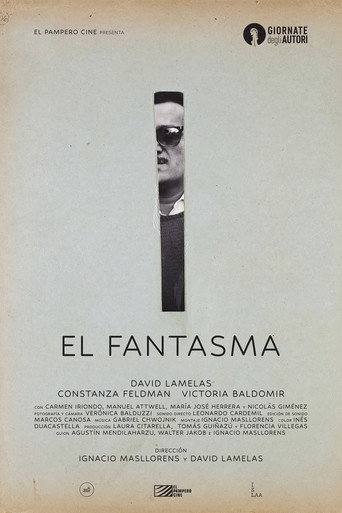
NRTwo female producers are commissioned to create a short documentary for an exhibition dedicated to Rubén Santantonín, an elusive figure of the Argentine avant-garde who died very young, in the late 1960s. However, the client imposes one unexpected condition: the video must be made together with David Lamelas, Santantonín’s former collaborator and today an internationally recognized figure of conceptual art. At first, the plan seems clear and limited in scope: Lamelas, accompanied by a young film crew, gathers archival materials, documents the few surviving works, and interviews curators and major artists – such as Luis Felipe Noé and Marta Minujín – who, along with Santantonín and Lamelas, peopled the legendary scene at the Instituto Torcuato Di Tella. Lamelas gradually realizes that reconstructing the story of his friend also means confronting a series of gaps and contradictions.
The Phantom
2026
Marta Minujín’s work is defined by its ephemeral nature—actions living in the present, performances destined to disappear due to the absence of documentation. During her stay in New York, she added cinema to her art practice, and upon returning to Buenos Aires, she shot a number of short films. In Autogeografía, she puts her own body in front of the camera, articulating recording and representation in an early video-performance work. Derived from her action Comunicando con tierra (where she extracted soil from the Machu Picchu which she later exchanged with other Latin American Artists), a purification ritual takes place—Minujín covers herself up in “barbarity,” soil and grains that anonymous hands throw at her from out of field. A territory for exploration where the absurd embraces the real—“The only thing that is true is what we invent.”
Autogeografía
1976
 NR
NRIt investigates the life and work of the plastic artist Marta Minujin, icon of Argentine art. Through his exhibitions in New York, Calí and Paris, and his own testimony, and that of colleagues and family, the documentary highlights his unclassifiable universe and reveals unknown details of his history. Marta is not just her performances, paintings and sculptures. Marta has created a world where she is her own work.
Construcción de un mundo
2025
 NR
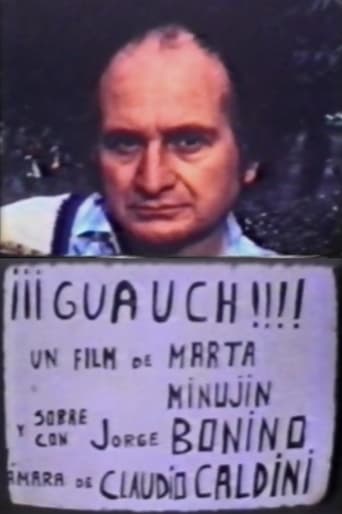
NRNo synopsis available yet.
¡¡¡¡Guauch!!!!
1976
An unreleased diary film shot during the Fairleigh-Dickinson Artist Seminar simultaneous to the production of Back and Forth by Michael Snow.
Seminar
1969
 NR
NRFootage of beatniks and hippies from the end of the '60s.
Hippie
1969
Film credits
2020s · 2 titles
NRTwo female producers are commissioned to create a short documentary for an exhibition dedicated to Rubén Santantonín, an elusive figure of the Argentine avant-garde who died very young, in the late 1960s. However, the client imposes one unexpected condition: the video must be made together with David Lamelas, Santantonín’s former collaborator and today an internationally recognized figure of conceptual art. At first, the plan seems clear and limited in scope: Lamelas, accompanied by a young film crew, gathers archival materials, documents the few surviving works, and interviews curators and major artists – such as Luis Felipe Noé and Marta Minujín – who, along with Santantonín and Lamelas, peopled the legendary scene at the Instituto Torcuato Di Tella. Lamelas gradually realizes that reconstructing the story of his friend also means confronting a series of gaps and contradictions.
The Phantom
2026
NRIt investigates the life and work of the plastic artist Marta Minujin, icon of Argentine art. Through his exhibitions in New York, Calí and Paris, and his own testimony, and that of colleagues and family, the documentary highlights his unclassifiable universe and reveals unknown details of his history. Marta is not just her performances, paintings and sculptures. Marta has created a world where she is her own work.
Construcción de un mundo
2025

Behind the camera
Marta Minujín’s work is defined by its ephemeral nature—actions living in the present, performances destined to disappear due to the absence of documentation. During her stay in New York, she added cinema to her art practice, and upon returning to Buenos Aires, she shot a number of short films. In Autogeografía, she puts her own body in front of the camera, articulating recording and representation in an early video-performance work. Derived from her action Comunicando con tierra (where she extracted soil from the Machu Picchu which she later exchanged with other Latin American Artists), a purification ritual takes place—Minujín covers herself up in “barbarity,” soil and grains that anonymous hands throw at her from out of field. A territory for exploration where the absurd embraces the real—“The only thing that is true is what we invent.”
Autogeografía
1976
NRNo synopsis available yet.
¡¡¡¡Guauch!!!!
1976
NRFootage of beatniks and hippies from the end of the '60s.
Hippie
1969