
Acting
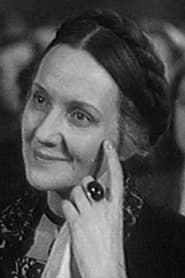
Tamara Glebova
Born 1894-07-05 · Sankt Petersburg, Russian Empire
Acting credits
 3.7
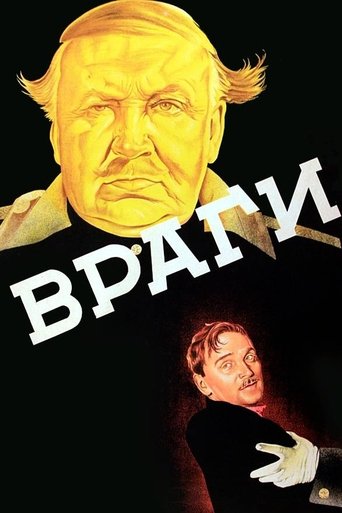
3.7The eve of the 1905 Russian revolution was unquiet at the Skrobotova and Bardin factory. In response to the fair demand of the workers to dismiss the cruel and rude master, the masters close the factory and call in the troops. They shoot of one of the workers, who failed to restrain a rush of hatred towards the owners, ending Skrobotov's life. Gendarmes arrive at the factory. They succeed in uncovering the social democratic organization in the factory. The arrested workers oppose hysterical cruelty of gendarmes with calm, confident courage.
Enemies
1938
 7.0
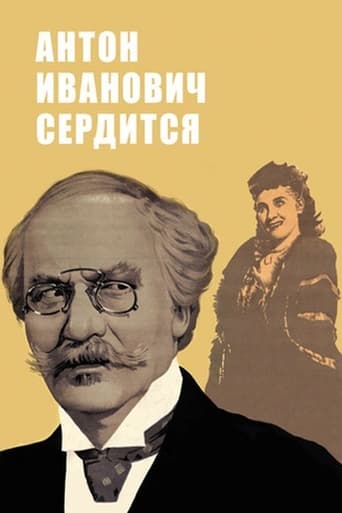
7.0Anton Ivanovich Voronov is a highly respected professor at the Moscow Conservatoire, who places the music of Bach above everything else and regards it as the ultimate yardstick by which other musical accomplishments must be measured. His daughter, Serafima, is an aspiring singer with great potential, and her father’s anger is aroused when she begins singing in the operetta composed by Aleksei Mukhin, thus abandoning what he considers the higher calling of opera. Mukhin’s work, however, demands a high level of ability from his soloist, and Anton Ivanovich is persuaded of the legitimacy of operetta as a musical genre when, in a dream, he is visited by Johann Sebastian Bach himself, who tells him that ‘people need all kinds of music’.
Anton Ivanovich Gets Angry
1941
A live-action short based on the story by Edgar Allan Poe.
Ligeia
1922
 9.0
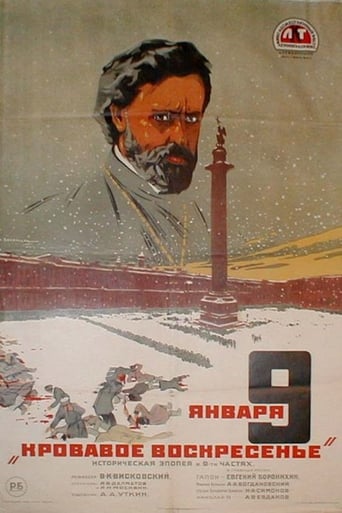
9.0About the shooting of a workers' demonstration on January 9, 1905. The film has not been completely preserved.
Ninth of January
1925
 NR
NRAbout how the boys of the Kabardian village help adults to raise fleet-footed horses.
The Rider from Kabarda
1940
Behind the camera
A live-action short based on the story by Edgar Allan Poe.
Ligeia
1922
A live-action short based on the story by Edgar Allan Poe.
Ligeia
1922
 NR
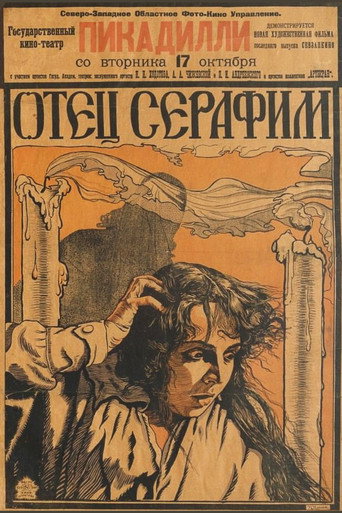
NRThe story is set in Russia in the 1870s. One of the storylines recounted the fate of the mother of an revolutionary, who accidentally discovered some leaflets at home and decided to take them to the priest. The film itself is considered lost.
Father Seraphim
1922
A screen adaptation of excerpts from Jack London's dystopian novel of the same name describing the rise of the Oligarchy (the "Iron Heel") in the United States. The film was meant to be screened during theatre performances performed by the same actors.
The Iron Heel
1919