
Known for
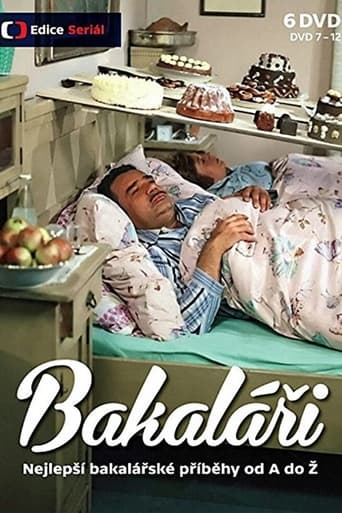 7.0
7.0No synopsis available yet.
Bakaláři
1972
The series depicts the history of Slovak society in the first decades of our century and leaves a deep faith in humanity and the nation. It tells the life story of Pavlínka, the daughter of a laborer and innkeeper, whose fate is filled with love, social ambitions, and unfulfilled dreams, and who ultimately returns to the basics of life, to naturalness and wisdom.
Život bez konca
1983
No synopsis available yet.
Svadba bez nevesty
1980
No synopsis available yet.
Zaprášené histórie Ema Bohúňa
1970
A group of children are trying to solve various mysteries during the summer.
Mysterious Island
1985
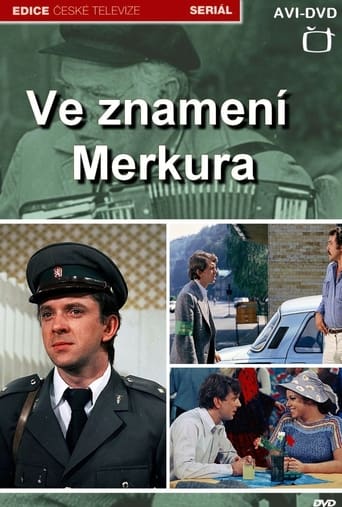 5.2
5.2No synopsis available yet.
Ve znamení Merkura
1979
Film credits
1990s · 2 titles
No synopsis available yet.
Útrapy z rozumu
1991
In the early 20th century, in the surroundings of a luxurious boarding house and casino, the story of a mature woman and an immature young man unfolds. He is obsessed with gambling, she with the desire to save him with her love. It happened twenty years ago. The elderly noble lady recalls her experience in her youth and, with the benefit of hindsight, explains and defends it.
Dvadsaťštyri hodín zo života istej ženy
1994
1980s · 19 titles
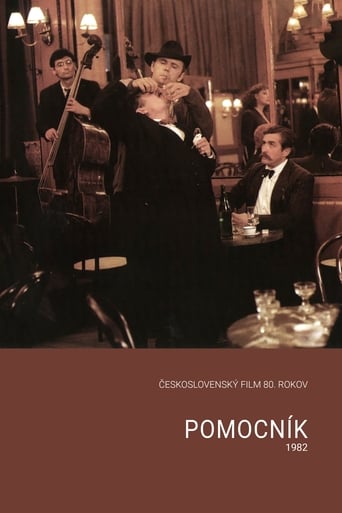 10.0
10.0A story of a family that after WWII moved to the south of Slovakia and acquired a prosperous butcher business left behind by a Hungarian emigrant. From the previous owner, the family also inherited a self-assured, greedy assistant who does not like to observe any firm moral principles. He assists the family in gaining wealth but in the long run, he causes the family's moral dissolution. In his most successful feature film, director Zoro Záhon combined a complex drama with excellent acting performances, especially that of Hungarian actor Gábor Koncz in the lead role.
The Assistant
1982
No synopsis available yet.
Sokovia
1988
No synopsis available yet.
Karakušov rozsudok
1988
A television adaptation of William Shakespeare's classic drama. The story of the virtuous Isabella, who must save her brother from execution at the cost of her own honor. Through the story of the seductive Angelo and the beautiful Isabella, Claudio, and Julia, the author expresses the idea that moral principles are binding on everyone and that adhering to them is a matter of honor for every human being.
Oko za oko
1984
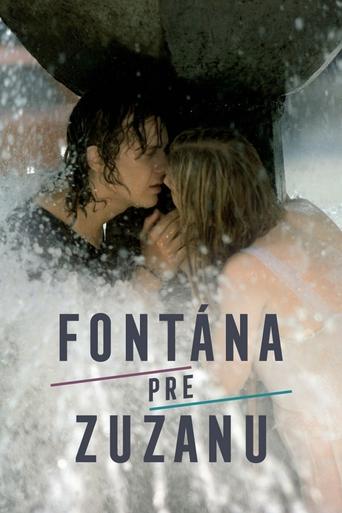 6.0
6.0A story about the life and troubles of young people living in the city. The teenagers have to face real life, make their first major decisions, and learn that romance sometimes brings disappointment.
The Fountain for Suzanne
1986
The beautiful, bright and intelligent, but perfectly mischievous Marquise de Mertuil and her charming and equally depraved and ruthless friend, the master of seduction Vicomte de Valmont play a cynical game full of intrigue. The marquise is willing to devote one night full of passion to the viscount. However, on the condition that the viscount first deflowers the innocent Cecile de Volanges, who is to marry her former lover. In the end, they themselves become victims of their own dangerous game.
Nebezpečné známosti
1980
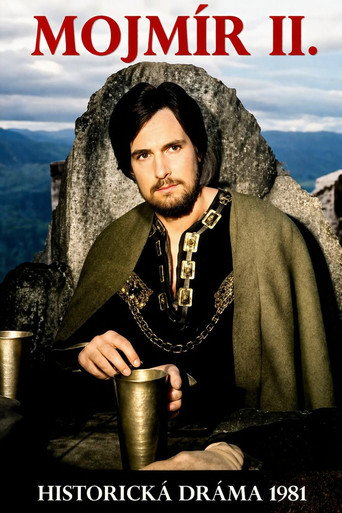 NR
NRNo synopsis available yet.
Mojmír II.
1981
Sir John Falstaff, a bon vivant and womanizer, courts Mrs. Ford one day and Mrs. Page the next. They are cheerful but respectable ladies, so they devise a plan to punish the old rogue and teach him a lesson about his immoral advances and womanizing.
Veselé panie z Windsoru
1980
No synopsis available yet.
Mizantrop
1981
No synopsis available yet.
Sen o kováčovi
1986
No synopsis available yet.
Takmer božský omyl
1985
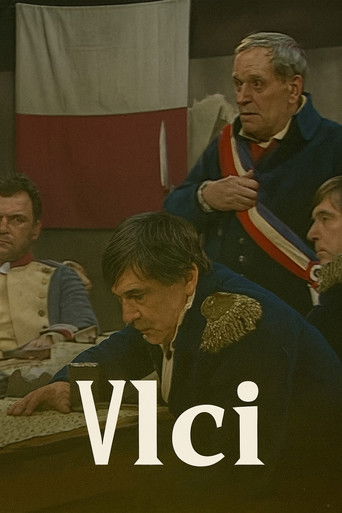 NR
NRNo synopsis available yet.
Vlci
1982
A classic story about the tragic, yet indestructible love of young Heloise for the heretical monk and medieval philosopher Abelard, who fought with his whole life and work against false church dogmas. - A dramatic metaphor about the necessity of man to fight against tyranny, suppressing the most valuable and humane thing - the love of freedom.
Heloisa a Abelard
1984
No synopsis available yet.
Konôpka
1981
No synopsis available yet.
Trieda plná pýchy
1982
No synopsis available yet.
Ján Literát
1985
No synopsis available yet.
Druhovia
1980
No synopsis available yet.
Žakýlska Veronka
1983
No synopsis available yet.
Doktor Bencúr
1982
1970s · 24 titles
 7.0
7.0In Slovakia, they often and gladly honored those soldiers who refused to serve the fascist regime and stood against it. Lieutenant Kukorelli also rejected the tempting career of a pilot, instead helping the resistance fighters and later participating in the Slovak National Uprising.
Život na úteku
1976
 10.0
10.0Historical reconstruction of the events of the anti-fascist struggle in Slovakia in 1943 and 1944.
Poéma o svedomí
1979
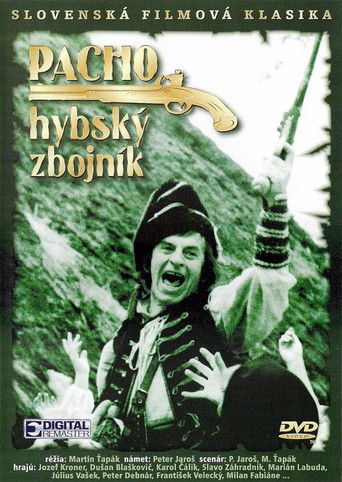 7.4
7.4A funny outlaw tale inspired by traditional folk humour. Pacho is no ordinary outlaw. He detests injustice and feudal oppression and he copes with each troublesome situation with the help of his cleverness and wit.
Pacho, the Brigand of Hybe
1976
Two Sebechleby musicians, Peter and Jakub, and their guardian Klimo set out in the mid-17th century to rescue the noblewoman Dóciová, abducted by Ottoman raiders into Istanbul. Lacking language skills and guidance, they rely on courage, wit and their newly enchanted instruments to overcome dangers.
Sebechlebskí hudci
1975
A group of drivers paid according to their performance are struggling with hard work in a large quarry, somewhere where foxes say good night. A new worker, Marek Orban, joins the team of foreman Peter Hotka, known as Maco. Deep down, he is a deeply moral person, although he was given a suspended sentence for bodily harm. He beat up his wife's lover, to whom he must also pay compensation. Marek hides this from the other members of the group because he is ashamed. Maco, out of friendship with Marko, attributes non-existent trucks to the group, which, of course, backfires. However, the team eventually shows its strength and works off the undeserved reward.
Dosť dobrí chlapi
1972
Slovakian villagers towards the end of WW II are despairing as German troops fall back to their village.
Big Night and Big Day
1975
No synopsis available yet.
Ďaleko je do neba
1973
Two newly qualified civil engineers, with very different personalities, soon discover that they know very little about their future work and the people they will be dealing with. In addition to difficulties at work, they also have personal problems to contend with.
Deň slnovratu
1974
No synopsis available yet.
10 % nádeje
1976
No synopsis available yet.
Do zbrane, kuruci
1974
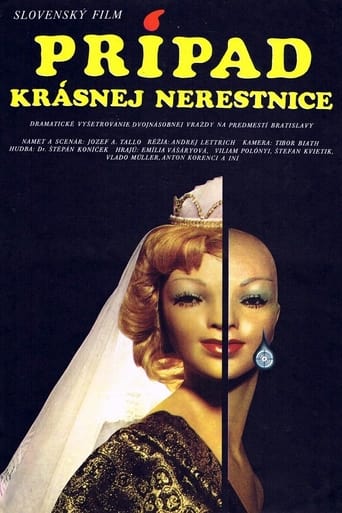 7.0
7.0A crime story about a victim who was not entirely innocent. A fashion show is held on board a Danube steamer, where the star is the model Anna Vlčková, nicknamed "the beautiful harlot" because of her acquaintances with wealthy foreigners. Coincidentally, the young police captain Strelková and her older colleague Lieutenant Michalek are also among the spectators. Neither of them has any idea that Vlčková has a crush on the sick Swiss industrialist Langer. However, someone threatens her with death because of her intended marriage to him. Langer dies in the hospital before he can marry the beautiful harlot. However, someone still murders Vlčková with a shot from a hunting rifle. For Captain Strelková, this is the first major case of her career, and it is all the more difficult because the investigator has to make her mark in a world that has been the domain of men until now...
Prípad krásnej nerestnice
1974
No synopsis available yet.
Klinko a Kompit kráľ
1971
No synopsis available yet.
Letokruhy
1973
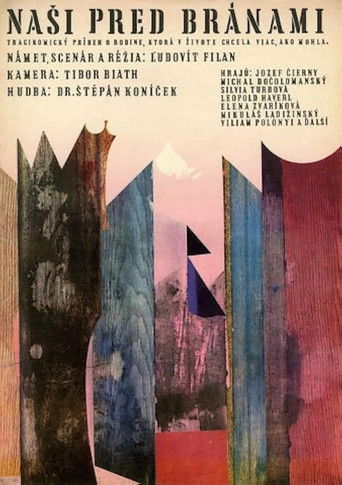 10.0
10.0A tragicomedy about people who are able to make use of the war situation for their own benefit. The Gavora family of four leave their secure village home blinded by the vision of a big career and easy earning of money in the capital city.
Naši pred bránami
1970
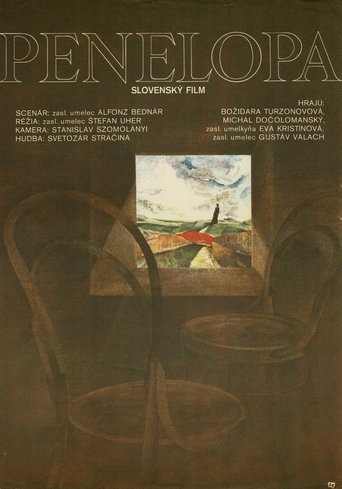 8.0
8.0An emancipated restorer restores rare castle frescoes in an ancient village with figures of ancient heroines - and one of them, Penelope, resembles an old woman who has been waiting for the return of her husband and son for forty years, who have supposedly gone to work in America.
Penelopa
1978
At the beginning of normalization, stories emphasizing civic awareness once again prevailed. The hero here is a teacher from a small village in the foothills, whose inhabitants help the partisans in their fight against fascism. The hero, the only intellectual among them, agrees with them and educates not only his students in this spirit, but is also prepared to lay down his life for his ideals. When German soldiers occupy the village and force the teacher to cooperate, the model situation escalates.
Človek na moste
1972
A television adaptation of Shakespeare's tragedy about the destructive power of wealth. Timon, a rich and generous Athenian citizen, gives gifts to his friends generously and magnanimously. He helps everyone in need, regardless of their status. However, he is surrounded by false friends who refuse to help him when his coffers are empty and his barrels no longer overflow with wine. The attitude of his friends shakes his faith in the goodness of humanity, and he retreats to a cave on the seashore, where he dies by his own hand, cursing the entire human race. Even the famous warrior Alcibiades knows the ingratitude of Athens. When he speaks on behalf of a soldier sentenced to death for a minor offense, the senators expel him from the city. Alcibiades, a man of action, does not give up, defeats Athens, and conquers it. However, he finds Timon already dead.
Timon Aténsky
1973
No synopsis available yet.
Zlaté jabĺčko
1975
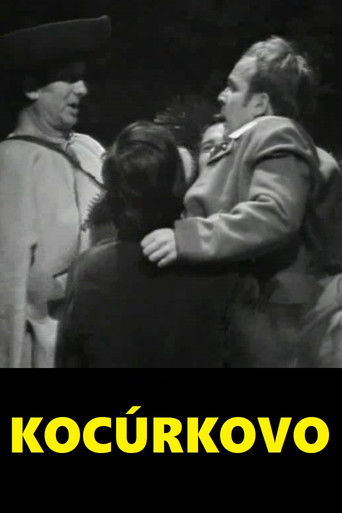 NR
NRA story in which the author mocks the Slovak petty bourgeoisie and denounces the denationalization of the gentry in the nineteenth century. Some problems such as patronage, bribery, and imitation of foreign models sound surprisingly simultaneous.
Kocúrkovo
1971
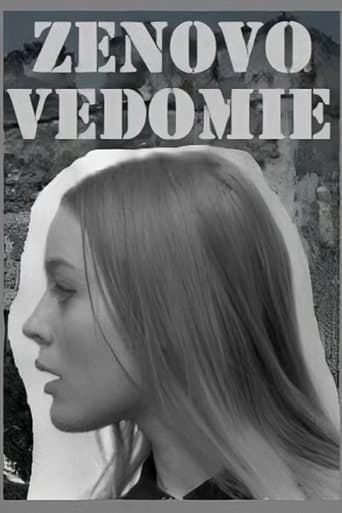 NR
NRTelevision adaptation of the novel by the Italian writer Italo Svevo. His hero is Zeno Cosini, the son of a merchant in Trieste. He is a type of useless person, defeated by life and incapable of action. The ironic insight with which the author draws a picture of the townspeople of Trieste at the turn of the century sounds like an accurate diagnosis of a social class that is doomed with its entire lifestyle and morality.
Zenovo vedomie
1976
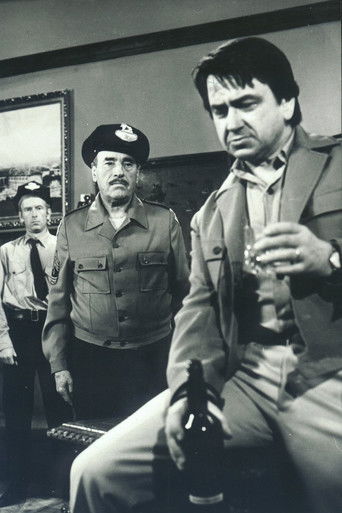 NR
NRThe drama of a man driven to crime by the mechanism of violence in an American prison. It is an indictment of American justice and the barbarically cruel methods of prison staff. Based on Jack London's novel "The Star Rover".
Dynamit
1973
No synopsis available yet.
Bludička
1977
No synopsis available yet.
Zbojníci
1978
No synopsis available yet.
Jaríkovský kostol
1974
1960s · 15 titles
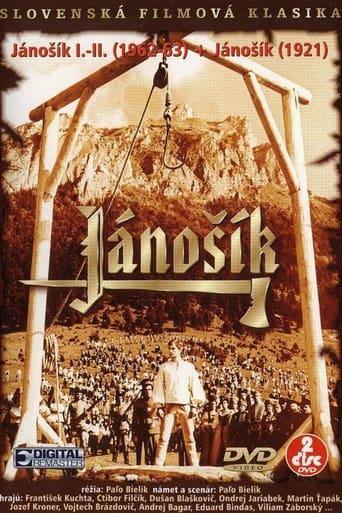 7.8
7.8This film is one of the most popular pictures of Slovak cinema and relates the story about the legendary folk hero and brigand Juro Jánošík [1688-1713] and the social situation in Slovakia of the late 17th and early 18th centuries. The first part talks about Jánošík's childhood, studies and return to his native village. In the second part Jánošík leaves for the hills, where he organizes his band of brigands and starts an anti-feudal resistance. The film concludes with Jánošík's execution.
Jánošík
1963
 5.4
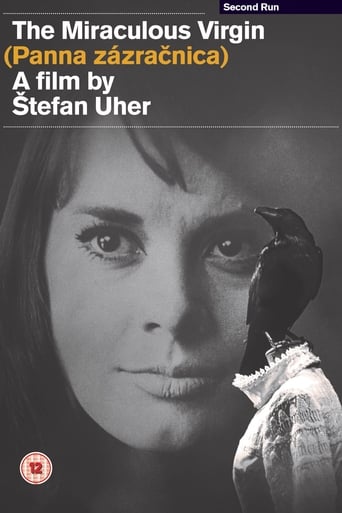
5.4A film adaptation of the novelette of the same title written by Dominik Tatarka depicts the life of a young generation of artists that was formed in Slovakia during the war. Anabella, a young and beautiful girl meets a group of artists. She awakens their erotic desires but also pure feelings of love; she becomes the object of their secret fantasies as well as their artistic inspiration. And it seems that the boundaries between reality and fantasy suddenly cease to exist.
Miraculous Virgin
1967
 5.8
5.8"Using the same, three times repeating dialogue – dramatic conversation between man and woman – Jerzy Skolimowski from Poland, Slovak director Peter Solan and Czech director Zbynìk Brynych shot three different stories. The result was an extraordinary experiment in the world cinema, which we can call an insight in the relationships of men and women of different age groups, an analysis of love and marriage of those who are at the beginning, in the middle or going towards the end of their life."
Dialogue 20-40-60
1968
 6.8
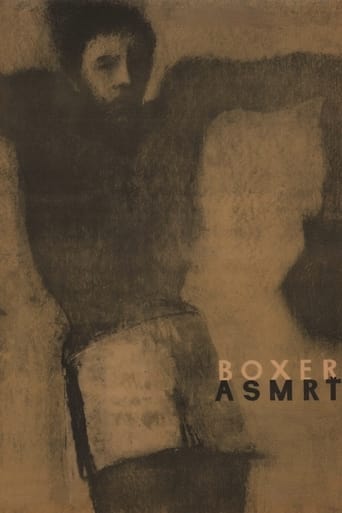
6.8Concentration camp commander Kraft finds out that prisoner Kominek is a former professional boxer. Overnight, the prisoner is made Kraft's exercise partner and unwillingly rises to a privileged position at the camp. His anger over the death of his friend and co-prisoner leads to open revolt. The film brings a new view of human degradation during fascism by a tragic story of one man whose only chance for survival is to accept the rules of an unequal game.
The Boxer and Death
1963
 6.7
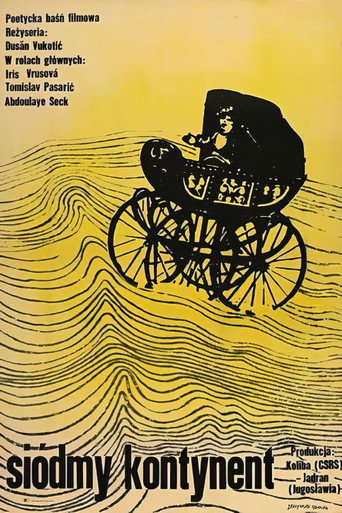
6.7A group of children discover the new continent of the world, uninhabited by adults. Soon, many other children are joining them in that new paradise, leaving their parents and other adults baffled on all remaining continents.
The Seventh Continent
1966
No synopsis available yet.
Na brehu priezračnej rieky
1966
No synopsis available yet.
Jeden deň pre starú paniu
1966
A dramatic story from the environment of young actors, students of the Bratislava theatre school. Betka Šimanová, a young acting adept, is a diligent student, but diligence, perseverance and hard work cannot make up for her lack of talent. She comes to this realization only after experiencing many disappointments and setbacks.
Vždy možno začať
1962
No synopsis available yet.
Kde leží naša bieda
1965
 5.2
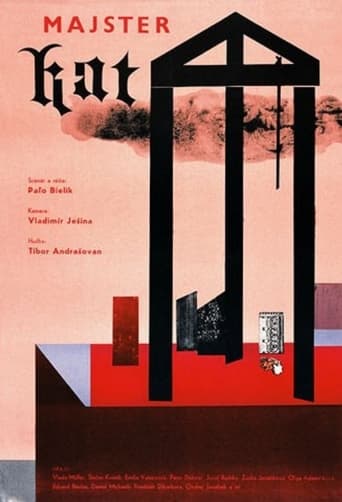
5.2A dramatic story about two friends - fisherman Richardus and municipal executioner Emil Targo takes place at the river Danube, in places that used to be targets of Ottoman raids. But their attraction to the same woman and Emil’s betrayal change their indissoluble friendship to an equally strong hatred. And as it usually goes - after twenty years by a trick of fate Richardus’ daughter Agajka becomes the wife ofthe sun of his sworn enemy.
Master Executioner
1966
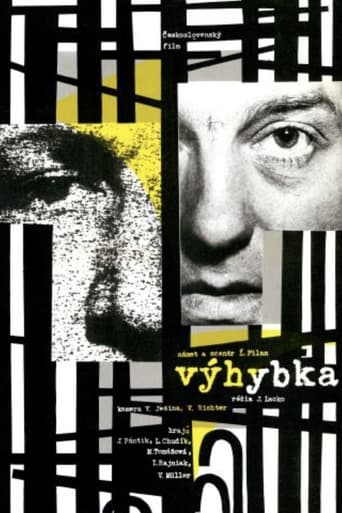 NR
NRA story of two old friends, who after ten years - one as the deputy director and the other as the chairman of the party organization - meet on a large construction site.
Výhybka
1963
No synopsis available yet.
Hernani
1967
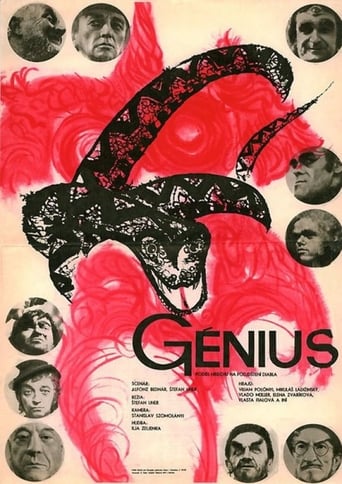 10.0
10.0A metaphorical story about the conflict of human reason and ideals with the dehumanizing mechanism of social institutions. A satire criticizing the negative relations between people, condemning the evils of human characters and the resulting qualities - pride, envy, malicious gloating, hatred and mammonism.
The Genius
1969
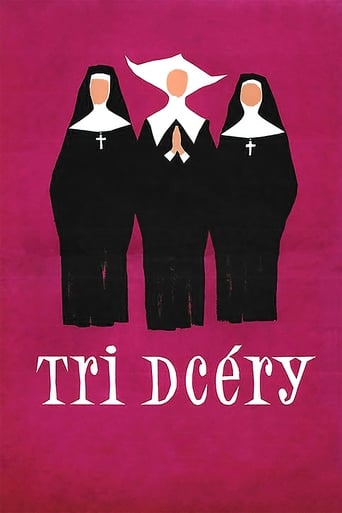 7.7
7.7A classical ballad motif about an aging father and his three daughters is quite unusually here set against the backdrop of Czechoslovakia of the 1950s. After having been expropriated, the former landowner Majda seeks refuge with his three daughters whom he had sent to a convent a long time ago. But only the youngest one is able to forgive him and she is willing to take care of him despite the threat of expulsion from the order.
Three Daughters
1968
No synopsis available yet.
Volpone
1969
Series credits
7.0No synopsis available yet.
Bakaláři
1972
The series depicts the history of Slovak society in the first decades of our century and leaves a deep faith in humanity and the nation. It tells the life story of Pavlínka, the daughter of a laborer and innkeeper, whose fate is filled with love, social ambitions, and unfulfilled dreams, and who ultimately returns to the basics of life, to naturalness and wisdom.
Život bez konca
1983
No synopsis available yet.
Svadba bez nevesty
1980
No synopsis available yet.
Zaprášené histórie Ema Bohúňa
1970
A group of children are trying to solve various mysteries during the summer.
Mysterious Island
1985
5.2No synopsis available yet.
Ve znamení Merkura
1979
This three-part production about the life, work, and times of Slovak literary classic Jozef Gregor Tajovský focuses on Tajovský's childhood. Jozef Gregor Tajovský was born in Tajov in 1874 and died in Bratislava in 1940. A large part of the life of the prose writer and playwright Jozef Gregor Tajovský is connected with his native Tajov, Banská Bystrica, and the surrounding villages of Pohorelá, Lopej, Horná Lehota, and Podlavice. He spent his childhood in Tajov with his grandparents. He speaks of it as the most beautiful period of his life. After completing elementary school in Tajov, he studied at a grammar school in Banská Bystrica and at a teacher training college in Kláštor pod Znievom. He was particularly attached to Tajov, to which he returned throughout his life.
Tá tajovská voda mútna
1987
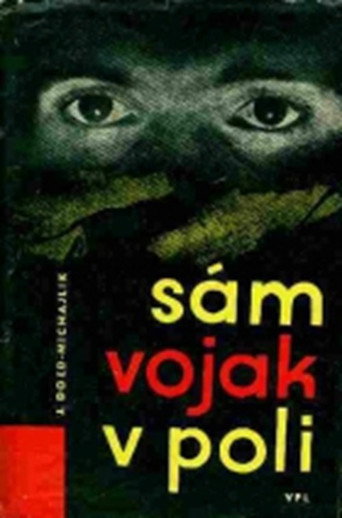 9.0
9.0No synopsis available yet.
Sám vojak v poli
1964
No synopsis available yet.
A. C. Dupin zasahuje
1970
No synopsis available yet.
Profesor Bernhardi
1993
No synopsis available yet.
Sršne v úli
1985
No synopsis available yet.
Rembrandt van Rijn
1981
No synopsis available yet.
Parížski mohykáni
1972
This five-part TV film tells the story of Jan Daňo, a shepherd, and his two daughters.
Nepokojná láska
1975
No synopsis available yet.
Anička Jurkovičová
1983
No synopsis available yet.
Bašta
1970
No synopsis available yet.
Miesto v dome
1973
 NR
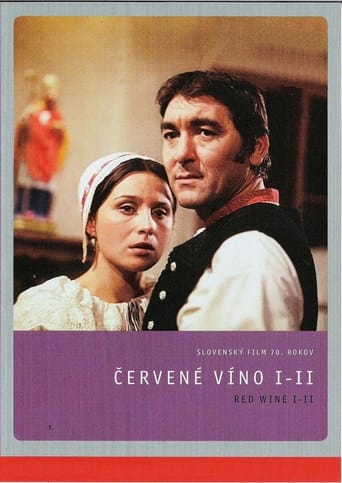
NRAn epic saga of the Habdza family of vineyard keepers set in western Slovakian countryside at the beginning of the 20th century. Director Andrej Lettrich's novel adaptation talks of plotting, forbidden love. family discord, and struggle for heritage and power. The story is engaging thanks to the impressive performances of popular actors, dramatic situations, and sensitive music. Red Wine is not so much inventive in terms of auteurship as it is a work of excellent craftsmanship. The resulting picture is a costume production neatly adapted to the character of Slovak rural life in the past.
Red Wine
1972
No synopsis available yet.
V tieni vlkov
1972
No synopsis available yet.
Zrkadlo občana Pokorného
1967