
Directing
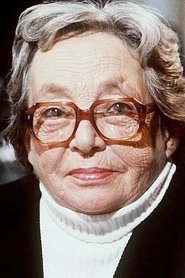
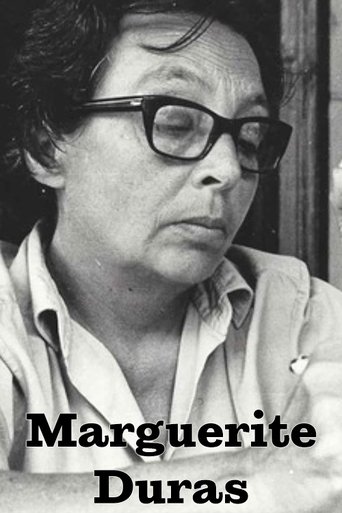
Marguerite Duras
Born — Died
1914-04-04 — 1996-03-03
Place of birth
Gia Định, Vietnam
Known for
Directing
Credits
95 titles
Marguerite Germaine Marie Donnadieu (4 April 1914 – 3 March 1996), known as Marguerite Duras, was a French novelist, playwright, screenwriter, essayist, and experimental filmmaker. Her script for the film Hiroshima mon amour (1959) earned her a nomination for Best Original Screenplay at the Academy Awards. Duras was born Marguerite Donnadieu on 4 April 1914, in Gia Định, Cochinchina, French Indochina (now Vietnam). Her parents, Marie (née Legrand, 1877–1956) and Henri Donnadieu (1872–1921), were teachers from France who likely had met at Gia Định High School. They both had previous marriages. Marguerite had two brothers: Pierre, the older, and the younger Paul. Duras' father fell ill and h…
Known for
 5.6
5.6The South Bank Show is a television arts magazine show produced by ITV between 1978 and 2010. A new series began on Sky Arts from 27 May 2012. Presented by Melvyn Bragg, the show aims to bring both high art and popular culture to a mass audience.
The South Bank Show
1978
 9.5
9.5Marcello Mastroianni, Isabelle Adjani, Alain Delon, Martin Scorsese, Woody Allen... the biggest stars in cinema were welcomed by Christian Defaye on his show Spécial cinéma. Between intimate confessions from actors and immersion in the world of the greatest filmmakers, Christian Defaye took viewers on a journey into the fascinating world of cinema for nearly thirty years.
Spécial cinéma
1974
 8.5
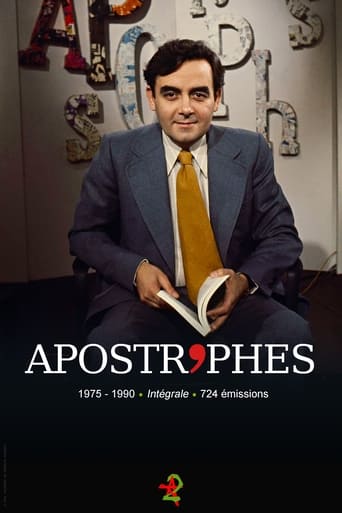
8.5Apostrophes was a live, weekly, literary, prime-time, talk show on French television created and hosted by Bernard Pivot. It ran for fifteen years (724 episodes) from January 10, 1975, to June 22, 1990, and was one of the most watched shows on French television (around 6 million regular viewers). It was broadcast on Friday nights on the channel France 2 (which was called "Antenne 2" from 1975 to 1992). The hourlong show was devoted to books, authors and literature. The format varied between one-on-one interviews with a single author and open discussions between four or five authors.
Apostrophes
1975
 7.7
7.7The deep conversation between a Japanese architect and a French actress forms the basis of this celebrated French film, considered one of the vanguard productions of the French New Wave. Set in Hiroshima after the end of World War II, the couple -- lovers turned friends -- recount, over many hours, previous romances and life experiences. The two intertwine their stories about the past with pondering the devastation wrought by the atomic bomb dropped on the city.
Hiroshima Mon Amour
1959
 8.0
8.0No synopsis available yet.
Dim Dam Dom
1965
 NR
NRNo synopsis available yet.
Pour le plaisir
1964
Film credits
2020s · 8 titles
 6.3
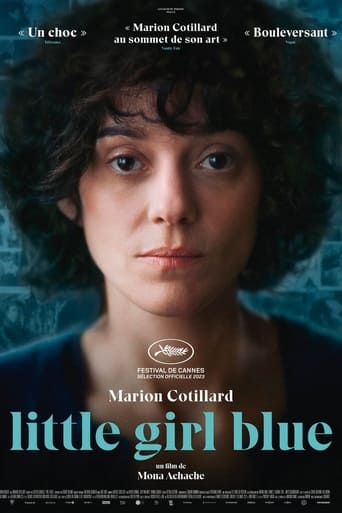
6.3In 2016, French writer and photographer Carole Achache took her own life. After Carole's death, her daughter Mona Achache, a film director, discovers thousands of photos, letters and recordings that Carole left behind, but these buried secrets make her disappearance even more of an enigma. Through the power of filmmaking and the beauty of incarnation with the help of actress Marion Cotillard, the director brings her mother back to life to retrace her journey and find out who she really was.
Little Girl Blue
2023
 5.6
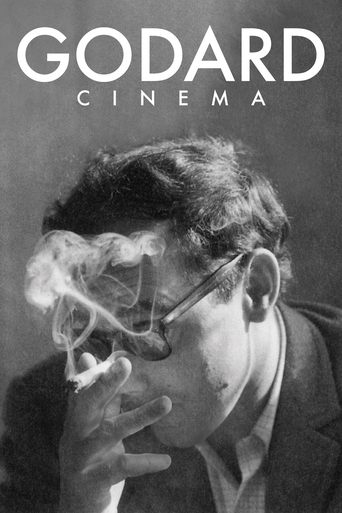
5.6Jean-Luc Godard is synonymous with cinema. With the release of Breathless in 1960, he established himself overnight as a cinematic rebel and symbol for the era's progressive and anti-war youth. Sixty-two years and 140 films later, Godard is among the most renowned artists of all time, taught in every film school yet still shrouded in mystery. One of the founders of the French New Wave, political agitator, revolutionary misanthrope, film theorist and critic, the list of his descriptors goes on and on. Godard Cinema offers an opportunity for film lovers to look back at his career and the subjects and themes that obsessed him, while paying tribute to the ineffable essence of the most revered French director of all time.
Godard Cinema
2023
 6.4
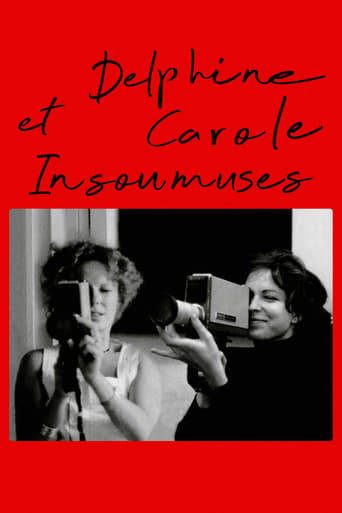
6.4In the 70s, actress Delphine Seyrig and director Carole Roussopoulos, both militant feminists, were the pioneers of video activism in France. They documented the demonstrations of French feminists and used the new technologies to counter the poor representation of women in the public media.
Delphine and Carole
2020
 7.2
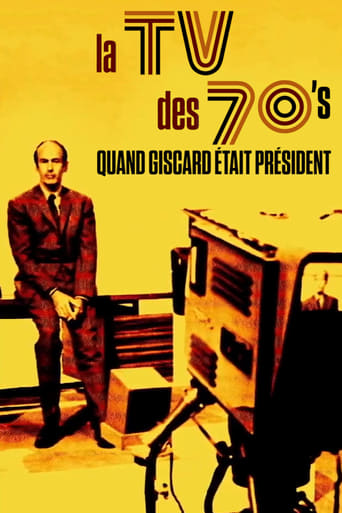
7.2In May 1974, Valéry Giscard d'Estaing became President of the Republic and wanted to bring about a new era of modernity. One of his first decisions was to break up the ORTF with the creation of three new television channels: TF1, Antenne 2 and FR3. Three new public channels but autonomous and competing. It is a race for the audience which is engaged then, and from now on the channels will make the war! This competition will give birth to a real golden age for television programs, with variety shows in the forefront. The stars of the song are going to invade the living rooms of the French for their biggest pleasure. This unedited documentary tells the story of the metamorphosis of this television of the early 1970s, between freedom of tone, scandals, political intrigues and programs that have become mythical.
La TV des 70's : Quand Giscard était président
2022
 7.0
7.0When French writer Marguerite Duras (1914-96) published her novel The Sea Wall in 1950, she came very close to winning the prestigious Prix Goncourt. Meanwhile, in Indochina, France was suffering its first military defeats in its war against the Việt Minh, the rebel movement for independence.
Pornotropic
2020
 NR
NRAbout the Gabriel Matzneff affair and pedophilia in French culture and society from the 1950s to the present day. "It was not very difficult to know who Matzneff was at the time." Vanessa Springora denounces thus, in an interview with the Parisian , the support which benefited the writer Gabriel Matzneff , in the years 1970 and 1980. The author fifties then maintains an affair with the young girl, aged 14 years. A relationship under control that the editor tells in Le Consentement (éd. Grasset), published Thursday. "After having analyzed the work " , the Paris public prosecutor's office announced Friday January 3 the opening of an investigation for "rapes committed on the person of a minor of 15 years".
L'affaire Matzneff
2020
 NR
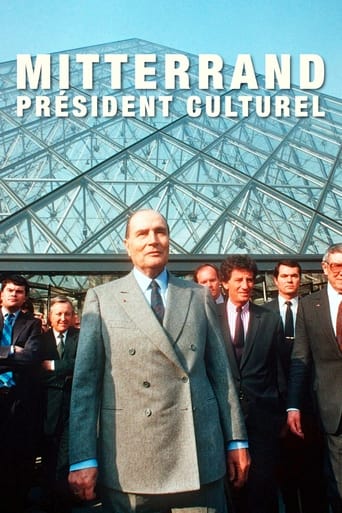
NROn the occasion of the fourty years anniversary of François Mitterand's election, a look back to the relationship between the President and artists, from admiration to manipulation.
Mitterrand, président culturel
2021
 NR
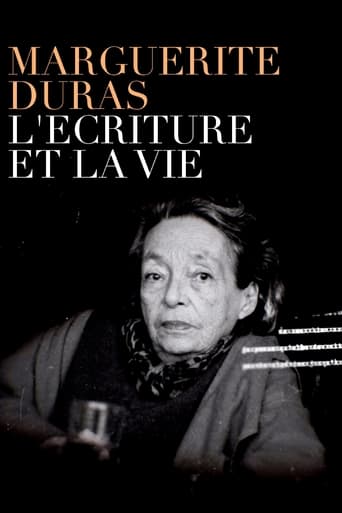
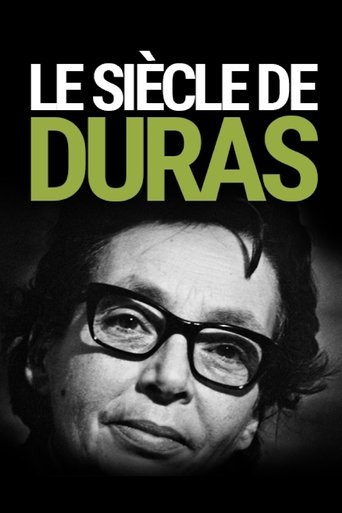
NR25 years ago, Marguerite Duras passed away at the age of 81. At the evocation of this name, one spontaneously thinks of the intellectual superstar Duras, adulated or hated, with her big glasses and turtleneck, who received the Goncourt prize for her mythical novel, "L'Amant". But behind the superstar writer, who either fascinates or annoys, and behind his double novel, the young Indochinese girl, with her hair pulled back and lips underlined with lipstick, which is precisely the subject of "L'Amant", are hidden other, perhaps less well-known facets of the character, a writer, but also a filmmaker, journalist, a woman committed to the left, a transient lover or a loving mother. Marguerite Duras will have had 1000 lives in one and many other faces. This film attempts to get as close as possible to this extraordinary destiny.
Marguerite Duras, l'écriture et la vie
2021
2010s · 3 titles
 7.0
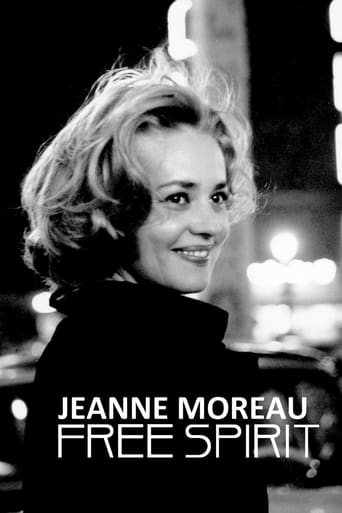
7.0An account of the life of actress Jeanne Moreau (1928-2017), a true icon of the New Wave and one of the most idolized French movie stars.
Jeanne Moreau: Free Spirit
2018
 6.0
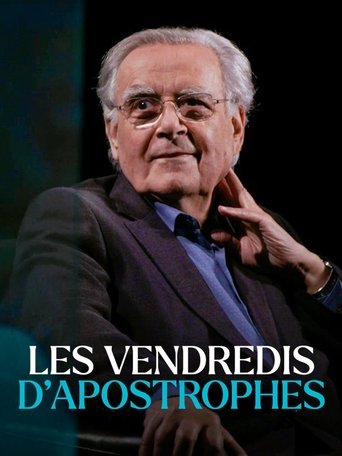
6.0Hours and historical meetings, Pierre Assouline has composed an anthology of the best extracts presented in the form of a primer, which he had commented on by a surprised Bernard Pivot.
Les vendredis d'Apostrophes
2015
 10.0
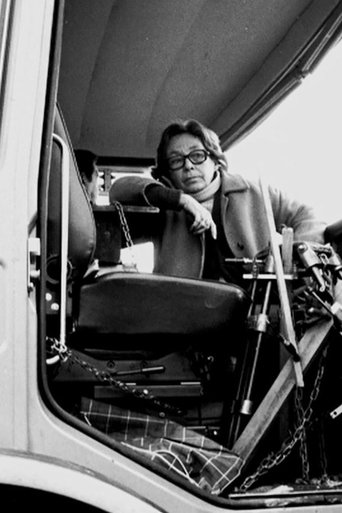
10.0Documentary on famous writer Marguerite Duras and her paradoxical relation to the seventh art by her former film editor.
Duras and Cinema
2014
2000s · 2 titles
 7.3
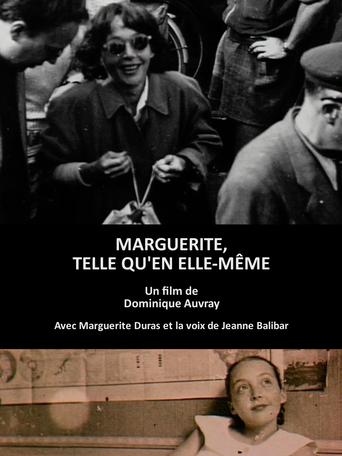
7.3On June 3, 1991, Marguerite Duras gave me her last published work, "The North China Lover", autographed for the first time. She wrote: "For my friend Dominique Auvray, in memory of a wonder of wonders: a still recent past, when we worked together in the cinema". This is a portrait of her as she was cheerful and serious, authentic and provocative, considerate and categorical, but first and foremost young and free.
Marguerite as She Was
2003
Luc Lagier puts Alain Resnais' film back in its historical context and in the filmmaker's biography. He tells the story, then the development of what was originally intended to be a short documentary film and which turned into an unusual allegory. Composed of fascinating archives, including notably the correspondence between Duras and Resnais, this analysis of 'Hiroshima mon amour' manages to put the film in perspective while detaching itself from it. A rare and captivating work.
Hiroshima: The Time of Return
2005
1990s · 3 titles
 6.7
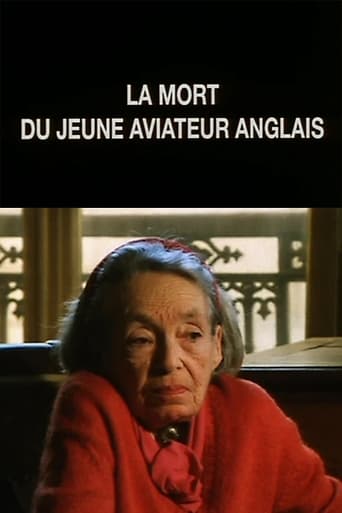
6.7Marguerite Duras tells the story of the death of a young English aviator in a French village.
The Death of the Young English Aviator
1993
 NR
NRMarguerite Duras.is interviewed twice, first in 1984 and then in 1993, on her life and work as a writer and filmmaker.
Marguerite Duras
1994
 6.5
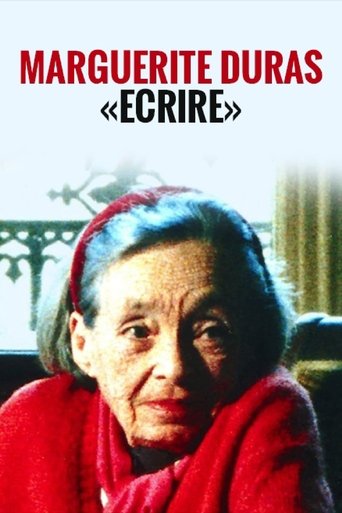
6.5When Duras saw 'La mort du jeune aviateur anglais', she told Benoît Jacquot that the film was about him, not her. "She treated me like a thief. So I offered to make another film, where she could say whatever she wanted about her life as a writer. That’s how we did Écrire. I brought the same film crew. We went to her house at Neauphle-le-Château and we set up in the room she called 'the music room,' where there was a piano and you could listen to records. She settled in and for two days of non-stop filming, she talked."
Écrire
1994
1980s · 11 titles
A documentary about filmmaker Marguerite Duras.
Duras Shoots
1981
 6.1
6.1TV series directed by Varda in which she gives thoughts to her favorite images and why she is drawn to them (in short one minute segments per image)
One Minute for One Image
1983
 NR
NRShe was the sort of woman who spared neither herself nor others—and arguably qualifies as 20th-century France’s greatest femme de lettres. In this interview, the late novelist and filmmaker talks openly about the hardship and the romance of her childhood in French Indochina, sharing how this period haunted her life and shaped her work. Excerpts from her films and readings from her books by actress Elizabeth Rider and Duras herself—including The Lover, winner of the Prix Goncourt and translated into more than forty languages—bring to life those formative years in Vietnam.
Marguerite Duras: Worn Out with Desire . . . to Write
1985
 NR
NRConversation between a woman (Duras) and a man (D. Noguez) about a woman and a man.
La Dame des Yvelines
1984
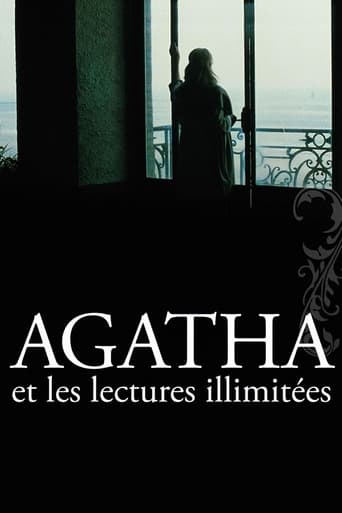 6.4
6.4A man and his sister meet at a seaside village to discuss their relationship.
Agatha and the Limitless Readings
1981
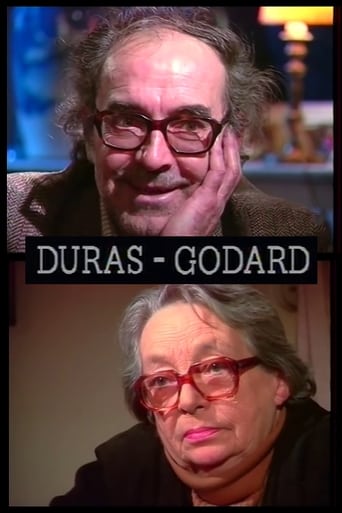 NR
NROn December 2, 1987, the filmmaker visited the novelist at her home in Paris. This meeting gave rise to this hour-long documentary in which JLG and Marguerite Duras attempt to establish a dialogue about artistic creation.
Duras/Godard
1987
This afterword to India Song (Duras' celebrated 1975 film) is organized in several parts. It begins with an interview to Marguerite Duras by Dominique Noguez, an expert in her work; the interview links the film to the two movies whom it's related to: The Ravishment of Lol V. Stein and The Vice-Consul. Several themes are tackled: childhood, autobiographical traces, relationships between differents characters and different films and more. India Song's main actors — Delphine Seyrig and Michael Lonsdale, who played Anne-Marie Stretter and the French vice-consul — join the conversation and talk about their roles and their craft. Marguerite Duras then evokes her memories of the shooting with the composer Carlos D'Alessio and her camera operato Bruno Nuytten. The conversations are punctuated by clips of the film.
The Colour of Words
1984
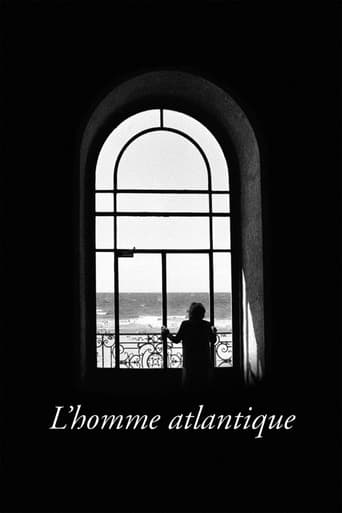 5.6
5.6A woman watches and speaks to a man as he moves through a house by the sea. She observes his presence and tracks his shifting distance from her.
L’homme atlantique
1981
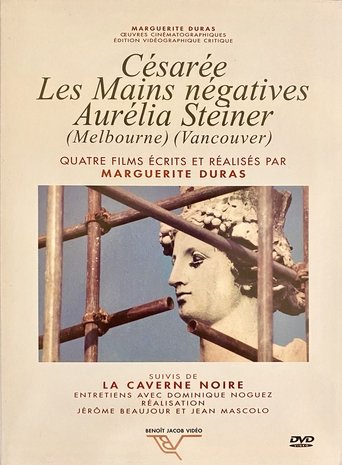 NR
NRIn this interview with Dominique Noguez, Marguerite Duras talks successively about each of her four short films made in 1979: Césarée, Les Mains négatives, Aurélia Steiner (Melbourne), Aurélia Steiner (Vancouver). She touches briefly on the various subjects dealt with: the return to Césarée of Berenice, repudiated for reasons of state, Jewish wandering, the scandal of the camps in the two Aurelia Steiner. Negative Hands as the colonial data of humanity, a film offered to the blacks and Portuguese who clean up Paris before leaving the place. Marguerite Duras also comments, with excerpts, on the various traveling shots that make up the main plot of each of the short films. And the documentary ends with a few words of epilogue: a real pamphlet by Marguerite Duras against dreams, significantly entitled Work and Words.
Work and Words
1984
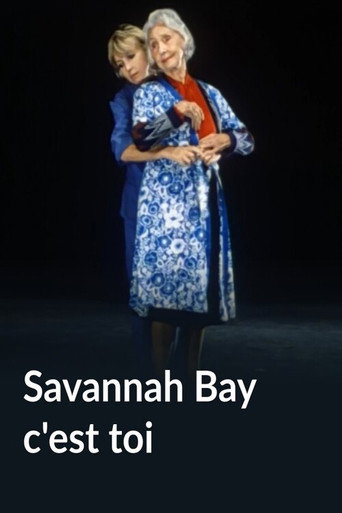 NR
NRNo synopsis available yet.
Savannah Bay c’est toi
1984
 NR
NR‘Mulher a Mulher’ is a Portuguese TV show dedicated to the condition of women that aims to demystify gender prejudice. Its last programme looks at the literary and cinematographic work of Marguerite Duras (writer, playwright and film director) with an interview conducted by writer Yann Lemée and provided by the Centro Nacional de Cultura, in Lisbon.
Mulher a Mulher: Interview with Marguerite Duras by Yann Lemée
1980
1970s · 13 titles
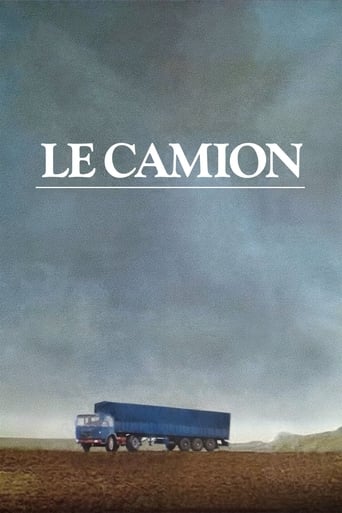 6.4
6.4In this most talky and personal of films, director Marguerite Duras and actor Gerard Depardieu do an on-camera read-through of a movie script. Occasionally, the director comments about the characters or their motivations, and sometimes the actor does. That's all -- there is no action, there are no location shots, no one pretends to be anything else. The script itself tells about an encounter between a blank-slate of a woman hitchhiker, and a communist truck driver. As the reading progresses, Duras comments bitterly about the failed ideals of communism and the glorious revolution that will probably never happen.
The Lorry
1977
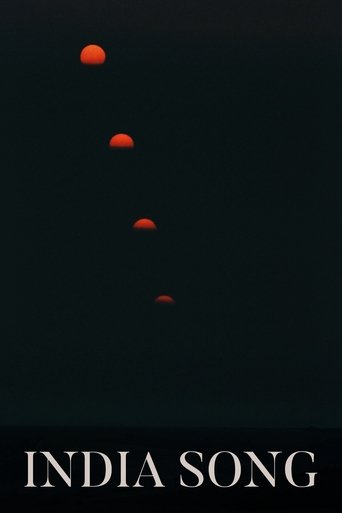 6.3
6.3Anne-Marie Stretter, the wife of a French diplomat in 1930s India, takes many lovers to relieve the boredom in her life.
India Song
1975
 5.6
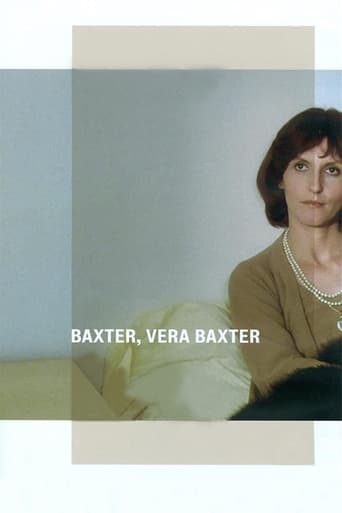
5.6In an empty villa, Vera Baxter sits and contemplates her life, as she recounts to a woman who was drawn to the villa when she heard the name Vera Baxter pronounced. Vera tells her about her no-good husband, who has been using her to keep his failing business afloat, up to her present love affair.
Baxter, Vera Baxter
1977
 7.2
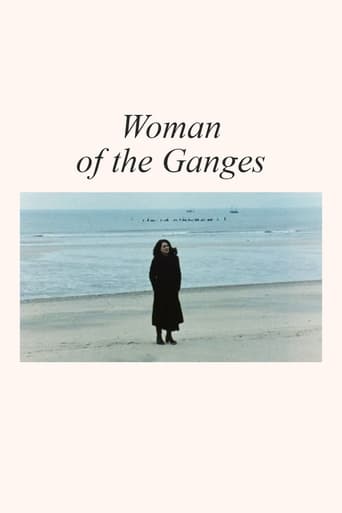
7.2A man returns to the place he once lived a passionate love affair with a woman who is now dead. So powerful are the emotions that seize him that he imagines she is still alive, and begins to live as if this were the case...
Woman of the Ganges
1974
 6.1
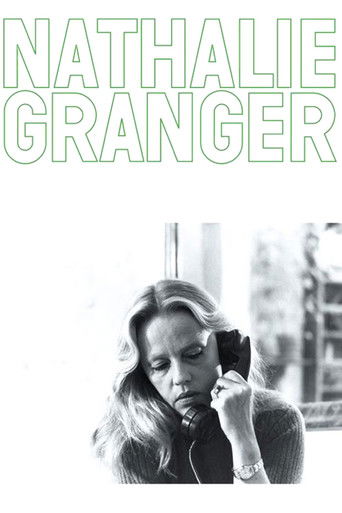
6.1With little or no embellishment, filmmaker Marguerite Duras offers a simple, often wordless chronicle of a woman's day. She and her friend are seen doing yard work, talking about their families and receiving the occasional visitor. The brightest spot in the day is when a washing machine salesman comes to call.
Nathalie Granger
1973
 7.0
7.0Stages a double persona on a music of Monteverdi (Ariadne’s lamento interpreted by Janet Baker).
Cygne I
1976
 6.0
6.0From the deserted halls and corridors of the Gaumont-Palace cinema in Paris, memories of the great films that inhabited it before its demolition emerge like ghosts. The voice of Marguerite Duras, who reads texts from “Nathalie Granger” and “Woman of the Ganges”, adds a touch of nostalgia to this complex essay.
Gaumont-Palace
1976
 7.2
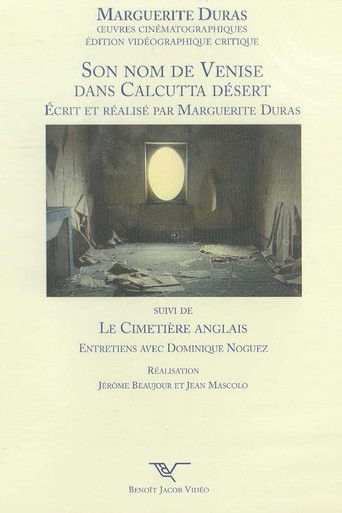
7.2The full soundtrack to Marguerite Duras' 1975 film India Song, about a French ambassador's wife in 1930s India, is here repurposed with all new cinematography. As we hear all the dialogue of a bygone movie, we travel visually through images of absence and decay, bereft of life. It's the ghost of a film, and a further commentary on colonialism.
Son nom de Venise dans Calcutta désert
1976
 7.2
7.2Traces a slow advance through Paris in the early hours of the morning. The deserted boulevards of Paris are punctuated by interspersed groups of dark-skinned workers, stray prostitutes and vagabonds.
Les Mains négatives
1978
 6.0
6.0Her whole childhood, Marguerite Duras spent her time moving. Her house in Neauphle-le-Château is the one she has lived in the most, and the one she says: “All the women in my books have lived in this house. All ... ” Duras tells about her house and her garden closely linked to his work, remembers the forest of her childhood and evokes her fear of music.
The Places of Marguerite Duras
1976
 6.6
6.6Le Navire Night is a story of love and desire sustained and nourished through sound waves. The film’s voice-over tells the story of a woman, terminally ill with leukemia, living in isolation at her wealthy father's villa, and a man working night shifts at a telephone company. They have never met in person.
Le Navire Night
1979
 6.2
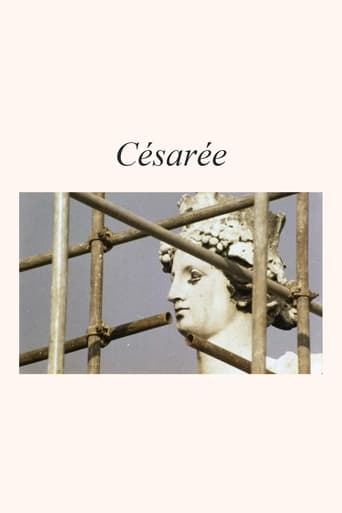
6.2On images of the Tuileries Gardens, Marguerite Duras recalls Césarée, an ancient destroyed city.
Césarée
1978
 8.5
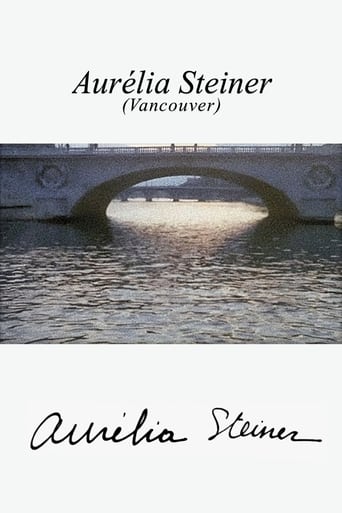
8.5Based on the letters of a fictitious poetess to her lover. Duras reads extracts from the letters, about the poetess’s Jewish past, while the film shows stark waves beating against the seashore. – BFI
Aurélia Steiner (Vancouver)
1979
1960s · 9 titles
 NR
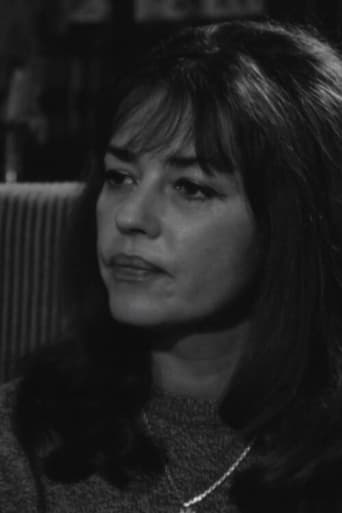
NRDuras interviews an exhausted Jeanne Moreau, addressing her friend as vous, despite the fact "the two were close friends for many years, living in neighbouring houses and cooking for each other from the early ‘60s.
Marguerite Duras interviews Jeanne Moreau
1965
 6.8
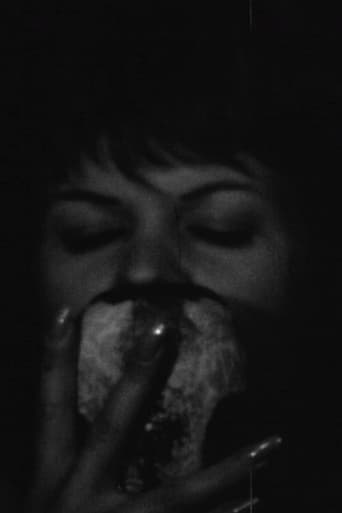
6.8In this episode of Dim Dam Dom, Duras interviews the stripper Lolo Pigalle. A clip of Lolo dancing in a golden dress is followed by an intense and intimate conversation in which Lolo discusses the definition of work, the splitting of the self, and acting vs. sex work.
Marguerite Duras and Stripper Lolo Pigalle
1965
 7.0
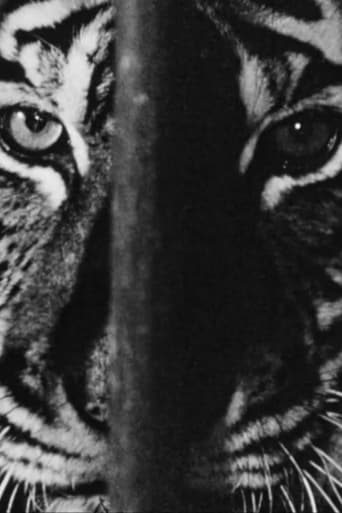
7.0Duras, ever the challenging interviewer, forensically questions a Parisian zookeeper regarding the happiness of the animals in his charge. Intercut with her questions is stark black-and-white footage of the animals themselves behind bars, as they pace the length of their small concrete enclosures. Duras is very much on the side of the big cats. “Are you ever careless?” she asks the zookeeper. When he replies in the negative, Duras says smilingly: “In your position I’d be tempted to be careless”.
Marguerite Duras in the Lions' Den
1966
 6.0
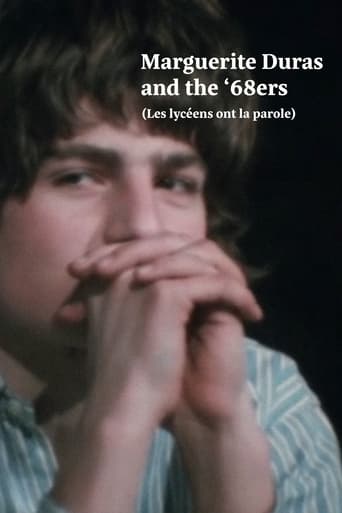
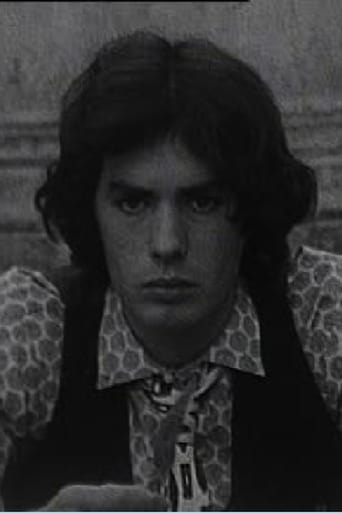
6.0Here Duras assumes a more distant role, less an interviewer than an invested documentarian. Her questions precede footage of her main subject, the sixteen-year-old Romain Goupil, recently excluded from the lycée, among his peers and fellow student revolutonaries. After we see them discuss the complexities of their position and deal with internal dissent, Duras asks Romain if he ever forgets how young he is. Romain replies with a grin: “Totally.”
Marguerite Duras and the '68ers
1968
 NR
NRA documentary, originally produced in 1966 for the French TV series "Pour le plaisir," about Robert Bresson's film "Au Hasard Balthazar," featuring interviews and discussions with Bresson, Jean-Luc Godard, Louis Malle, Marguerite Duras and others.
Un metteur en ordre: Robert Bresson
1966
 6.5
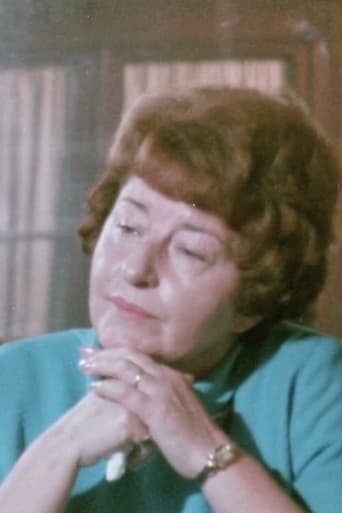
6.5During this strange and confrontational interview, Duras takes on France’s only female prison warden. In the women’s verbal wrangling we find reflected many contemporary concerns surrounding the ongoing moral disaster of the prison industrial complex.
Marguerite Duras and the Prison Governess
1967
Reflections (in voice-over) by Marguerite DURAS on toys "the most beautiful are those you see behind the window", children's relationship with toys, the "laughter of joy". Shots of dazzled children in front of toys in a window, two children in a shop admiring mechanical toys, different expressions of these children and other children in front of a few toys.
Les enfants et Noël
1965
 NR
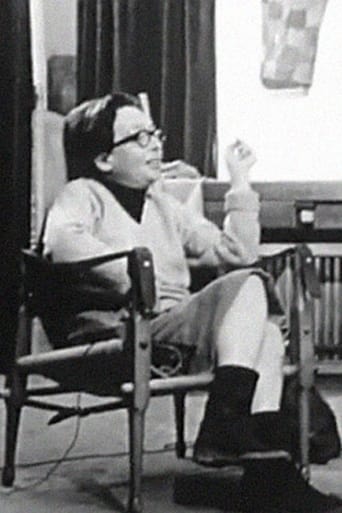
NRBroadcast once a month, Dim Dam Dom was a TV variety show on the second channel of French public television agency ORTF made up of a series of short sequences presented by one–off guest presenters. On the 30th of April 1965, Marguerite Duras interviewed François, a little seven-year old boy. Duras asked him what he thought about the inventions of the future, school, the usefulness of TV, "Belphégor" and talking horses. Francois answered the writer’s cunning questions with humour, candour and poetry.
Dim Dam Dom: Marguerite Duras and Little François
1965
 NR
NRReport on the young people of the yéyé period and pop music. Jerk at the Palladium, Beatles, press clippings, questions about the impact of fashion (long hair and accoutrements) and modernity, youth, change, freedom.
Pop Age
1966
Series credits
5.6The South Bank Show is a television arts magazine show produced by ITV between 1978 and 2010. A new series began on Sky Arts from 27 May 2012. Presented by Melvyn Bragg, the show aims to bring both high art and popular culture to a mass audience.
The South Bank Show
1978
9.5Marcello Mastroianni, Isabelle Adjani, Alain Delon, Martin Scorsese, Woody Allen... the biggest stars in cinema were welcomed by Christian Defaye on his show Spécial cinéma. Between intimate confessions from actors and immersion in the world of the greatest filmmakers, Christian Defaye took viewers on a journey into the fascinating world of cinema for nearly thirty years.
Spécial cinéma
1974
8.5Apostrophes was a live, weekly, literary, prime-time, talk show on French television created and hosted by Bernard Pivot. It ran for fifteen years (724 episodes) from January 10, 1975, to June 22, 1990, and was one of the most watched shows on French television (around 6 million regular viewers). It was broadcast on Friday nights on the channel France 2 (which was called "Antenne 2" from 1975 to 1992). The hourlong show was devoted to books, authors and literature. The format varied between one-on-one interviews with a single author and open discussions between four or five authors.
Apostrophes
1975
8.0No synopsis available yet.
Dim Dam Dom
1965
NRNo synopsis available yet.
Pour le plaisir
1964
Behind the camera
7.7The deep conversation between a Japanese architect and a French actress forms the basis of this celebrated French film, considered one of the vanguard productions of the French New Wave. Set in Hiroshima after the end of World War II, the couple -- lovers turned friends -- recount, over many hours, previous romances and life experiences. The two intertwine their stories about the past with pondering the devastation wrought by the atomic bomb dropped on the city.
Hiroshima Mon Amour
1959
 6.2
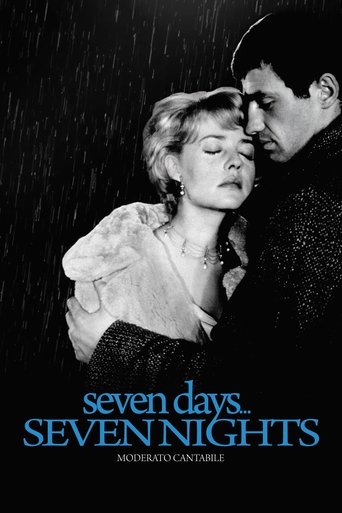
6.2Anne Desbarèdes is a young woman who is married to a wealthy businessman and lives a monotonous existence in the small commune town of Blaye. After indirectly witnessing a murder in a café, she returns to the scene of the crime the next day and meets Chauvin, who informs her in more detail about the events that took place. Mentally unbalanced, Anne begins to believe that Chauvin intends to kill her.
Seven Days… Seven Nights
1960
6.4In this most talky and personal of films, director Marguerite Duras and actor Gerard Depardieu do an on-camera read-through of a movie script. Occasionally, the director comments about the characters or their motivations, and sometimes the actor does. That's all -- there is no action, there are no location shots, no one pretends to be anything else. The script itself tells about an encounter between a blank-slate of a woman hitchhiker, and a communist truck driver. As the reading progresses, Duras comments bitterly about the failed ideals of communism and the glorious revolution that will probably never happen.
The Lorry
1977
6.4In this most talky and personal of films, director Marguerite Duras and actor Gerard Depardieu do an on-camera read-through of a movie script. Occasionally, the director comments about the characters or their motivations, and sometimes the actor does. That's all -- there is no action, there are no location shots, no one pretends to be anything else. The script itself tells about an encounter between a blank-slate of a woman hitchhiker, and a communist truck driver. As the reading progresses, Duras comments bitterly about the failed ideals of communism and the glorious revolution that will probably never happen.
The Lorry
1977
6.3Anne-Marie Stretter, the wife of a French diplomat in 1930s India, takes many lovers to relieve the boredom in her life.
India Song
1975
6.3Anne-Marie Stretter, the wife of a French diplomat in 1930s India, takes many lovers to relieve the boredom in her life.
India Song
1975
5.6In an empty villa, Vera Baxter sits and contemplates her life, as she recounts to a woman who was drawn to the villa when she heard the name Vera Baxter pronounced. Vera tells her about her no-good husband, who has been using her to keep his failing business afloat, up to her present love affair.
Baxter, Vera Baxter
1977
5.6In an empty villa, Vera Baxter sits and contemplates her life, as she recounts to a woman who was drawn to the villa when she heard the name Vera Baxter pronounced. Vera tells her about her no-good husband, who has been using her to keep his failing business afloat, up to her present love affair.
Baxter, Vera Baxter
1977
 5.8
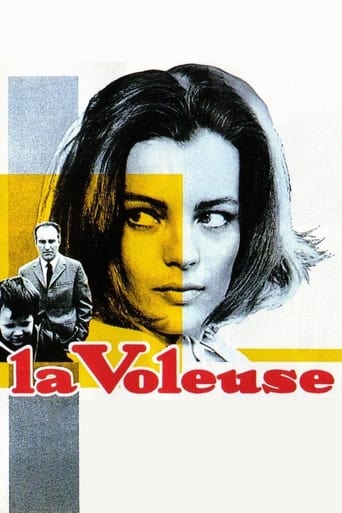
5.8Drama of an unmarried mother who regrets having had her child fostered and fights its foster parents to have it restored to her.
La Voleuse
1966
7.2A man returns to the place he once lived a passionate love affair with a woman who is now dead. So powerful are the emotions that seize him that he imagines she is still alive, and begins to live as if this were the case...
Woman of the Ganges
1974
7.2A man returns to the place he once lived a passionate love affair with a woman who is now dead. So powerful are the emotions that seize him that he imagines she is still alive, and begins to live as if this were the case...
Woman of the Ganges
1974
 5.3
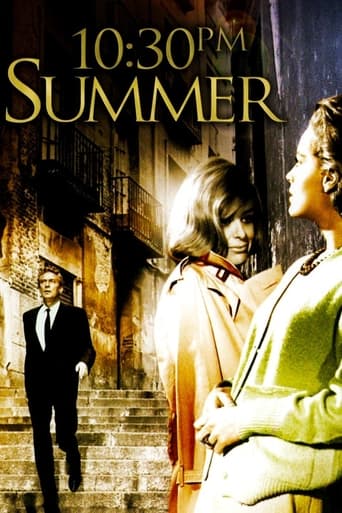
5.3A female traveling companion seduces a married man and his alcoholic wife.
10:30 P.M. Summer
1966
 7.3
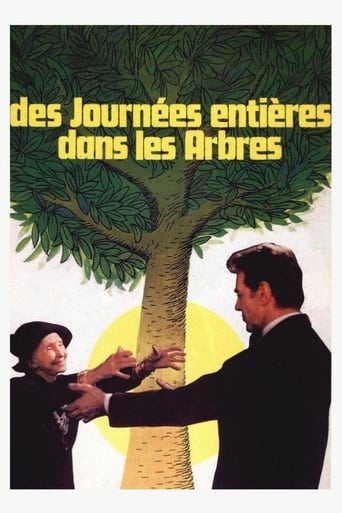
7.3An old lady returns from Africa where she made a fortune to find her son in Paris, whom she has not seen in five years, with the intention of bringing him back with her. But this project fails.
Entire Days in the Trees
1977
7.3An old lady returns from Africa where she made a fortune to find her son in Paris, whom she has not seen in five years, with the intention of bringing him back with her. But this project fails.
Entire Days in the Trees
1977
 6.7
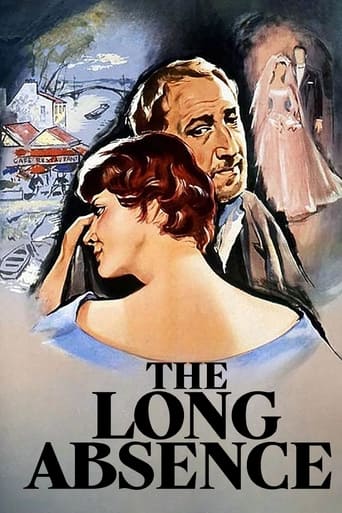
6.7Therese, a café owner, mourns the mysterious disappearance of her husband sixteen years earlier. A tramp arrives in the town and she believes him to be her husband. But he is suffering from amnesia and she tries to bring back his memory of earlier times.
The Long Absence
1961
 7.0
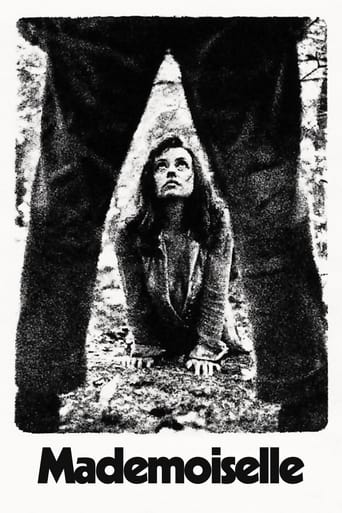
7.0A sexually repressed school teacher releases her pent up passions in a series of shocking crimes.
Mademoiselle
1966
 4.9
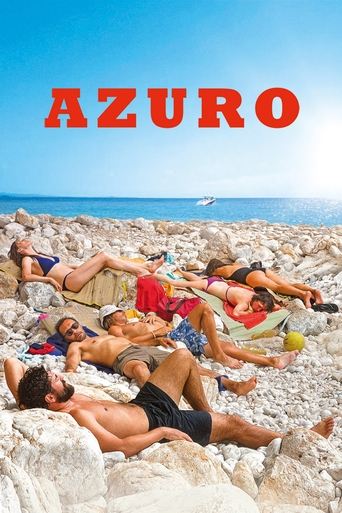
4.9It’s summer, the heat is overwhelming and the weather is out of whack. A group of friends are enjoying their yearly holiday in their favorite little village, wedged between the sea and the mountains. As usual, they are bored and eat and drink a lot. They do not pay attention to the fire which progresses on the mountain nearby, nor to the world around them. But this year, a mysterious man arrives from the sea and shakes up their seemingly balanced existence...
Azuro
2022
6.1With little or no embellishment, filmmaker Marguerite Duras offers a simple, often wordless chronicle of a woman's day. She and her friend are seen doing yard work, talking about their families and receiving the occasional visitor. The brightest spot in the day is when a washing machine salesman comes to call.
Nathalie Granger
1973
7.2The full soundtrack to Marguerite Duras' 1975 film India Song, about a French ambassador's wife in 1930s India, is here repurposed with all new cinematography. As we hear all the dialogue of a bygone movie, we travel visually through images of absence and decay, bereft of life. It's the ghost of a film, and a further commentary on colonialism.
Son nom de Venise dans Calcutta désert
1976
7.2The full soundtrack to Marguerite Duras' 1975 film India Song, about a French ambassador's wife in 1930s India, is here repurposed with all new cinematography. As we hear all the dialogue of a bygone movie, we travel visually through images of absence and decay, bereft of life. It's the ghost of a film, and a further commentary on colonialism.
Son nom de Venise dans Calcutta désert
1976
7.2Traces a slow advance through Paris in the early hours of the morning. The deserted boulevards of Paris are punctuated by interspersed groups of dark-skinned workers, stray prostitutes and vagabonds.
Les Mains négatives
1978
7.2Traces a slow advance through Paris in the early hours of the morning. The deserted boulevards of Paris are punctuated by interspersed groups of dark-skinned workers, stray prostitutes and vagabonds.
Les Mains négatives
1978
 7.0
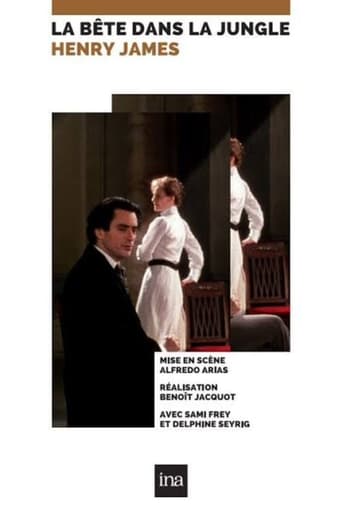
7.0Ten years after their first meeting, John Marcher and May Bartram meet again in the magnificent Weatherend estate, but, as the first time, John's certainty of being doomed to a tragic fate hinders the feelings they have for each other.
La bête dans la jungle
1981
 6.2
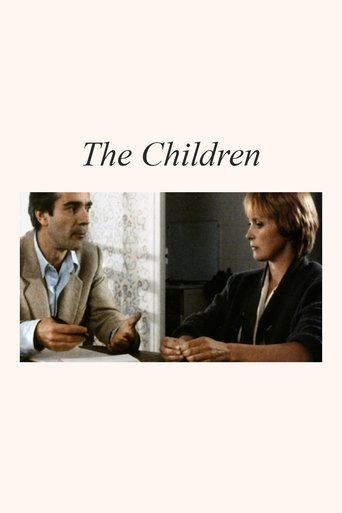
6.2Ernesto, a seven-year-old boy who has the body of a thirty-year-old man, decides, upon attending his first day of school, that he no longer wishes to attend, because he does not wish to be taught matters that he does not know.
The Children
1985
6.2Ernesto, a seven-year-old boy who has the body of a thirty-year-old man, decides, upon attending his first day of school, that he no longer wishes to attend, because he does not wish to be taught matters that he does not know.
The Children
1985
 6.9
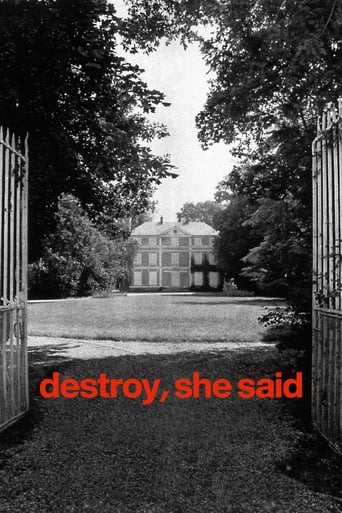
6.9In a secluded hotel circumscribed by a dense forest Max and Alissa Thor meet Stein and Elisabeth. Max, a professor of future history and an aspiring author, is immediately attracted to the brooding wife of industrialist Bernard Alione, Elisabeth, who is recovering from a miscarriage. Stein, a German Jew and potential writer, is infatuated by Alissa, Max's young wife and former student. During their sojourn the guests' identities gradually meld.
Destroy, She Said
1969
6.9In a secluded hotel circumscribed by a dense forest Max and Alissa Thor meet Stein and Elisabeth. Max, a professor of future history and an aspiring author, is immediately attracted to the brooding wife of industrialist Bernard Alione, Elisabeth, who is recovering from a miscarriage. Stein, a German Jew and potential writer, is infatuated by Alissa, Max's young wife and former student. During their sojourn the guests' identities gradually meld.
Destroy, She Said
1969
 5.2
5.2The whole film takes place in a single room where representatives of the two political forces and their enemy "the Jew" are gathered. A female character establishes the dialogue between these individuals and comments on the ideology of each; Until the final scene where everyone seems to rally to a common idea.
Jaune, Le Soleil
1971
5.2The whole film takes place in a single room where representatives of the two political forces and their enemy "the Jew" are gathered. A female character establishes the dialogue between these individuals and comments on the ideology of each; Until the final scene where everyone seems to rally to a common idea.
Jaune, Le Soleil
1971
 NR
NRFranck and Hélène meet in Deauville and decide to get married instantly. A year passes. Their conversation, over the seasons, questions their love as it's put to the test.
Sans merveille
1964
 8.2
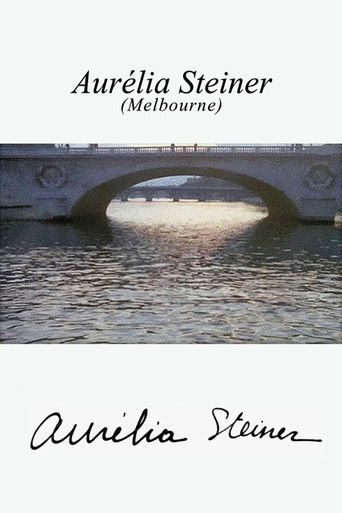
8.2Based on the letters of a fictitious poetess to her lover. Duras reads extracts from these letters, as the film shows a boat journey down the Seine, past familiar bridges and landmarks. – BFI
Aurélia Steiner (Melbourne)
1979
8.2Based on the letters of a fictitious poetess to her lover. Duras reads extracts from these letters, as the film shows a boat journey down the Seine, past familiar bridges and landmarks. – BFI
Aurélia Steiner (Melbourne)
1979
6.4A man and his sister meet at a seaside village to discuss their relationship.
Agatha and the Limitless Readings
1981
6.4A man and his sister meet at a seaside village to discuss their relationship.
Agatha and the Limitless Readings
1981
6.6Le Navire Night is a story of love and desire sustained and nourished through sound waves. The film’s voice-over tells the story of a woman, terminally ill with leukemia, living in isolation at her wealthy father's villa, and a man working night shifts at a telephone company. They have never met in person.
Le Navire Night
1979
6.6Le Navire Night is a story of love and desire sustained and nourished through sound waves. The film’s voice-over tells the story of a woman, terminally ill with leukemia, living in isolation at her wealthy father's villa, and a man working night shifts at a telephone company. They have never met in person.
Le Navire Night
1979
6.2On images of the Tuileries Gardens, Marguerite Duras recalls Césarée, an ancient destroyed city.
Césarée
1978
6.2On images of the Tuileries Gardens, Marguerite Duras recalls Césarée, an ancient destroyed city.
Césarée
1978
 5.0
5.0A husband and wife meet three years after their formal separation, when they return to the provincial town where they once lived to pick up their divorce decree.
La Musica
1967
5.0A husband and wife meet three years after their formal separation, when they return to the provincial town where they once lived to pick up their divorce decree.
La Musica
1967