
Directing
Rikurô Miyai
Born — Died
1940-03-13 — 2022-03-17
Known for
Directing
Credits
4 titles
Known for
 4.3
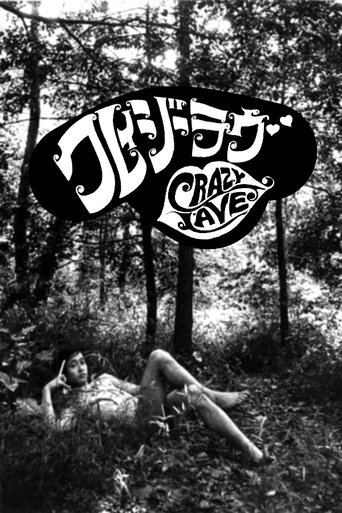
Correlated with Susan Sontag's theorization of kitsch as well as employing the queer lingo of "camp," this film's relentless equal opportunity pop-art montage shattered the foundations of conventional cinema, making it a true document of the Shinjuku underground scene. Director Okabe himself appears recreating his favorite roles from Bonnie and Clyde to Spaghetti Westerns, as well as incorporating quotations by inserting stills of Godard, Kennedy’s assassination and the Vietnam War.
Crazy Love
1968
 NR
Miyai layers ghostlike footage of unauthorized street performances in the Shinjuko district of Tokyo with color filters and lights.
Phenomenology of Zeitgeist
1967
 NR
In Shadow (1968), Rikuro Miyai projects two films of his own shadow walking outdoors side-by-side—one positive, one negative—each a reflection of the other.
Shadow
1968
No synopsis available yet.
Party
1970
Film credits
Behind the camera
NRMiyai layers ghostlike footage of unauthorized street performances in the Shinjuko district of Tokyo with color filters and lights.
Phenomenology of Zeitgeist
1967
NRIn Shadow (1968), Rikuro Miyai projects two films of his own shadow walking outdoors side-by-side—one positive, one negative—each a reflection of the other.
Shadow
1968
No synopsis available yet.
Party
1970