

Directing
Abel Gance
Born — Died
1889-10-25 — 1981-11-10
Place of birth
Paris, France
Known for
Directing
Credits
58 titles
Abel Gance (October 25, 1889 – November 10, 1981) was a French film director, producer, writer and actor. A pioneer in the theory and practice of montage, he is best known for three major silent films: J'accuse (1919), La Roue (1923), and Napoléon (1927). He was born in Paris in 1889. In 1909, he acted in his first film. He also wrote scenarios, and often sold them to Gaumont. During this period he was diagnosed with tuberculosis, fatal at the time, but he recovered. In 1911, with some friends he established a production company, Le Film Français, and began directing his own films. With the outbreak of WW I, rejected by the army on medical grounds, he started writing and directing for a ne…
Known for
 9.5
9.5Marcello Mastroianni, Isabelle Adjani, Alain Delon, Martin Scorsese, Woody Allen... the biggest stars in cinema were welcomed by Christian Defaye on his show Spécial cinéma. Between intimate confessions from actors and immersion in the world of the greatest filmmakers, Christian Defaye took viewers on a journey into the fascinating world of cinema for nearly thirty years.
Spécial cinéma
1974
 7.2
7.2Omnibus was an arts-based BBC television documentary series, broadcast mainly on BBC1 in the United Kingdom. The programme was the successor to the long-running arts-based series 'Monitor'. It ran from 1967 until 2003, usually being transmitted on Sunday evenings. During its 35-year history, the programme won 12 Bafta awards. Among the series' best remembered documentaries are Cracked Actor, a profile of David Bowie, and Rene Magritte, a graduate film by David Wheatley, 'Madonna: Behind the American dream', a film produced by Nadia Hagger, and a profile of the British film director Ridley Scott. For a season in 1982, the series was in a magazine format presented by Barry Norman. The series was replaced by 'Imagine' hosted by Alan Yentob.
Omnibus
1967
 8.7
8.7No synopsis available yet.
Cinépanorama
1956
 5.0
5.0No synopsis available yet.
Ciné regards
1978
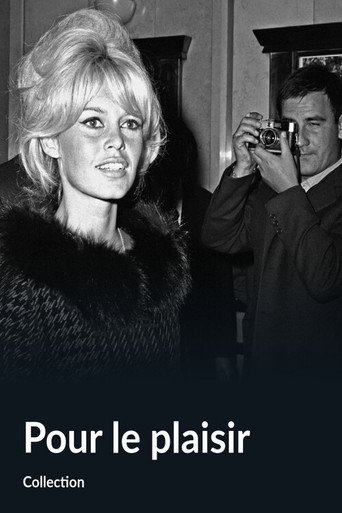 NR
NRNo synopsis available yet.
Pour le plaisir
1964
Produced for television by Claude-Jean Philippe, the « Encyclopédie audiovisuelle du cinéma », recounts the history of French cinema from its birth to the beginning of the 1960s. With commentary read by Jean Rochefort.
Encyclopédie audiovisuelle du cinéma
1978
Film credits
1960s · 2 titles
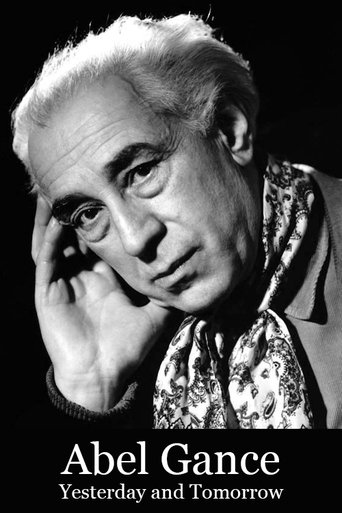 6.0
6.0The life and work of Abel Gance as told by himself. Includes extracts from many of his films and considers his contribution to the cinema.
Abel Gance, Yesterday and Tomorrow
1963
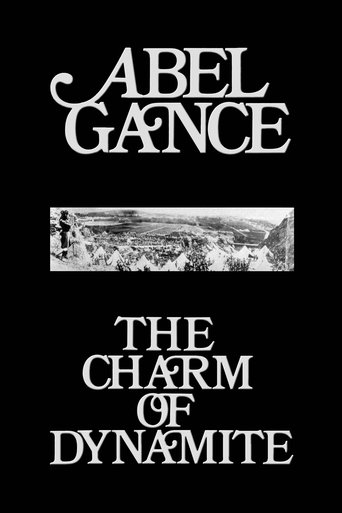 6.5
6.5BBC documentary on the long and flamboyant career of French filmmaker Abel Gance.
Abel Gance: The Charm of Dynamite
1968
1930s · 3 titles
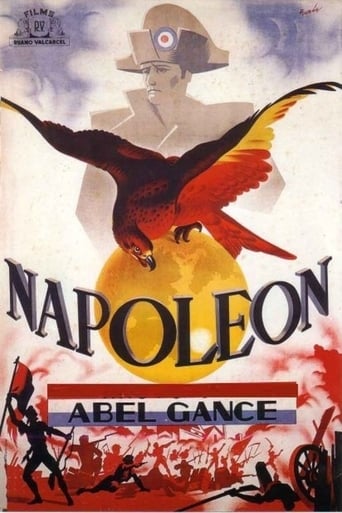 8.7
8.7A second version of Gance's Napoléon, with sound.
Napoléon Bonaparte
1935
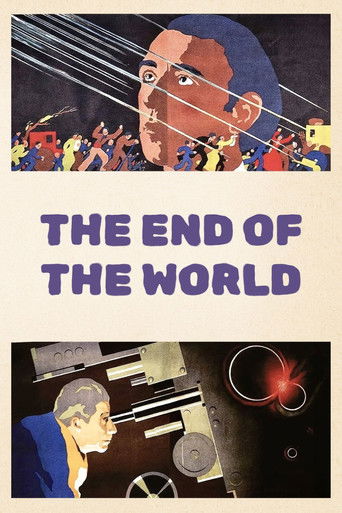 5.2
5.2The plot concerns a comet hurling toward Earth on a collision course and the different reactions to people on the impending disaster.
The End of the World
1931
 5.7
5.7A short silent documentary on the making of the 1931 Abel Gance directed film, "La Fin du Monde".
Around the End of the World
1930
1920s · 5 titles
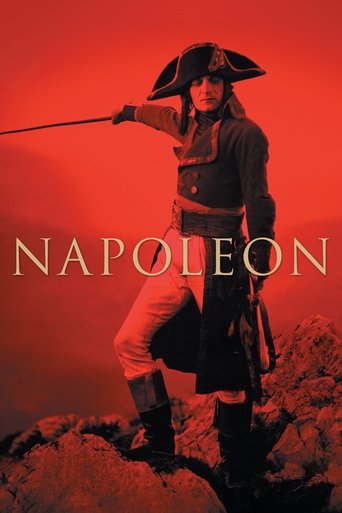 7.9
7.9A biopic of former Emperor of France, Napoleon Bonaparte, tracing the Corsican's career from his schooldays (where a snowball fight is staged like a military campaign) to his flight from Corsica, through the French Revolution (where a real storm is intercut with a political storm) and the Terror, culminating in his triumphant 1797 invasion of Italy.
Napoleon
1927
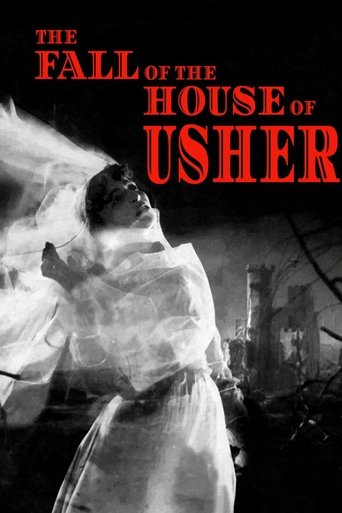 7.1
7.1A man travels to the remote and decaying mansion of his old friend Roderick Usher, who lives in isolation with his mysterious and gravely ill wife, Madeleine. As the strange atmosphere surrounding the Usher family grows increasingly unsettling, the visitor finds himself drawn into their world of obsession, illness, and supernatural dread.
The Fall of the House of Usher
1928
 7.3
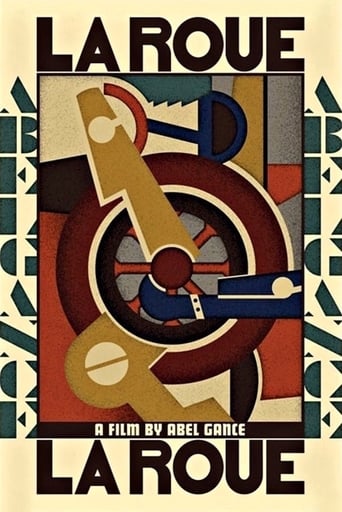
7.3Sisif, a railwayman, saves a young girl named Norma orphaned by a train crash and raises her as his own daughter alongside his son, Elie. As she becomes an adult, Sisif grapples with whether to tell Norma the truth about her parentage.
La Roue
1923
 8.0
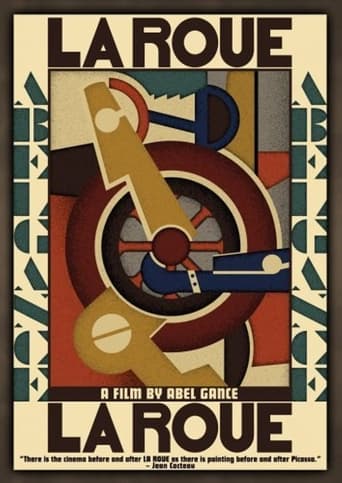
8.0Blaise Cendrars' AUTOUR DE LA ROUE (1923), a behind-the-scenes short documenting the production.
Around The Wheel
1923
 NR
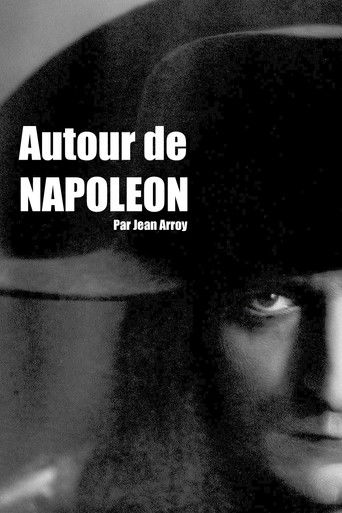
NRNo synopsis available yet.
Autour de Napoléon
1928
Series credits
9.5Marcello Mastroianni, Isabelle Adjani, Alain Delon, Martin Scorsese, Woody Allen... the biggest stars in cinema were welcomed by Christian Defaye on his show Spécial cinéma. Between intimate confessions from actors and immersion in the world of the greatest filmmakers, Christian Defaye took viewers on a journey into the fascinating world of cinema for nearly thirty years.
Spécial cinéma
1974
7.2Omnibus was an arts-based BBC television documentary series, broadcast mainly on BBC1 in the United Kingdom. The programme was the successor to the long-running arts-based series 'Monitor'. It ran from 1967 until 2003, usually being transmitted on Sunday evenings. During its 35-year history, the programme won 12 Bafta awards. Among the series' best remembered documentaries are Cracked Actor, a profile of David Bowie, and Rene Magritte, a graduate film by David Wheatley, 'Madonna: Behind the American dream', a film produced by Nadia Hagger, and a profile of the British film director Ridley Scott. For a season in 1982, the series was in a magazine format presented by Barry Norman. The series was replaced by 'Imagine' hosted by Alan Yentob.
Omnibus
1967
8.7No synopsis available yet.
Cinépanorama
1956
5.0No synopsis available yet.
Ciné regards
1978
NRNo synopsis available yet.
Pour le plaisir
1964
Produced for television by Claude-Jean Philippe, the « Encyclopédie audiovisuelle du cinéma », recounts the history of French cinema from its birth to the beginning of the 1960s. With commentary read by Jean Rochefort.
Encyclopédie audiovisuelle du cinéma
1978
Behind the camera
 6.7
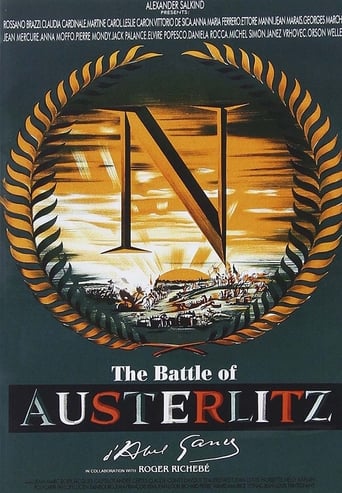
6.7Napoleon Bonaparte crowns himself emperor and fights the English, Austrians and Russians in 1802.
Austerlitz
1960
6.7Napoleon Bonaparte crowns himself emperor and fights the English, Austrians and Russians in 1802.
Austerlitz
1960
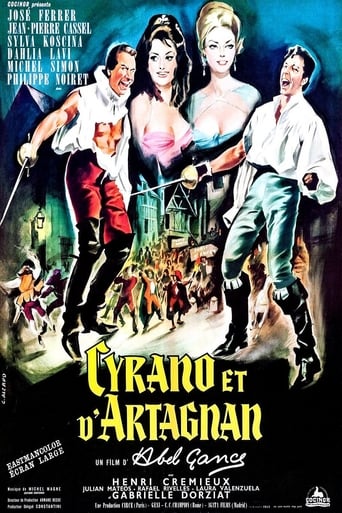 5.9
5.9In 1642, the Kingdom of France is in a state of permanent political turmoil marred by various plots. King Louis XIII is the official ruler but political power lies in the hands of wicked Cardinal Richelieu. Some take the side of the King, others the Cardinal, and a few the Queen. The Queen plots against Richelieu and intends to secretly request the help of the King of Spain. Meanwhile, two poor Frenchmen from Gascony, Cyrano de Bergerac and d'Artagnan, meet on the road to Paris where they seek fame and fortune. de Bergerac intends to serve the Queen while d'Artagnan aims to join the King's musketeers. The two become close friends and live a series of swashbuckler adventures and a few romantic exploits.
Cyrano and d'Artagnan
1964
5.9In 1642, the Kingdom of France is in a state of permanent political turmoil marred by various plots. King Louis XIII is the official ruler but political power lies in the hands of wicked Cardinal Richelieu. Some take the side of the King, others the Cardinal, and a few the Queen. The Queen plots against Richelieu and intends to secretly request the help of the King of Spain. Meanwhile, two poor Frenchmen from Gascony, Cyrano de Bergerac and d'Artagnan, meet on the road to Paris where they seek fame and fortune. de Bergerac intends to serve the Queen while d'Artagnan aims to join the King's musketeers. The two become close friends and live a series of swashbuckler adventures and a few romantic exploits.
Cyrano and d'Artagnan
1964
7.9A biopic of former Emperor of France, Napoleon Bonaparte, tracing the Corsican's career from his schooldays (where a snowball fight is staged like a military campaign) to his flight from Corsica, through the French Revolution (where a real storm is intercut with a political storm) and the Terror, culminating in his triumphant 1797 invasion of Italy.
Napoleon
1927
7.9A biopic of former Emperor of France, Napoleon Bonaparte, tracing the Corsican's career from his schooldays (where a snowball fight is staged like a military campaign) to his flight from Corsica, through the French Revolution (where a real storm is intercut with a political storm) and the Terror, culminating in his triumphant 1797 invasion of Italy.
Napoleon
1927
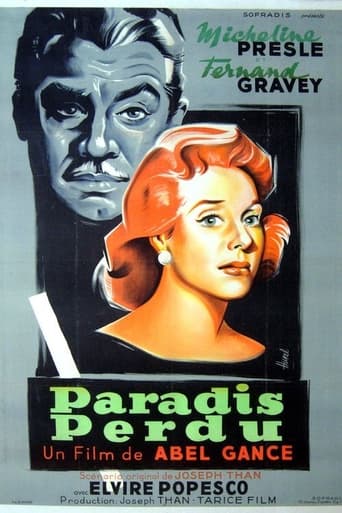 6.4
6.4In pre-World Ward I in Paris, a budding artist, Pierre LeBlanc, falls in love and marries Janine, a dressmaker's assistant. Pierre has a flair for designing clothes, and he and his bride live in a blissful paradise, until the war breaks out and he becomes a soldier. Janine dies in childbirth and, no longer desiring to live, Pierre volunteers for a dangerous patrol behind German lines. While recuperating in the hospital from a wound he received on the mission, Pierre spends his time drawing sketches of dresses. He becomes rich and famous after the war. Years later, after devoting himself to his daughter, Pierre seeks a marriage with a girl no older than his daughter. A conflict develops and to ensure his daughter's happiness, Pierre sacrifices his own plans.
Four Flights to Love
1939
6.4In pre-World Ward I in Paris, a budding artist, Pierre LeBlanc, falls in love and marries Janine, a dressmaker's assistant. Pierre has a flair for designing clothes, and he and his bride live in a blissful paradise, until the war breaks out and he becomes a soldier. Janine dies in childbirth and, no longer desiring to live, Pierre volunteers for a dangerous patrol behind German lines. While recuperating in the hospital from a wound he received on the mission, Pierre spends his time drawing sketches of dresses. He becomes rich and famous after the war. Years later, after devoting himself to his daughter, Pierre seeks a marriage with a girl no older than his daughter. A conflict develops and to ensure his daughter's happiness, Pierre sacrifices his own plans.
Four Flights to Love
1939
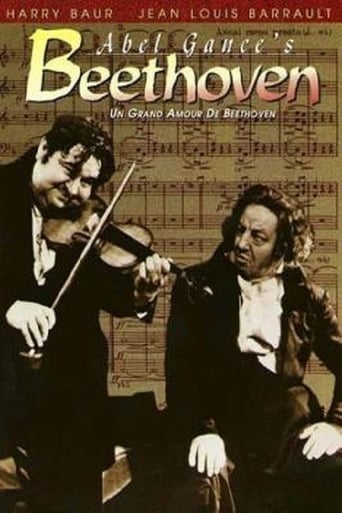 6.8
6.8Lyrical biography of the classical composer, depicted as a romantic hero, an accursed artist.
The Life and Loves of Beethoven
1937
6.8Lyrical biography of the classical composer, depicted as a romantic hero, an accursed artist.
The Life and Loves of Beethoven
1937
 6.5
6.5After serving in the trenches of World War I, Jean Diaz recoils with such horror that he renounces love and personal pleasure to immerse himself in scientific research, seeking a machine to prevent war. He thinks he has succeeded, but the government subverts his discovery, and Europe slides with seeming inevitability toward World War II. In desperation, Diaz summons the ghosts of the war dead from the graves and fields of France to give silent, accusing protest.
J'Accuse
1938
6.5After serving in the trenches of World War I, Jean Diaz recoils with such horror that he renounces love and personal pleasure to immerse himself in scientific research, seeking a machine to prevent war. He thinks he has succeeded, but the government subverts his discovery, and Europe slides with seeming inevitability toward World War II. In desperation, Diaz summons the ghosts of the war dead from the graves and fields of France to give silent, accusing protest.
J'Accuse
1938
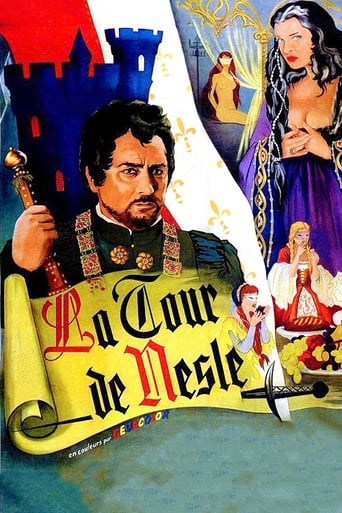 5.1
5.1France, the beginning of the XIV century. Every night, Queen Margaret of Burgundy and her two sisters arrange orgies, to which beautiful nobles are invited. The young men were brought blindfolded, and after a night of love they were killed and their corpses thrown into the river, because the queen was afraid that her husband would learn about her adventures. One of her lovers managed to escape death. He knows the secrets of the queen, knows that she once gave birth to a son from him, claims that he has evidence that Margarita wanted to kill her father and blackmails her.
Tower of Lust
1955
5.1France, the beginning of the XIV century. Every night, Queen Margaret of Burgundy and her two sisters arrange orgies, to which beautiful nobles are invited. The young men were brought blindfolded, and after a night of love they were killed and their corpses thrown into the river, because the queen was afraid that her husband would learn about her adventures. One of her lovers managed to escape death. He knows the secrets of the queen, knows that she once gave birth to a son from him, claims that he has evidence that Margarita wanted to kill her father and blackmails her.
Tower of Lust
1955
8.7A second version of Gance's Napoléon, with sound.
Napoléon Bonaparte
1935
8.7A second version of Gance's Napoléon, with sound.
Napoléon Bonaparte
1935
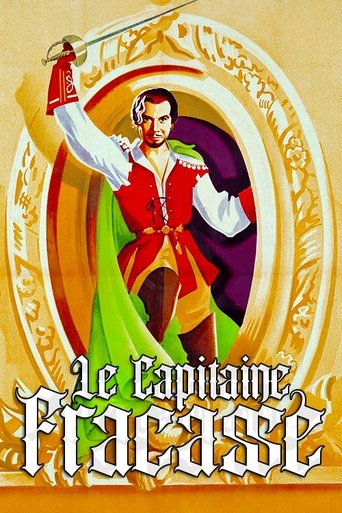 6.7
6.7Out of love for an actress, Isabelle, the Baron de Sigognac joins a traveling troop en route to Paris. When an actor dies, he takes over his role: that of Captain Fracasse.
Captain Fracasse
1943
6.7Out of love for an actress, Isabelle, the Baron de Sigognac joins a traveling troop en route to Paris. When an actor dies, he takes over his role: that of Captain Fracasse.
Captain Fracasse
1943
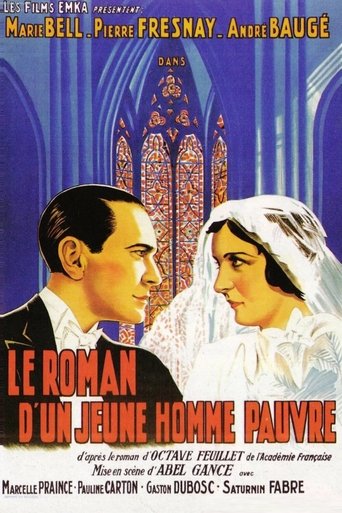 6.8
6.8Maxime de Champcey, a bankrupt marquis, is hired by the wealthy Laroque and falls for his daughter Marguerite. She loves him too but rejects him under the belief he's a fortune hunter.
The Novel of a Poor Young Man
1936
6.8Maxime de Champcey, a bankrupt marquis, is hired by the wealthy Laroque and falls for his daughter Marguerite. She loves him too but rejects him under the belief he's a fortune hunter.
The Novel of a Poor Young Man
1936
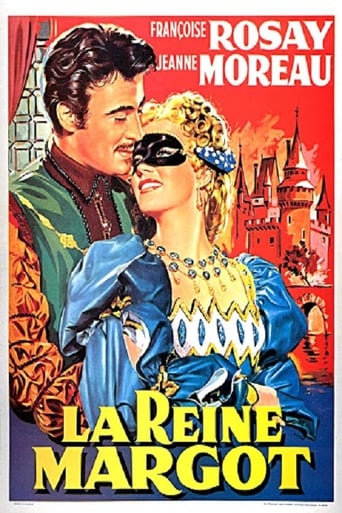 7.1
7.1Marguerite de Valois, daughter of Catherine de Médicis, celebrates her wedding with Henri de Navarre. Officially, it's a rapprochement between the League and the Huguenots. In fact, it was an opportunity to bring all the Huguenots to Paris and kill them all at once. King Charles IX fails in his attempt on Coligny's life. Queen Margot tries to save her husband from the St. Bartholomew's Day massacre by preventing the annulment of his marriage, forcing Henri to share her bed. Two knights from opposing camps are wounded and, saved în extremis, are hidden together by the queen and her cousin. Margot falls in love with one of them, but has to run to warn her husband of a new attack...
Queen Margot
1954
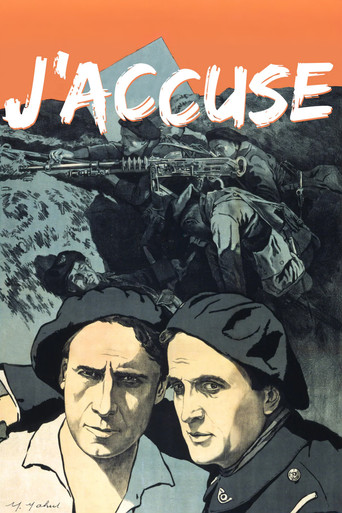 7.4
7.4The story of two men, one married, the other the lover of the other's wife, who meet in the trenches of the First World War, and how their tale becomes a microcosm for the horrors of war.
J'Accuse
1919
7.4The story of two men, one married, the other the lover of the other's wife, who meet in the trenches of the First World War, and how their tale becomes a microcosm for the horrors of war.
J'Accuse
1919
 5.3
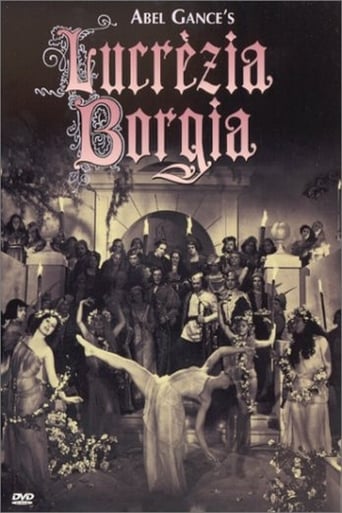
5.3French silent film pioneer Abel Gance directs this 1935 classic about Lucrezia Borgia, her brother, Cesare. and her father, Pope Alexander VI -- one of history's most ruthless and ambitious crime families.
Lucrezia Borgia
1935
5.3French silent film pioneer Abel Gance directs this 1935 classic about Lucrezia Borgia, her brother, Cesare. and her father, Pope Alexander VI -- one of history's most ruthless and ambitious crime families.
Lucrezia Borgia
1935
 10.0
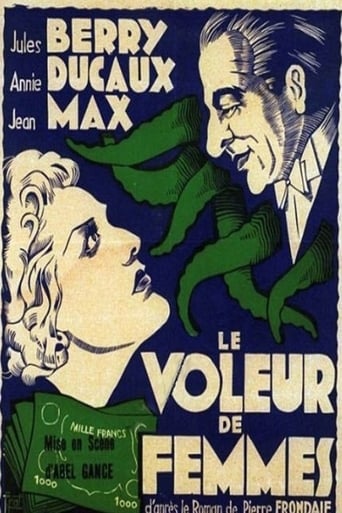
10.0The woman thief evades a young lady who is onto his game, but then tries his wiles elsewhere on a married woman by attempting to compromise and ruin the husband she is happy with.
The Woman Thief
1938
5.2The plot concerns a comet hurling toward Earth on a collision course and the different reactions to people on the impending disaster.
The End of the World
1931
5.2The plot concerns a comet hurling toward Earth on a collision course and the different reactions to people on the impending disaster.
The End of the World
1931
 NR
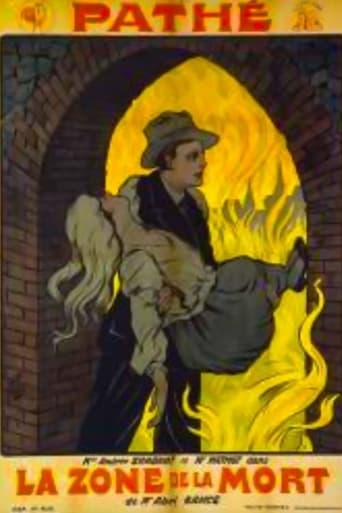
NRFrench silent film by Abel Gance. Considered lost.
The Zone of Death
1917
NRFrench silent film by Abel Gance. Considered lost.
The Zone of Death
1917
L'infirmière is a 1914 silent film.
L'infirmière
1914
 7.0
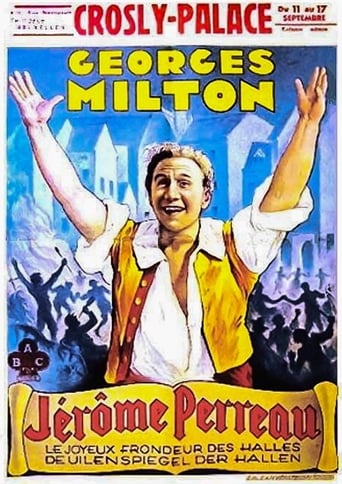
7.0A hero of the Paris streets is recruited for a conspiracy against Mazarin in the court of the King, but he reveals the subversive plot to Anne of Austria.
The Queen and the Cardinal
1935
7.0A hero of the Paris streets is recruited for a conspiracy against Mazarin in the court of the King, but he reveals the subversive plot to Anne of Austria.
The Queen and the Cardinal
1935
 5.2
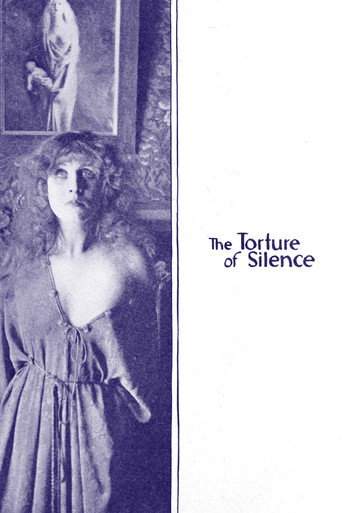
5.2A doctor, specialist in pediatrics, has no time for his wife Marthe. She seeks solace in the arms of his brother. Unable to keep up the charade, Marthe attempts to shoot herself, but it is her lover who is mortally wounded.
The Torture of Silence
1917
5.2A doctor, specialist in pediatrics, has no time for his wife Marthe. She seeks solace in the arms of his brother. Unable to keep up the charade, Marthe attempts to shoot herself, but it is her lover who is mortally wounded.
The Torture of Silence
1917
7.3Sisif, a railwayman, saves a young girl named Norma orphaned by a train crash and raises her as his own daughter alongside his son, Elie. As she becomes an adult, Sisif grapples with whether to tell Norma the truth about her parentage.
La Roue
1923
7.3Sisif, a railwayman, saves a young girl named Norma orphaned by a train crash and raises her as his own daughter alongside his son, Elie. As she becomes an adult, Sisif grapples with whether to tell Norma the truth about her parentage.
La Roue
1923
7.3Sisif, a railwayman, saves a young girl named Norma orphaned by a train crash and raises her as his own daughter alongside his son, Elie. As she becomes an adult, Sisif grapples with whether to tell Norma the truth about her parentage.
La Roue
1923
 NR
NRLa digue is a 1911 silent film
La Digue
1911
NRLa digue is a 1911 silent film
La Digue
1911