
Directing
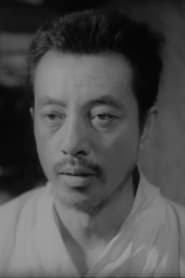
Jeon Chang-geun
Born — Died
1908-01-18 — 1973-01-19
Place of birth
Hamgyong-bukto, Protectorate Empire of Korea [now North Korea]
Known for
Directing
Credits
35 titles
Known for
 7.0
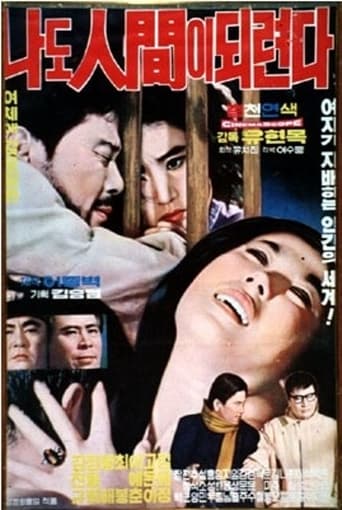
7.0Natasha, an officer at the Soviet Embassy in North Korea, is in love with Seok-bong. But Seok-bong has already planned his wedding with Bok-hui. Natasha grows jealous and threatens Bok-hui to leave somewhere else. Meanwhile Bok-hui's brother, Tae-yeong, is executed after participating in an anti-communist march. Seok-bong is accused of taking a part in the march. Seok-bong starts to feel pessimistic about his communist belief. He tries an escape to the South, but he is captured by the authority and executed.
I Want to Be Human
1969
 7.0
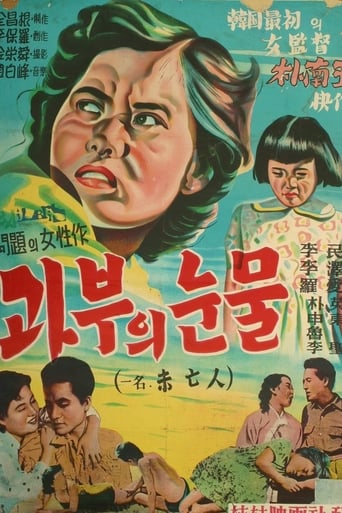
7.0Lee Shin-ja is a young widow, subject to the prejudices against her position in society. Trying to provide for her daughter as well as find love, Lee becomes entangled in the lives of her late husband's friend, his wife, and her lover.
The Widow
1955
 10.0
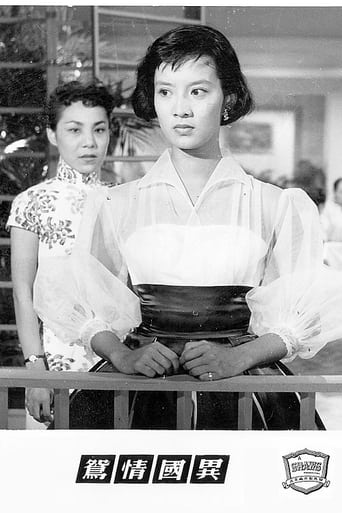
10.0A romantic melodrama about a handsome Korean composer who falls for a Hong Kong singer
Love with an Alien
1958
 8.0
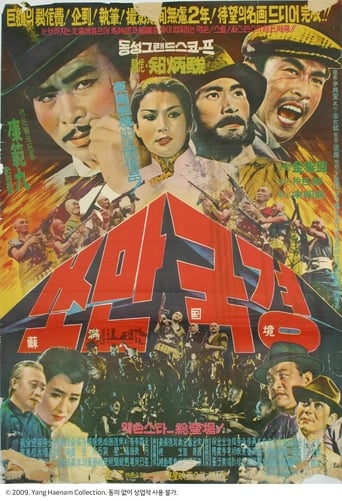
8.0Clashes between Korean Independence fighters, the retreating Japanese military, the Soviet Army, and bandits at the end of WWII.
The Soviet-Manchurian Border
1964
 4.0
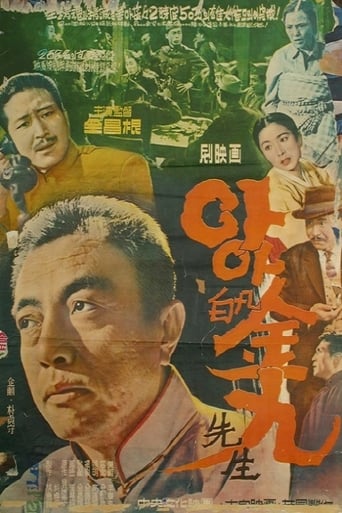
4.0Kim Chang-su, who participated in the Donghak Movement, escapes to Manchuria after being chased by the Japanese army, finally making his way home. Angered by the assassination of Empress Myeong-seong, he murders a Japanese lieutenant and is sent to jail. He escapes from prison turns his focus on the democratic movement by teaching civilians and organizing Sinminheo (a democratic organization), even changing his name to 'Kim Gu.' After he is imprisoned again, he gets out on parole and goes to China, where he participates in establishing a provisional government from which he can direct the anti-Japanese struggle. Kim Gu goes on to play a part in Yun Bong-gil's deeds in Shanghai, the events at Hongkou Park, the encounter with Jiang Jish, and the establishment of the Korean National Army, and leads the struggle for Korea's independence with warm fraternal love and clear national spirit. When Korea is liberated in August 15, 1945, he returns back to his native land.
Ah! Baekbeom Kim Ku
1960
 6.0
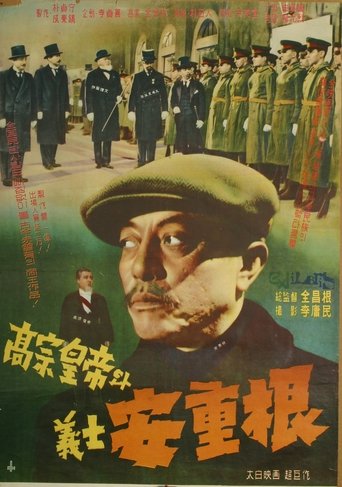
6.0At the end of the Joseon Dynasty, shortly after the Eulsa Treaty has been forced to be concluded by Ito Hirobumi and the pro-Japanese courtiers, Japan pressures King Gojong to step down from the throne. Meanwhile, An Jung-geun, who is cultivating men of ability at Samheung school, is deeply impressed by a speech made by An Chang-ho, and heads for Russia to volunteer the army fighting for independence of the country. As both a lieutenant general of the Korean militia and a commander of the Korean expeditionary force in Manchuria, he carries on the independence movement in defiance of Japanese coercion.
King Gojong and Martyr An Jung-geun
1959
Film credits
1960s · 7 titles
7.0Natasha, an officer at the Soviet Embassy in North Korea, is in love with Seok-bong. But Seok-bong has already planned his wedding with Bok-hui. Natasha grows jealous and threatens Bok-hui to leave somewhere else. Meanwhile Bok-hui's brother, Tae-yeong, is executed after participating in an anti-communist march. Seok-bong is accused of taking a part in the march. Seok-bong starts to feel pessimistic about his communist belief. He tries an escape to the South, but he is captured by the authority and executed.
I Want to Be Human
1969
8.0Clashes between Korean Independence fighters, the retreating Japanese military, the Soviet Army, and bandits at the end of WWII.
The Soviet-Manchurian Border
1964
4.0Kim Chang-su, who participated in the Donghak Movement, escapes to Manchuria after being chased by the Japanese army, finally making his way home. Angered by the assassination of Empress Myeong-seong, he murders a Japanese lieutenant and is sent to jail. He escapes from prison turns his focus on the democratic movement by teaching civilians and organizing Sinminheo (a democratic organization), even changing his name to 'Kim Gu.' After he is imprisoned again, he gets out on parole and goes to China, where he participates in establishing a provisional government from which he can direct the anti-Japanese struggle. Kim Gu goes on to play a part in Yun Bong-gil's deeds in Shanghai, the events at Hongkou Park, the encounter with Jiang Jish, and the establishment of the Korean National Army, and leads the struggle for Korea's independence with warm fraternal love and clear national spirit. When Korea is liberated in August 15, 1945, he returns back to his native land.
Ah! Baekbeom Kim Ku
1960
 7.0
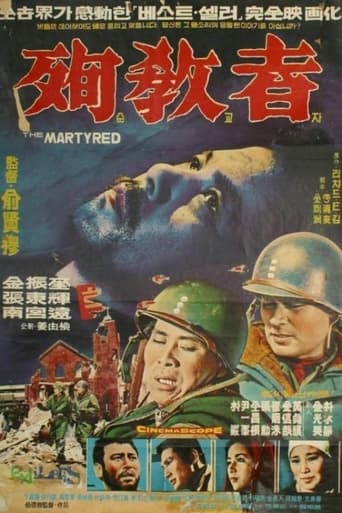
7.0Out of fourteen ministers taken away by the communist troop, only two come back alive. The mystery behind their survival is at the issue here. Told through one of the survivor's testimony, depicts images of men troubled between the war and the religion. Although laden with anti-Communist notions from the 60's military regime.
The Martyrs
1965
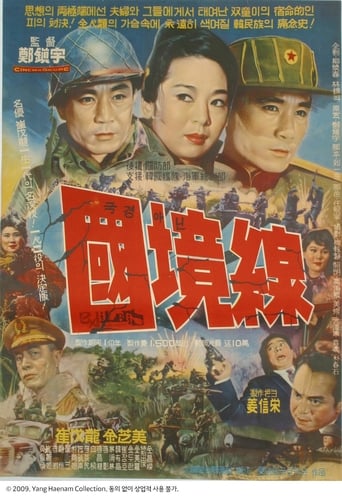 10.0
10.0A Korean family is separated during the Japanese colonial period and end up in different parts of Asia, and on different sides of the Korean Civil War.
Border Line
1964
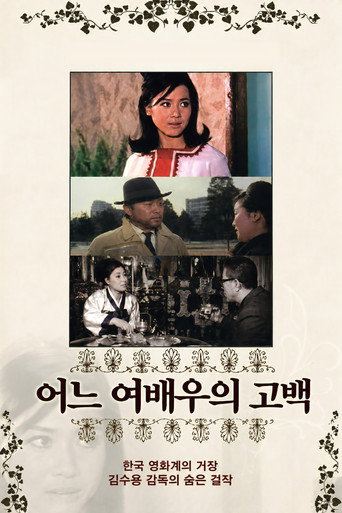 9.0
9.0Confession of an Actress is about an actor who was once a famous star. He had a daughter with an actress who he loved when he was young. His daughter became a grownup and he sacrificed himself secretly to make his daughter a star.
Confession of an Actress
1967
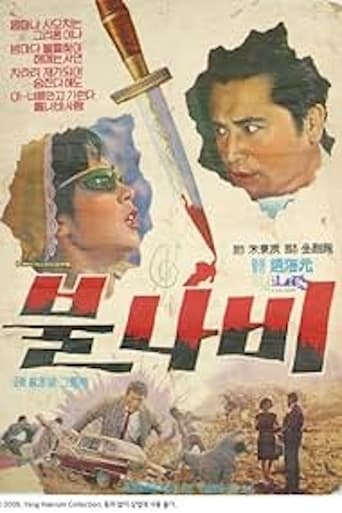 8.0
8.0A young bride becomes the prime suspect in a series of grisly murders. However, her dashing young lawyer decides to come to her rescue and begins his own investigation into the crimes in an effort to clear his client's name.
The Tiger Moth
1965
1950s · 2 titles
6.0At the end of the Joseon Dynasty, shortly after the Eulsa Treaty has been forced to be concluded by Ito Hirobumi and the pro-Japanese courtiers, Japan pressures King Gojong to step down from the throne. Meanwhile, An Jung-geun, who is cultivating men of ability at Samheung school, is deeply impressed by a speech made by An Chang-ho, and heads for Russia to volunteer the army fighting for independence of the country. As both a lieutenant general of the Korean militia and a commander of the Korean expeditionary force in Manchuria, he carries on the independence movement in defiance of Japanese coercion.
King Gojong and Martyr An Jung-geun
1959
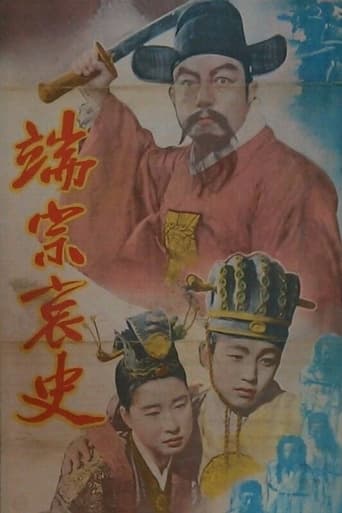 NR
NRNo synopsis available yet.
The Tragedy of King Dan Jong
1956
1940s · 2 titles
 NR
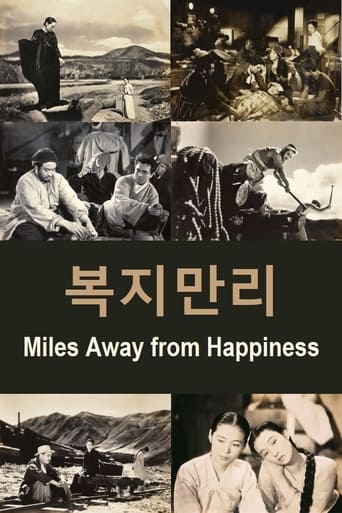
NRTo resolve the conflict between the Korean and Manchu border villages, the Korean protagonist sets fire to the Korean village and forces the Koreans and Manchus to put out the fire together.
Miles Away from Happiness
1941
 5.4
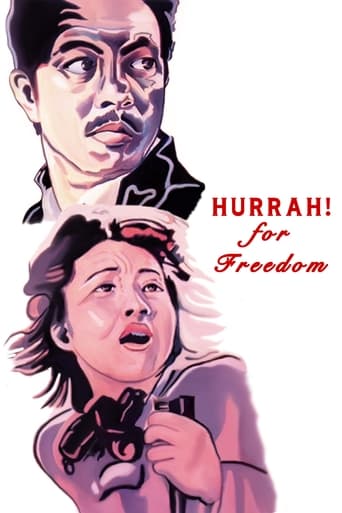
5.4During the country's occupation Choi was only allowed to make Japan-friendly films, but the plot of Hurrah! For Freedom is distinctly different, telling the story of a Korean resistance fighter in 1945.
Hurrah! For Freedom
1946
Behind the camera
7.0Lee Shin-ja is a young widow, subject to the prejudices against her position in society. Trying to provide for her daughter as well as find love, Lee becomes entangled in the lives of her late husband's friend, his wife, and her lover.
The Widow
1955
10.0A romantic melodrama about a handsome Korean composer who falls for a Hong Kong singer
Love with an Alien
1958
4.0Kim Chang-su, who participated in the Donghak Movement, escapes to Manchuria after being chased by the Japanese army, finally making his way home. Angered by the assassination of Empress Myeong-seong, he murders a Japanese lieutenant and is sent to jail. He escapes from prison turns his focus on the democratic movement by teaching civilians and organizing Sinminheo (a democratic organization), even changing his name to 'Kim Gu.' After he is imprisoned again, he gets out on parole and goes to China, where he participates in establishing a provisional government from which he can direct the anti-Japanese struggle. Kim Gu goes on to play a part in Yun Bong-gil's deeds in Shanghai, the events at Hongkou Park, the encounter with Jiang Jish, and the establishment of the Korean National Army, and leads the struggle for Korea's independence with warm fraternal love and clear national spirit. When Korea is liberated in August 15, 1945, he returns back to his native land.
Ah! Baekbeom Kim Ku
1960
6.0At the end of the Joseon Dynasty, shortly after the Eulsa Treaty has been forced to be concluded by Ito Hirobumi and the pro-Japanese courtiers, Japan pressures King Gojong to step down from the throne. Meanwhile, An Jung-geun, who is cultivating men of ability at Samheung school, is deeply impressed by a speech made by An Chang-ho, and heads for Russia to volunteer the army fighting for independence of the country. As both a lieutenant general of the Korean militia and a commander of the Korean expeditionary force in Manchuria, he carries on the independence movement in defiance of Japanese coercion.
King Gojong and Martyr An Jung-geun
1959
6.0At the end of the Joseon Dynasty, shortly after the Eulsa Treaty has been forced to be concluded by Ito Hirobumi and the pro-Japanese courtiers, Japan pressures King Gojong to step down from the throne. Meanwhile, An Jung-geun, who is cultivating men of ability at Samheung school, is deeply impressed by a speech made by An Chang-ho, and heads for Russia to volunteer the army fighting for independence of the country. As both a lieutenant general of the Korean militia and a commander of the Korean expeditionary force in Manchuria, he carries on the independence movement in defiance of Japanese coercion.
King Gojong and Martyr An Jung-geun
1959
 NR
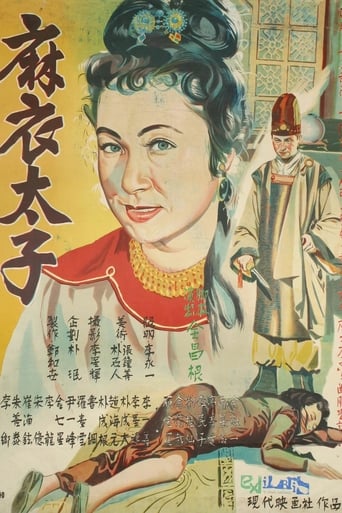
NRPrince Kim Chu, last prince of the Silla Kingdom, falls in love with an enemy princess. Because this is not allowed, he must renounce his heredity and retire to Mt. Chiaksan.
Prince in Yam Clothes
1956
NRNo synopsis available yet.
The Tragedy of King Dan Jong
1956
After liberation, a young Korean man who had been sent to Japan for forced labor returns to his homeland. He tried to come to Seoul and make a success of himself, but couldn't find work and often went hungry, sleeping on the streets. In the end, he returns to his native village to devote his life to farming.
My Liberated Country
1947
After liberation, a young Korean man who had been sent to Japan for forced labor returns to his homeland. He tried to come to Seoul and make a success of himself, but couldn't find work and often went hungry, sleeping on the streets. In the end, he returns to his native village to devote his life to farming.
My Liberated Country
1947
After liberation, a young Korean man who had been sent to Japan for forced labor returns to his homeland. He tried to come to Seoul and make a success of himself, but couldn't find work and often went hungry, sleeping on the streets. In the end, he returns to his native village to devote his life to farming.
My Liberated Country
1947
NRTo resolve the conflict between the Korean and Manchu border villages, the Korean protagonist sets fire to the Korean village and forces the Koreans and Manchus to put out the fire together.
Miles Away from Happiness
1941
NRTo resolve the conflict between the Korean and Manchu border villages, the Korean protagonist sets fire to the Korean village and forces the Koreans and Manchus to put out the fire together.
Miles Away from Happiness
1941
5.4During the country's occupation Choi was only allowed to make Japan-friendly films, but the plot of Hurrah! For Freedom is distinctly different, telling the story of a Korean resistance fighter in 1945.
Hurrah! For Freedom
1946
 NR
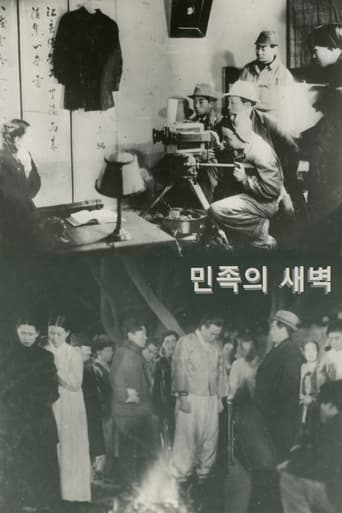
NRNo synopsis available yet.
Dawn of Nation
1947
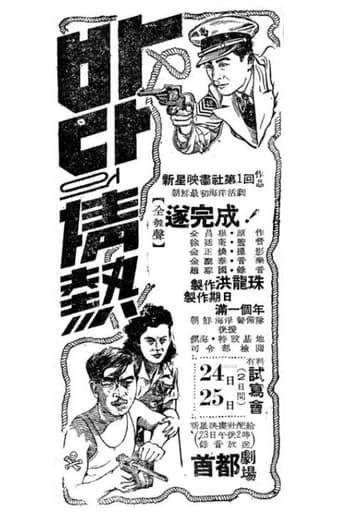 NR
NRNo synopsis available yet.
바다의 정열
1947
 NR
NRAfter graduating from university, Il-ryeong goes back to his hometown, a small village beside the Nakdong River. Ok-nam is his lover and a teacher in his hometown. He cooperates with her in order to enlighten the people and to improve the village. Nakdong River is, along with The Street of Sun (1952) and A Bouquet of Thirty Million People (1951), one of the important films made during the Korean War that the Korean Film Archive has rediscovered and made available to the public.
Nakdong River
1952
NRAfter graduating from university, Il-ryeong goes back to his hometown, a small village beside the Nakdong River. Ok-nam is his lover and a teacher in his hometown. He cooperates with her in order to enlighten the people and to improve the village. Nakdong River is, along with The Street of Sun (1952) and A Bouquet of Thirty Million People (1951), one of the important films made during the Korean War that the Korean Film Archive has rediscovered and made available to the public.
Nakdong River
1952
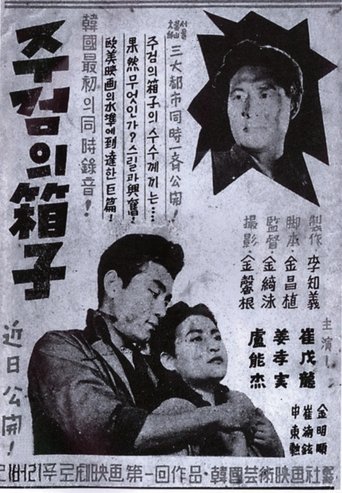 5.0
5.0A village youth gets trapped inside a communist hideout with his home made timebomb and must escape before it goes off.
Boxes of Death
1955
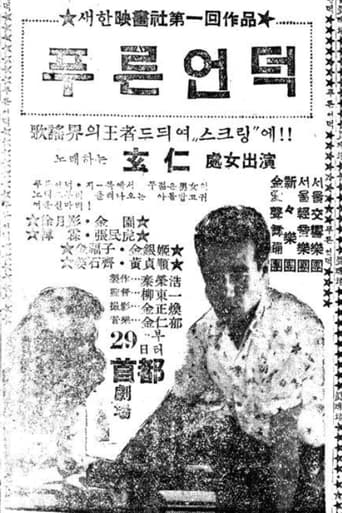 NR
NRNo synopsis available yet.
The Blue Hill
1949
No synopsis available yet.
그 얼굴
1948
No synopsis available yet.
그 얼굴
1948
No synopsis available yet.
민족의 성벽
1947
No synopsis available yet.
민족의 성벽
1947
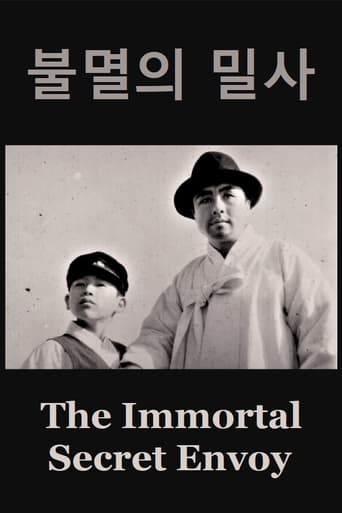 NR
NRNo synopsis available yet.
불멸의 밀사
1947