
Known for
No synopsis available yet.
V službách zákona
1983
This five-part TV film tells the story of Jan Daňo, a shepherd, and his two daughters.
Nepokojná láska
1975
 7.0
7.0In Slovakia, they often and gladly honored those soldiers who refused to serve the fascist regime and stood against it. Lieutenant Kukorelli also rejected the tempting career of a pilot, instead helping the resistance fighters and later participating in the Slovak National Uprising.
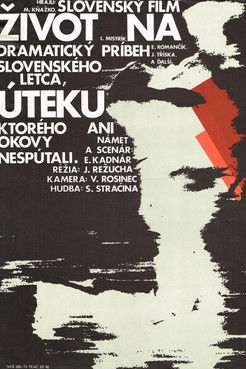
Život na úteku
1976
 5.7
5.7The drama of a young Slovak army officer who gradually realises the horrors of fascism during the fighting in Ukraine. On his return to Slovakia, he joins the SNP. However, he cannot overcome his loner attitude or his doubts about the meaning of partisan activity.
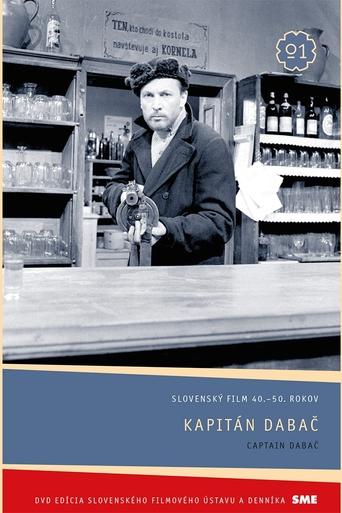
Kapitán Dabač
1959
No synopsis available yet.
Brána k domovu
1975
No synopsis available yet.
Vrabce z Tŕnia
1984
Film credits
1990s · 2 titles
1980s · 9 titles
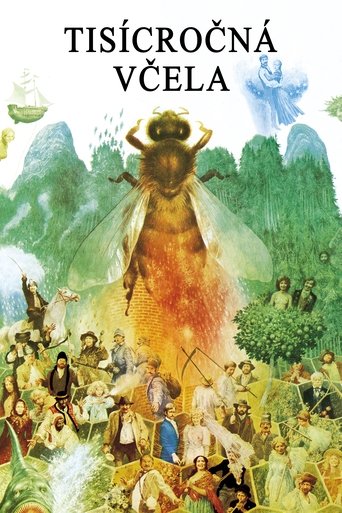 6.3
6.3A family saga taking place mostly in a small Slovak village over a period of thirty years (1887–1917). The first part captures the life of Martin Pichandu in the development of his craft, masonry; in the second part, his son is center stage living in a period of socio-political crisis, which ultimately results in the first World War. After originally airing on Czechoslovakian television in 1983 as a four-part 226-minute mini-series, this production received a 163-minute theatrical release in 1984.
The Millennial Bee
1983
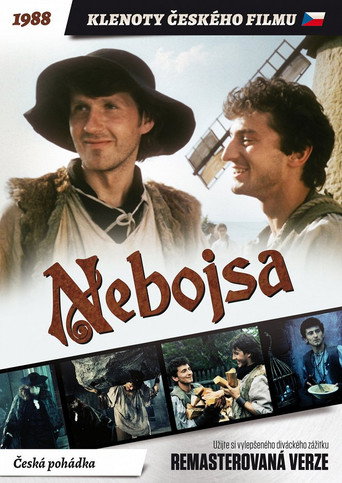 NR
NRNebojsa was the nickname given to a young man who was not afraid of anything. One day he heard that a cursed princess lived in a castle. Whoever could uncurse her would have her as his wife and half the kingdom. Dear Nebojsa went out into the world to try his luck. He experienced many adventures until he reached the goal of his journey. But the greatest danger awaited him in the mysterious castle. If he wanted to uncurse the princess, he had to fulfill a difficult condition: no matter what evil was done around him and to him, he was not allowed to reveal, even with a word, that he was afraid. Well, he certainly wouldn't be Nebojsa if he didn't fulfill this task. And so he won the princess and the kingdom.
Don’t Be Afraid
1981
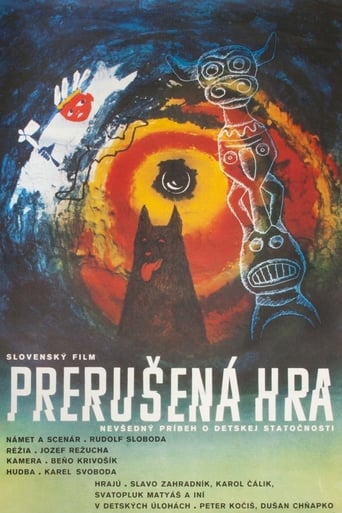 7.5
7.5While playing Indians two Czechoslovak pioneers are captured by the criminal who wants to cross the border illegally.
A Suspended Game
1980
 10.0
10.0No synopsis available yet.
Cnostný Metod
1980
No synopsis available yet.
Najatý klaun
1981
No synopsis available yet.
Dievča do dažďa
1981
No synopsis available yet.
Krásna múdrosť
1982
No synopsis available yet.
Manduľa
1981
No synopsis available yet.
Kirchhoffov zákon
1984
1970s · 18 titles
7.0In Slovakia, they often and gladly honored those soldiers who refused to serve the fascist regime and stood against it. Lieutenant Kukorelli also rejected the tempting career of a pilot, instead helping the resistance fighters and later participating in the Slovak National Uprising.
Život na úteku
1976
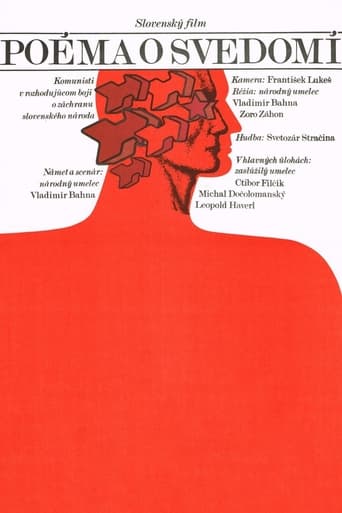 10.0
10.0Historical reconstruction of the events of the anti-fascist struggle in Slovakia in 1943 and 1944.
Poéma o svedomí
1979
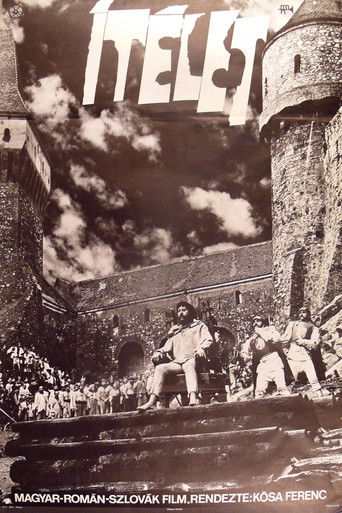 5.2
5.2The film is a historic parable about the topicality of revolution. 1514. The peasants' uprising is over, Dózsa has been arrested. Werbőczy tries to get the imprisoned peasant leader deny the revolution and offers him the lives of his people in exchange.
Judgement
1970
No synopsis available yet.
Sezam, otvor sa!
1974
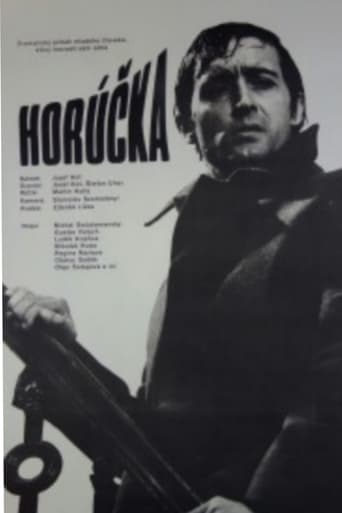 NR
NRA psychological story of a young printing house leader and his subordinates and a "dangerous contract from the West".
Horúčka
1975
 8.0
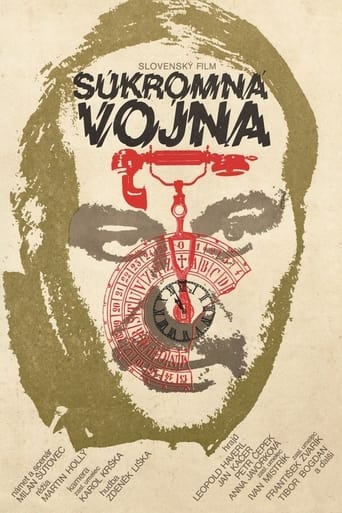
8.0Slovak psychological drama from the end of World War II. The plot of the film takes place in a short period of time just before the outbreak of the uprising. It is the story of a man who wages his "private" war against the man who is responsible for the serious injury of his brother. The upcoming Slovak National Uprising becomes the backdrop for a model-built story that touches on stubborn personal revenge in a situation of war conflict, when human life loses all value. The actions of the main character thus sound like increasingly absurd actions, his motives and the impact of his actions are relativized, the very legitimacy of such a belief appears shaky.
Súkromná vojna
1978
Slovakian villagers towards the end of WW II are despairing as German troops fall back to their village.
Big Night and Big Day
1975
 NR
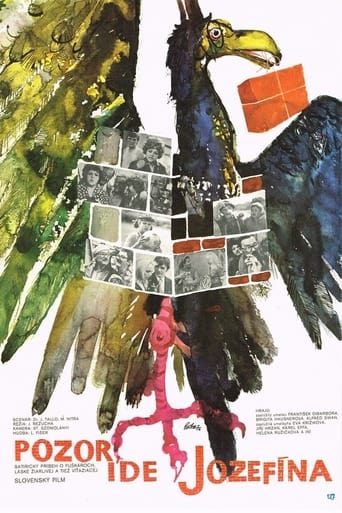
NRA satirical story about a young teacher, Josefína, who resolutely embarks on a fight against a group of bricklayers who demand exorbitant prices for their dubious and poor-quality services and, under the pretext of helping, rob the inhabitants of a western Slovak village...
Pozor, ide Jozefína...
1977
The plot takes place in the revolutionary year of 1848. It takes us to Príbelice, where Janko Kráľ returns from Pest after the March Revolution, to acquaint the Slovak people with the famous Twelve Points, together with his friend, teacher Ján Rotarides. They were voted on at the last Hungarian Diet in Bratislava with the promise of freedom and equality for Slovaks.
Príbelská vzbura Janka Kráľa
1978
 7.0
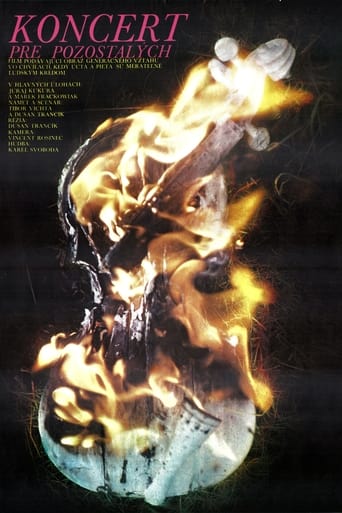
7.0A picture of generational confrontations between children and parents. A young and ambitious violin virtuoso, Peter, lives in long-lasting conflicts with his father. Only after his death Peter realizes how much he had been hurting his father. Still, not even the tragedy can make a change in his shallow life in stereotype.
Concert for the Survivors
1977
The myth of the anti-fascist resistance in Slovakia was one of the important themes of normalization cinema, of course, treated with an emphasis on the leading role of the communists. This primitively illustrative film depicts the heroic enthusiasm shown by the members of the resistance group, heroically and with constant commitment of life fighting against the treacherous police of the Slovak state and ultimately against the German Gestapo.
Do posledného dychu
1976
No synopsis available yet.
Ešte sa nevraciam
1976
No synopsis available yet.
Frndolína
1979
No synopsis available yet.
Krčmársky kráľ
1971
No synopsis available yet.
Prvá vina odpustená...
1979
 8.0
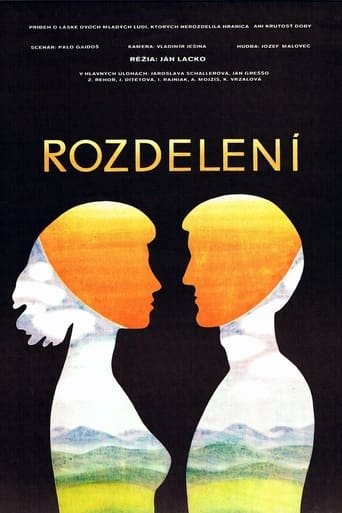
8.0A story about the love of two young people who were not divided by borders or the cruelty of time.
Rozdelení
1977
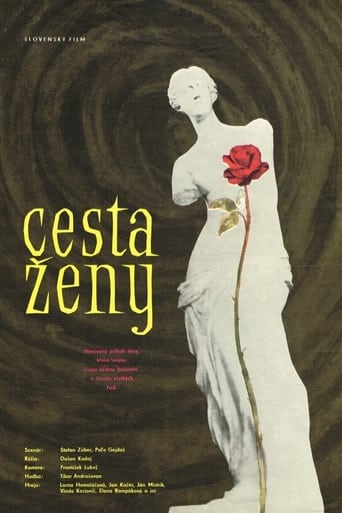 7.0
7.0A chronicle of dramatic events capturing the fates of people living in a Slovak village just after World War II. Thirty years later, the main character Anna recalls a decision that fundamentally changed her life. During the period of incipient collectivization, she chose happiness and a difficult life with a poor man founding a cooperative in the village, although this significantly weakened her relationship with her own mother and at the same time interrupted a long-standing tradition in relation to the preservation of family property.
Cesta ženy
1975
No synopsis available yet.
Javorová fujarka
1973
1960s · 5 titles
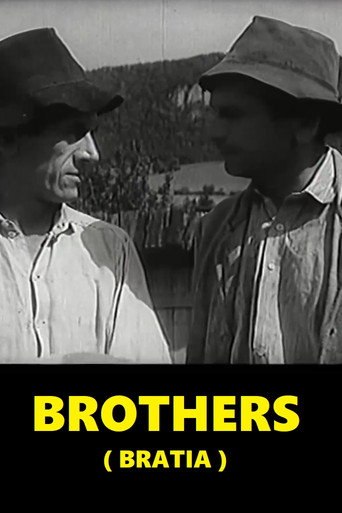 9.0
9.0A bricklayer, Jozef Haviar, decides to live with his family on the small farm of his father through the difficult years of the economic crisis. But on his return to his father's house he gets into a conflict with his brother. The life-and-death conflict between the two brothers documents the difficult situation of Slovak country life in the 1930s, the time of economic depression.
Brothers
1962
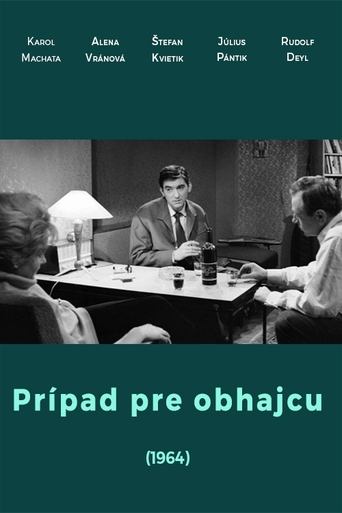 8.0
8.0A psychological drama from the judiciary. Lawyer Kolár handles the case of the rape and murder of a fourteen-year-old girl and tries to remove the fifteen-year-old boy from suspicion and subsequent conviction based on discrepancies in the case file.
Prípad pre obhajcu
1964
Slovak partisans, bravely fighting against Nazi superiority, would never have succeeded to such an extent if they had not been supported by the villagers. Despite the threat of repression, it is the villagers who care for the wounded, hide them, and behave conscientiously. Although the film was made in the late 1960s, it fully adopts the patterns of partisan stories, perhaps the only thing it can be credited with is a more developed sense of authenticity in the story, characters, and setting.
Stopy na Sitne
1969
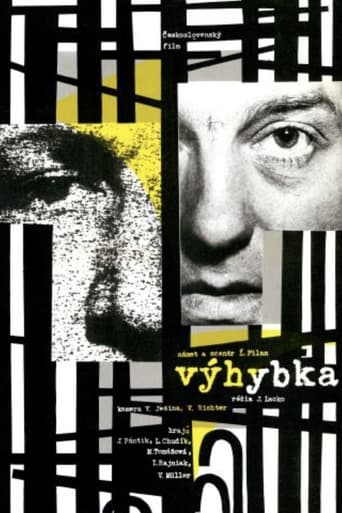 NR
NRA story of two old friends, who after ten years - one as the deputy director and the other as the chairman of the party organization - meet on a large construction site.
Výhybka
1963
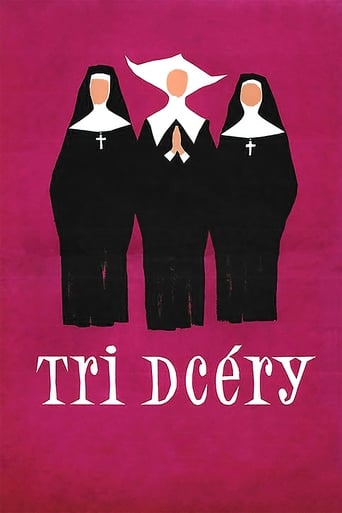 7.7
7.7A classical ballad motif about an aging father and his three daughters is quite unusually here set against the backdrop of Czechoslovakia of the 1950s. After having been expropriated, the former landowner Majda seeks refuge with his three daughters whom he had sent to a convent a long time ago. But only the youngest one is able to forgive him and she is willing to take care of him despite the threat of expulsion from the order.
Three Daughters
1968
1950s · 3 titles
5.7The drama of a young Slovak army officer who gradually realises the horrors of fascism during the fighting in Ukraine. On his return to Slovakia, he joins the SNP. However, he cannot overcome his loner attitude or his doubts about the meaning of partisan activity.
Kapitán Dabač
1959
Historical satire from the first half of the 19th century, which captures the decay and decline of the landed estate. The impoverished peasants still seem to adhere to the old principles of peasant honor and glory, but the elections will show how easy it is to buy knightly qualities.
Earthly Honor
1958
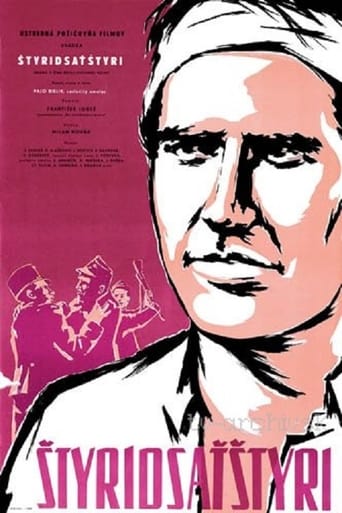 6.0
6.0Drama about the rebellion of the Trencín Infantry Regiment against its superior officers in the Serbian city of Kragujevac, at the end of the First World War. It was the biggest and deadliest rebellion in the Austro-Hungarian army.
Štyridsaťštyri
1958
Series credits
No synopsis available yet.
V službách zákona
1983
This five-part TV film tells the story of Jan Daňo, a shepherd, and his two daughters.
Nepokojná láska
1975
No synopsis available yet.
Brána k domovu
1975
No synopsis available yet.
Vrabce z Tŕnia
1984
No synopsis available yet.
Na baňu klopajú
1981
No synopsis available yet.
Rozprávanie kvetu kamélie
1985
No synopsis available yet.
Stretnutie pod starou píniou
1984
No synopsis available yet.
V tieni vlkov
1972
No synopsis available yet.
Dobrí ľudia ešte žijú
1979
No synopsis available yet.
Keď radí strach
1984