
Directing
Adolf Lachkovič
Born — Died
1931-10-28 — 2011-03-12
Known for
Directing
Credits
4 titles
Known for
The dramatic story of the life of Slovak boatmen on the Danube during World War II is depicted through the eyes of a six-year-old boy who is forced by the events of the war to spend a dark time with his grandparents in the village. Despite the fairy-tale-sounding title, this film takes place at the end of the war in the Slovak countryside during World War II, and its child hero is the son of a Danube boatman who experiences incredible adventures. The Little Lifeguard's Lamp ranks among children's films that seek speciality in the realities of war. It explores both a children's world with a shifted lens of perception and the impact of battles interfering in the lives of the youngest.
Lampáš malého plavčíka
1984
 4.6
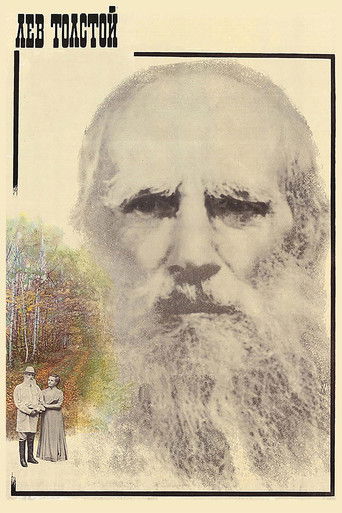
4.6This is the story of last years of Leo Tolstoy's life at his mansion in Yasnaya Polyana. He is surrounded by his family, friends, acquaintances and absolute strangers who are coming to the great man and artist from all over the world. But in his sleepless nights he dreams about his happy youthful years and the crucial, hard ones. And everything ends with his tragic departure from Yasnaya Polyana and his death at an obscure little station of Astapovo.
Lev Tolstoy
1984
 4.3
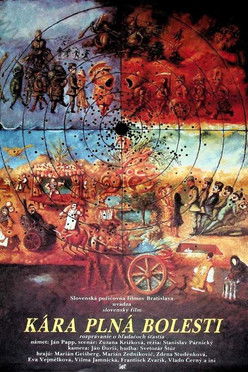
4.3War takes its cruel toll, which everyone must pay. It hits a small Slovak village especially hard, where the struggle for a bare life becomes a test of human character. For two impoverished friends, Jakub and Maja, struggling through poverty is more than difficult. Jakub delivers sour milk from somewhere on his cart to the entire village and lives in a dilapidated house with his sister Tereza, whose caregiver and guide through life is the experienced woman Mara, who provides herself with money from seduced soldiers. Maja, on the other hand, is a foundling and homeless man who does whatever he can to survive the next day. The only consolation for the two inseparable friends are the circulating tales of a kind of promised land, where there is no poverty or hunger, and where they could both go. Only this vision, this idea alone keeps the two of them and the rest of the village on their feet, and gives them hope for a better tomorrow.
Kára plná bolesti
1986
A tragicomic story about the "hug" that all the characters long for, especially sociologist Oskar, an indecisive loser whose daily bizarre encounters with old people in nursing homes lead to feelings of futility, emptiness, and loss of vital energy, which reinforce his refusal to bring a child into this meaningless world. However, his wife's desire for motherhood grows.
Skús ma objať
1991
Film credits
1980s · 3 titles
The dramatic story of the life of Slovak boatmen on the Danube during World War II is depicted through the eyes of a six-year-old boy who is forced by the events of the war to spend a dark time with his grandparents in the village. Despite the fairy-tale-sounding title, this film takes place at the end of the war in the Slovak countryside during World War II, and its child hero is the son of a Danube boatman who experiences incredible adventures. The Little Lifeguard's Lamp ranks among children's films that seek speciality in the realities of war. It explores both a children's world with a shifted lens of perception and the impact of battles interfering in the lives of the youngest.
Lampáš malého plavčíka
1984
4.6This is the story of last years of Leo Tolstoy's life at his mansion in Yasnaya Polyana. He is surrounded by his family, friends, acquaintances and absolute strangers who are coming to the great man and artist from all over the world. But in his sleepless nights he dreams about his happy youthful years and the crucial, hard ones. And everything ends with his tragic departure from Yasnaya Polyana and his death at an obscure little station of Astapovo.
Lev Tolstoy
1984
4.3War takes its cruel toll, which everyone must pay. It hits a small Slovak village especially hard, where the struggle for a bare life becomes a test of human character. For two impoverished friends, Jakub and Maja, struggling through poverty is more than difficult. Jakub delivers sour milk from somewhere on his cart to the entire village and lives in a dilapidated house with his sister Tereza, whose caregiver and guide through life is the experienced woman Mara, who provides herself with money from seduced soldiers. Maja, on the other hand, is a foundling and homeless man who does whatever he can to survive the next day. The only consolation for the two inseparable friends are the circulating tales of a kind of promised land, where there is no poverty or hunger, and where they could both go. Only this vision, this idea alone keeps the two of them and the rest of the village on their feet, and gives them hope for a better tomorrow.
Kára plná bolesti
1986