
Acting
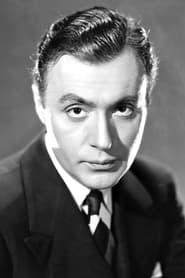
Charles Boyer
Born — Died
1899-08-28 — 1978-08-26
Place of birth
Figeac, Lot, Midi-Pyrénées, France
Known for
Acting
Credits
101 titles
Charles Boyer (28 August 1899 – 26 August 1978) was a French actor who appeared in more than 80 films between 1920 and 1976. After receiving an education in drama, Boyer started on the stage, but he found success in movies during the 1930s. His memorable performances were among the era's most highly praised romantic dramas, Algiers (1938) and Love Affair (1939). Another famous role was in the 1944 mystery-thriller Gaslight. He received four Academy Award nominations for Best Actor.
Known for
 7.0
7.0Four panelists must determine guests' occupations - and, in the case of famous guests, while blindfolded, their identity - by asking only "yes" or "no" questions.
What's My Line?
1950
 7.0
7.0An annual awards ceremony recognizing excellence in film and television, both domestic and foreign, bestowed by the Hollywood Foreign Press Association.
Golden Globe Awards
1944
 6.8
6.8Four Star Playhouse is an American television anthology series that ran from 1952 to 1956, sponsored in its first bi-weekly season by The Singer Company; Bristol-Myers became an alternate sponsor when it became a weekly series in the fall of 1953. The original premise was that Charles Boyer, Ida Lupino, David Niven, and Dick Powell would take turns starring in episodes. However, several other performers took the lead from time to time, including Ronald Colman and Joan Fontaine. Blake Edwards was among the writers and directors who contributed to the series. Edwards created the recurring character of illegal gambling house operator Willie Dante for Dick Powell to play on this series. The character was later revamped and spun off in his own series starring Howard Duff, then-husband of Lupino. The pilot for Meet McGraw, starring Frank Lovejoy, aired here, as did another episode in which Lovejoy recreated his role of Chicago newspaper reporter Randy Stone, from the radio drama Nightbeat.
Four Star Playhouse
1952
 7.9
7.9Cuban Bandleader Ricky Ricardo would be happy if his wife Lucy would just be a housewife. Instead she tries constantly to perform at the Tropicana where he works, and make life comically frantic in the apartment building they share with landlords Fred and Ethel Mertz, who also happen to be their best friends.
I Love Lucy
1951
 7.0
7.0The Bob Hope Show hosted by Bob Hope, debuted on April 9, 1950. During the 1952-1953 season, NBC rotated with other variety shows in a Sunday night block known as "The Colgate Comedy Hour" (Sept. 1950 to Dec. 1955). Also known as, "The Chevy Show with Bob Hope." When the first special debuted in October of 1950 it was the most expensive television program made up to that point - costing an astronomical $1,500 a minute to produce. Bob Hope had his own television show and radio show at the same time. For the next three seasons, The Bob Hope Show was broadcast once a month on Tuesday nights, giving Milton Berle a week off. Bob ended his radio show in April, 1956. Bob Hope also had another show by a similar name, "The Bob Hope Show (All Star Revue)". In addition, he performed in "Specials" for many years. It is the longest running variety program in television's history with a record of 45 years of televised entertainment.
The Bob Hope Show
1950
 6.8
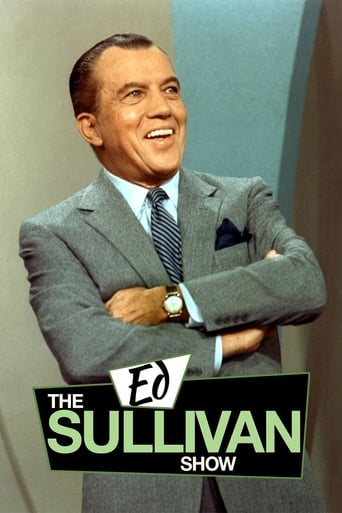
6.8The Ed Sullivan Show is an American TV variety show that originally ran on CBS from Sunday June 20, 1948 to Sunday June 6, 1971, and was hosted by New York entertainment columnist Ed Sullivan. It was replaced in September 1971 by the CBS Sunday Night Movie, which ran only one season and was eventually replaced by other shows. In 2002, The Ed Sullivan Show was ranked #15 on TV Guide's 50 Greatest TV Shows of All Time.
The Ed Sullivan Show
1948
Film credits
1990s · 2 titles
 6.8
6.8HOLLYWOOD. Tinseltown. Land of the stars. A city where an actor can reach the greatest heights overnight - and descend just as rapidly. What goes up must come down, and Hollywood's failing stars leave a legacy of sadness, pain and disappointment in their wake. Here, in graphic detail, are the shocking stories behind the deaths of the silver screen's most beloved celebrities, as well as it's lesser known players. Packed with stunning newsreel footage, and previously unrevealed facts, DEATH IN HOLLYWOOD documents many a celebrity's morbid demise due to suicide, drug and alcohol abuse, disease, and even murder. From the outrageous to the tragic, DEATH IN HOLLYWOOD leaves no tombstone unturned in it's quest to dig up the truth about Hollywood's dearly departed.
Death In Hollywood
1990
 8.3
8.3An unprecedented anthology of never-before-told true stories by and about some of Hollywood's most interesting stars, legends, and wannabes, and takes readers inside Hollywood's inner sanctum to show how casting decisions are made, who makes them, and who has the final word.
The Casting Couch
1995
1970s · 4 titles
 5.9
5.9Biarritz, 1933. Charm and talent assist small-time swindler Serge Alexandre, alias Stavisky, to bribe his way into the centre of French politics. But when his great scam involving millions is exposed, he brings the government to the verge of collapse and the country to the brink of civil war.
Stavisky...
1974
 5.4
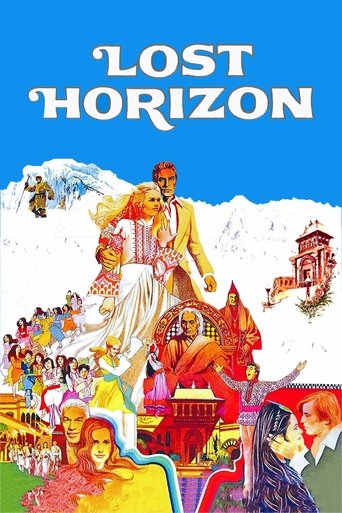
5.4While escaping war-torn China, a group of Europeans crash in the Himalayas, where they are rescued and taken to the mysterious Valley of the Blue Moon, Shangri-La.
Lost Horizon
1973
 7.4
7.4A documentary about the glorious history of Metro-Goldwyn-Mayer Studios and its decline leading to the sale of its back lot and props. By extension this provides a general history of Hollywood's Golden Age and the legendary studio system.
Hollywood: The Dream Factory
1972
 5.1
5.1During a press conference, international star Nina remembers simpler times, flashing back to her days as a maid in a run-down Italian hotel. As a young woman, Nina befriends Contessa Sanziani, an elderly woman who entertains Nina with memories of her vibrant, wealthy life with Count Sanziani. Inspired by her tales of success, young Nina fantasizes about her own adventures and seeks to find the same excitement in her life.
A Matter of Time
1976
1960s · 12 titles
 5.2
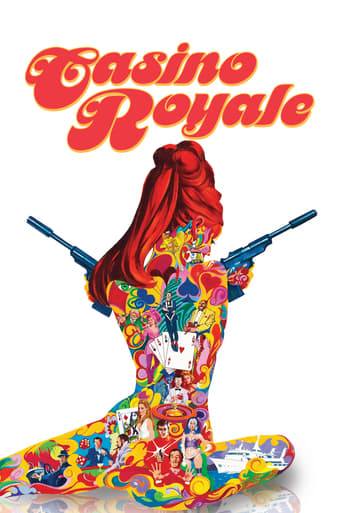
5.2Sir James Bond is called back out of retirement to stop SMERSH. In order to trick SMERSH, James thinks up the ultimate plan - that every agent will be named 'James Bond'. One of the Bonds, whose real name is Evelyn Tremble is sent to take on Le Chiffre in a game of baccarat, but all the Bonds get more than they can handle.
Casino Royale
1967
 7.1
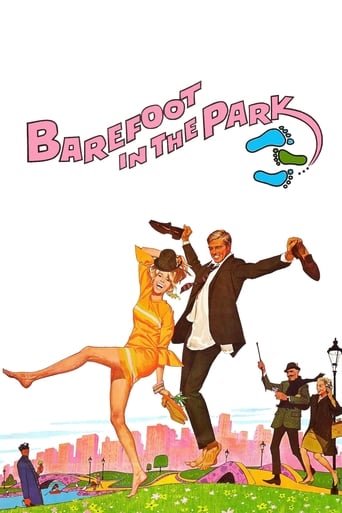
7.1In this film based on a Neil Simon play, newlyweds Corie, a free spirit, and Paul Bratter, an uptight lawyer, share a sixth-floor apartment in Greenwich Village. Soon after their marriage, Corie tries to find a companion for mother, Ethel, who is now alone, and sets up Ethel with neighbor Victor. Inappropriate behavior on a double date causes conflict, and the young couple considers divorce.
Barefoot in the Park
1967
 7.2
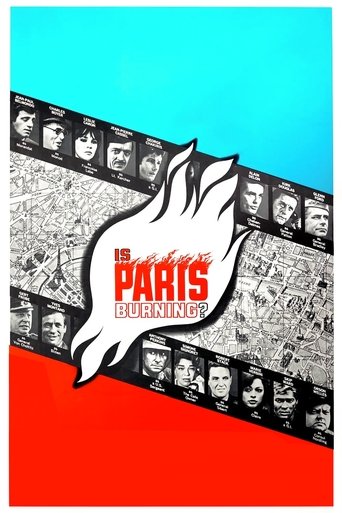
7.2Near the end of World War II, General Dietrich von Choltitz receives orders to burn down Paris if it becomes clear the Allies are going to invade, or if he's unable to maintain control of the city. After much contemplation, Choltitz ignores orders, enraging the Germans and giving hope to various resistance factions that the city will be liberated. Choltitz, alongside Swedish diplomat Raoul Nordling, helps a leader organise his forces.
Is Paris Burning?
1966
 7.5
7.5A woman must steal a statue from a Paris museum to help conceal her father's art forgeries.
How to Steal a Million
1966
 5.9
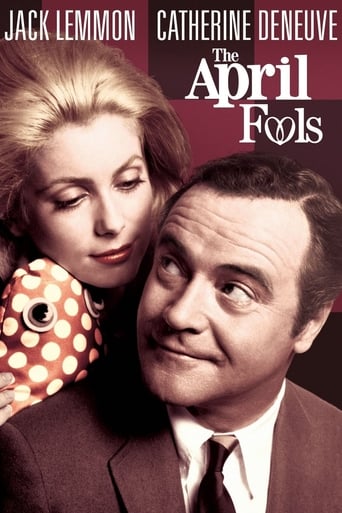
5.9Newly-promoted if none too happily married Howard Brubaker leaves a rowdy company party early with the stunning Catherine, whom it turns out is herself unhappily married — to the boss. They spend an innocent night in New York becoming more and more attracted to each other, so that when Catherine announces she intends to leave her husband and return to Paris, Howard asks to go along too.
The April Fools
1969
 6.0
6.0In Argentina, one daughter of patriarch Madariaga is married to a Frenchman while the other is married to a German thus leading to a crisis when Nazi Germany occupies France and some Madariaga family members fight on opposite sides.
The Four Horsemen of the Apocalypse
1962
 5.5
5.5The most ultra-secret telephone number of all is that of the "Hot'Line' that links the heads of state of the United States and Moscow. A conniving double agent manages to steal the top secret phone number and then begins to implement chaos by phoning Washington and Moscow, telling the two powers that their respective spy chiefs are traitors. It's spy versus spy, agent versus double agent, counter spy against counter-counter spy in a rapidly increasing international crisis that finds its solution on the stage of Chinese theater in Barcelona, Spain as the spy leaders, the traitorous agent, a beautiful girl, three old ladies, a young man caught up in the chain of events and a troupe of acrobats collide head on in battle.
The Day the Hot Line Got Hot
1968
 6.7
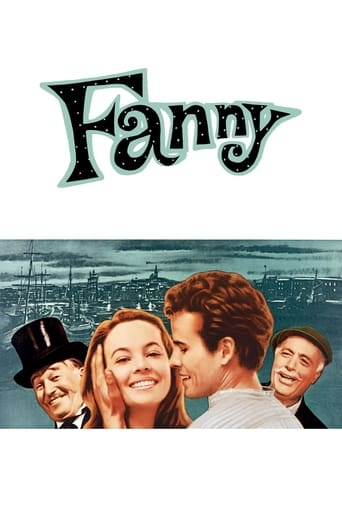
6.7Almost 19-year-old Marius feels himself in a rut in Marseille, his life planned for him by his cafe'-owning father, and he longs for the sea. The night before he is to leave on a 5-year voyage, Fanny, a girl he grew up with, reveals that she is in love with him, and he discovers that he is in love with her. He must choose between an exciting life at sea, and a boring life with the woman he loves. And Fanny must choose between keeping the man she loves, and letting him live the life he seems to want.
Fanny
1961
 5.8
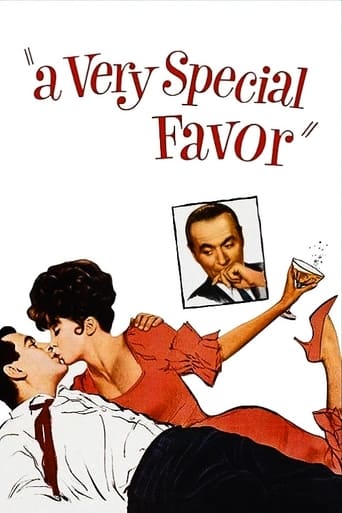
5.8The long-lost father of a frigid, uptight Freudian psychologist contracts a wealthy American playboy who owes him a favor to woo his daughter.
A Very Special Favor
1965
 7.3
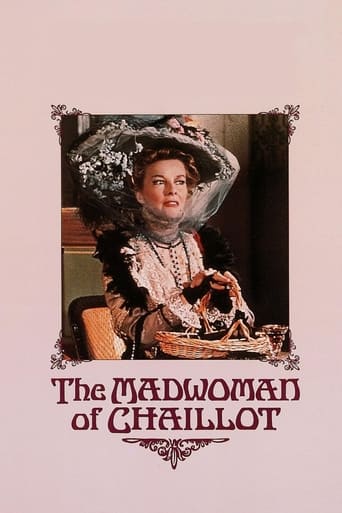
7.3An eccentric Parisian woman's optimistic perception of life begins to sound more rational than the traditional beliefs of others. The story is set in a 20th-century society endangered by power and greed and imagines the rebellion of the "little people" against corrupt and soulless authority.
The Madwoman of Chaillot
1969
 5.1
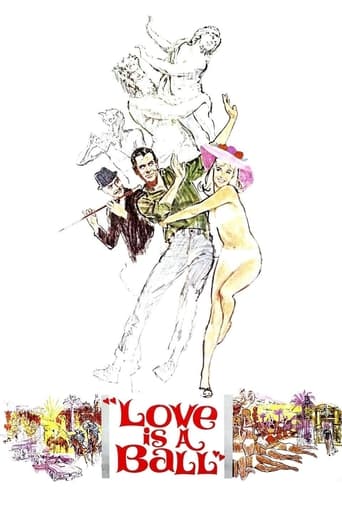
5.1Etienne makes a good living out of marrying off poor but titled young men to rich but untitled young ladies. Millicent is now in his sights on the Riviera, and Grand Duke Gaspar is the bait. But what if Millicent starts to fancy planted chauffeur John instead, and Gaspar takes a shine to Etienne's secretary Janine?
Love is a Ball
1963
 6.2
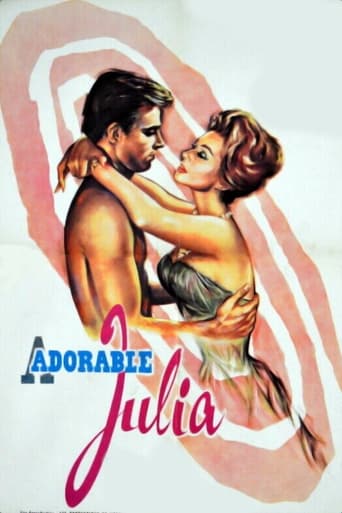
6.2A successful and married, although not quite young, stage actress falls for a young man, who is involved with a young actress who uses him to advance her career and upstage the leading lady.
Adorable Julia
1962
1950s · 10 titles
 6.7
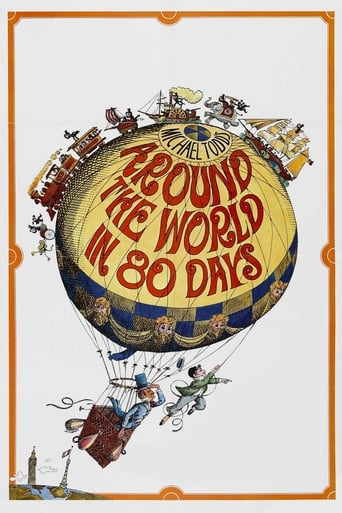
6.7Based on the famous book by Jules Verne the movie follows Phileas Fogg on his journey around the world. Which has to be completed within 80 days, a very short period for those days.
Around the World in 80 Days
1956
 7.5
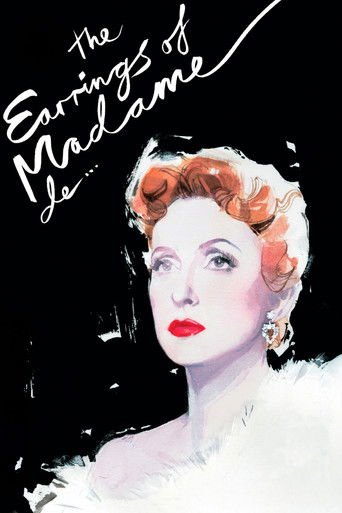
7.5In late 19th century France, the Countess Louise, wife of a wealthy general, sells the earrings her husband gave her on their wedding day to pay off her secret debts, then claims to have lost them. Her husband quickly learns of the deceit, which is the beginning of many tragic misunderstandings, all involving the earrings, the general, the countess, and her new lover, the Italian Baron Donati.
The Earrings of Madame de...
1953
 5.7
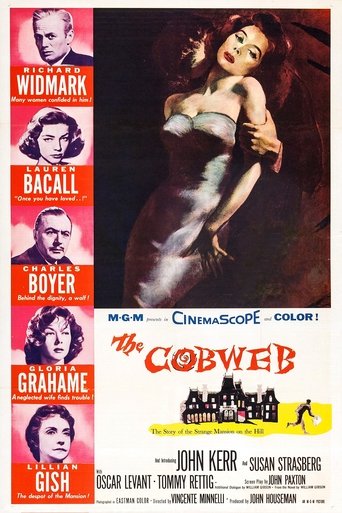
5.7Patients and staff at a posh psychiatric clinic clash over who chooses the clinic’s new drapes – but drapes are the least of their problems.
The Cobweb
1955
 6.5
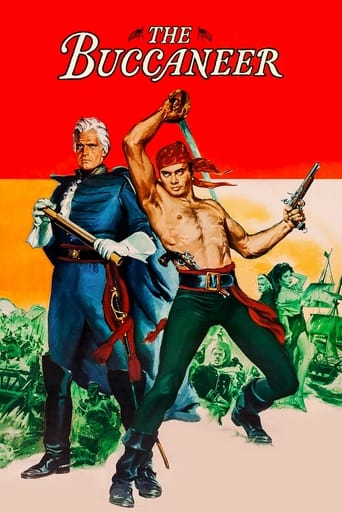
6.5During the War of 1812 against Britain: General Andrew Jackson has only 1,200 men left to defend New Orleans when he learns that a British fleet will arrive with 60 ships and 16,000 men to take the city. In this situation an island near the city becomes strategically important to both parties, but it's inhabited by the last big buccaneer: Jean Lafitte. Although Lafitte never attacks American ships, the governor hates him for selling merchandise without taxes - and is loved by the citizens for the same reason. When the big fight gets nearer, Lafitte is drawn between the fronts. His heart belongs to America, but his people urge him to join the party that's more likely to win.
The Buccaneer
1958
 5.8
5.8Brigitte, the beautiful daughter of the French premier, falls for one of her father's aides, the womanising Michel, and attempts to get him to settle down with her. However, as Michel can't curb his flirtations with other women, Brigitte makes a play to seduce the married Prince Charles, resulting in a battle of wills between the gorgeous girl of privilege and her beau.
La Parisienne
1957
 5.6
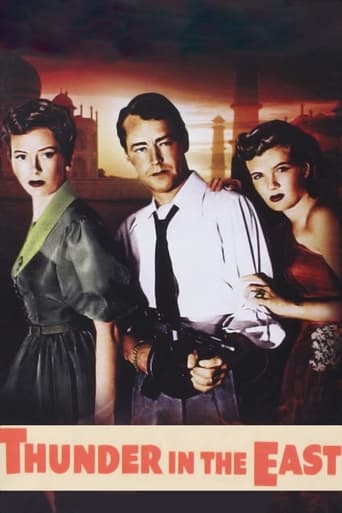
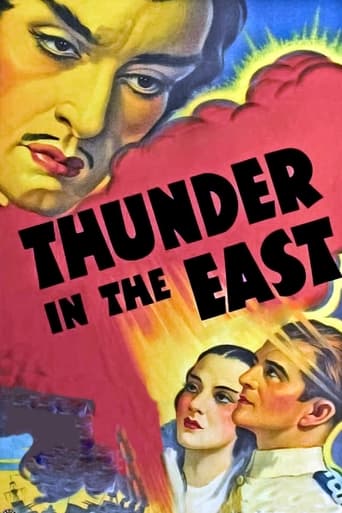
5.6During India's first years of independence from Britain, Steve Gibbs lands his armaments loaded plane in Ghandahar province hoping to get rich. Pacifist Prime Minister Singh hopes to reach an agreement with guerilla leader Khan, the maharajah is a fool, and the British residents are living in the past. Steve's love interest is Joan Willoughby, the blind daughter of a parson.
Thunder in the East
1952
 6.1
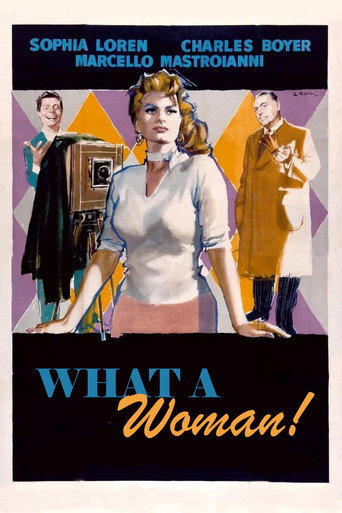
6.1A photographer named Corrado snaps a picture of Antonietta. When it shows up on the front page of a magazine, she wants to take him to court over it.
What a Woman!
1956
 NR
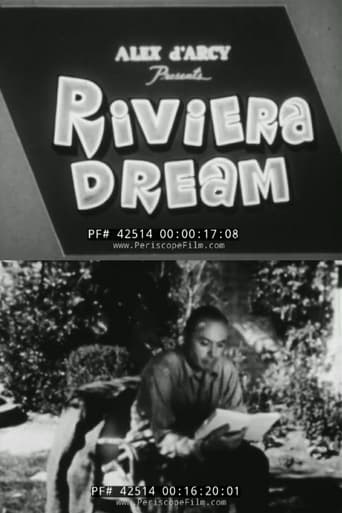
NRThis black & white novelty film features Egyptian actor Alex d'Arcy -- playing the part of a discharged American soldier -- traveling the French Riviera in his 1950's Studebaker convertible. d'Arcy meets up with many other movie stars including Charles Boyer, Sonja Henie, Maurice Chevalier, George Raft, Annie Crombez (ski champion), Elsa Maxwell, Bob Stack, Buddy Rogers, Steve Reeves.
Riviera Dream
1950
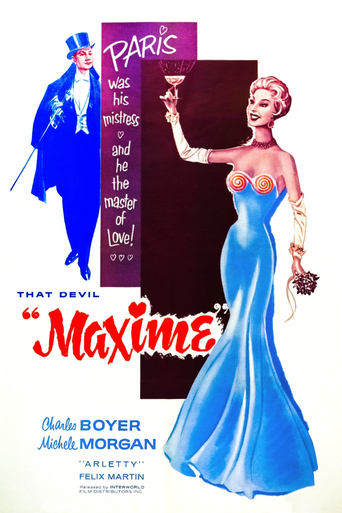 6.2
6.2Story of an aging dandy who is the factotum and arranger of female conquests for a brusque young millionaire.
Maxime
1958
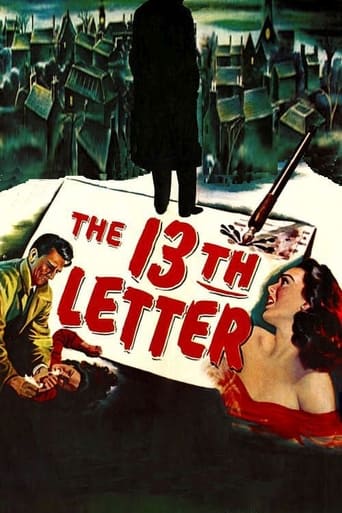 5.7
5.7A new doctor in a quiet Quebec town sparks rumors and accusations when anonymous letters allege an affair with a married woman.
The 13th Letter
1951
1940s · 15 titles
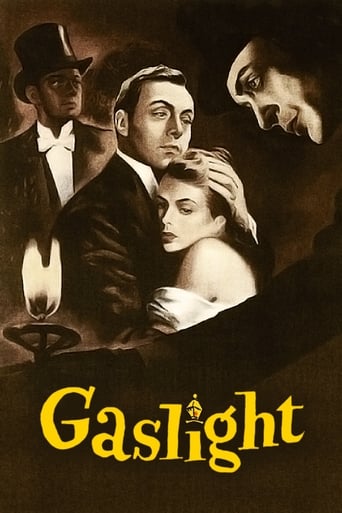 7.5
7.5A newlywed fears she's going mad when strange things start happening at the family mansion.
Gaslight
1944
 6.0
6.0In the winter of 1938, Paris is crowded with refugees from the Nazis, who live in the black shadows of night, trying to evade deportation. One such is Dr. Ravic, who practices medicine illegally and stalks his old Nazi enemy Haake with murder in mind. One rainy night, Ravic meets Joan Madou, a kept woman cast adrift by her lover's sudden death. Against Ravic's better judgment, they become involved in a doomed affair.
Arch of Triumph
1948
 7.2
7.2Amateur plumber Cluny Brown gets sent off by her uncle to work as a servant at an English country estate.
Cluny Brown
1946
 6.7
6.7Romanian-French gigolo Georges Iscovescu wishes to enter the USA. Stopped in Mexico by the quota system, he decides to marry an American, then desert her and join his old partner Anita, who's done likewise. But after sweeping teacher Emmy Brown off her feet, he finds her so sweet that love and jealousy endanger his plans.
Hold Back the Dawn
1941
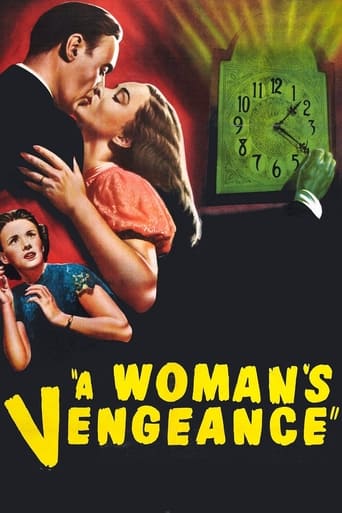 6.3
6.3A cheating husband is charged in the poisoning death of his invalid wife, in spite of other women and suicide also being suspected.
A Woman's Vengeance
1948
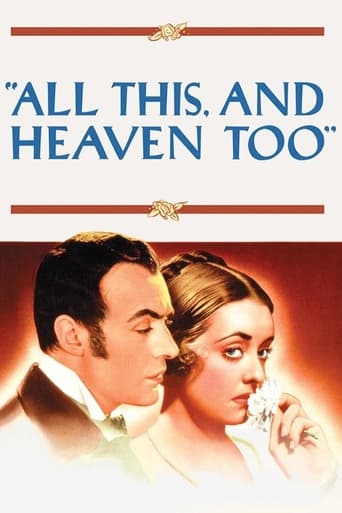 7.2
7.2When lovely and virtuous governess Henriette Deluzy comes to educate the children of the debonair Duc de Praslin, a royal subject to King Louis-Philippe and the husband of the volatile and obsessive Duchesse de Praslin, she instantly incurs the wrath of her mistress, who is insanely jealous of anyone who comes near her estranged husband. Though she saves the duchess's little son from a near-death illness and warms herself to all the children, she is nevertheless dismissed by the vengeful duchess as the attraction between the duke and Henriette continues to grow.
All This, and Heaven Too
1940
 5.5
5.5During the Spanish Civil War, an agent on a mission to purchase coal meets with murder and counterspies.
Confidential Agent
1945
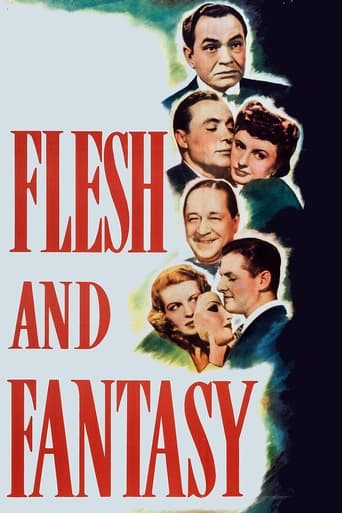 7.1
7.1Anthology film of three tales of the supernatural. The first story is set at the Mardi Gras in New Orleans. The second involves a psychic who predicts murder. The third is about a man who literally meets the girl of his dreams.
Flesh and Fantasy
1943
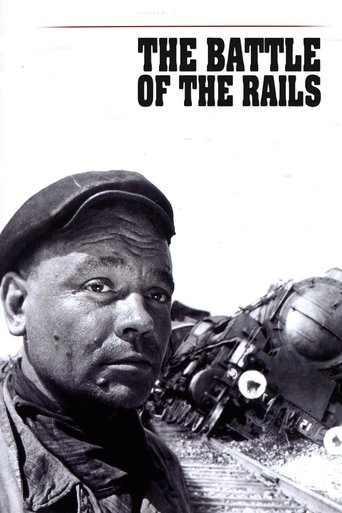 6.9
6.9During the Second World War, many French railway workers participated in the resistance. Daily acts of sabotage, spectacular derailments: the railway network took many actions against Nazi occupation. Stationmanager Camargue and his deputy, Athos, risk their lives in managing the network in their sector.
The Battle of the Rails
1946
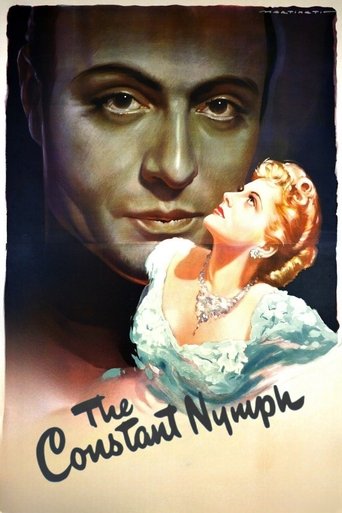 6.3
6.3The daughter of a musical mentor adores a promising composer, who is quite fond of the adolescent. When her father dies, an uncle arrives with his own grown daughter, who begins a romance with the composer which culminates in marriage but creates an emotional rivalry that affects the three.
The Constant Nymph
1943
 6.5
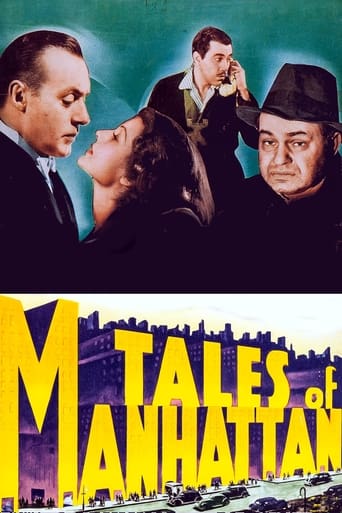
6.5Ten screenwriters collaborated on this series of tales concerning the effect a tailcoat cursed by its tailor has on those who wear it. The video release features a W.C. Fields segment not included in the original theatrical release.
Tales of Manhattan
1942
 7.3
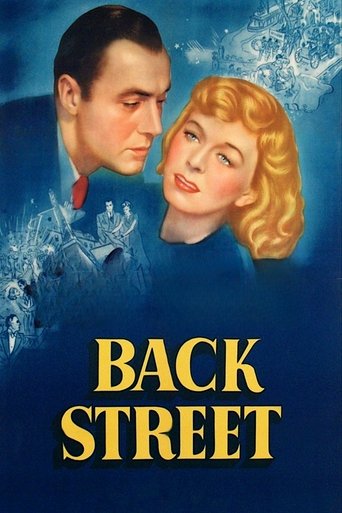
7.3In turn-of-the-century Cincinnati, vibrant shop girl Ray Smith falls in love with banker Walter Saxel, who is engaged to a socially prominent woman. Inadvertently prevented from running away with Walter, Ray remains single but reunites with him five years later. Despite Walter being married and having a son, Ray becomes his mistress, and over the years suffers social ostracism and long stretches of solitude while waiting for their brief interludes together.
Back Street
1941
 6.0
6.0Flubs and bloopers that occurred on the set of some of the major Warner Bros. pictures of 1942.
Breakdowns of 1942
1942
 5.8
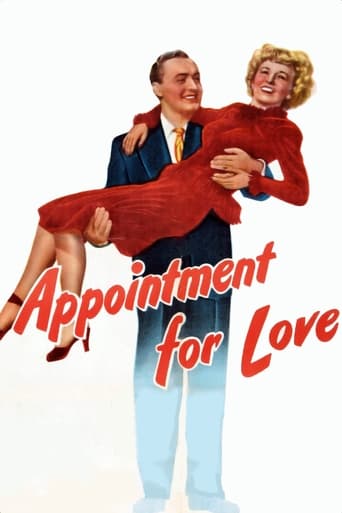
5.8Charming Andre Cassil woos physician Jane Alexander and the two impulsively get married. The honeymoon ends very quickly when Jane voices her progressive views on marriage which include the two having separate apartments. Andre then tries to make his wife jealous in order to lure her into his bedroom.
Appointment for Love
1941
 5.5
5.5Anne Crandall is the mayor of a small town in Vermont. Her deceased husband had been the mayor for years and when he died, she was left to carry on and to raise his daughter from his first marriage. She lives with the daughter, her father-in-law and a housekeeper. In the town square, there was a statue of her late husband and every year since his death, they have an anniversary celebration there. This year during a thunderstorm, the statue is hit by lightning and the head falls off. The daughter insists that a new statue be erected instead of patching the old one. Mayor Crandall is sent to New York to interview the prospective sculptor, George Corday.
Together Again
1944
1930s · 15 titles
 6.6
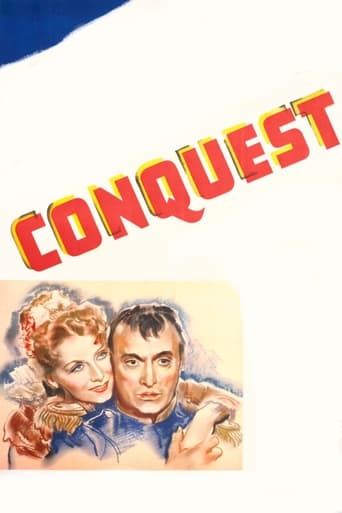
6.6A Polish countess is dispatched by her country to become Napoleon Bonaparte's mistress at the urging of Polish leaders, who feel she might influence him to support Polish independence.
Conquest
1937
 6.6
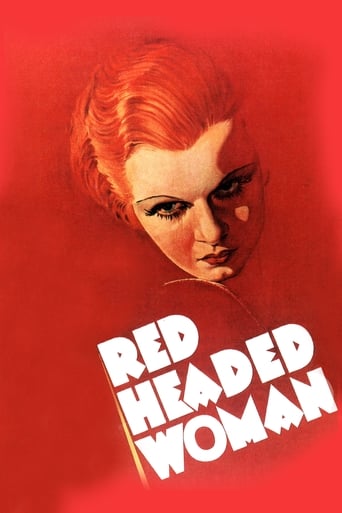
6.6Lil works for the Legendre Company and causes Bill to divorce Irene and marry her. She has an affair with businessman Gaerste and uses him to force society to pay attention to her.
Red-Headed Woman
1932
 6.0
6.0The star-crossed desert romance of a cloistered woman and a renegade monk.
The Garden of Allah
1936
 6.4
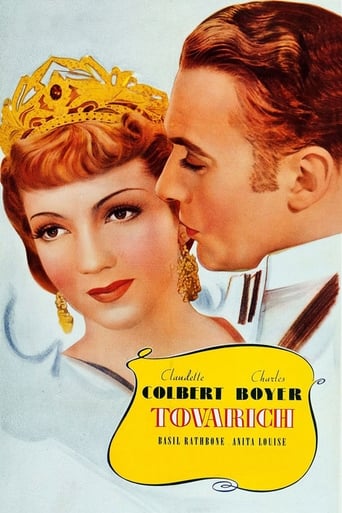
6.4When upper-class Parisian Charles Dupont and his family hire Tina and Michel as their servants, they have no idea that the domestics are in fact Tatiana, the Grand Duchess Petrovna, and her husband, Mikail, Prince Ouratieff. Recent exiles from the Russian Revolution, Tatiana and Mikail befriend the Dupont family, keeping their true identities a secret -- until one night when Soviet official Gorotchenko arrives for dinner.
Tovarich
1937
 6.7
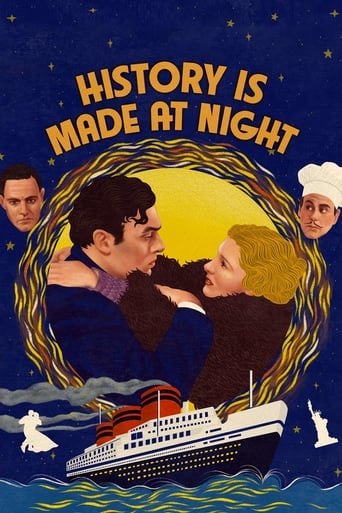
6.7An American woman seeking divorce from her wealthy, controlling husband falls for a romantic Parisian who saves her from his entrapment.
History Is Made at Night
1937
 7.0
7.0Several behind the scenes aspects of the movie-making business, which results in the enjoyment the movie going public has in going to the theater, are presented. They include: the production of celluloid aka film stock, the materials used in the production of which include cotton and silver; construction crews who build sets including those to look like cities, towns and villages around the world; a visit with Jack Dawn who demonstrates the process of creating a makeup design; the screen testing process, where many an acting hopeful gets his/her start; the work of the candid camera man, the prying eyes behind the movie camera; a visit with Adrian, who designs the clothes worn by many of the stars on screen; and a visit with Herbert Stothart as he conducts his musical score for Conquest (1937). These behind the scenes looks provide the opportunity to get acquainted with the cavalcade of MGM stars and their productions that will grace the silver screen in the 1937/38 movie season.
The Romance of Celluloid
1937
 7.0
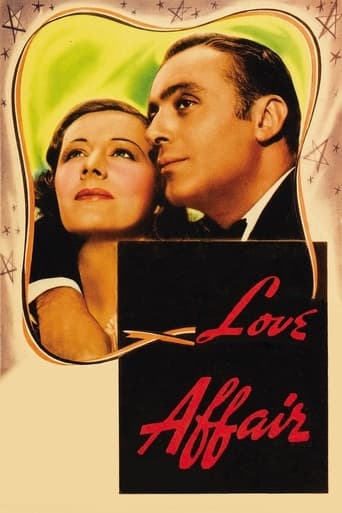
7.0A French playboy and an American former nightclub singer fall in love aboard a ship. They arrange to reunite six months later, if neither has changed their mind.
Love Affair
1939
 6.4
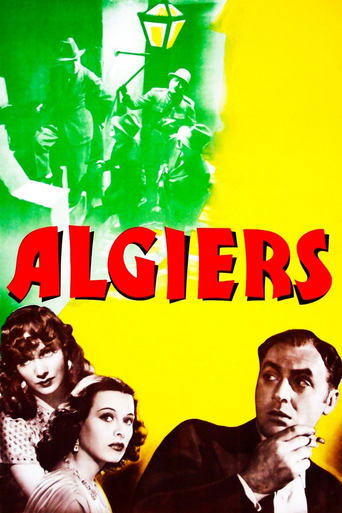
6.4Pepe Le Moko is a notorious thief, who escaped from France. Since his escape, Moko has become a resident and leader of the immense Casbah of Algiers. French officials arrive insisting on Pepe's capture are met with unfazed local detectives, led by Inspector Slimane, who are biding their time. Meanwhile, Pepe meets the beautiful Gaby, which arouses the jealousy of Ines.
Algiers
1938
 6.5
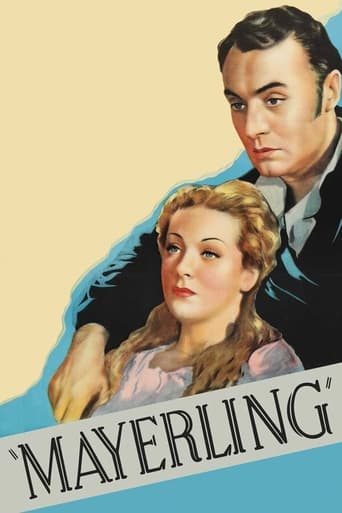
6.5Rudolf, the only heir to Emperor Franz Josef of Austria-Hungary, is trapped in a loveless marriage to a Belgian princess. As he seeks to flee his stifling environment, he meets the beautiful Maria, and the two enter into a scandalous affair. Despite the interference of the Emperor, the couple refuse to give each other up.
Mayerling
1936
 4.2
4.2In 1904, during the Russo-Japanese War, a Japanese naval officer allows his wife to be seduced by a British naval attaché in order to gain access to a secret report he has written, unaware her marital unhappiness has made her vulnerable to falling in love with him. Adapted from a novel by Claude Farrère, and also filmed in a French-language version, LA BATAILLE., q.v.
The Battle
1934
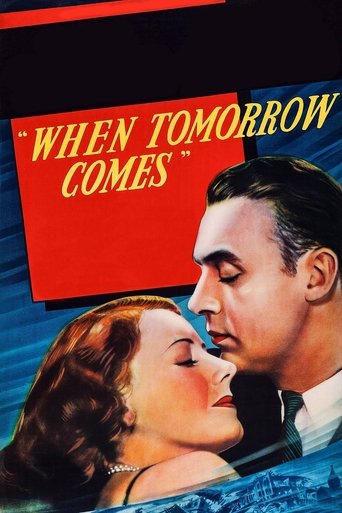 5.4
5.4A waitress destined for a better life falls in love with a handsome stranger, only to find that he is already married.
When Tomorrow Comes
1939
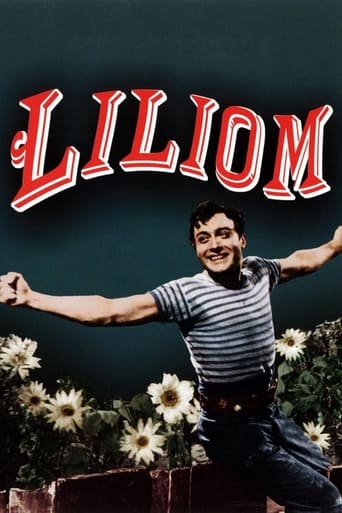 6.5
6.5Two women love the same man in a world of few prospects. In Budapest, Liliom is a "public figure," a rascal who's a carousel barker, loved by the experienced merry-go-round owner and by a young, innocent maid. The maid, Julie, loses her job after going out with Liliom; he's fired by his jealous employer for going out with Julie. The two lovers move in with Julie's aunt; unemployment emasculates him and a local weasel tempts him with crime. Julie, now wan, is true to Liliom even in his bad temper. Meanwhile, a stolid widower, a carpenter, wants to marry Julie. Is there any future on this earth for Julie and Liliom, whose love is passionate rather than ideal?
Liliom
1934
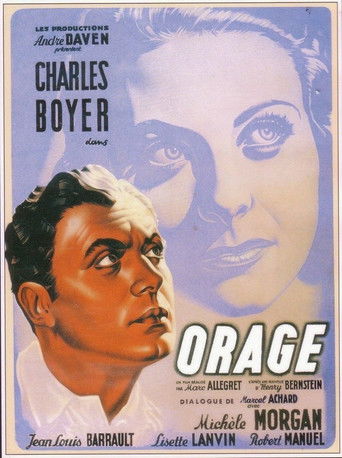 6.8
6.8The mistress of an engineer meets the man's pregnant wife and decides to give up the liaison.
Orage
1938
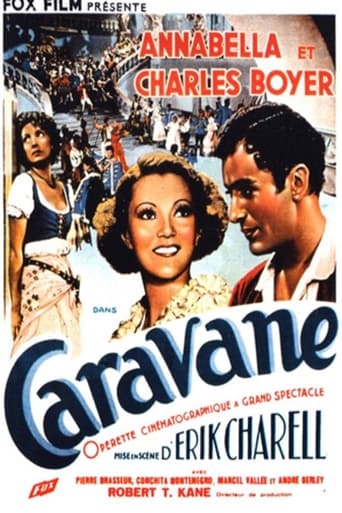 10.0
10.0Princess Wilma is forced to wed by midnight or lose her inheritance. She impulsively chooses gypsy vagabond Latzi, offering him a huge sum of money if he'll consent. Swallowing his pride, Latzi agrees to the marriage, but soon the coy Countess falls in love with young Lieutenant de Tokay, who is himself in love with Latzi's gypsy sweetheart Tinka. This is the alternate-language version of Caravan
Caravane
1934
 7.0
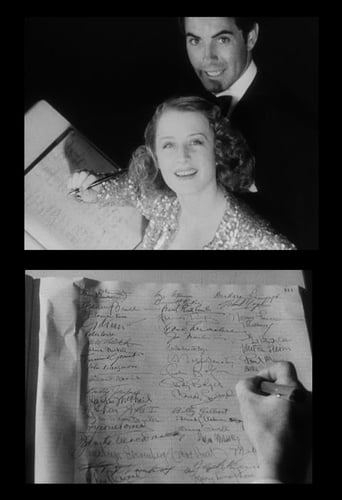
7.0This short shows how Hollywood gets ready for the world premiere of an "important" movie. The film celebrated here is Marie Antoinette (1938), which had its premiere at the Carthay Circle Theatre. We see the street leading to the theatre transformed to suggest a garden that might be seen in a French palace. This includes the placement of trees and other foliage, as well as large statues along the route. Grandstands are set up so fans can see their favorite stars as they arrive for the premiere. Finally, the proverbial "galaxy of stars" arrives in their limousines. Fanny Brice and Pete Smith make remarks at the microphone set up on the carpet outside the theatre.
Hollywood Goes to Town
1938
Series credits
7.0Four panelists must determine guests' occupations - and, in the case of famous guests, while blindfolded, their identity - by asking only "yes" or "no" questions.
What's My Line?
1950
7.0An annual awards ceremony recognizing excellence in film and television, both domestic and foreign, bestowed by the Hollywood Foreign Press Association.
Golden Globe Awards
1944
6.8Four Star Playhouse is an American television anthology series that ran from 1952 to 1956, sponsored in its first bi-weekly season by The Singer Company; Bristol-Myers became an alternate sponsor when it became a weekly series in the fall of 1953. The original premise was that Charles Boyer, Ida Lupino, David Niven, and Dick Powell would take turns starring in episodes. However, several other performers took the lead from time to time, including Ronald Colman and Joan Fontaine. Blake Edwards was among the writers and directors who contributed to the series. Edwards created the recurring character of illegal gambling house operator Willie Dante for Dick Powell to play on this series. The character was later revamped and spun off in his own series starring Howard Duff, then-husband of Lupino. The pilot for Meet McGraw, starring Frank Lovejoy, aired here, as did another episode in which Lovejoy recreated his role of Chicago newspaper reporter Randy Stone, from the radio drama Nightbeat.
Four Star Playhouse
1952
6.8Four Star Playhouse is an American television anthology series that ran from 1952 to 1956, sponsored in its first bi-weekly season by The Singer Company; Bristol-Myers became an alternate sponsor when it became a weekly series in the fall of 1953. The original premise was that Charles Boyer, Ida Lupino, David Niven, and Dick Powell would take turns starring in episodes. However, several other performers took the lead from time to time, including Ronald Colman and Joan Fontaine. Blake Edwards was among the writers and directors who contributed to the series. Edwards created the recurring character of illegal gambling house operator Willie Dante for Dick Powell to play on this series. The character was later revamped and spun off in his own series starring Howard Duff, then-husband of Lupino. The pilot for Meet McGraw, starring Frank Lovejoy, aired here, as did another episode in which Lovejoy recreated his role of Chicago newspaper reporter Randy Stone, from the radio drama Nightbeat.
Four Star Playhouse
1952
6.8Four Star Playhouse is an American television anthology series that ran from 1952 to 1956, sponsored in its first bi-weekly season by The Singer Company; Bristol-Myers became an alternate sponsor when it became a weekly series in the fall of 1953. The original premise was that Charles Boyer, Ida Lupino, David Niven, and Dick Powell would take turns starring in episodes. However, several other performers took the lead from time to time, including Ronald Colman and Joan Fontaine. Blake Edwards was among the writers and directors who contributed to the series. Edwards created the recurring character of illegal gambling house operator Willie Dante for Dick Powell to play on this series. The character was later revamped and spun off in his own series starring Howard Duff, then-husband of Lupino. The pilot for Meet McGraw, starring Frank Lovejoy, aired here, as did another episode in which Lovejoy recreated his role of Chicago newspaper reporter Randy Stone, from the radio drama Nightbeat.
Four Star Playhouse
1952
6.8Four Star Playhouse is an American television anthology series that ran from 1952 to 1956, sponsored in its first bi-weekly season by The Singer Company; Bristol-Myers became an alternate sponsor when it became a weekly series in the fall of 1953. The original premise was that Charles Boyer, Ida Lupino, David Niven, and Dick Powell would take turns starring in episodes. However, several other performers took the lead from time to time, including Ronald Colman and Joan Fontaine. Blake Edwards was among the writers and directors who contributed to the series. Edwards created the recurring character of illegal gambling house operator Willie Dante for Dick Powell to play on this series. The character was later revamped and spun off in his own series starring Howard Duff, then-husband of Lupino. The pilot for Meet McGraw, starring Frank Lovejoy, aired here, as did another episode in which Lovejoy recreated his role of Chicago newspaper reporter Randy Stone, from the radio drama Nightbeat.
Four Star Playhouse
1952
6.8Four Star Playhouse is an American television anthology series that ran from 1952 to 1956, sponsored in its first bi-weekly season by The Singer Company; Bristol-Myers became an alternate sponsor when it became a weekly series in the fall of 1953. The original premise was that Charles Boyer, Ida Lupino, David Niven, and Dick Powell would take turns starring in episodes. However, several other performers took the lead from time to time, including Ronald Colman and Joan Fontaine. Blake Edwards was among the writers and directors who contributed to the series. Edwards created the recurring character of illegal gambling house operator Willie Dante for Dick Powell to play on this series. The character was later revamped and spun off in his own series starring Howard Duff, then-husband of Lupino. The pilot for Meet McGraw, starring Frank Lovejoy, aired here, as did another episode in which Lovejoy recreated his role of Chicago newspaper reporter Randy Stone, from the radio drama Nightbeat.
Four Star Playhouse
1952
6.8Four Star Playhouse is an American television anthology series that ran from 1952 to 1956, sponsored in its first bi-weekly season by The Singer Company; Bristol-Myers became an alternate sponsor when it became a weekly series in the fall of 1953. The original premise was that Charles Boyer, Ida Lupino, David Niven, and Dick Powell would take turns starring in episodes. However, several other performers took the lead from time to time, including Ronald Colman and Joan Fontaine. Blake Edwards was among the writers and directors who contributed to the series. Edwards created the recurring character of illegal gambling house operator Willie Dante for Dick Powell to play on this series. The character was later revamped and spun off in his own series starring Howard Duff, then-husband of Lupino. The pilot for Meet McGraw, starring Frank Lovejoy, aired here, as did another episode in which Lovejoy recreated his role of Chicago newspaper reporter Randy Stone, from the radio drama Nightbeat.
Four Star Playhouse
1952
6.8Four Star Playhouse is an American television anthology series that ran from 1952 to 1956, sponsored in its first bi-weekly season by The Singer Company; Bristol-Myers became an alternate sponsor when it became a weekly series in the fall of 1953. The original premise was that Charles Boyer, Ida Lupino, David Niven, and Dick Powell would take turns starring in episodes. However, several other performers took the lead from time to time, including Ronald Colman and Joan Fontaine. Blake Edwards was among the writers and directors who contributed to the series. Edwards created the recurring character of illegal gambling house operator Willie Dante for Dick Powell to play on this series. The character was later revamped and spun off in his own series starring Howard Duff, then-husband of Lupino. The pilot for Meet McGraw, starring Frank Lovejoy, aired here, as did another episode in which Lovejoy recreated his role of Chicago newspaper reporter Randy Stone, from the radio drama Nightbeat.
Four Star Playhouse
1952
6.8Four Star Playhouse is an American television anthology series that ran from 1952 to 1956, sponsored in its first bi-weekly season by The Singer Company; Bristol-Myers became an alternate sponsor when it became a weekly series in the fall of 1953. The original premise was that Charles Boyer, Ida Lupino, David Niven, and Dick Powell would take turns starring in episodes. However, several other performers took the lead from time to time, including Ronald Colman and Joan Fontaine. Blake Edwards was among the writers and directors who contributed to the series. Edwards created the recurring character of illegal gambling house operator Willie Dante for Dick Powell to play on this series. The character was later revamped and spun off in his own series starring Howard Duff, then-husband of Lupino. The pilot for Meet McGraw, starring Frank Lovejoy, aired here, as did another episode in which Lovejoy recreated his role of Chicago newspaper reporter Randy Stone, from the radio drama Nightbeat.
Four Star Playhouse
1952
6.8Four Star Playhouse is an American television anthology series that ran from 1952 to 1956, sponsored in its first bi-weekly season by The Singer Company; Bristol-Myers became an alternate sponsor when it became a weekly series in the fall of 1953. The original premise was that Charles Boyer, Ida Lupino, David Niven, and Dick Powell would take turns starring in episodes. However, several other performers took the lead from time to time, including Ronald Colman and Joan Fontaine. Blake Edwards was among the writers and directors who contributed to the series. Edwards created the recurring character of illegal gambling house operator Willie Dante for Dick Powell to play on this series. The character was later revamped and spun off in his own series starring Howard Duff, then-husband of Lupino. The pilot for Meet McGraw, starring Frank Lovejoy, aired here, as did another episode in which Lovejoy recreated his role of Chicago newspaper reporter Randy Stone, from the radio drama Nightbeat.
Four Star Playhouse
1952
6.8Four Star Playhouse is an American television anthology series that ran from 1952 to 1956, sponsored in its first bi-weekly season by The Singer Company; Bristol-Myers became an alternate sponsor when it became a weekly series in the fall of 1953. The original premise was that Charles Boyer, Ida Lupino, David Niven, and Dick Powell would take turns starring in episodes. However, several other performers took the lead from time to time, including Ronald Colman and Joan Fontaine. Blake Edwards was among the writers and directors who contributed to the series. Edwards created the recurring character of illegal gambling house operator Willie Dante for Dick Powell to play on this series. The character was later revamped and spun off in his own series starring Howard Duff, then-husband of Lupino. The pilot for Meet McGraw, starring Frank Lovejoy, aired here, as did another episode in which Lovejoy recreated his role of Chicago newspaper reporter Randy Stone, from the radio drama Nightbeat.
Four Star Playhouse
1952
6.8Four Star Playhouse is an American television anthology series that ran from 1952 to 1956, sponsored in its first bi-weekly season by The Singer Company; Bristol-Myers became an alternate sponsor when it became a weekly series in the fall of 1953. The original premise was that Charles Boyer, Ida Lupino, David Niven, and Dick Powell would take turns starring in episodes. However, several other performers took the lead from time to time, including Ronald Colman and Joan Fontaine. Blake Edwards was among the writers and directors who contributed to the series. Edwards created the recurring character of illegal gambling house operator Willie Dante for Dick Powell to play on this series. The character was later revamped and spun off in his own series starring Howard Duff, then-husband of Lupino. The pilot for Meet McGraw, starring Frank Lovejoy, aired here, as did another episode in which Lovejoy recreated his role of Chicago newspaper reporter Randy Stone, from the radio drama Nightbeat.
Four Star Playhouse
1952
6.8Four Star Playhouse is an American television anthology series that ran from 1952 to 1956, sponsored in its first bi-weekly season by The Singer Company; Bristol-Myers became an alternate sponsor when it became a weekly series in the fall of 1953. The original premise was that Charles Boyer, Ida Lupino, David Niven, and Dick Powell would take turns starring in episodes. However, several other performers took the lead from time to time, including Ronald Colman and Joan Fontaine. Blake Edwards was among the writers and directors who contributed to the series. Edwards created the recurring character of illegal gambling house operator Willie Dante for Dick Powell to play on this series. The character was later revamped and spun off in his own series starring Howard Duff, then-husband of Lupino. The pilot for Meet McGraw, starring Frank Lovejoy, aired here, as did another episode in which Lovejoy recreated his role of Chicago newspaper reporter Randy Stone, from the radio drama Nightbeat.
Four Star Playhouse
1952
6.8Four Star Playhouse is an American television anthology series that ran from 1952 to 1956, sponsored in its first bi-weekly season by The Singer Company; Bristol-Myers became an alternate sponsor when it became a weekly series in the fall of 1953. The original premise was that Charles Boyer, Ida Lupino, David Niven, and Dick Powell would take turns starring in episodes. However, several other performers took the lead from time to time, including Ronald Colman and Joan Fontaine. Blake Edwards was among the writers and directors who contributed to the series. Edwards created the recurring character of illegal gambling house operator Willie Dante for Dick Powell to play on this series. The character was later revamped and spun off in his own series starring Howard Duff, then-husband of Lupino. The pilot for Meet McGraw, starring Frank Lovejoy, aired here, as did another episode in which Lovejoy recreated his role of Chicago newspaper reporter Randy Stone, from the radio drama Nightbeat.
Four Star Playhouse
1952
6.8Four Star Playhouse is an American television anthology series that ran from 1952 to 1956, sponsored in its first bi-weekly season by The Singer Company; Bristol-Myers became an alternate sponsor when it became a weekly series in the fall of 1953. The original premise was that Charles Boyer, Ida Lupino, David Niven, and Dick Powell would take turns starring in episodes. However, several other performers took the lead from time to time, including Ronald Colman and Joan Fontaine. Blake Edwards was among the writers and directors who contributed to the series. Edwards created the recurring character of illegal gambling house operator Willie Dante for Dick Powell to play on this series. The character was later revamped and spun off in his own series starring Howard Duff, then-husband of Lupino. The pilot for Meet McGraw, starring Frank Lovejoy, aired here, as did another episode in which Lovejoy recreated his role of Chicago newspaper reporter Randy Stone, from the radio drama Nightbeat.
Four Star Playhouse
1952
6.8Four Star Playhouse is an American television anthology series that ran from 1952 to 1956, sponsored in its first bi-weekly season by The Singer Company; Bristol-Myers became an alternate sponsor when it became a weekly series in the fall of 1953. The original premise was that Charles Boyer, Ida Lupino, David Niven, and Dick Powell would take turns starring in episodes. However, several other performers took the lead from time to time, including Ronald Colman and Joan Fontaine. Blake Edwards was among the writers and directors who contributed to the series. Edwards created the recurring character of illegal gambling house operator Willie Dante for Dick Powell to play on this series. The character was later revamped and spun off in his own series starring Howard Duff, then-husband of Lupino. The pilot for Meet McGraw, starring Frank Lovejoy, aired here, as did another episode in which Lovejoy recreated his role of Chicago newspaper reporter Randy Stone, from the radio drama Nightbeat.
Four Star Playhouse
1952
6.8Four Star Playhouse is an American television anthology series that ran from 1952 to 1956, sponsored in its first bi-weekly season by The Singer Company; Bristol-Myers became an alternate sponsor when it became a weekly series in the fall of 1953. The original premise was that Charles Boyer, Ida Lupino, David Niven, and Dick Powell would take turns starring in episodes. However, several other performers took the lead from time to time, including Ronald Colman and Joan Fontaine. Blake Edwards was among the writers and directors who contributed to the series. Edwards created the recurring character of illegal gambling house operator Willie Dante for Dick Powell to play on this series. The character was later revamped and spun off in his own series starring Howard Duff, then-husband of Lupino. The pilot for Meet McGraw, starring Frank Lovejoy, aired here, as did another episode in which Lovejoy recreated his role of Chicago newspaper reporter Randy Stone, from the radio drama Nightbeat.
Four Star Playhouse
1952
6.8Four Star Playhouse is an American television anthology series that ran from 1952 to 1956, sponsored in its first bi-weekly season by The Singer Company; Bristol-Myers became an alternate sponsor when it became a weekly series in the fall of 1953. The original premise was that Charles Boyer, Ida Lupino, David Niven, and Dick Powell would take turns starring in episodes. However, several other performers took the lead from time to time, including Ronald Colman and Joan Fontaine. Blake Edwards was among the writers and directors who contributed to the series. Edwards created the recurring character of illegal gambling house operator Willie Dante for Dick Powell to play on this series. The character was later revamped and spun off in his own series starring Howard Duff, then-husband of Lupino. The pilot for Meet McGraw, starring Frank Lovejoy, aired here, as did another episode in which Lovejoy recreated his role of Chicago newspaper reporter Randy Stone, from the radio drama Nightbeat.
Four Star Playhouse
1952
6.8Four Star Playhouse is an American television anthology series that ran from 1952 to 1956, sponsored in its first bi-weekly season by The Singer Company; Bristol-Myers became an alternate sponsor when it became a weekly series in the fall of 1953. The original premise was that Charles Boyer, Ida Lupino, David Niven, and Dick Powell would take turns starring in episodes. However, several other performers took the lead from time to time, including Ronald Colman and Joan Fontaine. Blake Edwards was among the writers and directors who contributed to the series. Edwards created the recurring character of illegal gambling house operator Willie Dante for Dick Powell to play on this series. The character was later revamped and spun off in his own series starring Howard Duff, then-husband of Lupino. The pilot for Meet McGraw, starring Frank Lovejoy, aired here, as did another episode in which Lovejoy recreated his role of Chicago newspaper reporter Randy Stone, from the radio drama Nightbeat.
Four Star Playhouse
1952
6.8Four Star Playhouse is an American television anthology series that ran from 1952 to 1956, sponsored in its first bi-weekly season by The Singer Company; Bristol-Myers became an alternate sponsor when it became a weekly series in the fall of 1953. The original premise was that Charles Boyer, Ida Lupino, David Niven, and Dick Powell would take turns starring in episodes. However, several other performers took the lead from time to time, including Ronald Colman and Joan Fontaine. Blake Edwards was among the writers and directors who contributed to the series. Edwards created the recurring character of illegal gambling house operator Willie Dante for Dick Powell to play on this series. The character was later revamped and spun off in his own series starring Howard Duff, then-husband of Lupino. The pilot for Meet McGraw, starring Frank Lovejoy, aired here, as did another episode in which Lovejoy recreated his role of Chicago newspaper reporter Randy Stone, from the radio drama Nightbeat.
Four Star Playhouse
1952
6.8Four Star Playhouse is an American television anthology series that ran from 1952 to 1956, sponsored in its first bi-weekly season by The Singer Company; Bristol-Myers became an alternate sponsor when it became a weekly series in the fall of 1953. The original premise was that Charles Boyer, Ida Lupino, David Niven, and Dick Powell would take turns starring in episodes. However, several other performers took the lead from time to time, including Ronald Colman and Joan Fontaine. Blake Edwards was among the writers and directors who contributed to the series. Edwards created the recurring character of illegal gambling house operator Willie Dante for Dick Powell to play on this series. The character was later revamped and spun off in his own series starring Howard Duff, then-husband of Lupino. The pilot for Meet McGraw, starring Frank Lovejoy, aired here, as did another episode in which Lovejoy recreated his role of Chicago newspaper reporter Randy Stone, from the radio drama Nightbeat.
Four Star Playhouse
1952
6.8Four Star Playhouse is an American television anthology series that ran from 1952 to 1956, sponsored in its first bi-weekly season by The Singer Company; Bristol-Myers became an alternate sponsor when it became a weekly series in the fall of 1953. The original premise was that Charles Boyer, Ida Lupino, David Niven, and Dick Powell would take turns starring in episodes. However, several other performers took the lead from time to time, including Ronald Colman and Joan Fontaine. Blake Edwards was among the writers and directors who contributed to the series. Edwards created the recurring character of illegal gambling house operator Willie Dante for Dick Powell to play on this series. The character was later revamped and spun off in his own series starring Howard Duff, then-husband of Lupino. The pilot for Meet McGraw, starring Frank Lovejoy, aired here, as did another episode in which Lovejoy recreated his role of Chicago newspaper reporter Randy Stone, from the radio drama Nightbeat.
Four Star Playhouse
1952
6.8Four Star Playhouse is an American television anthology series that ran from 1952 to 1956, sponsored in its first bi-weekly season by The Singer Company; Bristol-Myers became an alternate sponsor when it became a weekly series in the fall of 1953. The original premise was that Charles Boyer, Ida Lupino, David Niven, and Dick Powell would take turns starring in episodes. However, several other performers took the lead from time to time, including Ronald Colman and Joan Fontaine. Blake Edwards was among the writers and directors who contributed to the series. Edwards created the recurring character of illegal gambling house operator Willie Dante for Dick Powell to play on this series. The character was later revamped and spun off in his own series starring Howard Duff, then-husband of Lupino. The pilot for Meet McGraw, starring Frank Lovejoy, aired here, as did another episode in which Lovejoy recreated his role of Chicago newspaper reporter Randy Stone, from the radio drama Nightbeat.
Four Star Playhouse
1952
6.8Four Star Playhouse is an American television anthology series that ran from 1952 to 1956, sponsored in its first bi-weekly season by The Singer Company; Bristol-Myers became an alternate sponsor when it became a weekly series in the fall of 1953. The original premise was that Charles Boyer, Ida Lupino, David Niven, and Dick Powell would take turns starring in episodes. However, several other performers took the lead from time to time, including Ronald Colman and Joan Fontaine. Blake Edwards was among the writers and directors who contributed to the series. Edwards created the recurring character of illegal gambling house operator Willie Dante for Dick Powell to play on this series. The character was later revamped and spun off in his own series starring Howard Duff, then-husband of Lupino. The pilot for Meet McGraw, starring Frank Lovejoy, aired here, as did another episode in which Lovejoy recreated his role of Chicago newspaper reporter Randy Stone, from the radio drama Nightbeat.
Four Star Playhouse
1952
6.8Four Star Playhouse is an American television anthology series that ran from 1952 to 1956, sponsored in its first bi-weekly season by The Singer Company; Bristol-Myers became an alternate sponsor when it became a weekly series in the fall of 1953. The original premise was that Charles Boyer, Ida Lupino, David Niven, and Dick Powell would take turns starring in episodes. However, several other performers took the lead from time to time, including Ronald Colman and Joan Fontaine. Blake Edwards was among the writers and directors who contributed to the series. Edwards created the recurring character of illegal gambling house operator Willie Dante for Dick Powell to play on this series. The character was later revamped and spun off in his own series starring Howard Duff, then-husband of Lupino. The pilot for Meet McGraw, starring Frank Lovejoy, aired here, as did another episode in which Lovejoy recreated his role of Chicago newspaper reporter Randy Stone, from the radio drama Nightbeat.
Four Star Playhouse
1952
6.8Four Star Playhouse is an American television anthology series that ran from 1952 to 1956, sponsored in its first bi-weekly season by The Singer Company; Bristol-Myers became an alternate sponsor when it became a weekly series in the fall of 1953. The original premise was that Charles Boyer, Ida Lupino, David Niven, and Dick Powell would take turns starring in episodes. However, several other performers took the lead from time to time, including Ronald Colman and Joan Fontaine. Blake Edwards was among the writers and directors who contributed to the series. Edwards created the recurring character of illegal gambling house operator Willie Dante for Dick Powell to play on this series. The character was later revamped and spun off in his own series starring Howard Duff, then-husband of Lupino. The pilot for Meet McGraw, starring Frank Lovejoy, aired here, as did another episode in which Lovejoy recreated his role of Chicago newspaper reporter Randy Stone, from the radio drama Nightbeat.
Four Star Playhouse
1952
6.8Four Star Playhouse is an American television anthology series that ran from 1952 to 1956, sponsored in its first bi-weekly season by The Singer Company; Bristol-Myers became an alternate sponsor when it became a weekly series in the fall of 1953. The original premise was that Charles Boyer, Ida Lupino, David Niven, and Dick Powell would take turns starring in episodes. However, several other performers took the lead from time to time, including Ronald Colman and Joan Fontaine. Blake Edwards was among the writers and directors who contributed to the series. Edwards created the recurring character of illegal gambling house operator Willie Dante for Dick Powell to play on this series. The character was later revamped and spun off in his own series starring Howard Duff, then-husband of Lupino. The pilot for Meet McGraw, starring Frank Lovejoy, aired here, as did another episode in which Lovejoy recreated his role of Chicago newspaper reporter Randy Stone, from the radio drama Nightbeat.
Four Star Playhouse
1952
6.8Four Star Playhouse is an American television anthology series that ran from 1952 to 1956, sponsored in its first bi-weekly season by The Singer Company; Bristol-Myers became an alternate sponsor when it became a weekly series in the fall of 1953. The original premise was that Charles Boyer, Ida Lupino, David Niven, and Dick Powell would take turns starring in episodes. However, several other performers took the lead from time to time, including Ronald Colman and Joan Fontaine. Blake Edwards was among the writers and directors who contributed to the series. Edwards created the recurring character of illegal gambling house operator Willie Dante for Dick Powell to play on this series. The character was later revamped and spun off in his own series starring Howard Duff, then-husband of Lupino. The pilot for Meet McGraw, starring Frank Lovejoy, aired here, as did another episode in which Lovejoy recreated his role of Chicago newspaper reporter Randy Stone, from the radio drama Nightbeat.
Four Star Playhouse
1952
7.9Cuban Bandleader Ricky Ricardo would be happy if his wife Lucy would just be a housewife. Instead she tries constantly to perform at the Tropicana where he works, and make life comically frantic in the apartment building they share with landlords Fred and Ethel Mertz, who also happen to be their best friends.
I Love Lucy
1951
7.0The Bob Hope Show hosted by Bob Hope, debuted on April 9, 1950. During the 1952-1953 season, NBC rotated with other variety shows in a Sunday night block known as "The Colgate Comedy Hour" (Sept. 1950 to Dec. 1955). Also known as, "The Chevy Show with Bob Hope." When the first special debuted in October of 1950 it was the most expensive television program made up to that point - costing an astronomical $1,500 a minute to produce. Bob Hope had his own television show and radio show at the same time. For the next three seasons, The Bob Hope Show was broadcast once a month on Tuesday nights, giving Milton Berle a week off. Bob ended his radio show in April, 1956. Bob Hope also had another show by a similar name, "The Bob Hope Show (All Star Revue)". In addition, he performed in "Specials" for many years. It is the longest running variety program in television's history with a record of 45 years of televised entertainment.
The Bob Hope Show
1950
6.8The Ed Sullivan Show is an American TV variety show that originally ran on CBS from Sunday June 20, 1948 to Sunday June 6, 1971, and was hosted by New York entertainment columnist Ed Sullivan. It was replaced in September 1971 by the CBS Sunday Night Movie, which ran only one season and was eventually replaced by other shows. In 2002, The Ed Sullivan Show was ranked #15 on TV Guide's 50 Greatest TV Shows of All Time.
The Ed Sullivan Show
1948
The BBC's flagship cinema review TV program featuring reviews of new releases, news items and interviews. The title of the program changes each year to incorporate the year of broadcast.
Film '72
1971
 7.0
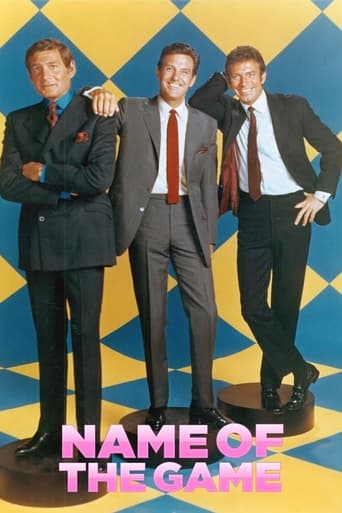
7.0The Name of the Game is an American television series starring Tony Franciosa, Gene Barry, and Robert Stack that ran from 1968 to 1971 on NBC, totaling 76 episodes of 90 minutes. It was a pioneering wheel series, setting the stage for The Bold Ones and the NBC Mystery Movie in the 1970s. The show had an extremely large budget for a television series.
The Name of the Game
1968
 6.4
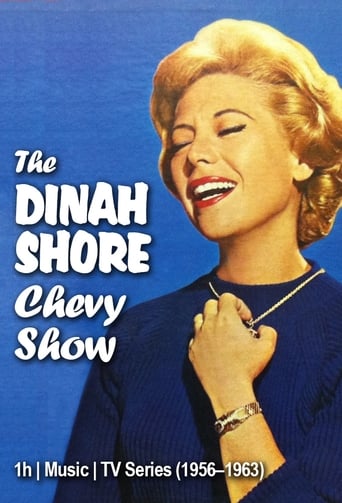
6.4The Dinah Shore Chevy Show is an American variety series hosted by Dinah Shore, and broadcast on NBC from October 1956 to June 1963. The series was sponsored by the Chevrolet Motor Division of General Motors and its theme song, sung by Shore, was "See the U.S.A. in Your Chevrolet", which continued to be used in Chevrolet advertising for several more years after the cancellation of the show.
The Dinah Shore Chevy Show
1956
 7.5
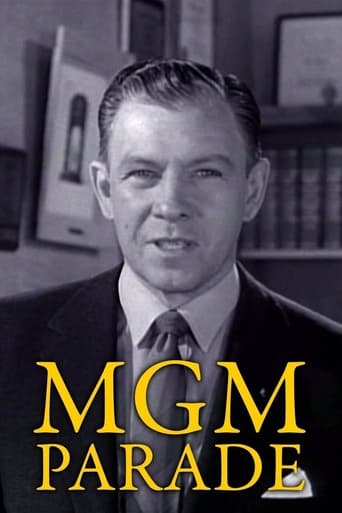
7.5The original concept of the show was to allow the viewer to see the inner workings of a movie studio and featured interviews with MGM stars and explanations of how movies were made. Later, the format changed to show edited versions of MGM films.
MGM Parade
1955
 7.0
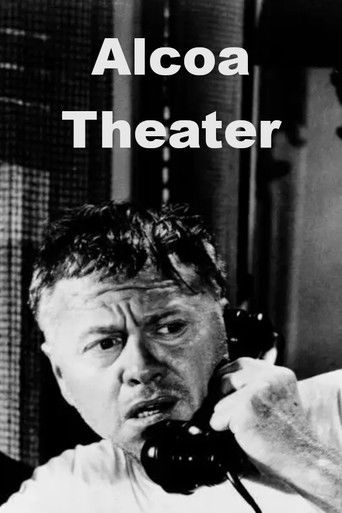
7.0Alcoa Theatre is a half-hour American anthology series telecast on NBC at 9:30 pm on alternate Monday nights from October 7, 1957 to September 16, 1960. The program also aired under the title Turn of Fate, with the stories depicting the difficulties faced by individuals who are suddenly thrust into unexpected and perilous dangers. Alcoa Theatre was syndicated together with Goodyear Theatre as Award Theatre. In 1955, The Alcoa Hour premiered in a one-hour format aired on Sunday nights, but it was reduced to 30 minutes, retitled Alcoa Theatre, and moved to Monday evening in 1957. The show employed an alternating rotating company of actors: David Niven, Robert Ryan, Jane Powell, Jack Lemmon and Charles Boyer. Each appeared in dramatic and light comedic roles through the first season.
Alcoa Theatre
1957
 8.0
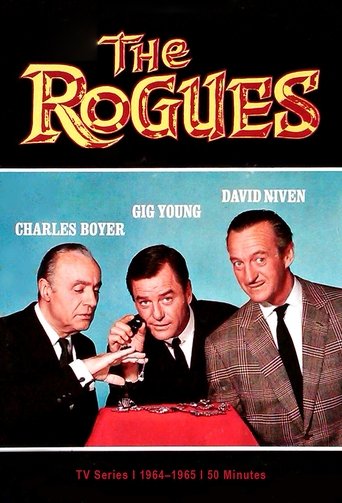
8.0The Rogues is an American television series that appeared on NBC from September 13, 1964, to April 18, 1965, starring David Niven, Charles Boyer, and Gig Young as a related trio of former conmen who could, for the right price, be persuaded to trick a very wealthy and heinously unscrupulous mark. Although it won the 1964 Golden Globe award for Best Television Series, the show was cancelled after one season consisting of thirty episodes.
The Rogues
1964
 8.8
8.8Long-running anthology program sponsored by Hallmark Cards. Beginning in 1951 and continuing into 2019, the series received 80 Emmy Awards, 24 Christopher Awards, 11 Peabody Awards, 9 Golden Globes, and 4 Humanitas Prizes. Early seasons were a weekly live drama, eventually transitioning to videotaped and then filmed productions broadcast as occasional specials.
Hallmark Hall of Fame
1951
Behind the camera
7.1Anthology film of three tales of the supernatural. The first story is set at the Mardi Gras in New Orleans. The second involves a psychic who predicts murder. The third is about a man who literally meets the girl of his dreams.
Flesh and Fantasy
1943
 5.2
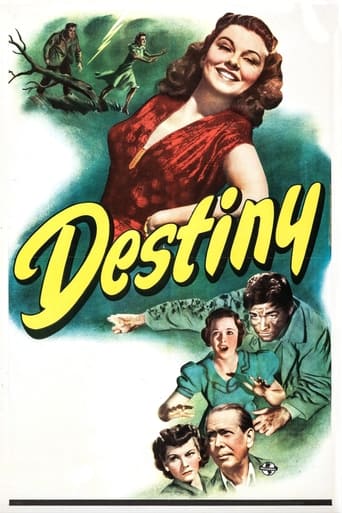
5.2Framed for two crimes he didn't commit, and betrayed by his girl, Cliff Banks finds himself on the run from the police. Now distrustful of everyone, he finds a safe haven hiding out at a quaint country cottage under the care of a kindly old farmer and his daughter, a Cinderella-like blind woman who seems to be able to communicate with nature. There he is forced by their love to question his misanthropy.
Destiny
1944