
Acting
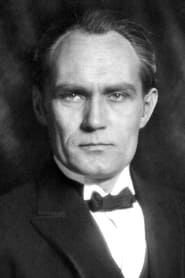
Bernhard Goetzke
Born — Died
1884-06-05 — 1964-10-07
Place of birth
Danzig, West Prussia, Germany [now Gdansk, Pomorskie, Poland]
Known for
Acting
Credits
60 titles
Known for
 7.7
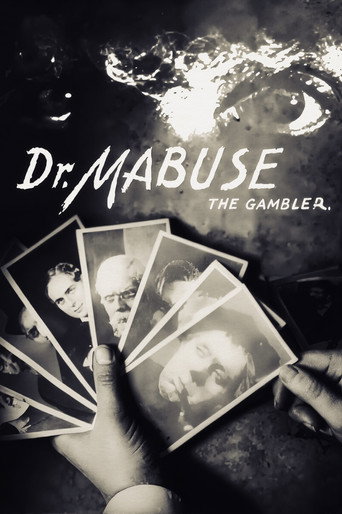
7.7Dr. Mabuse and his organization of criminals are in the process of completing their latest scheme, a theft of information that will allow Mabuse to make huge profits on the stock exchange. Afterwards, Mabuse disguises himself and attends the Folies Bergères show, where Cara Carozza, the main attraction of the show, passes him information on Mabuse's next intended victim, the young millionaire Edgar Hull. Mabuse then uses psychic manipulation to lure Hull into a card game where he loses heavily. When Police Commissioner von Wenk begins an investigation of this mysterious crime spree, he has little to go on, and he needs to find someone who can help him.
Dr. Mabuse, the Gambler
1922
 7.6
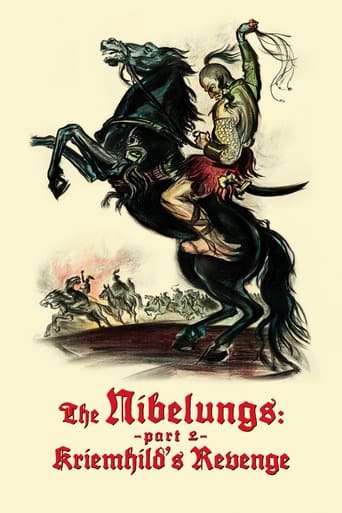
7.6When Kriemhild, thirsty for revenge, marries to Etzel, king of the Huns, she invites King Gunther and his court to visit them, intending to finally take the life of the man responsible of her disgrace.
Die Nibelungen: Kriemhild's Revenge
1924
 7.4
7.4As a young couple stops and rests in a small village inn, the man is abducted by Death and sequestered behind a huge doorless, windowless wall. The woman poisons herself in order to join him and is met by Death, who gives her three opportunities to prove that love is stronger than death, thereby freeing her beloved from his fate.
Destiny
1921
 4.4
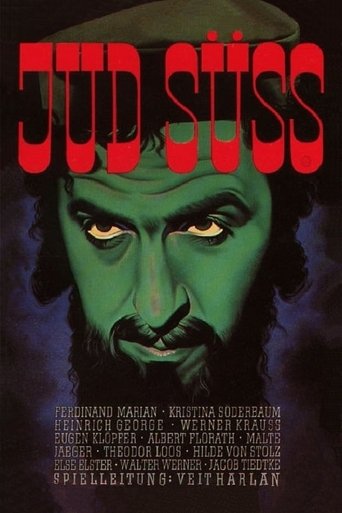
4.4Nazi historical drama about Duke Karl Alexander of Württemberg and his treasurer Süß Oppenheimer.
Süss, the Jew
1940
 7.7
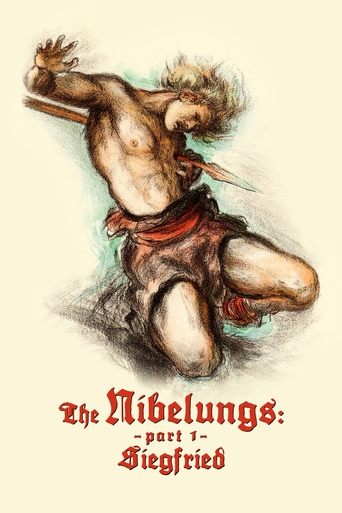
7.7Siegfried, son of King Siegmund of Xanten, travels to Worms, capital of the Burgundian kingdom, to ask King Gunther for the hand of his sister, the beautiful Kriemhild.
Die Nibelungen: Siegfried
1924
 5.8
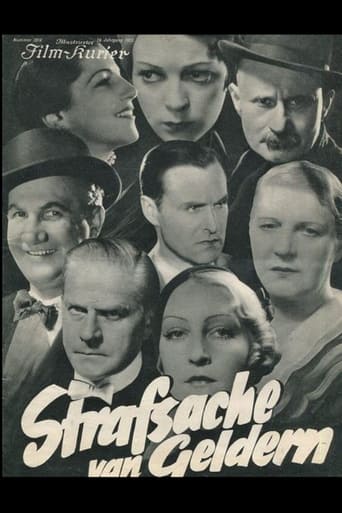
5.8Paulus van Geldern is a lawyer who has made a name for himself as a criminal defense attorney, but is notoriously short of funds due to his unbridled passion for gambling. His gambling causes problems with his marriage to Martha who is thriving.
Strafsache van Geldern
1932
Film credits

1940s · 6 titles
4.4Nazi historical drama about Duke Karl Alexander of Württemberg and his treasurer Süß Oppenheimer.
Süss, the Jew
1940
 5.9
5.9A biographical film of Otto von Bismarck, the Prime Minister of Prussia, and how he and his policies - including aggressive war - helped to unite Germany.
Bismarck
1940
 7.0
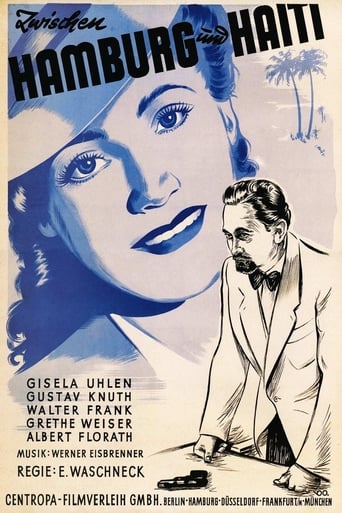
7.0A successful German overseas merchant with a plantation in Haiti is looking for a suitable wife in Hamburg and comes across a barmaid from the Reeperbahn with an illegitimate child. He wants to marry her, but she does not follow him out of nobility. In search of her, he finds her in Mexico as the secretary of his former lover, a writer.
Between Hamburg and Haiti
1940
 7.0
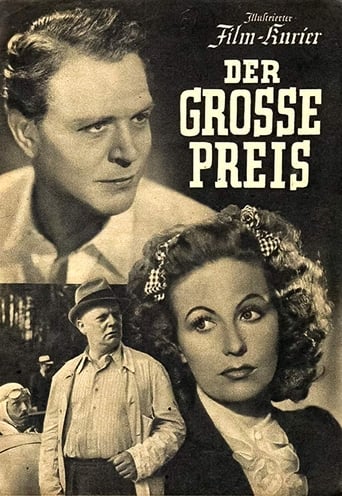
7.0The moral is simple: keep your mouth shut, especially when you're working during the wartime in a factory, which produces racing cars only, or someone can (or even must) get murdered. Not a good movie, not a bad either. The ending is abrupt and artificial, which seems to be a common plague of Third Reich's crime movies. Gustav Fröhlich could never get rid of his silent era mannerisms and overacting. But on the other side, this film is not boring and has to offer some decent plot turns and acting.
The Grand Prix
1944
 6.4
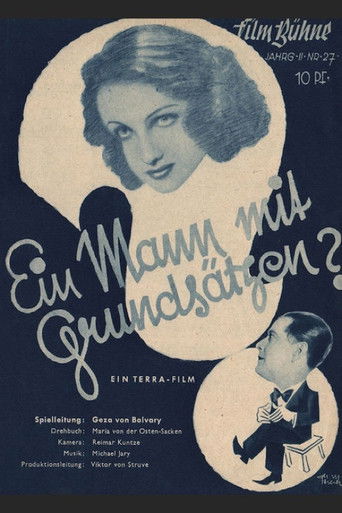
6.4The day before chemist Dr. Hans Wynhold leaves for a six months business trip to Africa, he meets chemistry student Christa Weiden. They spend the evening together in St. Pauli and fall in love. She doesn't tell him that she'll start the next day at the chemistry laboratory he works at too, because he says he doesn't like women in "men's jobs". Only after his departure the next day Christa learns about Hans' reputation as a Don Juan. In fear that she'll lose him to another woman, she follows him... and starts a series of complications.
A Man with Principles?
1943
 6.1
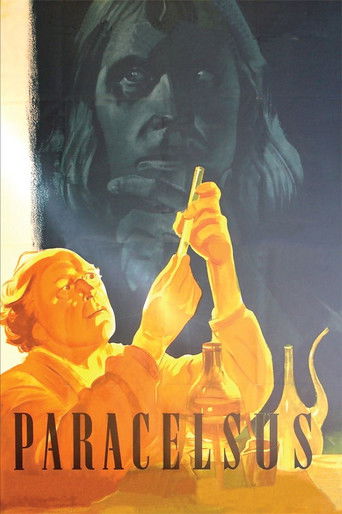
6.1The story of the Renaissance-era Swiss physician, alchemist and astrologer Philippus Aureolus Theophrastus Bombastus von Hohenheim, better known to the world as Paracelsus.
Paracelsus
1943
1930s · 18 titles
5.8Paulus van Geldern is a lawyer who has made a name for himself as a criminal defense attorney, but is notoriously short of funds due to his unbridled passion for gambling. His gambling causes problems with his marriage to Martha who is thriving.
Strafsache van Geldern
1932
 5.6
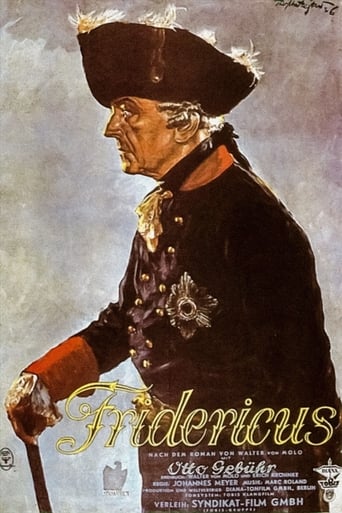
5.6In 18th century Europe, King Friedrich II of Prussia leads his army through the seven-years-war with neighboring states, and after numerous near defeats, eventually brings a victorious army back to Berlin.
Fridericus
1937
 7.5
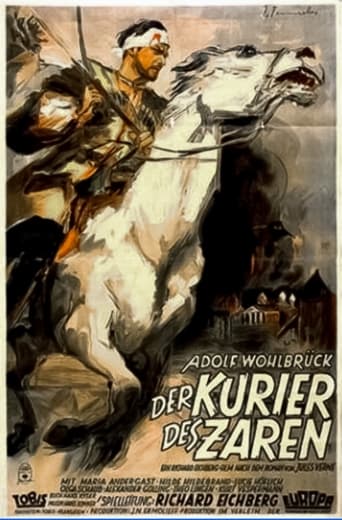
7.5A Czarist courier has to get across the Siberia frontier, threatened by Tartar invaders and a treacherous Russian helping them. Strogoff encounters several colorful characters along the way. German language version of the French film Michel Strogoff, adapting the novel by Jules Verne.
The Czar's Courier
1936
 8.0
8.0In the very old-fashioned town of Ostend suddenly 13 suitcases are delivered to the Grand Hotel, with a note, that O.F. will be here soon and needs 6 rooms. This event, probably the biggest in 300 years, starts a small wave of modernisation, yet everybody is wondering who O.F. is.
The Trunks of Mr. O.F.
1931
 6.7
6.7In 1812, during the French period, large parts of Germany are occupied by the troops of Napoleon. Several paramilitary Freikorps units battle the French forces, among them the Black Brunswickers led by the 'Black Duke' Frederick William of Brunswick-Wolfenbüttel. After the War of the Fifth Coalition, the Black Hussars are pursued by Napoleon throughout the country, but frequently take refuge with the noble-minded German people.
The Black Hussar
1932
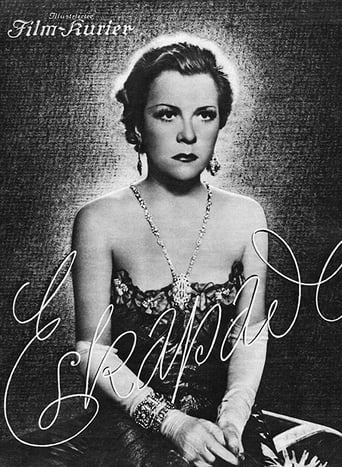 7.5
7.5No synopsis available yet.
Eskapade
1936
 6.6
6.6Country Dr. Robert Koch is desperate: a tuberculosis epidemic is decimating the children in his district and no one is able to do anything about it. Every fourth child is already sick and the parents must helplessly watch as their young ones die. Now Koch is undertaking to find the cause of the tuberculosis --- something he has already been working on for years --- which has been causing this plague of illness. His work is made more difficult by envy; for example, that of his teacher, who was wounded defending his honor. But his greatest obstacle is the famous Berliner scientist and Reichstag deputy, Privy Councilor Rudolf Virchow: He is extraordinarily skeptical of Koch's theory, that the cause for tuberculosis is a bacteria.
Robert Koch, der Bekämpfer des Todes
1939
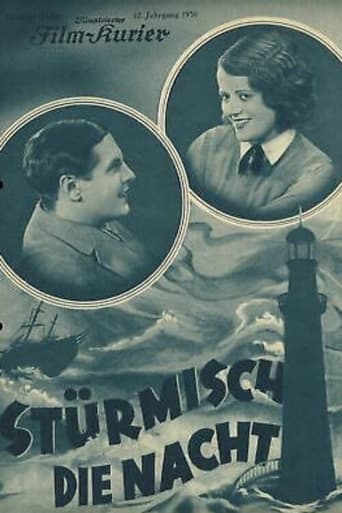 10.0
10.0No synopsis available yet.
Stormy Night
1931
 5.5
5.5Prussian King Frederick II was keen to hire the dancer Barberina, who had already enjoyed great success in Italy and England, for the Berlin opera house.
Barbarina, the King's Dancer
1932
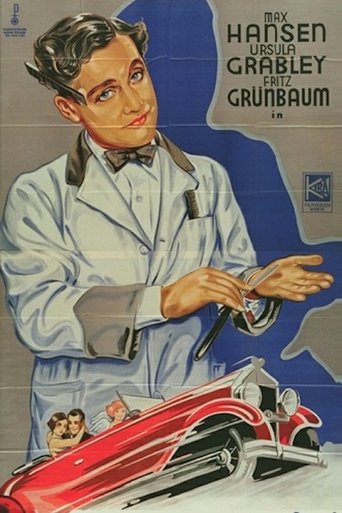 9.0
9.0Depression musical comedy about an unemployed barber who pretends to be a wealthy automobile magnate.
For Once I'd Like to Have No Troubles
1932
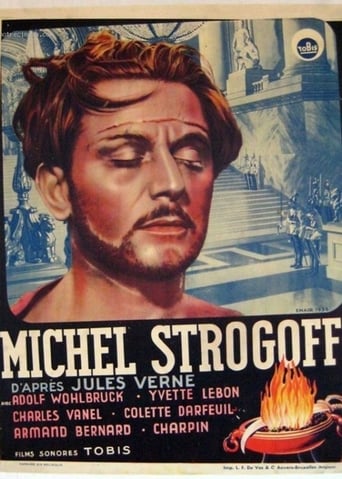 7.3
7.3The Czar charges a man to deliver a message to the Grand Duke behind enemy lines. On his way he encounters a number of adventures.
Michel Strogoff
1936
 8.3
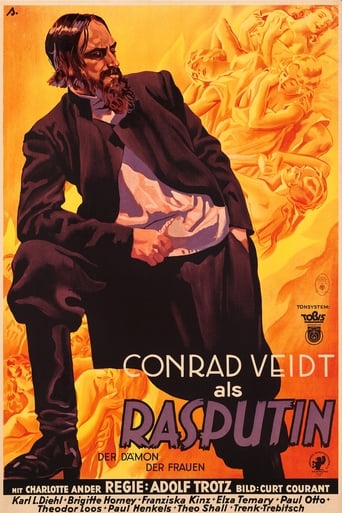
8.3The demonic Rasputin is poisoned but survives to continue seducing in evil ways, in this historical thriller.
Rasputin, Demon of the Women
1932
 7.0
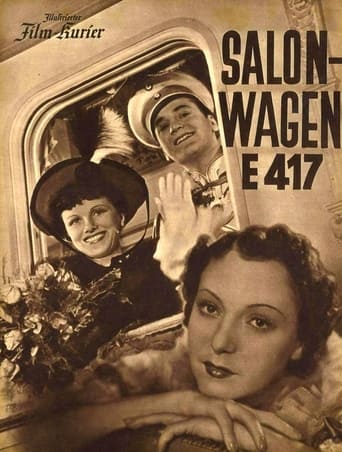
7.0In a transport museum, the items on display begin to tell their stories. Most interesting is the history of the Pullman car. In the beginning, it served as transport for a princely family; then became the headquarters car for the military high command; and then, most adventurous of all, it ended up with a circus. Converted to a bar, it finally had its day and was supposed to serve as a placard carrier. Luckily, the museum saved it from this sad fate.
Salonwagen E 417
1939
 5.8
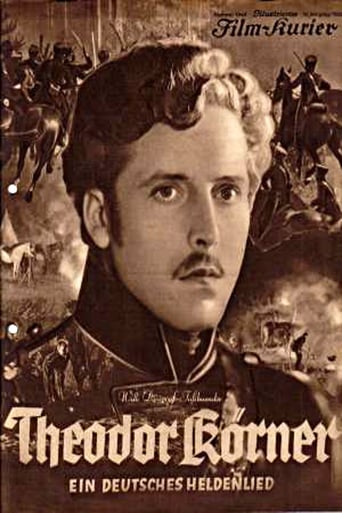
5.8No synopsis available yet.
Theodor Körner
1932
 10.0
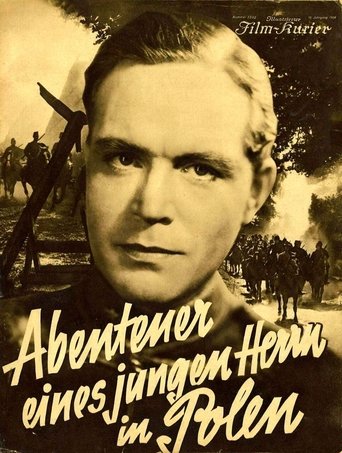
10.0An Austrian officer falls in love with a Polish girl at a Saint Petersburg New Year's Party in 191, but war soon breaks out.
Love and Alarum
1934
A detective inspector dismantles a smuggling organization by infiltrating the gang. Not a particularly exciting crime film.
Schüsse an der Grenze
1933
 9.0
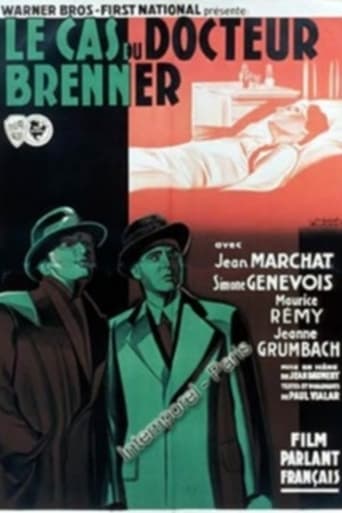
9.0Out of love for his adoptive mother, Carl Brenner allows himself to be accused and imprisoned because of an illegal operation carried out by Doctor Stefan Brenner, the legitimate son of Mrs. Brenner. A few years later, Stefan died of alcoholism and Carl made a name for himself under his name.
Le cas du docteur Brenner
1933
 6.3
6.3The film focuses on the leadership of the Great Powers of Europe in the days leading up to the outbreak of the First World War.
1914: The Last Days Before the War
1931
1920s · 30 titles
7.7Dr. Mabuse and his organization of criminals are in the process of completing their latest scheme, a theft of information that will allow Mabuse to make huge profits on the stock exchange. Afterwards, Mabuse disguises himself and attends the Folies Bergères show, where Cara Carozza, the main attraction of the show, passes him information on Mabuse's next intended victim, the young millionaire Edgar Hull. Mabuse then uses psychic manipulation to lure Hull into a card game where he loses heavily. When Police Commissioner von Wenk begins an investigation of this mysterious crime spree, he has little to go on, and he needs to find someone who can help him.
Dr. Mabuse, the Gambler
1922
7.6When Kriemhild, thirsty for revenge, marries to Etzel, king of the Huns, she invites King Gunther and his court to visit them, intending to finally take the life of the man responsible of her disgrace.
Die Nibelungen: Kriemhild's Revenge
1924
7.4As a young couple stops and rests in a small village inn, the man is abducted by Death and sequestered behind a huge doorless, windowless wall. The woman poisons herself in order to join him and is met by Death, who gives her three opportunities to prove that love is stronger than death, thereby freeing her beloved from his fate.
Destiny
1921
7.7Siegfried, son of King Siegmund of Xanten, travels to Worms, capital of the Burgundian kingdom, to ask King Gunther for the hand of his sister, the beautiful Kriemhild.
Die Nibelungen: Siegfried
1924
 6.9
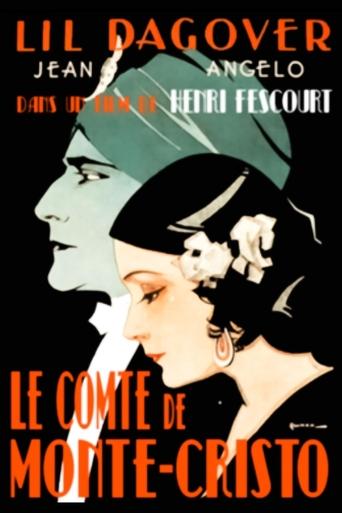
6.9Young sailor Edmond Dantès is wrongfully imprisoned, escapes, finds treasure, and reinvents himself as the wealthy Count of Monte Cristo to exact revenge on those who betrayed him.
Monte Cristo
1929
 6.5
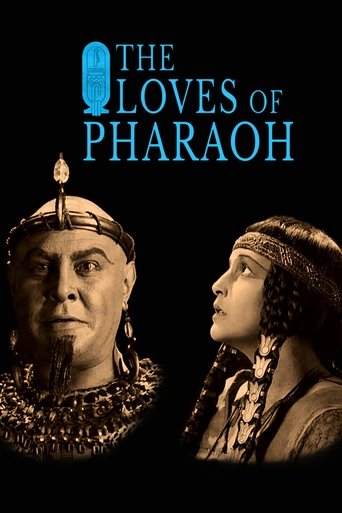
6.5The Ethiopian King offers his daughter to a powerful Pharaoh to secure peace between the two countries.
The Loves of Pharaoh
1922
 7.5
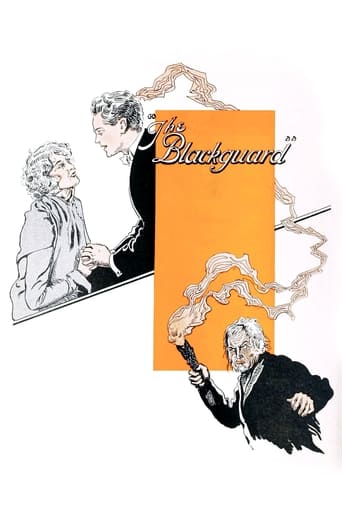
7.5A French violinist saves his beloved princess from the Russian revolution..
The Blackguard
1925
 9.0
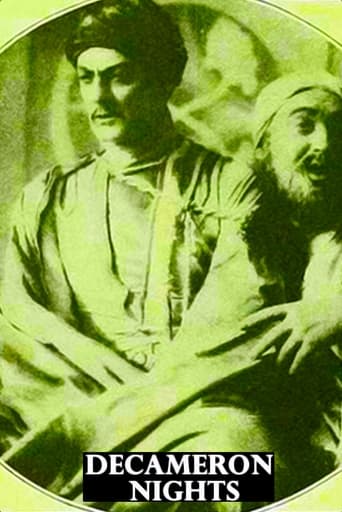
9.0A Saracen sultan's disguised son loves an amnesiac Moslem princess.
Decameron Nights
1924
 10.0
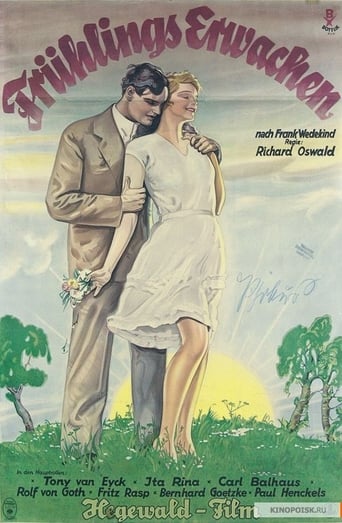
10.0Moritz Stiefel faces expulsion due to poor marks. When he is caught with an essay titled “Shame and Lust”, he is indeed kicked out – instead of classmate Melchior Gabor, who actually penned it. Gabor was drawing on his experiences with neighbourhood girl Wendla. Then Wendla turns up pregnant. Stiefel descends into despair ... Exploitation between Eros and Thanatos in this “sexual tragedy of youth” based on Frank Wedekind’s play. Setting the film in the 1920s provided a chance to explore “modern” youth culture, complete with cigarettes, jazz music, the gramophone, and a goodly bit of alcohol. Richard Oswald, a master of films of manners and young sex beginning in the 1910s, fully explores the temptations of the youthful body, even early childhood flirtatiousness. At the same time, with his target audience in mind, the film laments the bigotry and double standards of the adult world.
Spring Awakening
1929
 5.8
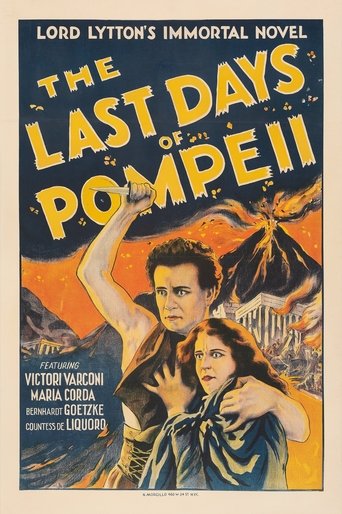
5.8Carmine Gallone and Amleto Palermi’s The Last Days of Pompeii 1926 stages in sumptuous colour tinting the epic fall of the ancient city buried by Mount Vesuvius’ eruption. Adapted from Edward Bulwer-Lytton’s love story, the film was innovative in its special effects and an early major box-office hit. A beautiful tinted restoration print was prepared using photochemical processes by Centro Sperimentale di Cinematografia-Cineteca Nazionale in the mid-1990s and the premiere screening of the restoration print was held in the amphitheatre in Pompeii, followed by a screening at the major restoration festival ‘Il Cinema Ritrovato’ in Bologna in 1998.
The Last Days of Pompeii
1926
 6.0
6.0Rowland falls sick with leprosy while Mac Allan is captured by the Maharajah, who offers Irene a deal: one night with him in exchange for letting Rowland to be cured. She accepts, but tries to commit suicide.
The Indian Tomb, Part II: The Tiger of Eschnapur
1921
No synopsis available yet.
Satans Peitsche
1920
 5.7
5.7Ayan, Maharajah of Eschnapur, believes that his wife, Princess Savitri, has been unfaithful to him with officer Mac Allan. He decides to bury her alive, so he sends the Yogi Ramigani to England to look for Herbert Rowland, an architect; but when he orders him to build a tomb, Rowland refuses.
The Indian Tomb, Part I: The Mission of the Yoghi
1921
 8.0
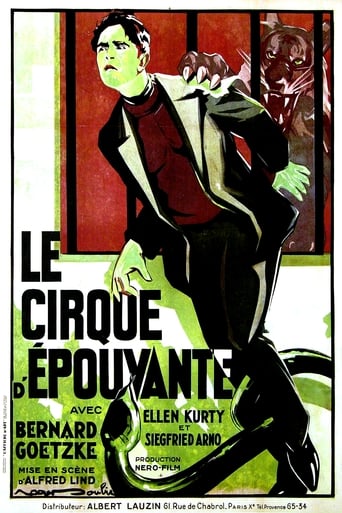
8.0Romantic pursuits seem to end only in tragedy at the Royal Circus where three men fall for the trapeze artist Ziska.
Tragedy at the Royal Circus
1928
Henry and Jeanne are lovers. They are shocked to discover that Henry’s mother once had an affair with Jeanne’s father, which resulted in a child—meaning they would be half-siblings. Overcome with shame, they decide to take their own lives, but they encounter an old ferryman who reveals yet another twist: Jeanne, too, is an illegitimate child.
Toteninsel
1921
 7.0
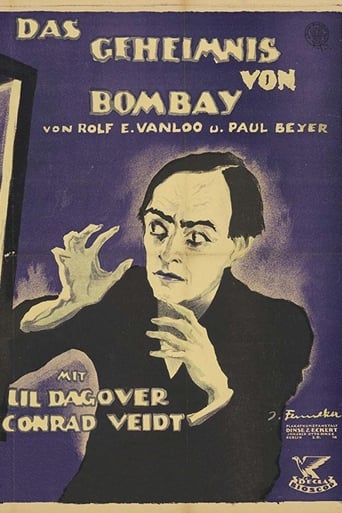
7.0Gabriela Farnese, a famous singer, visits Bombay to find her mysterious doppelganger, the dancer Concha.
Das Geheimnis von Bombay
1921
A murder has been committed! The prime suspect is the daredevil acrobat Salto King, a star performer who packs the tent at Circus Roxi every night. He is accused of killing the wealthy Count Thierry, whose lifeless body was discovered in the villa of his girlfriend, Ellen Montis. Determined to prove his innocence, Salto King makes a daring escape to avoid arrest. Convinced that Ms. Montis is the one behind the crime, he pursues her across land, water, and air—with his faithful German Shepherd, Greif, constantly by his side.
Die Todesfahrt im Weltrekord
1929
 8.0
8.0A pharaonic tragedy to the content that spans six different eras. In the first episode, the emergence and dramatic end of the love story between the pharaoh's daughter Princess Amnertis and her beloved Tirhaka is told until the latter comes to a violent death. From this drama arises a curse, which in the following episodes has had far-reaching effects over the centuries. Everyone who possesses the skull of the long-lost pharaoh's daughter must die violently until the day the skull is sunk in the sea.
Der Schädel der Pharaonentochter
1920
 6.0
6.0An adaptation of Dostoevsky's novel.
The Brothers Karamazov
1920
Prosecutor Leander is known for his heavy-handed and unyielding pleadings, demanding draconian punishments, often even the death penalty, for every accused offender. One day, he will experience first-hand how complex some legal assessments can be. Love and passion, hatred and jealousy can drive even the most righteous people to actions they would never normally commit. Therefore, not everyone who commits a crime is necessarily a criminal.
The Hangman
1928
 5.0
5.0In the Kentucky hills, a schoolteacher becomes caught in a bitter feud between a widower, his crippled son, and a reclusive hermit. Accusations and jealousy drive her into hiding, leading to love and revenge. Directed by Alfred Hitchcock, this 1926 romantic drama is now considered lost and remains one of the BFI’s most sought-after missing films.
The Mountain Eagle
1926
 9.0
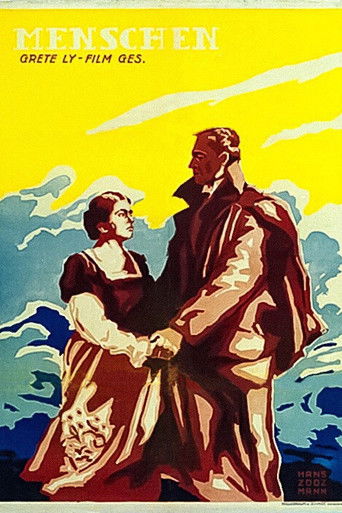
9.0Martin Berger’s 'Menschen' serves as a harrowing socio-cinematic autopsy of the human spirit, adrift in the wreckage of a post-war landscape. Far from the escapist fantasies that often dominated early Weimar screens, this 1921 opus delves into the penumbral existence of the disenfranchised. The narrative follows a fatalistic trajectory, where the characters—portrayed with a raw, almost primitive intensity—grapple with the crushing weight of systemic indifference and personal moral decay.
Menschen
1920
 6.1
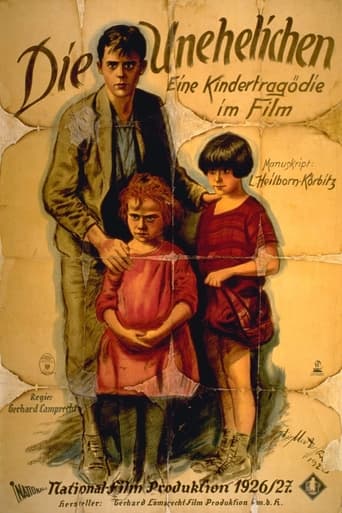
6.1If watching a fellow facing indifference/rejection in the slums of Berlin didn't convey enough pathos, Gerhard Lamprecht gathered much of the same crew from Die Verrufenen and turned his attention to the city's population of unwanted children for the heart-tugging Die Unehelichen, released the following year. The trio of foster children at the center of Die Verrufenen are survivors who use their own resourcefulness to get by when the kids' guardians and the system itself let them down.
Children of No Importance
1926
 4.9
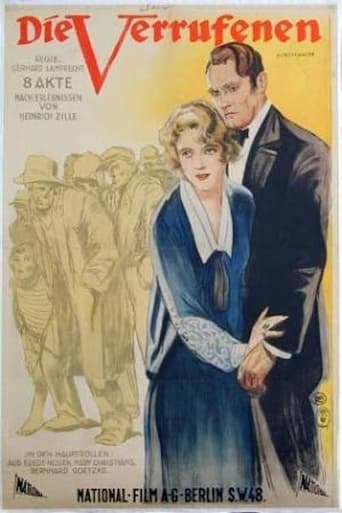
4.9It was not just the children who were treated badly by the wealthy Weimar republic. Robert Kramer is released from prison but struggles to adjust to civilian life. His father disowns him, his wife has left him for another man. There is no work. He eventually arrives in a shelter for the homeless, and seeks salvation through Emma, a prostitute.
In the Slums of Berlin
1925
No synopsis available yet.
Die Sache mit Schorrsiegel
1928
 8.0
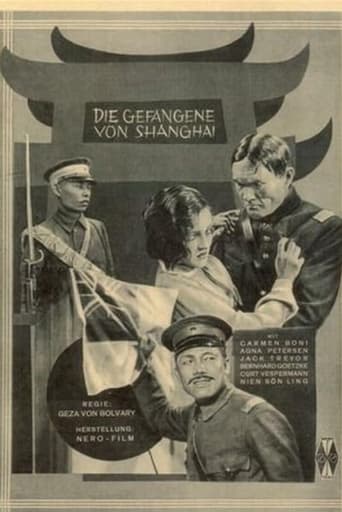
8.0Maria Sinclair, the wife of the British consul, is about to visit her husband when she is arrested by the Chinese. General Hai Lung, who is in charge, offers to give her husband his life if she would promise to stay with him instead.
Die Gefangene von Shanghai
1927
 7.0
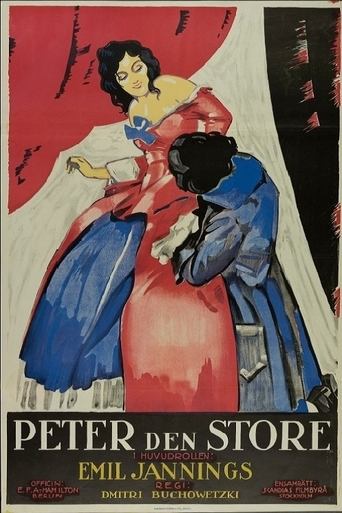
7.0Peter the Great, having become Tsar of Russia, using his shipbuilding knowledge acquired in a foreign country to establish a navy, and being able to use it, provokes a war with Sweden, defeating that country at the Battle of Poltava. This battle marks a turning point between Peter and Russia. His only son turns out to be a coward, meets a refugee girl and makes her his Empress, alienating himself from the church and many nobles. All these factors lead to a conspiracy...
Peter the Great
1922
No synopsis available yet.
Zügelloses Blut 1. Teil: Luxusfieber
1921
No synopsis available yet.
Zügelloses Blut 2. Teil: Die Diamantenfalle
1921
 10.0
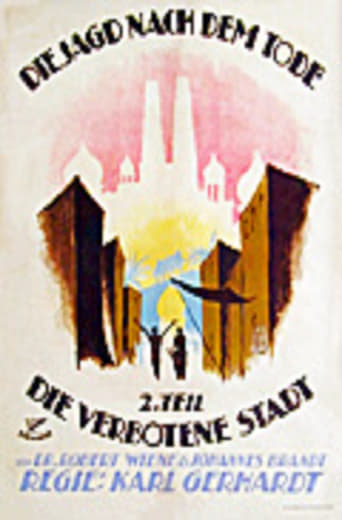
10.0In Calcutta, McAllan meets the beautiful Indian woman Malatti, with whom he immediately falls in love. The engineer quickly neglects his professional obligations and follows her. After some complications, the two of them finally get closer at her home, even if Malatti's father Badhama rejects this connection. Badhama only agrees to the planned marriage when he learns how wealthy this white man must be. After some time, McAllan returns to his large construction site, where things are going haywire. Many workers die in an explosion, and McAllan is now liable with his fortune. As a result, the engineer, who became impoverished overnight, suddenly becomes uninteresting for Malatti's father as a son-in-law, especially since with a solvent Japanese man who offers a lot of money for his daughter's hand,
Die Jagd nach dem Tode - 2. Teil: Die verbotene Stadt
1920
1910s · 5 titles
 6.5
6.5The story of Madame DuBarry, the mistress of Louis XV of France, and her loves in the time of the French revolution.
Madame DuBarry
1919
 5.6
5.6A demon, a reaper, and the ghost of a prostitute read gothic short stories and act them out.
Eerie Tales
1919
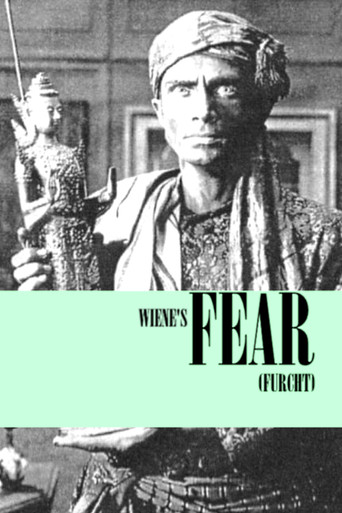 5.3
5.3A millionaire steals an ancient idol causing some natives call upon him a terrible curse.
Fear
1917
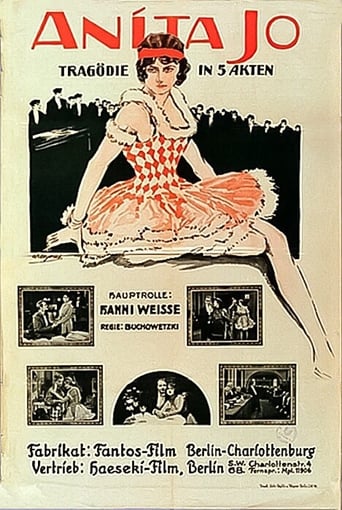 NR
NRNo synopsis available yet.
Anita Jo
1919
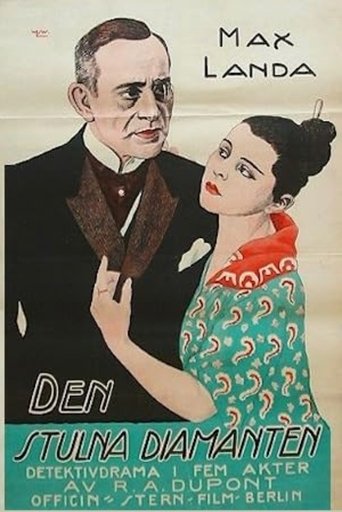 8.0
8.0A detective falls for a Japanese girl living with her uncle and cousin. When the girl's uncle is murdered, the detective must find out who killed him.
The Japanese Woman
1919