

Acting
Derrick Pitts
Born
1955-01-22 (71)
Place of birth
Philadelphia, Pennsylvania, USA
Known for
Acting
Credits
6 titles
Derrick Pitts is an American astronomer and science communicator. Pitts studied at St. Lawrence University and has been employed at the Franklin Institute since 1978 where he is chief astronomer and director of the institute's Fels Planetarium.
Known for
 7.1
The truth behind the U.S. government's secret Pentagon program on UAPs, Unidentified Aerial Phenomena, otherwise known as UFOs, is exposed.
UFOs: Investigating the Unknown
2023
 7.5
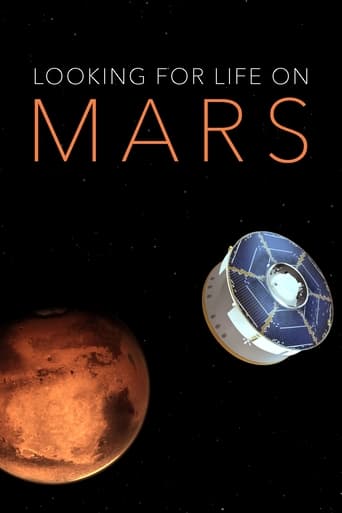
NASA launches its most ambitious hunt for traces of life on Mars, landing a car-sized rover in a rocky, ancient river delta. The rover will stow samples for possible return to Earth and test technology that may pave the way for human travel to Mars.
Looking for Life on Mars
2021
 7.0
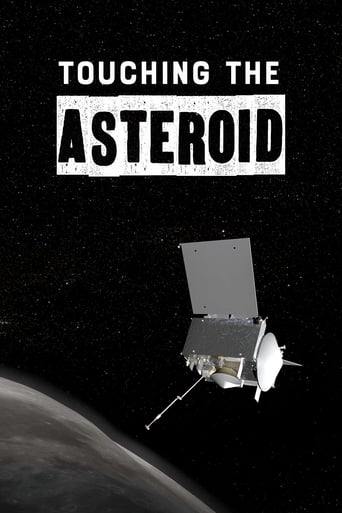
Spacecraft OSIRIS-REx attempts to grab a piece of an asteroid to bring back to Earth so scientists can study it to learn about the planet's origins.
Touching the Asteroid
2020
 5.0
What if you could get behind the wheel and race through space? We scale down the Solar System to the continental United States and place the planets along the way to better appreciate the immense scale of the Universe. See space as never before, with Mars looming over the Freedom Tower and Jupiter towering above the Lincoln Memorial. Join former astronaut Chris Hadfield - a YouTube sensation for his performance of David Bowie’s “Space Oddity” aboard the International Space Station - and his interstellar hitchhikers Michio Kaku and astronomers Derrick Pitts and Laura Danly. It’s a joyride from coast to coast - and from the sun to Pluto.
Miniverse
2017
 8.2
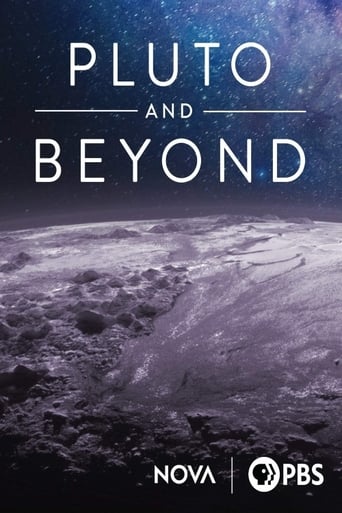
The New Horizons spacecraft attempts to fly by a mysterious object known as Arrokoth, believed to be a primordial building block of the solar system. Three years after taking the first spectacular photos of Pluto, New Horizons is four billion miles from Earth, trying to achieve the most distant flyby in NASA’s history. If successful, it will shed light on one of the least understood regions of our solar system: the Kuiper Belt.
Pluto and Beyond
2019
 NR
To Space & Back takes audiences on an incredible journey from the far reaches of our known universe to our own planet. It is an extraordinary story of human ingenuity and incredible engineering, describing how the technology that transports us through space is paving the way for the devices and apps we use every day. What is happening up there is shaping what we do down here.
To Space & Back
2013
Film credits
2020s · 2 titles
7.5NASA launches its most ambitious hunt for traces of life on Mars, landing a car-sized rover in a rocky, ancient river delta. The rover will stow samples for possible return to Earth and test technology that may pave the way for human travel to Mars.
Looking for Life on Mars
2021
7.0Spacecraft OSIRIS-REx attempts to grab a piece of an asteroid to bring back to Earth so scientists can study it to learn about the planet's origins.
Touching the Asteroid
2020
2010s · 2 titles
5.0What if you could get behind the wheel and race through space? We scale down the Solar System to the continental United States and place the planets along the way to better appreciate the immense scale of the Universe. See space as never before, with Mars looming over the Freedom Tower and Jupiter towering above the Lincoln Memorial. Join former astronaut Chris Hadfield - a YouTube sensation for his performance of David Bowie’s “Space Oddity” aboard the International Space Station - and his interstellar hitchhikers Michio Kaku and astronomers Derrick Pitts and Laura Danly. It’s a joyride from coast to coast - and from the sun to Pluto.
Miniverse
2017
8.2The New Horizons spacecraft attempts to fly by a mysterious object known as Arrokoth, believed to be a primordial building block of the solar system. Three years after taking the first spectacular photos of Pluto, New Horizons is four billion miles from Earth, trying to achieve the most distant flyby in NASA’s history. If successful, it will shed light on one of the least understood regions of our solar system: the Kuiper Belt.
Pluto and Beyond
2019