
Acting
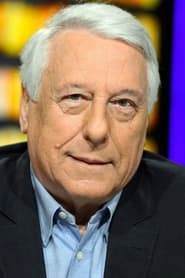
Michel Winock
Born
1937-03-19 (89)
Place of birth
Paris, France
Known for
Acting
Credits
3 titles
Michel Winock (born 19 March 1937) is a French historian, specializing in the history of the French Republic, intellectual movements, antisemitism, nationalism and the far right movements of France. He is a professeur des universités in contemporary history at the Institut d'Etudes Politiques de Paris (Sciences-Po) and member of L'Histoire magazine's editing board. Winock has also worked as a reporter for Le Monde. Winock is the author of Siècle des intellectuels (Century of Intellectuals, 1997), for which he received the Prix Médicis in 1997 in the essay category. He also wrote Voix de la liberté (Voice of Liberty, 2001), acknowledged by the Académie française, and directed the Dictionnair…
Known for
 8.5
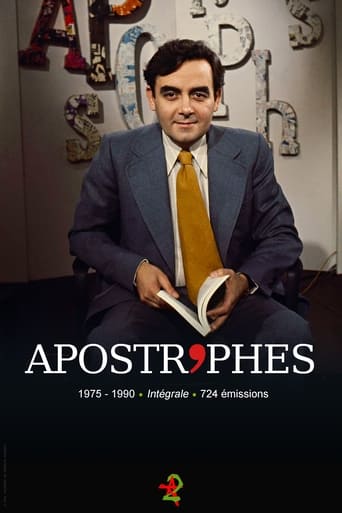
Apostrophes was a live, weekly, literary, prime-time, talk show on French television created and hosted by Bernard Pivot. It ran for fifteen years (724 episodes) from January 10, 1975, to June 22, 1990, and was one of the most watched shows on French television (around 6 million regular viewers). It was broadcast on Friday nights on the channel France 2 (which was called "Antenne 2" from 1975 to 1992). The hourlong show was devoted to books, authors and literature. The format varied between one-on-one interviews with a single author and open discussions between four or five authors.
Apostrophes
1975
 9.0
No synopsis available yet.
L'Extrême Droite dans l'Histoire : Du général Boulanger à Jean-Marie Le Pen
2002
 NR
The unity of this period was provided by nationalism. Nationalism of the Dreyfus Affair (Barrès, Maurras, Drumont, Déroulède), the republican nationalism (Péguy), and the nationalism of the "Union sacrée" of the Great War. Pitted against these nationalisms was internationalist and pacifist socialism, which would itself adhere to the "Union sacrée "in 1914. This nationalist tendency also affected the young "Nouvelle Revue française" (Gide, Schlumberger, Copeau, Ghéon, Drouin), which defended the notion literature in its own right, but which itself was shot through with the spirit of the period. In counterpoint : Romain Rolland, author of "Au dessus de la mêlée". This first documentary of the series ends with the Russian Revolution.
Les Années Zola/Barrès (1898-1918)
1999