
Directing
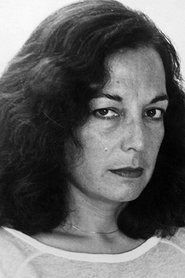
Lotty Rosenfeld
Born — Died
1943-06-20 — 2020-07-24
Place of birth
Santiago, Chile
Known for
Directing
Credits
15 titles
Lotty Rosenfeld was a Chilean visual artist recognized for her career in the vanguard scene, which emerged in Chile after the military coup of 1973; her works have been characterized by calls for resistance and questioning of political authority. She was one of the founding members of the Colectivo Acciones de Arte (CADA), an interdisciplinary group that managed various interventions during the Chilean dictatorship. She was born in Santiago and after graduating from the School of Applied Arts at the Universidad de Chile, Rosenfeld began to explore video art, intervention, performance and video installation among others. In 1979 she founded CADA with visual artist Juan Castillo, poet Raúl Z…
Known for
 10.0
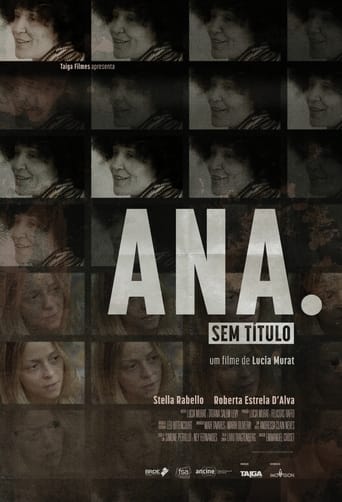
10.0Stela, a young Brazilian actress, decides to make a work on the letters exchanged between Latin American plastic artists in the 70s and 80s. She travels to Cuba, Mexico, Argentina and Chile looking for her works and testimonies about the reality they lived during the dictatorships that most of these countries faced at the time. In the midst of the investigation, Stela discovers the existence of Ana, a young Brazilian artist who was part of this world, but disappeared. Ana went from southern Brazil, from a small town in the interior to Buenos Aires. Obsessed by the character, Stela decides to find her and find out what happened to her.
Ana
2020
 NR
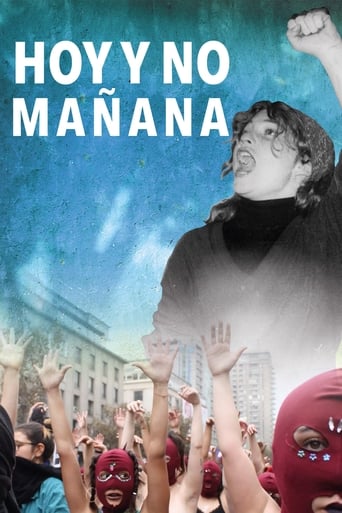
NRDuring Chilean dictatorship an exceptional group of women emerges and they will leave a unique legacy in history. It's the "Women for Life" movement. Female figures almost forgotten that in times of military dictatorship, when few dared to go out into the street, they organized by calling thousands of women who courageously manage to make art actions and lightning and unprecedented acts for the time.
Hoy y no mañana
2018
Documentary that narrates the struggles of Chilean women's movements to obtain the political vote. The thread of this documentary video is determined by an interview with the lawyer Elena Caffarena, one of the most active fighters of the cause and a sharp protagonist of her time.
Chile: Historia del Sufragio femenino (1889-1949)
1991
 NR
NRThe artist's voice-over saying "No, I wasn't happy" marks the beginning of the video-recording of this, her first art action, which consisted in the intervention to a traffic sign along a mile, specifically on Manquehue Street, in Santiago de Chile. A fundamental work within the history of 20th century Chilean art.
Una milla de cruces sobre el pavimento
1979
 NR
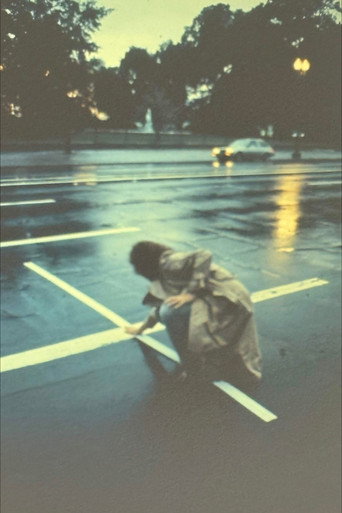
NR35mm slides from original U-matic color video
An American Wound
1982
 NR
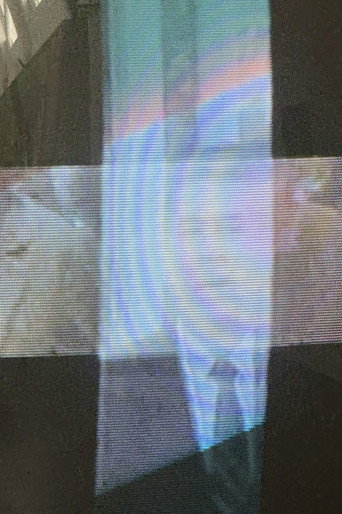
NRRosenfeld's collaged video compositions break the supposed transparency of televised news images. She often used video to call attention to the violence of language. During Pinochet's "Operation Silence," the news was highly controlled, and Rosenfeld grasped how all communication is highly codified and manipulative.
- +
1987
Film credits
Behind the camera
Documentary that narrates the struggles of Chilean women's movements to obtain the political vote. The thread of this documentary video is determined by an interview with the lawyer Elena Caffarena, one of the most active fighters of the cause and a sharp protagonist of her time.
Chile: Historia del Sufragio femenino (1889-1949)
1991
Documentary that narrates the struggles of Chilean women's movements to obtain the political vote. The thread of this documentary video is determined by an interview with the lawyer Elena Caffarena, one of the most active fighters of the cause and a sharp protagonist of her time.
Chile: Historia del Sufragio femenino (1889-1949)
1991
NRThe artist's voice-over saying "No, I wasn't happy" marks the beginning of the video-recording of this, her first art action, which consisted in the intervention to a traffic sign along a mile, specifically on Manquehue Street, in Santiago de Chile. A fundamental work within the history of 20th century Chilean art.
Una milla de cruces sobre el pavimento
1979
NR35mm slides from original U-matic color video
An American Wound
1982
NRRosenfeld's collaged video compositions break the supposed transparency of televised news images. She often used video to call attention to the violence of language. During Pinochet's "Operation Silence," the news was highly controlled, and Rosenfeld grasped how all communication is highly codified and manipulative.
- +
1987
Video installation that shows the historical disagreement between the indigenous world -the Mapuche ethnicity- and the Chilean hegemony. Differences that seem unavoidable. A cultural and political war that has lasted for more than five centuries.
La guerra de Arauco
2001
Video projection that refers to the various ways in which language operates and its learning as a discipline, in order to achieve a functional and docile individual. Working on it a visuality that puts in scene diverse social subjects, a nudist dancer, a deaf mute, popular Latin American uprisings, the testimony of the mother of a drug addict and the practice of obstetric ultrasounds. The visuality worked on in this piece is insistently intervened by voices that mortify the subject on stage, giving reading to corresponding texts a free version of the Chilean writer Diamela Eltit, based on a fragment of the work Kaspar by Peter Handke.
Who comes with Nelson Torres?
2001
 NR
NRNo synopsis available yet.
El Padre Mío
1984
In 1983 Rosenfeld joined Movimiento Unitario Mujeres por la Vida (Women for Life Movement), which united women from diverse social organizations and political parties demanding justice through feminist public demonstrations. This video documents the organization's Women's Day protests in 1986, during which the women chanted together, "Because we are more, we will overcome!" These peaceful calls to amplify the words of women were brutally repressed by the military in Chile.
Woman's Word
1986
 NR
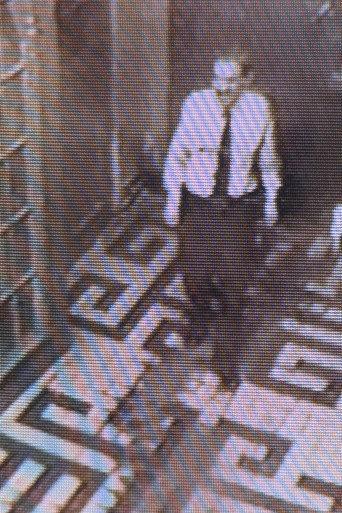
NRReflecting on decades of economic fallout from the Pinochet regime, Rosenfeld used surveillance footage from a pawn shop in Santiago where customers sold their jewelry to pay off debts. The video's pace signals the dizzying circulatio of commodities. The artist's soundtrack of guttural vocalizations could imply strenuous efi or intense bodily pleasure. The title stresses tha a pawn is both a powerless player and a pledge! to an exhausting financial system with an insatiable greed for more.
The Pawning of Latin America
1998
 NR
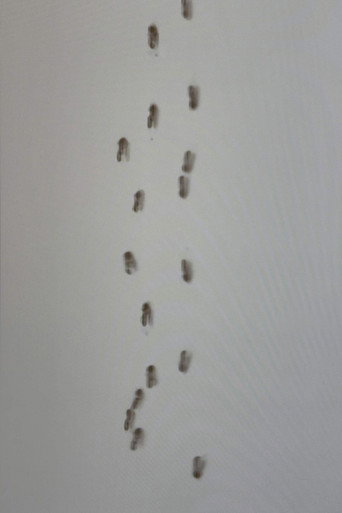
NRRosenfeld is well-known for her experimental videos, some of which involved projection onto buildings and other outdoor surfaces. She projected these marching ants onto a variety of sites, including the Presidential Palace in Santiago and an oil rig off the Strait of Magellan. One of the many components of a larger audiovisual project, the ants-with their highly stratified behavior, defined by a strict division of labor and social caste-serve as a potent parallel for our own behavior.
Point of Order
2002
 NR
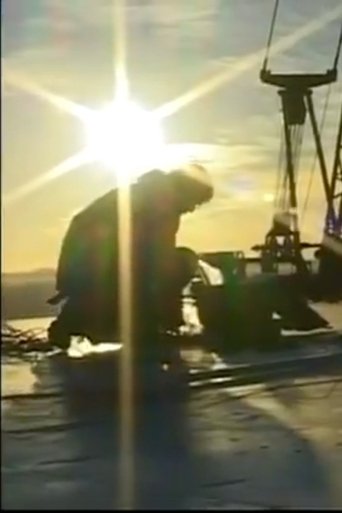
NR"Moción de Orden" is one of the video pieces corresponding to a video installation by the artist Lotty Rosenfeld. In the work we see the image of a maritime oil platform in the South of Chile, the image surrounds it, flying over. You hear the constant sound of the helicopter, and a voice-over text at the end.
Moción de orden
2002