
Directing
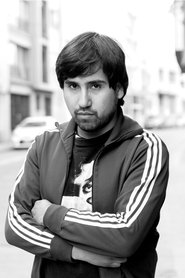
Juan Francisco González
Born
1989-04-20 (37)
Place of birth
Punta Arenas, Chile
Known for
Directing
Credits
7 titles
Juan Francisco González was born in Punta Arenas, Chile, in 1989. He studied film at EICTV in San Antonio de los Baños and at Ateliers Varan in Paris. In 2020, he directed the 45-minute film Maria K, which was selected for Cinéma du Réel. For this film, he received the Audience Award at the Première Fenêtre Festival and a Special Mention from the Jury at FIDOCS. His work has also been selected for Doclisboa and FIDBA, among others. In 2022, his short film Fantasmagoria was selected for Doclisboa, as well as more than 60 other festivals around the world, where it received multiple awards. He was an artist in residence at the Casa de Velázquez for the period 2024–2025.
Known for
 NR
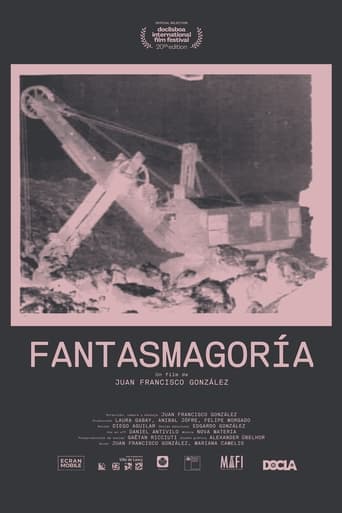
In the middle of Atacama Desert, vestiges of the last nitrate industry are found, while the residents witness the crash of an industry located in the driest place on Earth.
Fantasmagoría
2023
 10.0
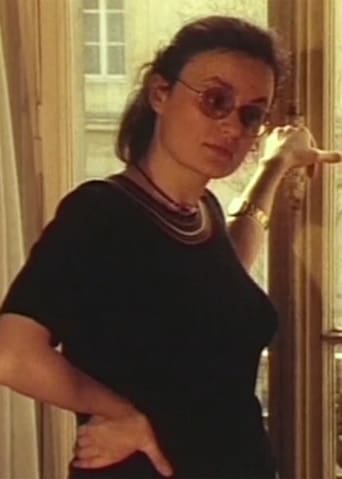
A secret figure in French underground cinema, Maria Koleva has filmed all over Paris, written about Marx and rubbed shoulders with the likes of Serge Daney. This documentary is a portrait of a histrionic Koleva, trying to reveal her militant, poetic and cinematographic universe, located in the Latin Quarter of Paris.
María K
2020
 NR
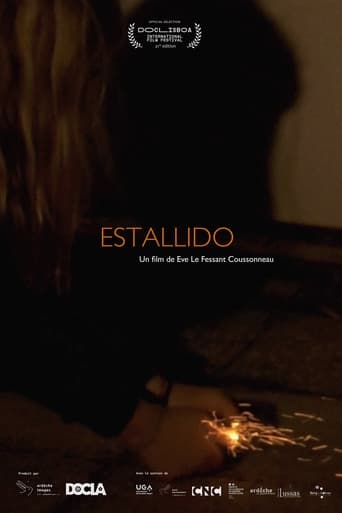
Tiziano is a little boy almost like the others, who grows up between the demonstrations in Chile, the history of his family and the innocence of his age.
Sparks
2023
 8.0
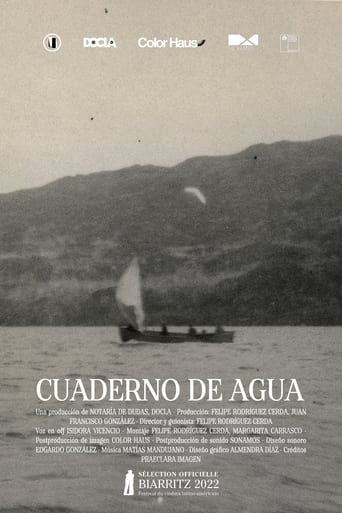
The writtings of a relegate to the Patagonian archipelago during the chilean military dictatorship are found 35 years later. The notebook takes us into his encounters with the inhabitants of the Guaitecas Islands and their ways of life deeply linked to the sea.
Water notebook
2022
 NR
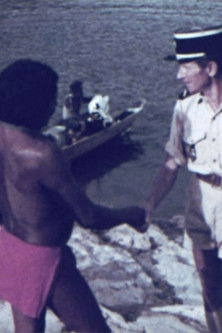
After 20 years of traveling through Latin America, a French-Swiss ethnographer disappears from the map. Using travel journals from various ethnographers and non-fiction film archives, the author imagines and constructs a travel diary of the unknown and incognito ethnographer from the 1950s and 1970s, a testimony to the industrial transformation, evangelization, and ethnocide of Latin American communities.
El Viaje perdido
—
Behind the camera
NRIn the middle of Atacama Desert, vestiges of the last nitrate industry are found, while the residents witness the crash of an industry located in the driest place on Earth.
Fantasmagoría
2023
NRIn the middle of Atacama Desert, vestiges of the last nitrate industry are found, while the residents witness the crash of an industry located in the driest place on Earth.
Fantasmagoría
2023
10.0A secret figure in French underground cinema, Maria Koleva has filmed all over Paris, written about Marx and rubbed shoulders with the likes of Serge Daney. This documentary is a portrait of a histrionic Koleva, trying to reveal her militant, poetic and cinematographic universe, located in the Latin Quarter of Paris.
María K
2020
NRTiziano is a little boy almost like the others, who grows up between the demonstrations in Chile, the history of his family and the innocence of his age.
Sparks
2023
8.0The writtings of a relegate to the Patagonian archipelago during the chilean military dictatorship are found 35 years later. The notebook takes us into his encounters with the inhabitants of the Guaitecas Islands and their ways of life deeply linked to the sea.
Water notebook
2022
NRAfter 20 years of traveling through Latin America, a French-Swiss ethnographer disappears from the map. Using travel journals from various ethnographers and non-fiction film archives, the author imagines and constructs a travel diary of the unknown and incognito ethnographer from the 1950s and 1970s, a testimony to the industrial transformation, evangelization, and ethnocide of Latin American communities.
El Viaje perdido
—