
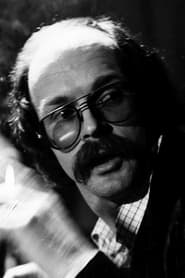
Directing
Jerzy Moniak
Born — Died
1947-04-08 — 2010-03-07
Place of birth
Częstochowa, śląskie, Polska
Known for
Directing
Credits
8 titles
Known for
 7.0
Poland in the mid-1970s. In a small town, the student theater is preparing its premiere.
Leisure Time
1979
 7.1
A young Polish filmmaker sets out to find out what happened to Mateusz Birkut, a bricklayer who became a propaganda hero in the 1950s but later fell out of favor and disappeared.
Man of Marble
1977
 5.1
A story of a mother who had to change her profession from a teacher to a high class prostitute to make a living.
Daughters of Fortune
1999
The final stage of the great artist's life, a stage in which Witkacy decides to destroy himself. A growing sense of danger, the futility of all actions, and fear of what is to come accompany him constantly during his escape from Warsaw to the East at the outbreak of World War II. Everyday facts and events are intertwined in the film with reminiscences and images from his life, supported by the artist's inner monologue. The style of narration and the way of filming make the film a poignant study of the writer's inner disintegration. By emphasizing the painterly quality of the image and introducing dreamlike themes, Kluba captures on screen the characteristics of both Witkacy's playwriting and painting.
Gwiazda Piołun
1988
 6.9
An ironic look at a climber who decides to do anything to get a job he thinks will launch him into a better career.
Top Dog
1978
 4.5
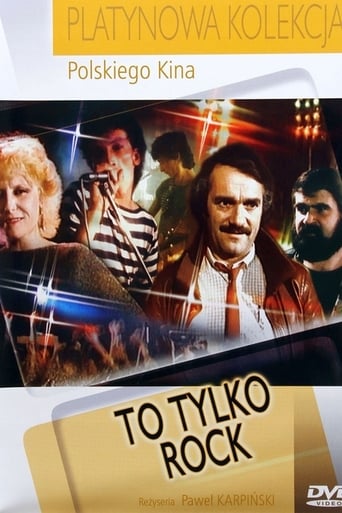
After watching a concert by a fledgling rock band, renowned songwriter Marczak decides to promote only its vocalist, Sylwia. The girl decides to leave her bandmates, including her boyfriend, Janek. She is to perform at a festival in Gradów. Marczak's ex-wife, singer Majka Lenczewska, whom he drove to a nervous breakdown, wants to return to the stage. Marczak asks Majka's current husband to compose a song for Sylwia. He agrees on the condition that the songwriter will not help Majka make her comeback.
It's Only Rock
1984
Film credits
1990s · 1 titles
1980s · 3 titles
The final stage of the great artist's life, a stage in which Witkacy decides to destroy himself. A growing sense of danger, the futility of all actions, and fear of what is to come accompany him constantly during his escape from Warsaw to the East at the outbreak of World War II. Everyday facts and events are intertwined in the film with reminiscences and images from his life, supported by the artist's inner monologue. The style of narration and the way of filming make the film a poignant study of the writer's inner disintegration. By emphasizing the painterly quality of the image and introducing dreamlike themes, Kluba captures on screen the characteristics of both Witkacy's playwriting and painting.
Gwiazda Piołun
1988
4.5After watching a concert by a fledgling rock band, renowned songwriter Marczak decides to promote only its vocalist, Sylwia. The girl decides to leave her bandmates, including her boyfriend, Janek. She is to perform at a festival in Gradów. Marczak's ex-wife, singer Majka Lenczewska, whom he drove to a nervous breakdown, wants to return to the stage. Marczak asks Majka's current husband to compose a song for Sylwia. He agrees on the condition that the songwriter will not help Majka make her comeback.
It's Only Rock
1984
A young PhD student is trying to get 34 dogs for his research.
Wyłap
1984
1970s · 4 titles
7.0Poland in the mid-1970s. In a small town, the student theater is preparing its premiere.
Leisure Time
1979
7.1A young Polish filmmaker sets out to find out what happened to Mateusz Birkut, a bricklayer who became a propaganda hero in the 1950s but later fell out of favor and disappeared.
Man of Marble
1977
6.9An ironic look at a climber who decides to do anything to get a job he thinks will launch him into a better career.
Top Dog
1978
 4.3
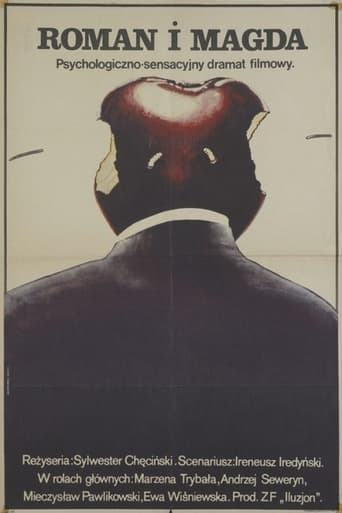
A moral action drama showing a crisis and breakup of a married couple from the perspective of the both spouses, Roman and Magda. Through flashbacks the film reveals a shocking study of the disintegration of the relationship between two adult people and their gradual dehumanization.
Roman and Magda
1979