
Acting
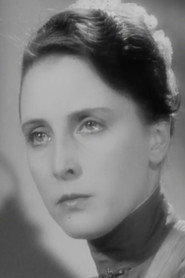
Dorothea Wieck
Born — Died
1908-01-03 — 1986-02-20
Place of birth
Davos, Switzerland
Known for
Acting
Credits
53 titles
Dorothea Wieck, born Dora Bertha Olavia Wieck (3 January 1908 in Davos, Switzerland – 20 February 1986 in Berlin, West Germany), was a German theatre and film actress. Wieck launched her acting career on stage in 1924 and made her screen debut in German films in 1926, appearing in several silent films. She became widely known through her leading role in the 1931 film Mädchen in Uniform (Girls in Uniform). Her American film debut came in Cradle Song (1933). Wieck appeared in around 50 films and played on the stages of many large theatres, notably at the Deutsches Theater and the Schillertheater, Berlin. She also worked as a theatre director. After World War II, she appeared in films only in…
Known for
No synopsis available yet.
German Film Award
1951
 8.0
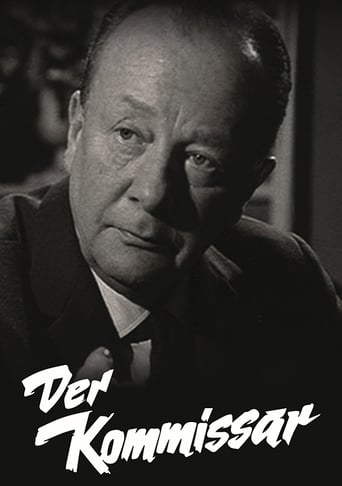
8.0Der Kommissar is a German television series about a group of detectives of the Munich homicide squad. All 97 episodes, which were shot in black-and-white and first broadcast between 1969 and 1976, were written by Herbert Reinecker and starred Erik Ode as Kommissar Herbert Keller. Keller's assistants were Walter Grabert, Robert Heines, and Harry Klein who, in 1974, was replaced by his younger brother Erwin Klein.
The Commissioner
1969
 7.2
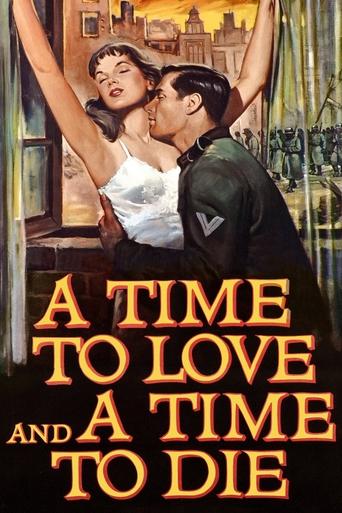
7.2A German soldier home on leave falls in love with a girl, then returns to World War II.
A Time to Love and a Time to Die
1958
 7.2
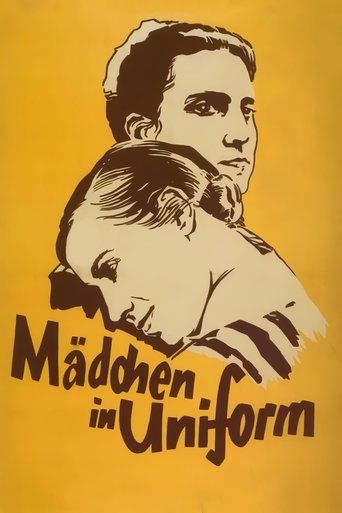
7.2A sensitive girl is sent to an all-girls boarding school and develops a romantic attachment to one of her teachers.
Mädchen in Uniform
1931
 8.5
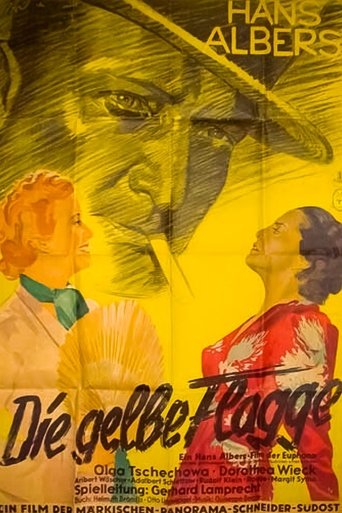
8.5An adventurer, Peter Diercksen, travels to South America to guide an expedition into the jungle. However, when the ship is quarantined he believes he has a serious disease. He does not accompany the trip, which runs into major problems.
The Yellow Flag
1937
 8.0
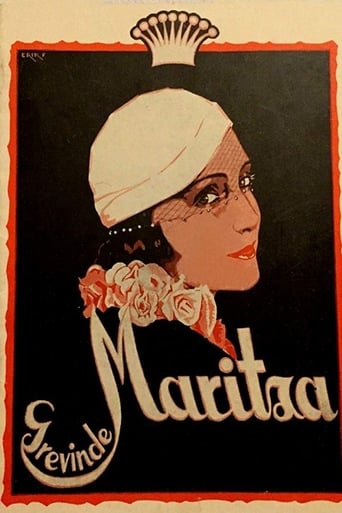
8.0When Gräfin Mariza visits her country estate it is certainly an event. She gives a party to celebrate her engagement to a certain Koloman Zsupan, who unexpectedly shows up. Her authoritarian ways collide with Török, her manager. Based on Emerich Kálmán operetta.
Countess Mariza
1932
Film credits
1960s · 5 titles
 7.0
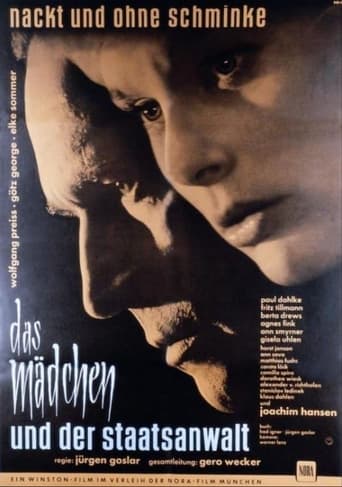
7.0A mother is sentenced to one year in prison for matchmaking her underage daughter with her adult boyfriend.
Das Mädchen und der Staatsanwalt
1962
 7.1
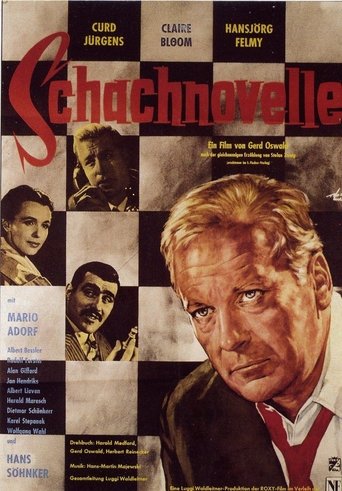
7.1Werner von Basil, a Austrian intellectual, was captured by the Nazis in 1938. They want to break him to confess smuggling. Without any mental sustenance, the only thing left to keep his mind busy is an old tactics book for chess.
Brainwashed
1960
No synopsis available yet.
Die Revolution entläßt ihre Kinder
1962
No synopsis available yet.
Bäume sterben aufrecht
1967
No synopsis available yet.
Die Nacht in Zaandam
1960
1950s · 17 titles
7.2A German soldier home on leave falls in love with a girl, then returns to World War II.
A Time to Love and a Time to Die
1958
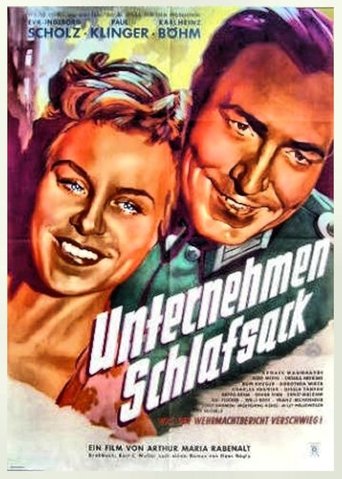 10.0
10.0During the closing stages of the Second World War, a bureaucratic mistake leads to a German officer being reassigned from the dangerous Eastern Front to Berlin and a new non-existent unit.
Unternehmen Schlafsack
1955
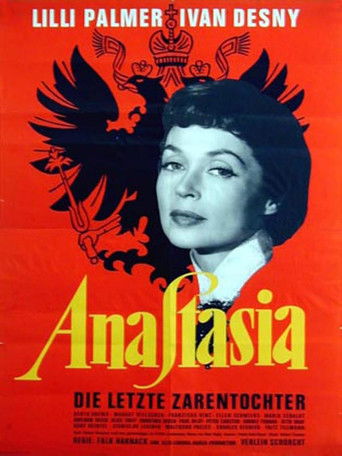 6.5
6.5In 1920, an unknown 24-year-old woman was fished out of Berlin's Landwehr kanal after a suicide attempt. Since she has no papers and no answers to any questions, they soon assign them to the insane asylum Dallendorf. A co-patient believes she recognizes the Czar's daughter Anastasia Romanowa - who apparently was the only one who survived the murder of the tsar's family in 1918.
Anastasia: the Czar's Last Daughter
1956
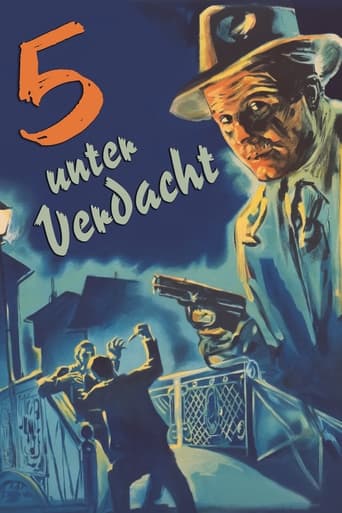 8.5
8.5In the Danish port city of Belgesund, the caretaker of a private high school has fallen victim to murder. Detective Thomsen takes on the case and finds that behind the clean facade there are abysses. He has five suspects in mind: the teacher Berling, who is having a relationship with a student, the twin brother and sole heir of the murdered man, the murdered man's shady roommate, the primary school teacher Klaus Erikson and his brother Jakob.
City in the Fog
1950
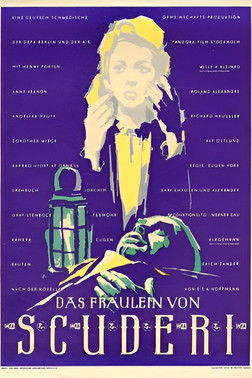 9.0
9.0Several men have been murdered lately, mostly rich lovers on their way to meet their mistresses with gifts of fine jewelry. To fight this scourge, King Louis XIV decides to create a special court named "La chambre ardente", designed to find and punish the perpetrators of such heinous crimes. An unexpected person, Mademoiselle de Scudéry, the famous poetess, will find herself entangled in the web of a criminal intrigue linked with the jewel murders, along with a a goldsmith, his daughter and her fiancé...
The Lady of Scuderi
1955
Ten years ago, at the end of WW2, 7-year-old Beate was separated from her parents while fleeing. A wealthy couple from Hamburg took her in. But now her less affluent parents have found their lost daughter and are bringing her back to Berlin. Beate doesn't feel at home there, but she doesn't want to go back to Hamburg either. She escapes into a relationship with a musician. Only when that fails does she realize that she belongs with her real parents.
Roman einer Siebzehnjährigen
1955
 6.4
6.4No synopsis available yet.
Der Froschkönig
1954
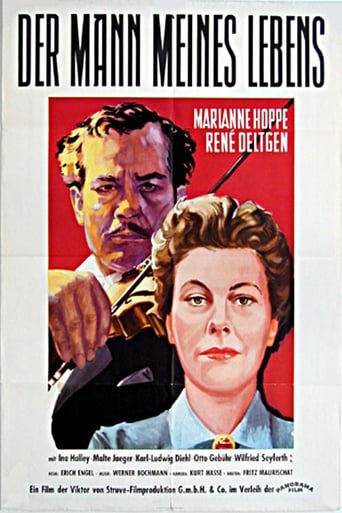 8.0
8.0No synopsis available yet.
Der Mann meines Lebens
1954
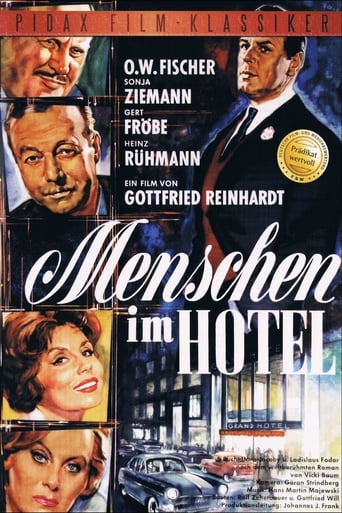 6.8
6.8Based on a book by Vicki Baum, all of the action takes place in one day in a luxury hotel in Berlin. Grusinkaya is a ballerina staying at the hotel, other guests include Baron von Gaigern a sophisticated thief, Otto Klingelein a dying man, Preysing a businessman, and a stenographer. Events intertwine the lives of these strangers, bringing them together for some dramatic moments.
Grand Hotel
1959
No synopsis available yet.
Morgen wirst Du um mich weinen
1959
After a carnival celebration, young Erika Hansen is offered a lift by two young men in a car. The men become abusive. Erika rushes out of the car and is seriously injured. She is brought to a gynecoligal clinic for an acute operation.
Notes from a Gynecologist's Diary
1959
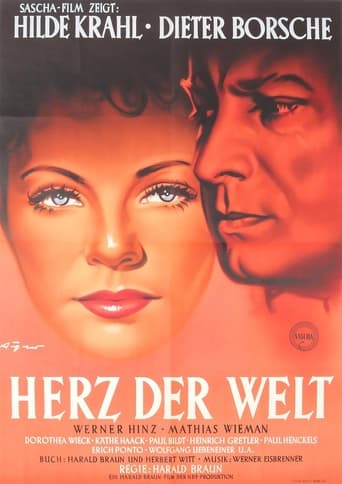 5.8
5.8Directed by Harald Braun and told from the perspective of Bertha von Suttner, the first female to receive the Nobel Peace Prize, The Alfred Nobel Story - No Greater Love chronicles the life of scientist, inventor, and businessman Alfred Nobel. Nobel built a massive fortune throughout his life, and while much if it was amassed by his inventions--dynamite being perhaps the most notable--he was also revered for his discoveries within the fields of science and economics. Upon his death, Nobel decided that his fortune was simply too great to continue in the form of an inheritance or single charitable donation, opting instead to use the money as reward for the greatest contributors to physics, chemistry, medicine, literature, and, of course, peace.
No Greater Love
1952
 7.0
7.0Thomas Holinka has returned home from war and captivity. In the absence of a suitable home, he finds himself in what seems to be an abandoned monastery. When the nuns return, a conflict is inevitable because Holinka is addicted to alcohol and gambling .
Behind Monastery Walls
1952
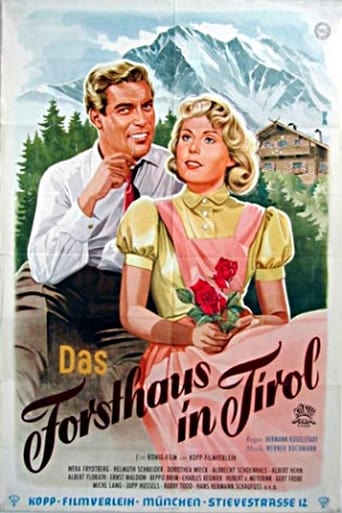 7.0
7.0No synopsis available yet.
Das Forsthaus in Tirol
1955
No synopsis available yet.
Das seltsame Leben des Herrn Bruggs
1951
No synopsis available yet.
Maß für Maß
1958
 8.0
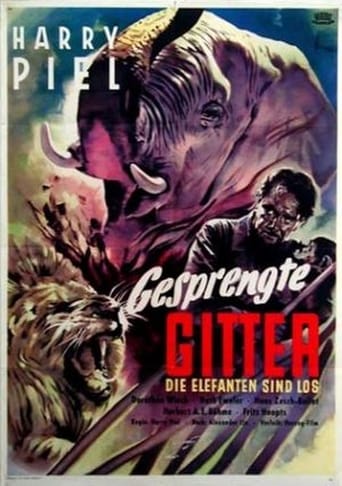
8.0German big game hunter brings elephants back from Africa safely through enemy lines, but they go on a stampede in Berlin. Filming began during WWII in Germany, but production was stopped because story showed Third Reich police and military having problems coping with an elephant stampede; after the War, it got completed by its originator, and exported to the US with English dubbed, while removing all references to its 1940s German origins!
Elephant Fury
1953
1940s · 6 titles
 5.8
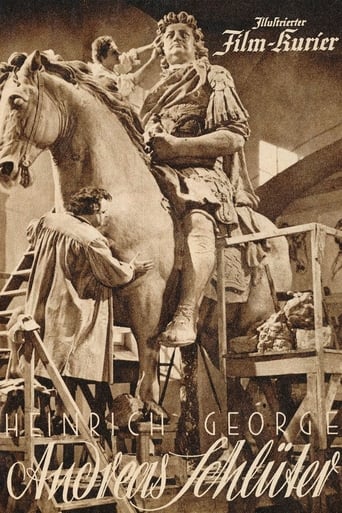
5.8Historical drama portraying the life of German baroque architect Andreas Schlüter.
Andreas Schlüter
1942
 7.2
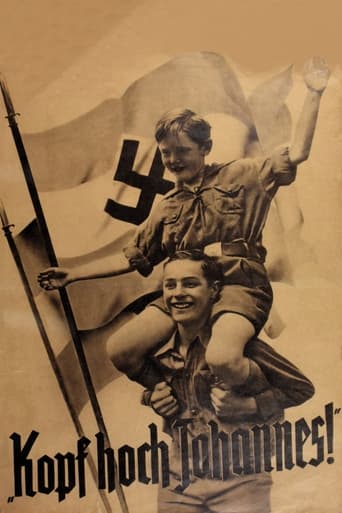
7.2The exploits of a young German youth during World War II in Argentina.
Kopf hoch, Johannes!
1941
 8.0
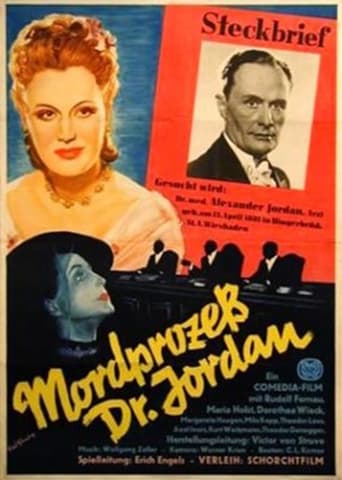
8.0Dr. Alexander Jordan murders his mother-in-law.
Mordprozeß Dr. Jordan
1949
No synopsis available yet.
Leb’ wohl, Christina
1945
 8.0
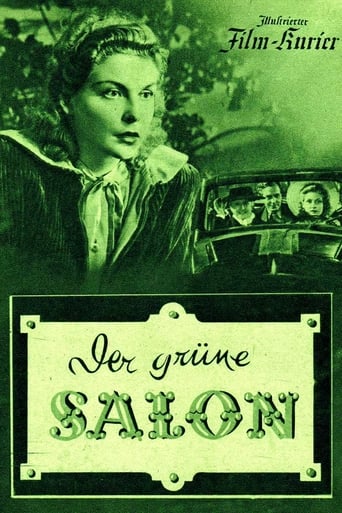
8.0For the old privy Frau Butow, the green salon in her comfortable Berlin apartment is both an untouchable relic from the past as well as a refuge from the cares of everyday life. Enthroned in her salon, she wishes to neither hear not see the changes the world is going through and the problems these changes are bringing about. Frau Butow lives in an illusory world, in which problems aren't allowed. Thus, she knows nothing of the problems of her children and grandchildren; nor her son's business problems; nor even the health problems of her daughter. Only granddaughter Sabine doesn't want to come to terms with the unworldly attitude of her grandmother. So she tells her about her love for the architectural student Wolf, who has to earn his money as a bricklayer. The old woman is horrifeid and doesn't want to hear anymore! But Sabine won't shut her mouth.
The Green Salon
1944
An Italian film from 1943.
Inviati speciali
1943
1930s · 17 titles
7.2A sensitive girl is sent to an all-girls boarding school and develops a romantic attachment to one of her teachers.
Mädchen in Uniform
1931
8.5An adventurer, Peter Diercksen, travels to South America to guide an expedition into the jungle. However, when the ship is quarantined he believes he has a serious disease. He does not accompany the trip, which runs into major problems.
The Yellow Flag
1937
8.0When Gräfin Mariza visits her country estate it is certainly an event. She gives a party to celebrate her engagement to a certain Koloman Zsupan, who unexpectedly shows up. Her authoritarian ways collide with Török, her manager. Based on Emerich Kálmán operetta.
Countess Mariza
1932
 6.0
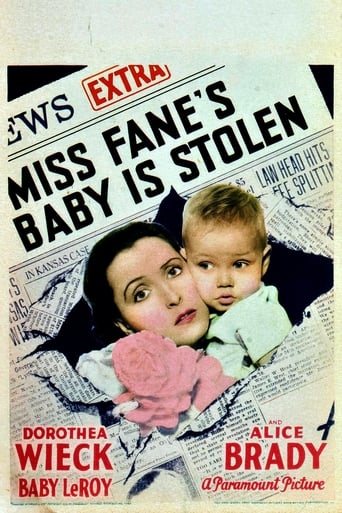
6.0Miss Madeline Fane is a famous California screen star who has been devoted to her baby son Michael since her husband's death the previous year. One morning she awakens to find Michael has been kidnapped. After a day, she calls in the police, who instantly begin an all-out search.
Miss Fane's Baby Is Stolen
1934
 6.3
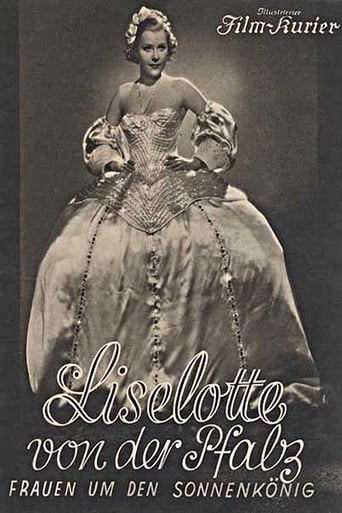
6.3The film portrays the life of the Heidelberg-born Elizabeth Charlotte, Princess Palatine, who married into the French royal family during the reign of Louis XIV.
Liselotte of the Palatinate
1935
Four school chums who meet yearly are missing their friend, who was working in a Stockholm bank and supposedly killed himself. But was it murder, instead?
The Fourth Did Not Show Up
1939
 6.4
6.4Prague in the 1860s: Balduin is a popular, handsome student, the best fencer in town, in amicable rivalry with his friend Dahl for the affections of Lydia, the innkeeper's niece. While the students are celebrating Lydia's birthday, the opera singer Julia Stella arrives at the inn - and Balduin's life begins to unravel. He is immediately infatuated with the glamorous singer - but she is already kept by an admirer, the wealthy and foppish Baron Waldis. How can a poor student hope to compete? The mysterious Dr. Carpis, who also has ties to Julia and is jealous of the Baron, intervenes. But the price will be higher than Balduin can ever imagine. He risks his sanity and his life - perhaps his very soul - haunted by his own reflection.
The Student of Prague
1935
 10.0
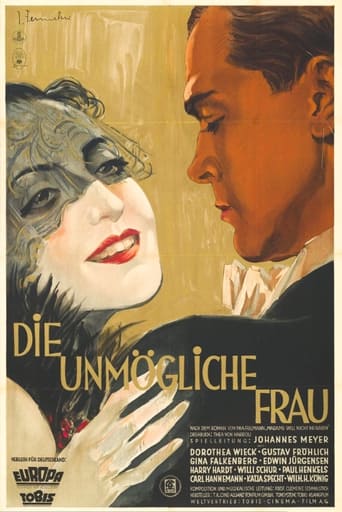
10.0No synopsis available yet.
Die unmögliche Frau
1936
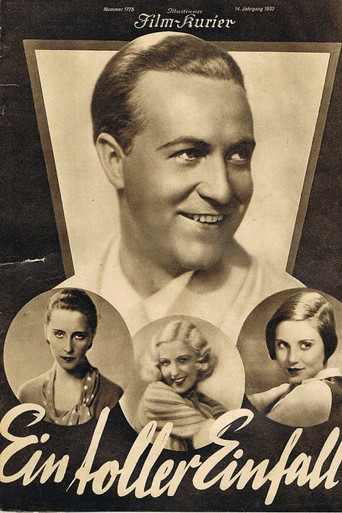 7.0
7.0A series of stupid coincidences causes the young Munich painter Paul to convert his uncle's castle into a hotel for four weeks. But he can't complain: business is good and he has plenty of guests. For exmple, there's Theo Muller with his revue troupe. For reasons of "sound", Muller calls himself "Miller", which, of course, causes more confusion. His daughter, the beautiful Evelyn, is confused with Mabel Miller, who has come to the hotel on a mission for her filthy rich father ... namely, to estimate the worth of the castle.
A Mad Idea
1932
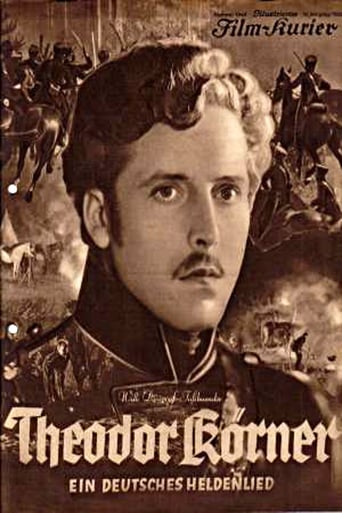 5.8
5.8No synopsis available yet.
Theodor Körner
1932
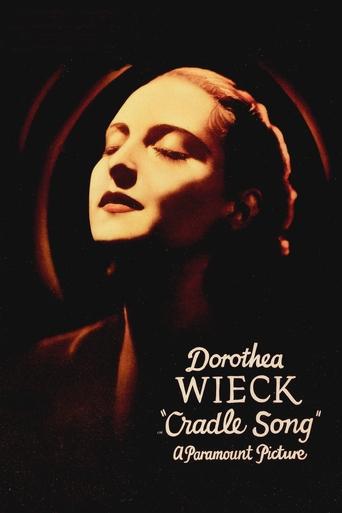 10.0
10.0In a deeply cloistered convent, nun Dorothea Wieck raises a foundling to be Evelyn Venable. But at 17, what if, guided by a kindly doctor, she sees the world and finds love?
Cradle Song
1933
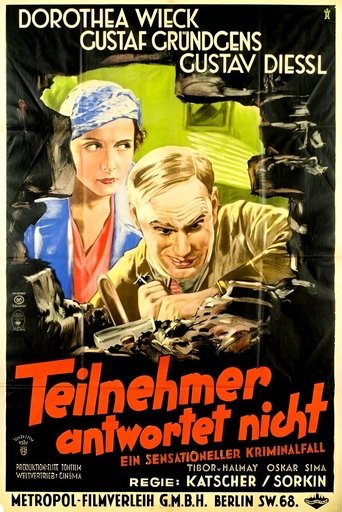 5.8
5.8No synopsis available yet.
Teilnehmer antwortet nicht
1932
Dr. Ivar Andersson, introduced by his colleague, Sigrid Mall, is the new German teacher for the underclassmen in a girl’s high school. As is to be expected, there’s soon a whole swarm of girls vying for his attention, but none as much as Kerstin Dahlberg, who lives with her Aunt Betty. Andersson is more than aware of the girl’s feelings for him and it pains his conscience to discover, he’s as hot for her as she is for him. He tells Sigrid about the situation, who strongly recommends separation, but Andersson rejects this as desertion.
Love Can Lie
1937
A celebration of strong Prussian leadership during the reign of Frederick the Great.
Trenck - Der Roman einer großen Liebe
1932
No synopsis available yet.
Dein Leben gehört mir
1939
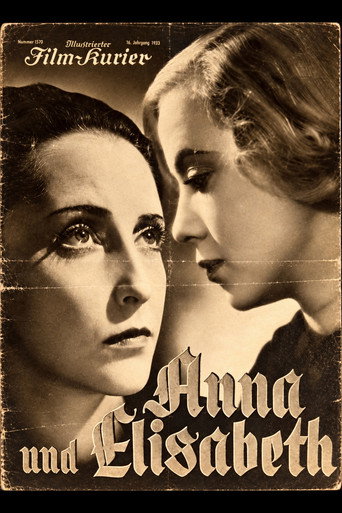 4.4
4.4The two main people in the story are Anna, a young girl, who is thought of having the ability to heal people mysteriously. Elisabeth is a young - middle aged aristocratic woman, that is disabled and puts all her hopes in meeting Anna and having her disability heal by her. A strange ambivalent relationship develops between the two women.
Anna and Elizabeth
1933
Racing driver Michael Tetjus returns from America to Berlin having broken a world record. His relationship with his wife the film actress Katja is strained due to their respective focus on work. Michael is intrigued by a new turbine being designed by his friend the engineer Zöger ANZ his assistant Enja.
Streak of Steel
1935
1920s · 4 titles
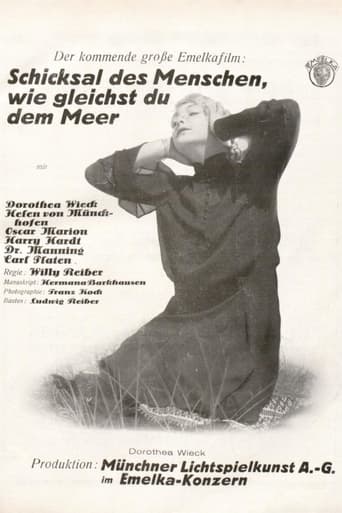 8.0
8.0No synopsis available yet.
Sturmflut
1927
 10.0
10.0No synopsis available yet.
Der Fremdenlegionär
1928
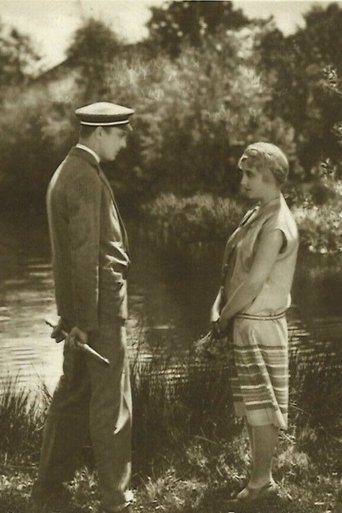 8.0
8.0The title alludes to the popular 1925 song I Lost My Heart in Heidelberg composed by Fred Raymond with lyrics by Fritz Löhner-Beda and Ernst Neubach. The film taps into the nostalgic reputation of Old Heidelberg.
I Lost My Heart in Heidelberg
1926
No synopsis available yet.
Hast Du geliebt am schönen Rhein?
1927
Series credits
No synopsis available yet.
German Film Award
1951
8.0Der Kommissar is a German television series about a group of detectives of the Munich homicide squad. All 97 episodes, which were shot in black-and-white and first broadcast between 1969 and 1976, were written by Herbert Reinecker and starred Erik Ode as Kommissar Herbert Keller. Keller's assistants were Walter Grabert, Robert Heines, and Harry Klein who, in 1974, was replaced by his younger brother Erwin Klein.
The Commissioner
1969
8.0Der Kommissar is a German television series about a group of detectives of the Munich homicide squad. All 97 episodes, which were shot in black-and-white and first broadcast between 1969 and 1976, were written by Herbert Reinecker and starred Erik Ode as Kommissar Herbert Keller. Keller's assistants were Walter Grabert, Robert Heines, and Harry Klein who, in 1974, was replaced by his younger brother Erwin Klein.
The Commissioner
1969
No synopsis available yet.
Wilde Spiele - Die Tigervilla
1963