Acting
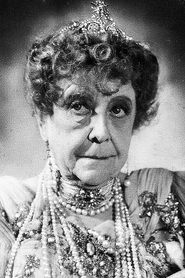
Adele Sandrock
Born — Died
1863-08-19 — 1937-08-30
Place of birth
Rotterdam, Netherlands
Known for
Acting
Credits
60 titles
Known for
 7.7
7.7Dr. Mabuse and his organization of criminals are in the process of completing their latest scheme, a theft of information that will allow Mabuse to make huge profits on the stock exchange. Afterwards, Mabuse disguises himself and attends the Folies Bergères show, where Cara Carozza, the main attraction of the show, passes him information on Mabuse's next intended victim, the young millionaire Edgar Hull. Mabuse then uses psychic manipulation to lure Hull into a card game where he loses heavily. When Police Commissioner von Wenk begins an investigation of this mysterious crime spree, he has little to go on, and he needs to find someone who can help him.
Dr. Mabuse, the Gambler
1922
 7.2
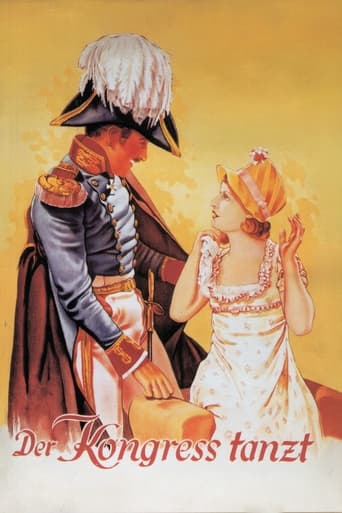
7.2An Austrian prince hatches a plan to keep his rival, the Russian czar, busy by keeping him surrounded by beautiful women and away from the negotiating table. The Czar, however, has his own plan—he hires a man who is his exact double to impersonate him and confuse the Austrians by appearing to be everywhere at once. In addition, both the Czar and his double fall for the same woman.
Congress Dances
1931
 10.0
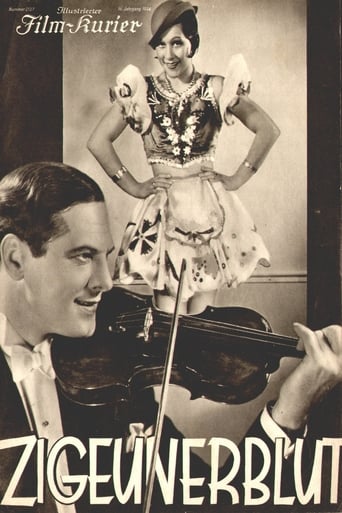
10.0Princess Stauffenstein has arranged a marriage for her grandnephew Poldi and orders him to meet his unknown bride Steffi. But he falls for alluring dancer Ilonka while his uncle Leopold, sent to reason with him, is enchanted by Steffi.
Gypsy Blood
1934
 6.4
6.4Helena is a 1924 German silent drama film directed by Manfred Noa and starring Edy Darclea, Vladimir Gajdarov and Albert Steinrück. The film was based on the poem the Iliad by Homer. It was released in two separate parts: The Rape of Helen and The Fall of Troy. It was produced by Bavaria Film at the Emelka Studios in Munich. The film was made on an epic scale with thousands of extras, and large sets which rivalled those of the larger Berlin-based UFA.
Helen of Troy
1924
 9.0
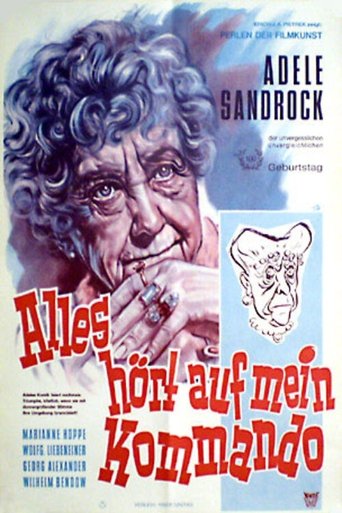
9.0For more than 50 years, Pauline Neuber has directed the "Olympia" theatre, but lately, business has been bad. It appears that no one will be able to make it better either: the audience doesn't seem to like the plays; the press even less so; and the shareholders of the theatre want to sell their shares. In short, the "Olympia" has one foot in the grave. Erich, grandchild of Pauline and always underestimated by her, gets to know Hella Bergson, the daughter of the theatre critic Peter Bergson, and falls in love with her - but doesn't have an idea whose daughter she is. He plays her some melodies from the first operetta he's ever composed and Hella convinces him to have the operetta performed in the "Olympia". During rehearsal of the operetta, however, a fight breaks out between Erich and Hella over a stupid misunderstanding.
Everyone Obeys My Command
1935
 10.0
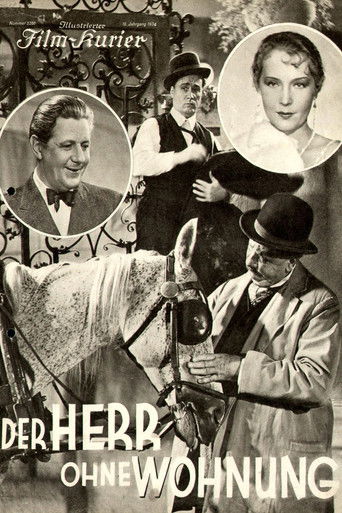
10.0Plastic surgeon Professor Mangold sends assistant Fred to pick up a patient at the train station. Fred brings the wrong woman, losing his job and his fiancee in the chaotic aftermath while the professor and his wife separate.
The Gentleman Without a Residence
1934
Film credits
1930s · 39 titles
7.2An Austrian prince hatches a plan to keep his rival, the Russian czar, busy by keeping him surrounded by beautiful women and away from the negotiating table. The Czar, however, has his own plan—he hires a man who is his exact double to impersonate him and confuse the Austrians by appearing to be everywhere at once. In addition, both the Czar and his double fall for the same woman.
Congress Dances
1931
10.0Princess Stauffenstein has arranged a marriage for her grandnephew Poldi and orders him to meet his unknown bride Steffi. But he falls for alluring dancer Ilonka while his uncle Leopold, sent to reason with him, is enchanted by Steffi.
Gypsy Blood
1934
9.0For more than 50 years, Pauline Neuber has directed the "Olympia" theatre, but lately, business has been bad. It appears that no one will be able to make it better either: the audience doesn't seem to like the plays; the press even less so; and the shareholders of the theatre want to sell their shares. In short, the "Olympia" has one foot in the grave. Erich, grandchild of Pauline and always underestimated by her, gets to know Hella Bergson, the daughter of the theatre critic Peter Bergson, and falls in love with her - but doesn't have an idea whose daughter she is. He plays her some melodies from the first operetta he's ever composed and Hella convinces him to have the operetta performed in the "Olympia". During rehearsal of the operetta, however, a fight breaks out between Erich and Hella over a stupid misunderstanding.
Everyone Obeys My Command
1935
10.0Plastic surgeon Professor Mangold sends assistant Fred to pick up a patient at the train station. Fred brings the wrong woman, losing his job and his fiancee in the chaotic aftermath while the professor and his wife separate.
The Gentleman Without a Residence
1934
 7.0
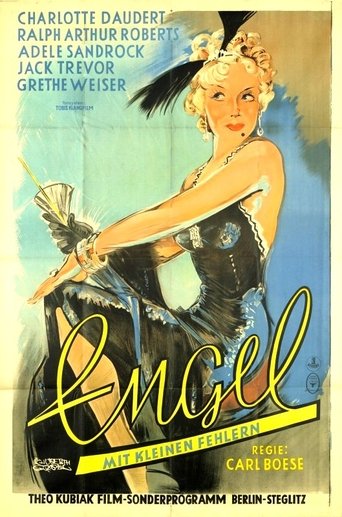
7.0Mary arrives in Berlin from Canada to visit her nephew Max and meet his twin daughters that she has been amply supporting financially. But Max has cheated: There is only one daughter Inge who has to enact both girls to cover up the mess.
Angels with Minor Faults
1936
 7.4
7.4Georg Alexander plays Douglas Mavis, the son of a rich English family who falls in love with a Berlin girl (Renate Müller) and marries her. However, he doesn't tell his family, and for a reason: the resolute head of the family (played by the inimitable Adele Sandrock) has other designs for her grandson. Further complications arise when the family lawyer (Adolf Wohlbrück) gets to know the Berlin lady without knowing who she is. And meanwhile, Mavis meets an alluring lady from a cabaret (Hilde Hildebrand).
The English Marriage
1934
 7.0
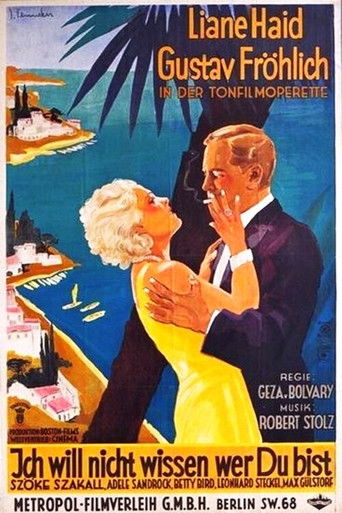
7.0An impoverished count has to work as a chauffeur but because of his good looks attracts women, one of them wealthy enough to solve his problem.
I Do Not Want to Know Who You Are
1932
 9.0
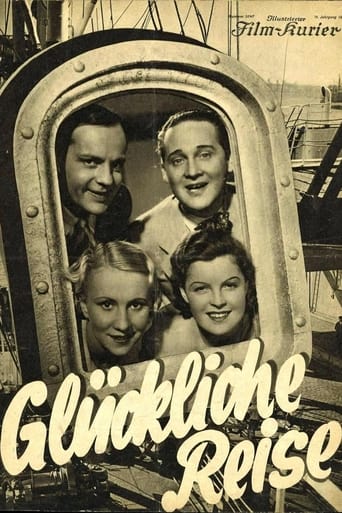
9.0This operetta adaptation centers on two men who return to Hamburg from Brazil: one seeks a woman for love whereas the other seeks a woman who claims to be an heiress.
Glückliche Reise
1933
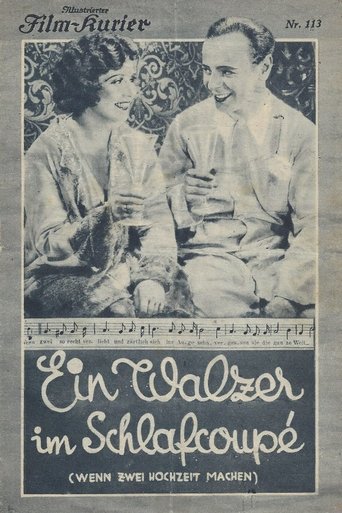 7.0
7.0No synopsis available yet.
A waltz in the sleeping compartment
1930
 8.0
8.0An Austrian officer traveling to London to meet his newly married sister at a fancy costume party cannot find her but finds another woman instead.
A Devil of a Fellow
1935
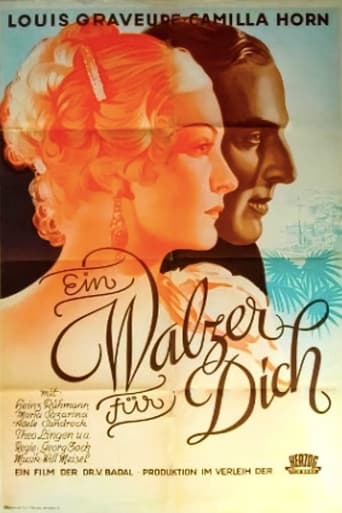 7.0
7.0Ruritanian power struggle with opera singing.
A Waltz for You
1934
 9.0
9.0No synopsis available yet.
Love at First Sight
1932
A woman discovers after she has just married him, that her husband is abusive, and she tries to get away.
Honeymoon
1936
A councilor is tricked by an impostor, whom he believes to be a baron. He gives him money and his marriageable daughter -- but then the real baron shows up and plays the chauffeur.
Da stimmt was nicht
1934
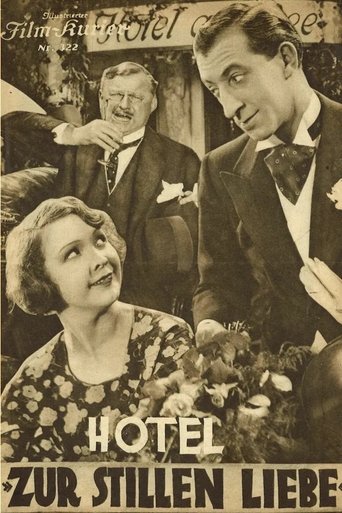 7.0
7.0Siegmund Meyer might be a professional matchmaker, but his own married bliss will not come that easily. In order to impress city councillor Goebel, the father of Meyer's love interest Mary, he tries to pass as an industrial tycoon. But Mary's heart belongs to someone else, and while Meyer continues his risky role-changing, he fails to notice that his loyal secretary Ms. Krause has been secretly in love with him for a long time.
No Celebration Without Meyer
1931
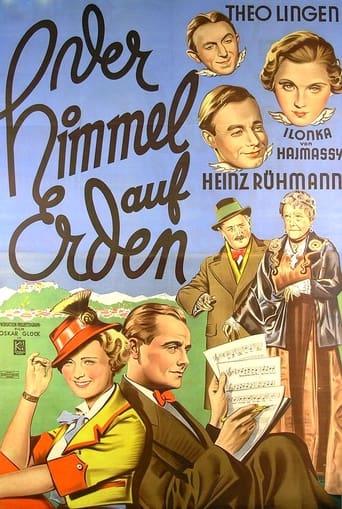 6.8
6.8A poor composer who should buy a property for his ambitious father-in-law finances with the money, nevertheless, an opera. Together with his friend who must play a husband to his strict rich aunt, he makes to himself a fun from the mistakes which cause her feints.
Heaven on Earth
1935
 9.0
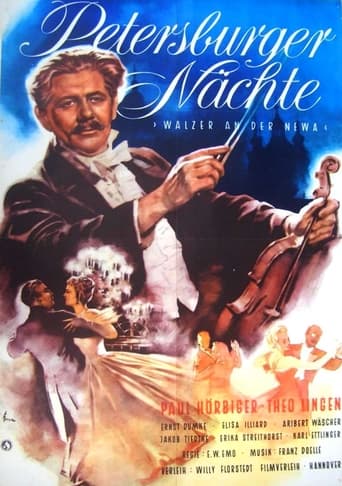
9.0No synopsis available yet.
Petersburger Nächte
1935
 5.8
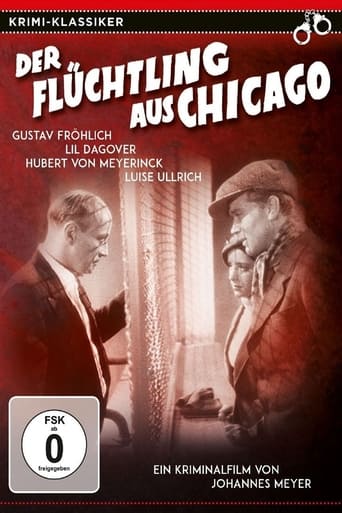
5.8Werner Dux, heir of the big car company "Dux-Werke", is a gambler who has just been arrested in Chicago for shooting a cardsharper. While in jail, he learns from his friend Michael Nissen that his father has died recently. That means that the Dux-Werke are without a leader at the moment, for Werner's cousin Steffie, who is his co-heiress, is still too young to run the firm. In this situation, Werner convinces his friend Michael, who is an engineer by profession, to take over the firm as long as he is in jail and to pose as him. Michael agrees and is able to bring the firm up again. He even arranges a reliability test for motorcycles via Istanbul, Rome and Barcelona, which creates a big Turkish order for the company. When the real Werner escapes from jail and arrives in Germany, it looks as if the whole story is up to bust. But Werner needs money, so he convinces Michael to go on as before and hand over all profits of the firm to him.
The Fugitive from Chicago
1934
 6.5
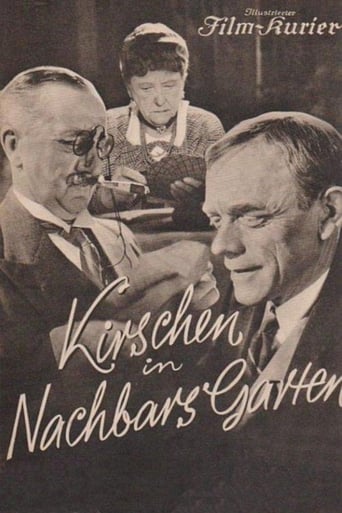
6.5A girl from the city falls for a country lad, but his aunt has other plans for him.
Fruit in the Neighbor's Garden
1935
 10.0
10.0During the train journey to Munich, the matchmaker Frau von Gobelinski discusses a matter of great importance to her with her agent Schwalbe. She wants to marry off the supposedly ancient Miss Mable, but upon arrival at the hotel, Schwalbe receives a devastating telegram: Prince Hochheim, the lion hunter he had chosen as her groom, has just married himself.
Es knallt
1934
Famous 1930's tenor Jan Kiepura doubles as a singing shop-assistant who stands in for a famous but lazy singer, mixing up each others love-lives in the process.
Ich liebe alle Frauen
1935
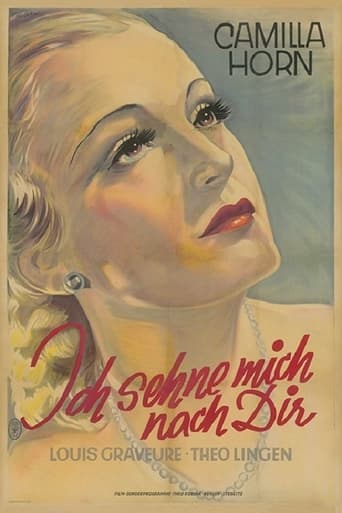 8.0
8.0No synopsis available yet.
Ich sehne mich nach dir
1934
 10.0
10.0No synopsis available yet.
The forest girl
1931
 10.0
10.0Fred von Wellingen is a wealthy industrialist, part of a large family-owned corporation. Fred has fallen for Lia, a comely bartender in the Berlin Cabaret. He proposes to her, much to the horror of his family, which considers Lia and her unsophisticated father far below their caste. The family convinces Fred to give up the girl in exchange for increased position and income in the company. But Fred's lapse is momentary, and he again pursues Lia. But she, by this time, has learned of his erstwhile agreement and has agreed to marry someone else.
Her Majesty Love
1933
A comedy loosely based on the life story of Johann Friedrich Böttger, the inventor of Meissen porcelain: In Berlin, the pharmacist Fritz Böttger gains a reputation for being able to make gold and is imprisoned on the orders of the Prussian king. Following in the footsteps of a young lady, he flees to Saxony, but is also imprisoned in Dresden and forced to make gold. Although he does not succeed in this, by chance he discovers how to make porcelain instead. Augustus the Strong appoints him baron and director of the royal porcelain manufactory.
The King's Prisoner
1935
 6.0
6.0No synopsis available yet.
The rejuvenated Adolar
1931
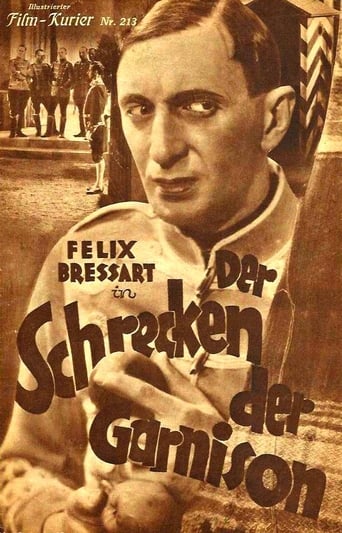 9.0
9.0No synopsis available yet.
Terror of the Garrison
1931
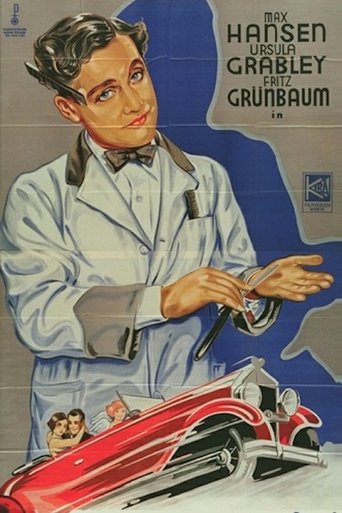 9.0
9.0Depression musical comedy about an unemployed barber who pretends to be a wealthy automobile magnate.
For Once I'd Like to Have No Troubles
1932
 9.0
9.0A hilarious comedy of errors starring Dolly Haas: Annie, the locksmith's daughter, and Georg, a car salesman, meet at the fair but quickly lose touch. Later, Annie is tasked by her father with delivering new locks to a countess's castle. At the train station, she is mistaken for the countess's niece, whose arrival is imminent. She is taken to the castle in a magnificent carriage and encounters Georg again, who is out for an unauthorized joyride in a stylish car. Each now believes the other to be extremely wealthy. When the real countess arrives at the castle, she enjoys playing along with the charade and poses as her own companion, with whom Count Egon falls in love. After the confusion is resolved, there are two happy couples.
Kleines Mädel, großes Glück
1933
 7.6
7.6Lamenting Thebian women are waiting for the men to come back from war. God Jupiter is attracted to one of them: Alkmene. He goes to earth and tries to seduce her as himself: an old man. Failing in this, he disguises himself as Amphitryon (Alkemene's husband) and tries again. Next morning Amphitryon and his men come back from war; he suspects adultery and wants a divorce. Jupiter's wife Juno now also comes to earth and clears things up.
Amphitryon: Happiness from the Clouds
1935
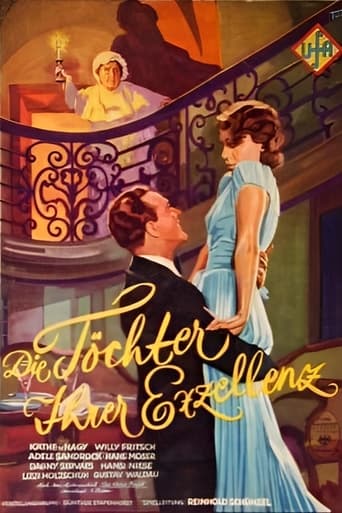 5.5
5.5A young woman tries to hinder her sister from committing adultery - by wooing the man she thinks is the suitor herself.
Die Töchter ihrer Exzellenz
1934
The lively Anny meets the nice Dr. Jack Braun and throws everything in his life into disarray. As Jack is in the middle of divorce proceedings against his wife Renate, his lawyer and best friend Richard doesn't like the idea of a female being in his vicinity. Then Jack's heiress Frieda comes to visit, and when she finds Anny in Jack's house, she mistakes her for his wife - and finds her extremely charming. When the aunt's parrot dies, the relatives believe that the aunt has died and rush to claim the inheritance. Anny emerges victorious from all this.
Eine Freundin so goldig wie Du
1930
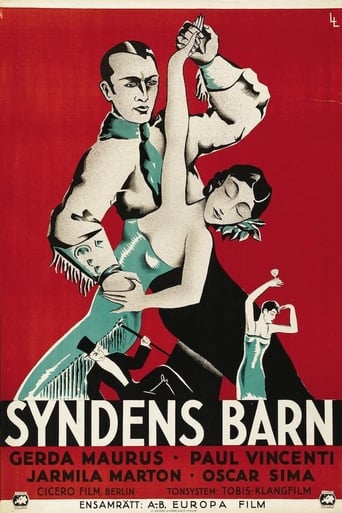 10.0
10.0When both husband and wife find romance outside their marriage, it's a shock to everyone. Robert and Annemarie break up to elope with their respective lovers, only to be thrown together again when they show up at the justice of the peace.
Infidelities
1931
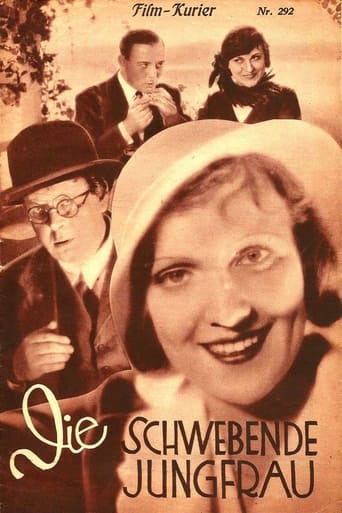 10.0
10.0In this theatrical adaptation, a well meaning eccentric tries to patch up a rift between his niece and her fiancé.
The Soaring Maiden
1931
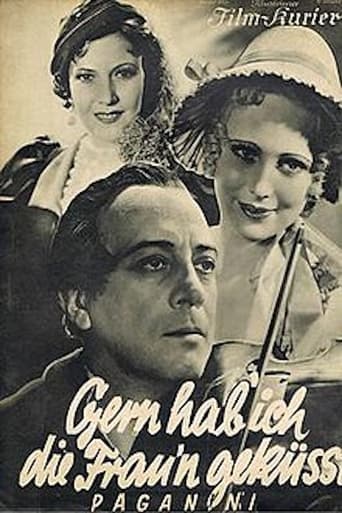 9.0
9.0The brilliant violinist Paganini was not only in demand in the concert hall, but also with women. When the jealous duke of Toscana suspects that Paganini is having an affair with his wife, he sics his henchmen on the musician. Paganini flees and finds refuge with a theatrical troupe. The artiste Bella falls in love with the violinist and helps him flee into the duchy of Napoleon’s sister, Anna Elisa. When she, in turn, hears him play, she summons him to her castle and it’s not long before she forgets all affairs of state because of Paganini.
Paganini
1934
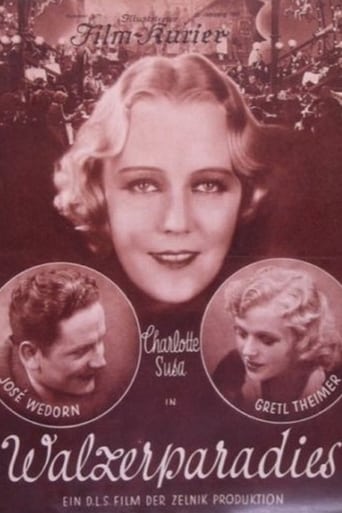 8.0
8.0Musical comedy about a famous opera star in Vienna.
Waltz Paradise
1931
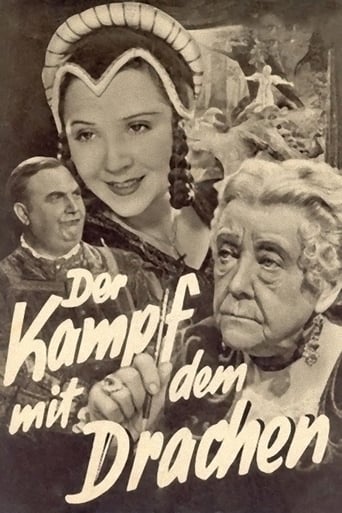 7.2
7.2Countess von Drachenstein, owner of the traditional Drachenstein Castle Brewery, where the famous Drachenbräu beer has been brewed for 300 years, stubbornly refuses to agree to a merger between the Drachen and Sonnen breweries. Trude, the niece, and Fritz, the son of the manager of the Sonnenbrauerei, try in vain to poach Bachmeier, the master brewer at the Drachenbrauerei. But then Trude falls in love with Bachmeier, and Fritz with Countess Helene, the niece of the Countess von Drachenstein. And so the family businesses end up merging after all.
The Fight with the Dragon
1935
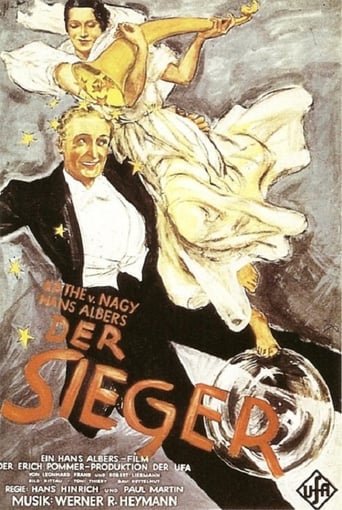 8.0
8.0No synopsis available yet.
The Winner
1932
No synopsis available yet.
Skandal um die Fledermaus
1936
1920s · 20 titles
7.7Dr. Mabuse and his organization of criminals are in the process of completing their latest scheme, a theft of information that will allow Mabuse to make huge profits on the stock exchange. Afterwards, Mabuse disguises himself and attends the Folies Bergères show, where Cara Carozza, the main attraction of the show, passes him information on Mabuse's next intended victim, the young millionaire Edgar Hull. Mabuse then uses psychic manipulation to lure Hull into a card game where he loses heavily. When Police Commissioner von Wenk begins an investigation of this mysterious crime spree, he has little to go on, and he needs to find someone who can help him.
Dr. Mabuse, the Gambler
1922
6.4Helena is a 1924 German silent drama film directed by Manfred Noa and starring Edy Darclea, Vladimir Gajdarov and Albert Steinrück. The film was based on the poem the Iliad by Homer. It was released in two separate parts: The Rape of Helen and The Fall of Troy. It was produced by Bavaria Film at the Emelka Studios in Munich. The film was made on an epic scale with thousands of extras, and large sets which rivalled those of the larger Berlin-based UFA.
Helen of Troy
1924
No synopsis available yet.
Manolescu's Memoirs
1920
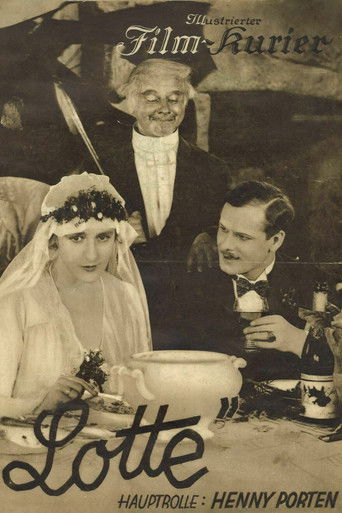 10.0
10.0No synopsis available yet.
Lotte
1928
 6.9
6.9While staying with her aunt at a fashionable spa, Else receives an unexpected telegram from her mother, begging her to save her father from debtor’s jail. The only way out, it seems, is to approach an elderly acquaintance in order to borrow money from him. Through this telegram, Else is forced into the reality of a world entirely at odds with her romantic imagination – with horrific consequences.
Fräulein Else
1929
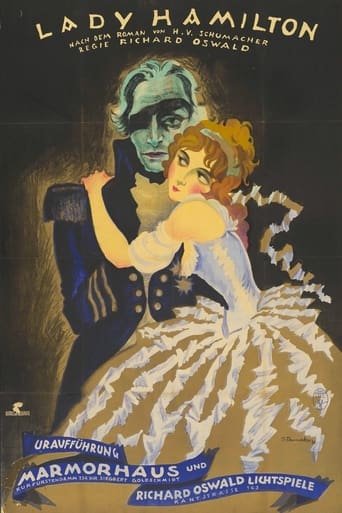 5.9
5.9The married Lady Emma Hamilton has an ill fated romance with Admiral Horatio Nelson.
Lady Hamilton
1921
No synopsis available yet.
Hearts Are Trumps
1920
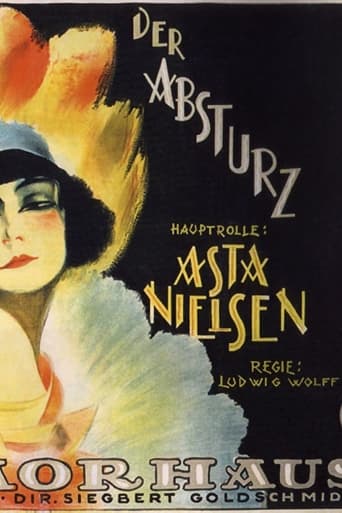 7.0
7.0Variety star Kaja falls in love with fisherman Peter. But he in a unfortunate situation kills a man and is sentenced to ten years imprisonment. Kaja promises to wait for him, but things go badly for her.
Downfall
1923
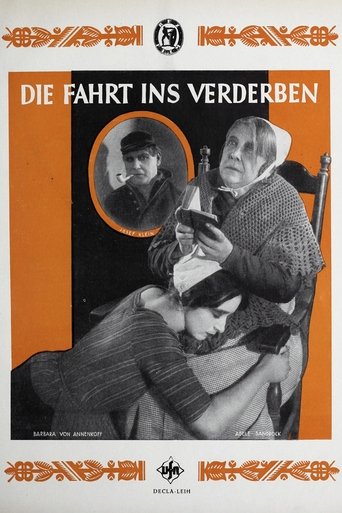 10.0
10.0On the Dutch North Sea coast among fishing families. the wholesaler and ship owner Bos is only interested in profit and, out of pure greed, he risks the lives of his fishermen, who set out to sea to catch herring for him. One of his ships, a veritable coffin, is to set sail once again, and Bos has the rickety vessel patched up as best he can. To avoid losses in the event of a likely shipwreck, he takes out high insurance on the sloop. For old mother Kniertje Vermeer, this is no reason to prevent her sons Geert and Barend from signing on to the ship. An experienced old shipwright warns everyone not to board this "floating coffin," but no one heeds his well-intentioned warning.
Op hoop van zegen
1924
No synopsis available yet.
Nixchen
1926
No synopsis available yet.
Excellency Petticoat
1921
The Girl with a Patron (German: Das Mädchen mit der Protektion) is a 1925 German silent comedy film directed by Max Mack and starring Ossi Oswalda, Willy Fritsch, and Nora Gregor. It was one of a number of popular comedies released by UFA during the era alongside its more prestigious art films.
The Girl with a Patron
1925
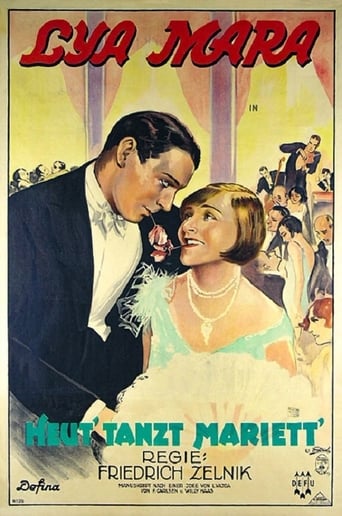 8.0
8.0No synopsis available yet.
Heut tanzt Mariett
1928
No synopsis available yet.
Der Ladenprinz
1928
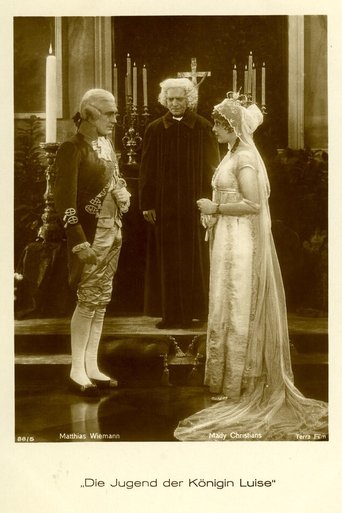 8.0
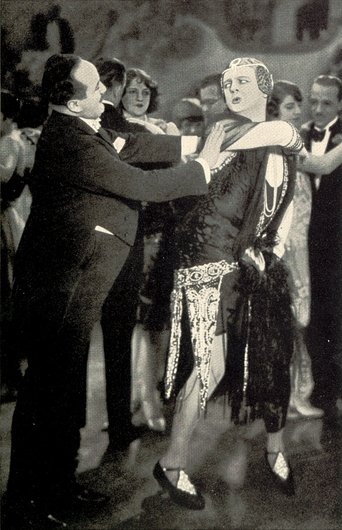
8.0The young Crown Princess Luise of Mecklenburg-Strelitz grows up sheltered in the North German countryside in the late 18th century and develops into a bit of a rebel. She struggles to come to terms with the rules of etiquette at court; her actions are often spontaneous and driven by emotion. Thus, she resists accepting her father’s mistress and future wife. During a ball, she snubs her future stepmother and even has the audacity to ask the orchestra to play a waltz—a dance considered deeply improper at the time.
Queen Louise
1927
 10.0
10.0Reinhold Schünzel plays the rigid representative Traugott Bellmann, who publicly condemns the low morals of the night life. Although Belmann's stance is supported by his wife, he is strongly opposed by his father-in-law, a champagne manufacturer. But when he inherits 500 000 Marks in cash and the infamous nightclub "Der Himmel auf Erden" ("Heaven on Earth") from his deceased brother, Bellmann really gets himself into trouble: In order to fulfil his brother's will - and to get hold of the money - , he has to be at the club every night at 9 pm.
Heaven on Earth
1927
No synopsis available yet.
Aschermittwoch
1925
 10.0
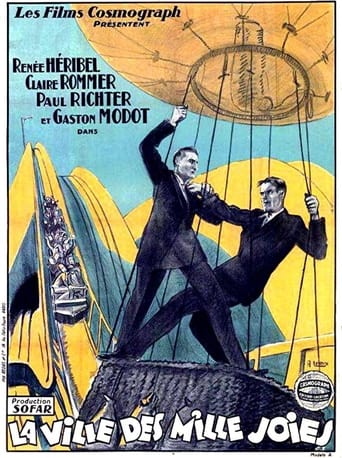
10.0No synopsis available yet.
La ville des mille joies
1929
 8.0
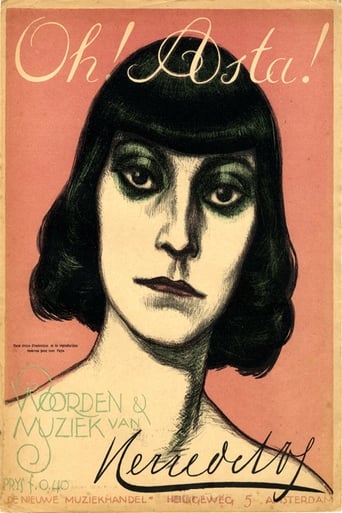
8.0The dancer Navarro has lost her husband and son. With her daughter at her side, she returns to her homeland and comes under suspicion of spying when she gets into a relationship with a business friend of her deceased husband. This film is considered lost.
Navarro the Dancer
1923
No synopsis available yet.
Ein rheinisches Mädchen beim rheinischen Wein
1927