
Directing
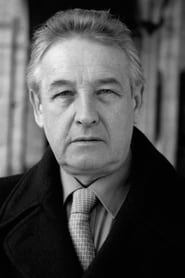
Andrzej Wajda
Born — Died
1926-03-06 — 2016-10-09
Place of birth
Suwałki, Polska
Known for
Directing
Credits
83 titles
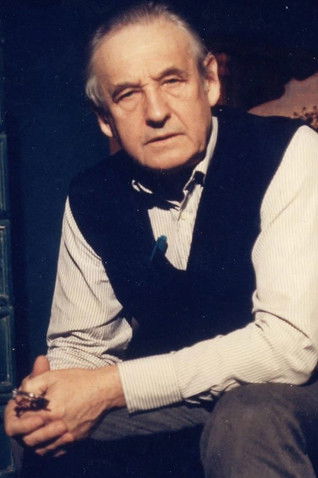
Andrzej Wajda (March 6, 1926 – October 9, 2016) was a Polish film director. Recipient of an honorary Oscar, he was possibly the most prominent member of the unofficial "Polish Film School" (active circa 1955 to 1963). He was known especially for a trilogy of war films: A Generation (1954), Kanał (1956) and Ashes and Diamonds (1958). Four of his movies were nominated for the Academy Award for Best Foreign Language Film: The Promised Land (1975), The Maids of Wilko (1979), Man of Iron (1981), and Katyń (2007). He passed away in 2016 at the age of 90. Description above from the Wikipedia article Andrzej Wajda, licensed under CC-BY-SA, full list of contributors on Wikipedia.
Known for
 9.5
9.5Marcello Mastroianni, Isabelle Adjani, Alain Delon, Martin Scorsese, Woody Allen... the biggest stars in cinema were welcomed by Christian Defaye on his show Spécial cinéma. Between intimate confessions from actors and immersion in the world of the greatest filmmakers, Christian Defaye took viewers on a journey into the fascinating world of cinema for nearly thirty years.
Spécial cinéma
1974
 9.0
9.0The Bambi, often called the Bambi Award and stylised as BAMBI, is a German award presented annually by Hubert Burda Media to recognize excellence in international media and television to personalities in the media, arts, culture, sports, and other fields "with vision and creativity who affected and inspired the German public that year", both domestic and foreign. First held in 1948, it is the oldest media award in Germany. The trophy is named after Felix Salten's book Bambi, A Life in the Woods and its statuettes are in the shape of the novel's titular fawn character. They were originally made of porcelain until 1958, when the organizers switched to using gold, with the casting done by the art casting workshop of Ernst Strassacker in Süßen.
Bambi
1948
 6.7
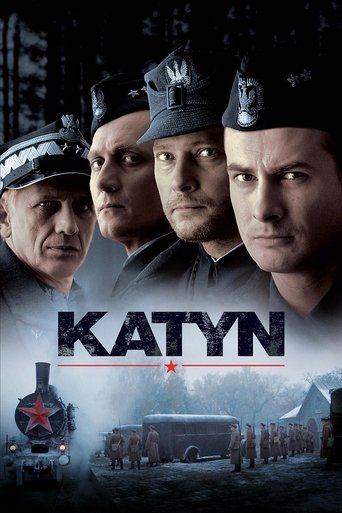
6.7On September 1st, 1939, Nazi Germany invades Poland, unleashing World War II. On September 17th, the Soviet Red Army crosses the border. The Polish army, unable to fight on two fronts, is defeated. Thousands of Polish men, both military and government officials, are captured by the invaders. Their fate will only be known several years later.
Katyn
2007
 6.9
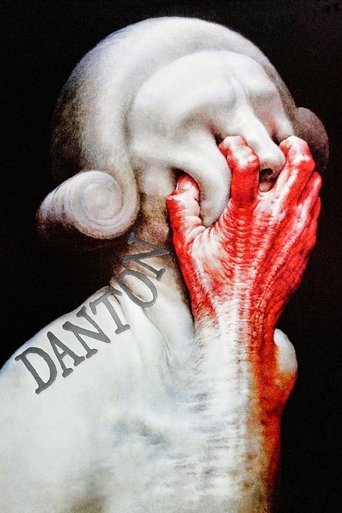
6.9Danton and Robespierre were close friends and fought together in the French Revolution, but by 1793 Robespierre was France's ruler, determined to wipe out opposition with a series of mass executions that became known as the Reign of Terror. Danton, well known as a spokesman of the people, had been living in relative solitude in the French countryside, but he returned to Paris to challenge Robespierre's violent rule and call for the people to demand their rights. Robespierre, however, could not accept such a challenge, even from a friend and colleague, and he blocked out a plan for the capture and execution of Danton and his allies.
Danton
1983
 7.4
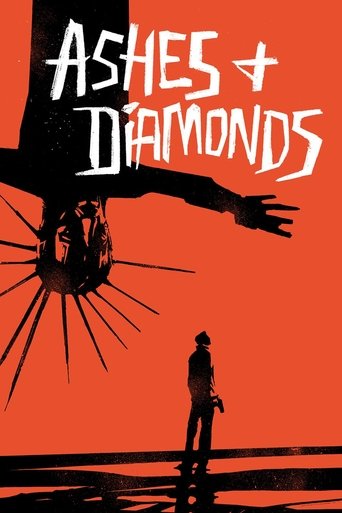
7.4A young academy soldier, Maciek Chelmicki, is ordered to shoot the secretary of the KW PPR. A coincidence causes him to kill someone else. Meeting face to face with his victim, he gets a shock. He faces the necessity of repeating the assassination. He meets Krystyna, a girl working as a barmaid in the restaurant of the "Monopol" hotel. His affection for her makes him even more aware of the senselessness of killing at the end of the war. Loyalty to the oath he took, and thus the obligation to obey the order, tips the scales.
Ashes and Diamonds
1958
 6.7
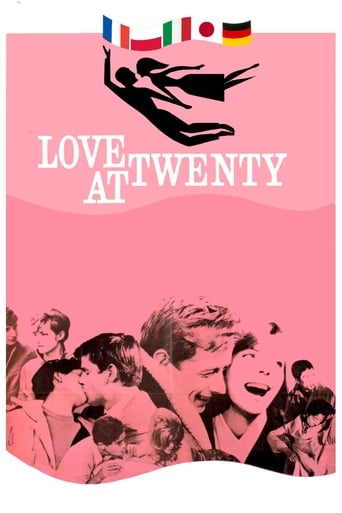
6.7Love at Twenty unites five directors from five different countries to present their different perspectives on what love really is at the age of 20. The episodes are united with the score of Georges Delerue and still photos of Henri Cartier-Bresson.
Love at Twenty
1962
Film credits
2020s · 2 titles
 6.3
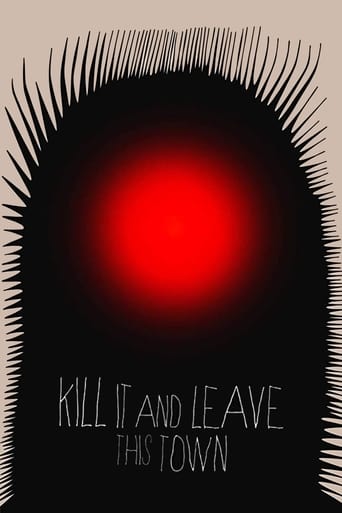
6.3Fleeing from despair after losing those dearest to him, the hero hides in a safe land of memories, where time stands still and all those dear to him are alive.
Kill It and Leave This Town
2020
 NR
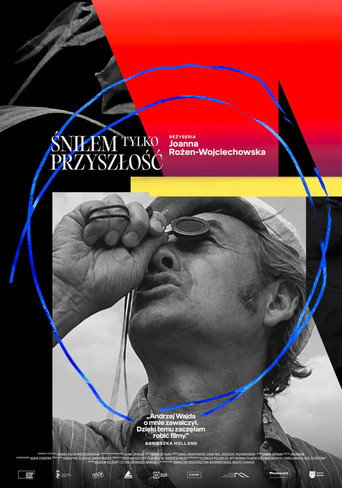
NRA documentary essay about the period during which Andrzej Wajda went from being merely an observer of history to becoming one of its protagonists. The film covers the years 1976–2000 – from Man of Marble, through Man of Iron and the birth of Solidarity, the experience of martial law and Wajda’s involvement in public life, right up to his election to the Senate and receiving an Honorary Academy Award.
I Dreamed the Future
2026
2010s · 13 titles
 8.2
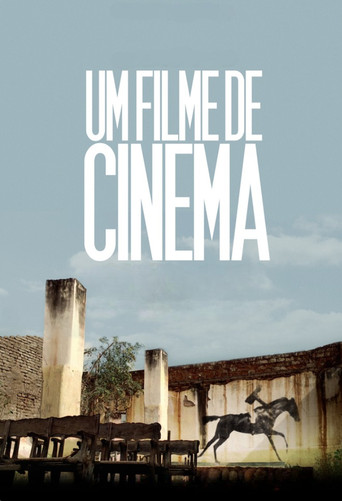
8.2An abandoned tumbledown theater in the outback of Paraíba state is the initial setting of a film about cinema, which explores the testimonials of the novelist and playwright Ariano Suassuna and other filmmakers such as Ruy Guerra, Julio Bressane, Ken Loach, Andrzej Wajda, Karim Ainouz, José Padilha, Hector Babenco, Vilmos Zsigmond, Béla Tarr, Gus Van Sant and Jia Zhangke. They all respond to two basic questions: why do they make movies and why do they serve the seventh art. The filmmakers share their thoughts about time, narrative, rhythm, light, movement, the meaning of tragedy, the audience‘s desires and the boundaries with other forms of art.
About Cinema
2015
 NR
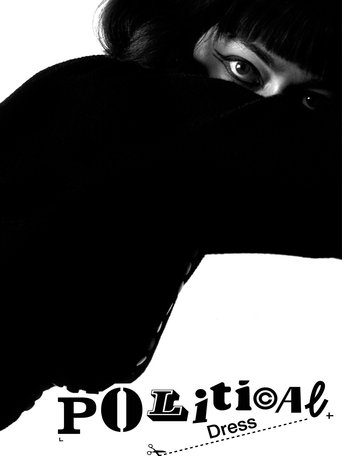
NRHistory of a fashion rebellion in communist Poland. The film shares the experiences of those who were singled out as ideological 'saboteurs' by the socialist authorities. The documentary presents the stories and opinions of stylish personalities of the day.
Political Dress
2011
 10.0
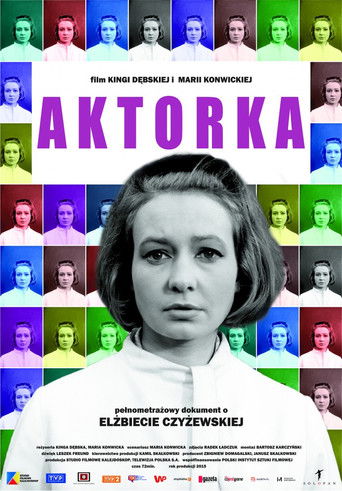
10.0A documentary about Elzbieta Czyzewska, one of Poland's greatest actresses, a beauty icon of the 1960s, who died in 2010. She had a great career in Poland, but the filmmakers focus more on her attempts to make a name for herself as an actress in America, after her sudden emigration to the United States with her husband, American journalist David Halberstam. Friends and acquaintances of Elzbieta Czyzewska speak without embellishment about her failed marriage, her battle with alcoholism won after years, and her attempts to return to Poland. This is a story about the fate of the actress at different stages of her career: at the top, at the bottom and in between.
Aktorka
2015
 4.0
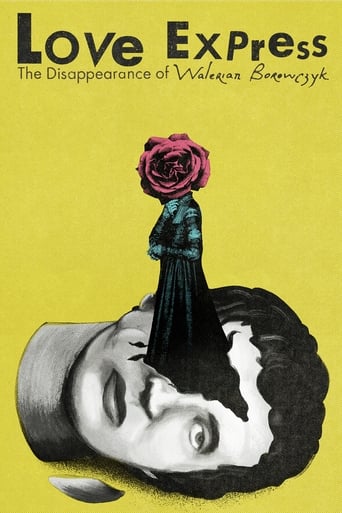
4.0A documentary celebrating the work of Walerian Borowczyk, a director of unparalleled sensitivity, revered in the 1970s, who was later labeled as a maker of erotic movies.
Love Express. The Disappearance of Walerian Borowczyk
2018
 NR
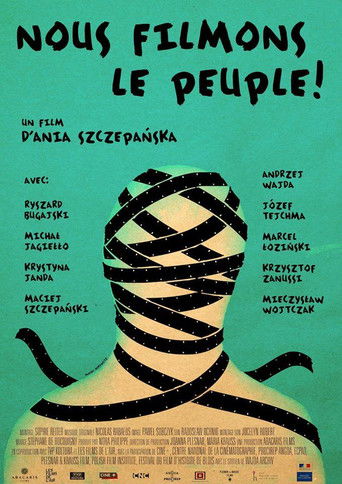
NRThe unique story of film directors who managed to critic the Communist regime while being produced by the State: this is Polish cinema's golden age, in the 1970s. Director Ania Szczepanska, born in Poland and raised in France, meets prominent filmmakers, producers, actors such as Andrzej WAJDA, Marcel LOZINSKI, Krzyszstof ZANUSSI, Kristina JANDA, Ryszard BUGAJSKI and confronts them the testimonies of the State men of that time. Through unknown archives, forgotten documentaries and excerpts of cult films, she relates how the Solidarnosc people ended up in Cannes.
We Film the People!
2013
 NR
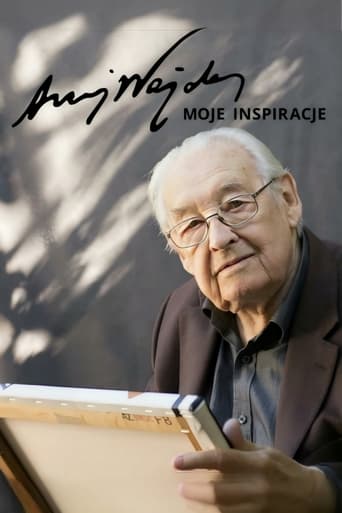
NRNo synopsis available yet.
Andrzej Wajda: My Inspirations
2017
 6.5
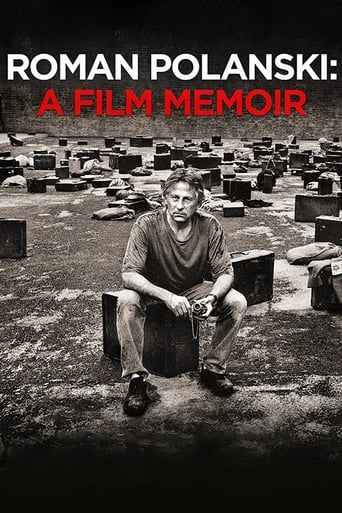
6.5An interview with film director Roman Polanski conducted during his period of house arrest, discussing his life and work.
Roman Polanski: A Film Memoir
2012
 5.7
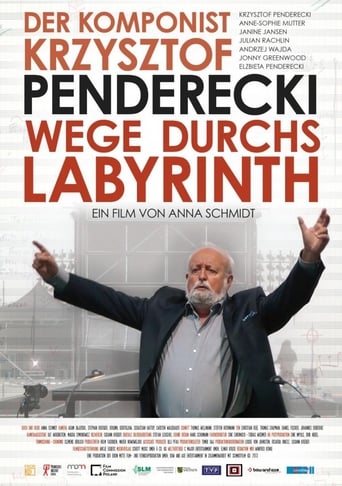
5.7No synopsis available yet.
Wege Durchs Labyrinth - Der Komponist Krzysztof Penderecki
2014
A feature-length documentary on the life and work of jazz musician and composer Krzysztof Komeda.
Komeda, Komeda...
2012
 6.0
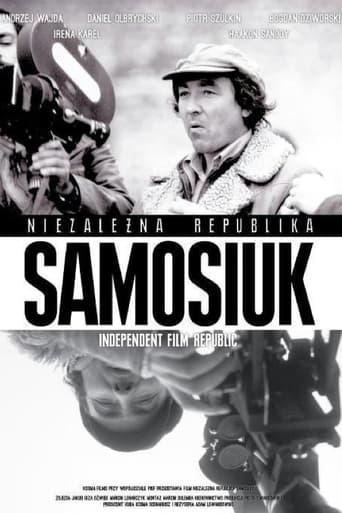
6.0The film is a portrait of Zygmunt Samosiuk, a great forgotten cinematographer, who died in 1983. As a director of photography he worked on such films as The Birch Wood, Landscape Afterthe Battle and Austeria. He introduced, among others, hand‑held camera shots, colour lights and shooting at minimum exposure. Reminiscences of his colleagues and friends, including Andrzej Wajda and Piotr Szulkin, show a gifted artist and a modest man who valued his work above all.
Samosiuk. The Independent Film Republic
2012
No synopsis available yet.
Cegła i inne nagrody filmowe
2012
 6.0
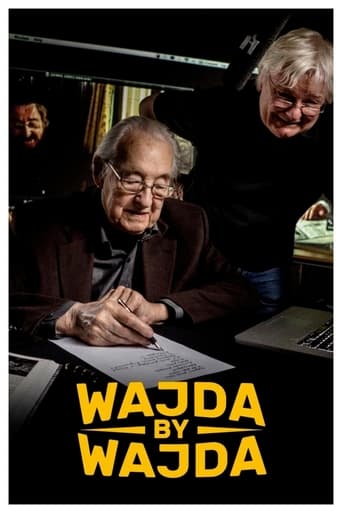
6.0A few months before his death, Polish filmmaker Andrzej Wajda (1926-2016) revisited his work in an assembly room of the Andrzej Wajda Master School of Film Directing, established in Warsaw in 2002.
Wajda by Wajda
2016
 NR
NRAt the Old Theater in Krakow Wajda staged a play in 1971, based on Dostoevsky's novel "Demons". In this documentary Wajda tells the story of the unique play that went on uninterrupted for 10 years despite opposition from the authorities.
Demons Years Later
2013
2000s · 15 titles
 7.7
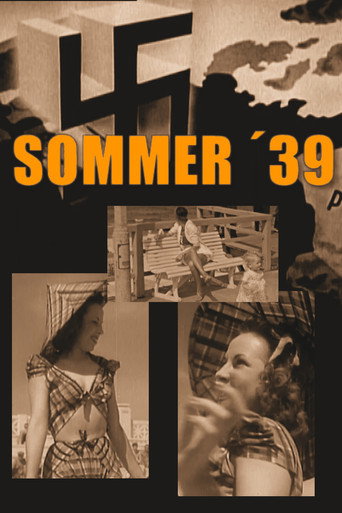
7.7In the summer of 1939, people enjoyed the good weather, ignoring politics and pessimistic predictions. Images of everyday life that was about to change dramatically in a Europe in turmoil.
Sommer '39
2009
 5.9
5.9In February, 1945, Primo Levi (1919-1987) and other Auschwitz survivors set off for home. The journey took more then eight months. Sixty years later, a film crew retraces Levi's steps. Levi's words, mainly from "The Truce" (1963), tell us what he experienced. In turn, we see Poland's hollow post-war factories, nationalism in the Ukraine, Soviet-style Communism in Belarus, the abandoned town of Prypiat (Chernobyl), poverty and emigration from Moldavia, Italian factories in Romania, and on across Hungary and Slovakia to Munich where Levi's rage found no listeners. Then home to Turin. An aged Mario Rigoni Stern remembers his friend. What has changed? Some issues of the war remain unsettled.
Primo Levi's Journey
2006
Interview with political scientist and social activist Jan Nowak-Jezioranski by film director Andrzej Wajda.
Jan Nowak-Jezioranski: Courier from Warsaw
2004
 NR
NRInsights on Ashes and Diamonds (1958) from the director Andrzej Wajda, filmmaker Janusz "Kuba" Morgenstern, and film critic Dr. Jerzy Plazewski.
Andrzej Wajda: On Ashes and Diamonds
2005
No synopsis available yet.
Andrzej Wajda ogląda "Popiół i diament"
2008
 6.3
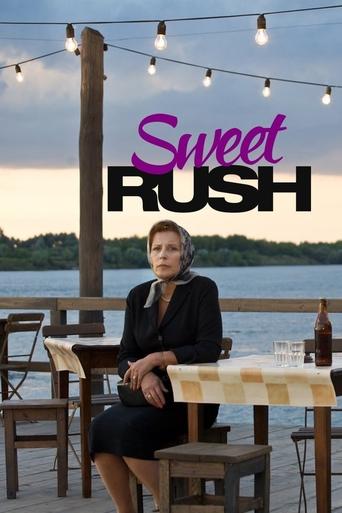
6.3As an aging woman married to a workaholic doctor by chance meets a young man who makes her feel young again. All of this is films by a director making a film about her which cuts in and out of the on camera and off camera drama.
Sweet Rush
2009
 NR
NRThe making-of featurette of Andrzej Wajda's 2007 film Katyń.
Katyn: 60 Days on the Set
2009
No synopsis available yet.
Knife in the Water: A Ticket to the West
2003
 5.0
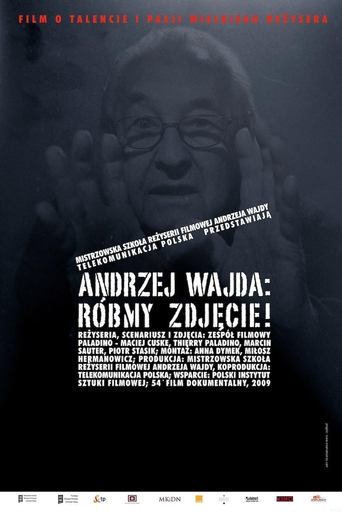
5.0A record of a few months of struggle on the set, showing an atmosphere of work and a picture of immense film machinery, and at same time presenting the truest and intimate portrait of the Master of Polish Cinema, the Oscar winner.
Andrzej Wajda: Let's Shoot!
2009
The main character of "Żyłem siedemnaście razy" reflects on his childhood in Gwoździec and tells a story about the beginning of his career as a filmmaker.
I Have Lived Seventeen Times
2009
A 2005 novella film created to commemorate the 25th anniversary of the Solidarity movement. It consists of 13 10-minute shorts. There are various forms: mini-feature, music video, documentary, animation, interview.
Solidarność, Solidarność...
2005
Andrzej Munk was one of the leading directors in Polish cinema. Friends and collaborators share their memories about this stunning artist and his premature tragic death.
Last Pictures
2000
Andrzej Wajda on the 50th anniversary of his film debut.
Jaki jest z bliska
2004
Andrzej Wajda documentary about Polish film.
The Lessons of Polish Cinema
2002
 NR
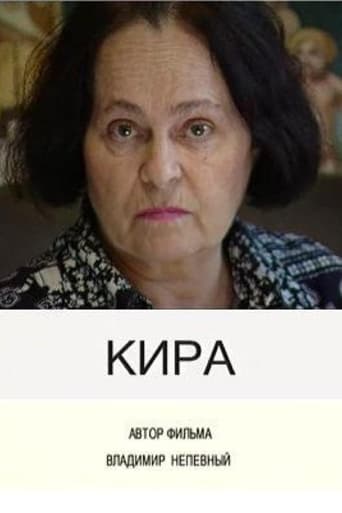
NRFilm about the work of Ukrainian film director Kira Muratova.
Kira
2003
1990s · 3 titles
The film reveals the mechanisms of the communist institution of censorship. Famous filmmakers - Kazimierz Kutz, Andrzej Wajda, Krzysztof Kieslowski, Filip Bajon and Marcel Lozinski - talk about their contacts and experiences with censors, how their films were censored, what parts were considered contrary to the ideology of the socialist state. These interferences were often of an absurd nature. At the same time, the filmmakers mention how much of the intended content they managed to smuggle out. The film is also an attempt to analyze and summarize the role of censorship in a totalitarian state and its impact on culture and art.
Tren na śmierć cenzora
1992
An attempt to summarize the director's life and work to date, starting from his early youth and ending with his work on "Pan Tadeusz".
Credit and debit. Andrzej Wajda about himself
1999
The documentary talks about the origins, development and achievements of the Polish film school. People from the environment of the "Filmówka" in Łódź, among others. Wanda Jakubowska, Jerzy Kawalerowicz, Antoni Bohdziewicz, Janusz Morgenstern or Kazimierz Kutz. The film is richly illustrated with archival materials and the first films of the school. The beginnings of the Łódź Film Festival begin in Krakow with the Young Film Workshop; On May 6, 1945, at Józefitów 16 production facility of the Polish Film Production Company, an inaugural meeting is held. After numerous transformations, in July 1946 the Young Film Workshop and the Film Training Course began activities, which can be considered as the beginning of state film education in post-war Poland. The later fate of the school is already connected with Łódź; July 16, 1948, the act of establishing the Film School was signed.
Polish School
1997
1980s · 1 titles
1970s · 3 titles
 6.1
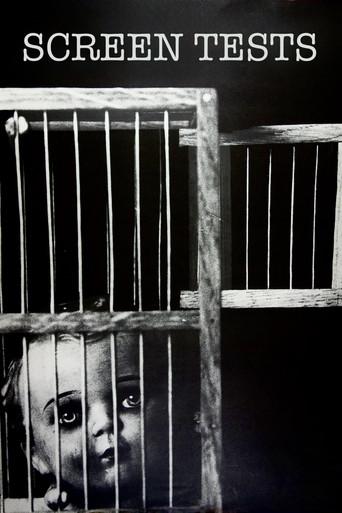
6.1Three-part film centered around a film being made by a group of young directors. In the first a working-class girl finishes school and has her first love affair, which ends badly. In the second a provincial boy with dreams of life in the theater has an affair with his boss' wife. They meet during the film's screen tests.
Screen Tests
1977
 6.8
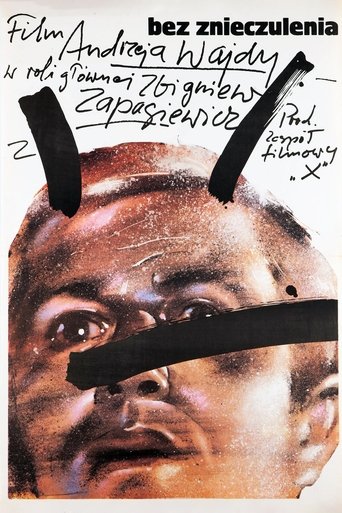
6.8A famous Polish journalist presents a problem for the powers-that-be when he displays his full political skill and knowledge on a television show featuring questions and answers on a world conference by a panel of journalists. His enemies take away his privileges when he is away. The shock of being "unwanted" parallels a deeper disappointment in his private life: his wife has an affair with a jealous young rival, and after 15 years of marriage and two daughters wants a divorce. She offers no explanations as he tries to untie these problems himself. All the moves he makes are the wrong ones. He takes on drinking heavily with students eager to attend his seminar after discovering the class has been canceled. The journalist, once suave and commanding, is reduced to silence.
Without Anesthesia
1978
 6.4
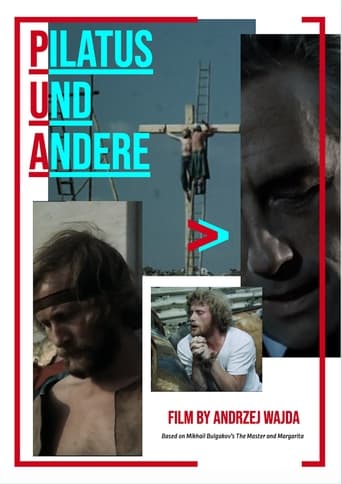
6.4The trial of Yeshua Ha-Notsri is led by prosecutor Pontius Pilate who believes in the innocence of the accused but is forced to sentence him to death. This biblical story is set in present-day Germany.
Pilate and Others
1972

Undated · 3 titles
No synopsis available yet.
Every touch leaves a trace. Alina Szapocznikow
—
A documentary, focusing on foreign successes of the Polish Master of the cinema - Andrzej Wajda. By using unique archival materials, home videos, fragments of his films - never shown before we would like to create a documentary about the great director who inspired a whole generations of filmmakers - including Martin Scorsese, Nikita Michałkow, Volker Schlondorff. The film will be based on the interviews with many outstanding creators of world cinema as well as the memories of his wife Krystyna Zachwatowicz. We want to reach the unknown foreign archival materials regarding Wajda, photos from the film set and festivals, as well as his personal journal notes from these events.
Wajda
—
Document following the production of Andrzej Wajda's 1973 film "The Wedding". It focuses on Wajda's struggle to decide on a concept of depicting one of the original play's characters, Wernyhora.
An old beggar with a hurdy-gurdy
—
Series credits
9.5Marcello Mastroianni, Isabelle Adjani, Alain Delon, Martin Scorsese, Woody Allen... the biggest stars in cinema were welcomed by Christian Defaye on his show Spécial cinéma. Between intimate confessions from actors and immersion in the world of the greatest filmmakers, Christian Defaye took viewers on a journey into the fascinating world of cinema for nearly thirty years.
Spécial cinéma
1974
9.0The Bambi, often called the Bambi Award and stylised as BAMBI, is a German award presented annually by Hubert Burda Media to recognize excellence in international media and television to personalities in the media, arts, culture, sports, and other fields "with vision and creativity who affected and inspired the German public that year", both domestic and foreign. First held in 1948, it is the oldest media award in Germany. The trophy is named after Felix Salten's book Bambi, A Life in the Woods and its statuettes are in the shape of the novel's titular fawn character. They were originally made of porcelain until 1958, when the organizers switched to using gold, with the casting done by the art casting workshop of Ernst Strassacker in Süßen.
Bambi
1948
Behind the camera
6.7On September 1st, 1939, Nazi Germany invades Poland, unleashing World War II. On September 17th, the Soviet Red Army crosses the border. The Polish army, unable to fight on two fronts, is defeated. Thousands of Polish men, both military and government officials, are captured by the invaders. Their fate will only be known several years later.
Katyn
2007
6.7On September 1st, 1939, Nazi Germany invades Poland, unleashing World War II. On September 17th, the Soviet Red Army crosses the border. The Polish army, unable to fight on two fronts, is defeated. Thousands of Polish men, both military and government officials, are captured by the invaders. Their fate will only be known several years later.
Katyn
2007
6.9Danton and Robespierre were close friends and fought together in the French Revolution, but by 1793 Robespierre was France's ruler, determined to wipe out opposition with a series of mass executions that became known as the Reign of Terror. Danton, well known as a spokesman of the people, had been living in relative solitude in the French countryside, but he returned to Paris to challenge Robespierre's violent rule and call for the people to demand their rights. Robespierre, however, could not accept such a challenge, even from a friend and colleague, and he blocked out a plan for the capture and execution of Danton and his allies.
Danton
1983
6.9Danton and Robespierre were close friends and fought together in the French Revolution, but by 1793 Robespierre was France's ruler, determined to wipe out opposition with a series of mass executions that became known as the Reign of Terror. Danton, well known as a spokesman of the people, had been living in relative solitude in the French countryside, but he returned to Paris to challenge Robespierre's violent rule and call for the people to demand their rights. Robespierre, however, could not accept such a challenge, even from a friend and colleague, and he blocked out a plan for the capture and execution of Danton and his allies.
Danton
1983
7.4A young academy soldier, Maciek Chelmicki, is ordered to shoot the secretary of the KW PPR. A coincidence causes him to kill someone else. Meeting face to face with his victim, he gets a shock. He faces the necessity of repeating the assassination. He meets Krystyna, a girl working as a barmaid in the restaurant of the "Monopol" hotel. His affection for her makes him even more aware of the senselessness of killing at the end of the war. Loyalty to the oath he took, and thus the obligation to obey the order, tips the scales.
Ashes and Diamonds
1958
7.4A young academy soldier, Maciek Chelmicki, is ordered to shoot the secretary of the KW PPR. A coincidence causes him to kill someone else. Meeting face to face with his victim, he gets a shock. He faces the necessity of repeating the assassination. He meets Krystyna, a girl working as a barmaid in the restaurant of the "Monopol" hotel. His affection for her makes him even more aware of the senselessness of killing at the end of the war. Loyalty to the oath he took, and thus the obligation to obey the order, tips the scales.
Ashes and Diamonds
1958
6.7Love at Twenty unites five directors from five different countries to present their different perspectives on what love really is at the age of 20. The episodes are united with the score of Georges Delerue and still photos of Henri Cartier-Bresson.
Love at Twenty
1962
 5.7
5.7How was it possible that a single man influenced contemporary world so significantly? This film is an attempt to capture the phenomenon of a common man’s metamorphosis into a charismatic leader — an attempt to see how a Gdansk shipyard electrician fighting for workers’ rights awakened a hidden desire for freedom in millions of people.
Wałesa: Man of Hope
2013
 7.4
7.4At the turn of the century, Lodz, Poland, was a quick-paced manufacturing center for textiles, replete with cutthroat industrialists and unsafe working conditions. Three young friends, a Pole, a Jew, and a German, pool their money together to build a factory.
The Promised Land
1975
7.4At the turn of the century, Lodz, Poland, was a quick-paced manufacturing center for textiles, replete with cutthroat industrialists and unsafe working conditions. Three young friends, a Pole, a Jew, and a German, pool their money together to build a factory.
The Promised Land
1975
 6.5
6.5In 1945, as Stalin sets his hands over Poland, famous painter Wladislaw Strzeminski refuses to compromise on his art with the doctrines of social realism. Persecuted, expelled from his chair at the University, he's eventually erased from the museums' walls. With the help of some of his students, he starts fighting against the Party and becomes the symbol of an artistic resistance against intellectual tyranny.
Afterimage
2016
6.5In 1945, as Stalin sets his hands over Poland, famous painter Wladislaw Strzeminski refuses to compromise on his art with the doctrines of social realism. Persecuted, expelled from his chair at the University, he's eventually erased from the museums' walls. With the help of some of his students, he starts fighting against the Party and becomes the symbol of an artistic resistance against intellectual tyranny.
Afterimage
2016
 5.5
5.5Romance brings two warring families together in this historical drama. As citizens fight for independence in 1810s Lithuania, Tadeusz, the son of a murderer, and Zosia, a young woman, come together for a wedding against a backdrop of changing politics, ancient traditions, and the uncertain future of a country.
The Last Days
1999
5.5Romance brings two warring families together in this historical drama. As citizens fight for independence in 1810s Lithuania, Tadeusz, the son of a murderer, and Zosia, a young woman, come together for a wedding against a backdrop of changing politics, ancient traditions, and the uncertain future of a country.
The Last Days
1999
 7.6
7.6In the last few days of the Warsaw Uprising during World War II, a modest group of Resistance members remains. The band must take refuge in the sewers under the orders of leader Zadra, but it's only a matter of time before they will have to emerge. However, when they try, they are met only with intense hostility from the Nazis. Despite their attempts stay resolute through immense mental strain, it becomes increasingly apparent that they may be doomed.
Kanal
1957
 7.1
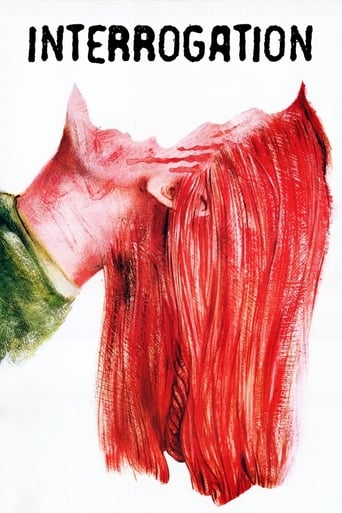
7.1In Stalinist Poland, cabaret singer Tonia decides to spend the evening drinking with a group of friends. The next morning, she awakes to find that, for reasons unknown to her, she has been jailed as a political prisoner. As prison officials interrogate, torture and humiliate her, she fights for survival and to maintain her innocence by refusing to sign a false confession. As her years of imprisonment pass, her relationship with her captors grows more complicated.
Interrogation
1989
 7.0
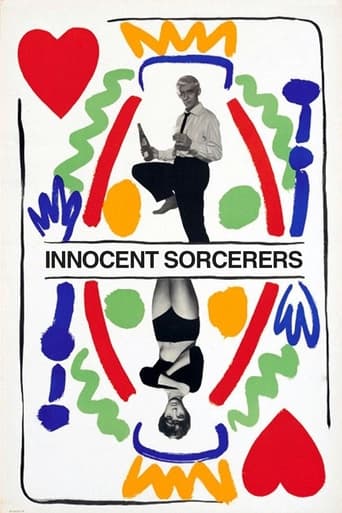
7.0A young doctor is tired of being sought by women. One night he meets a young girl who all but forces herself into his room where they talk of morals and love.
Innocent Sorcerers
1960
 5.6
5.6Russia, 1870. A group of young anarchist revolutionaries set out to overthrow the Czarist regime through violence. Their attacks create a climate of psychosis and mutual distrust among the population, but in reality, both revolutionaries and repressors are being manipulated by a diabolical individual.
The Possessed
1988
5.6Russia, 1870. A group of young anarchist revolutionaries set out to overthrow the Czarist regime through violence. Their attacks create a climate of psychosis and mutual distrust among the population, but in reality, both revolutionaries and repressors are being manipulated by a diabolical individual.
The Possessed
1988
 7.0
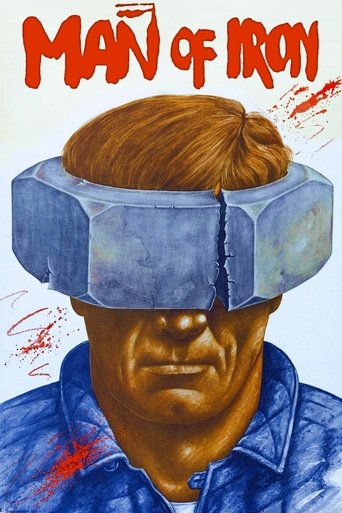
7.0In Warsaw in 1980, the Communist Party sends disgruntled radio reporter Winkel to Gdańsk to dig up dirt on the shipyard strikers - particularly on Maciek Tomczyk, an independent labour union leader whose father was killed in the December 1970 protests. Posing as sympathetic, Winkel interviews the people surrounding Tomczyk, including his detained wife, Agnieszka.
Man of Iron
1981
 6.6
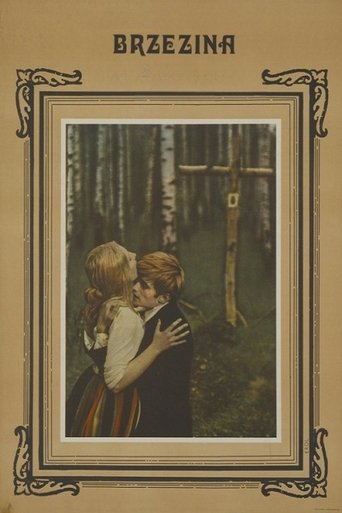
6.6A man suffering from tuberculosis returns from abroad to stay at his brother's farm, hoping to make amends, while also beginning a love affair with a farm girl.
The Birch Wood
1970
6.6A man suffering from tuberculosis returns from abroad to stay at his brother's farm, hoping to make amends, while also beginning a love affair with a farm girl.
The Birch Wood
1970
 6.9
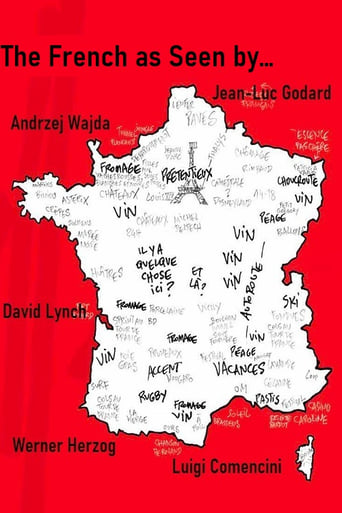
6.9In 1988, Figaro magazine asked a few famous directors to direct a series of short movies to celebrate the 10 years of the revue. The movies have been released for the French revolution bicentenary. Includes: Werner Herzog's Les Gaulois, David Lynch's The Cowboy and the Frenchman, Andrzej Wajda's Proust contre la déchéance, Luigi Comencini's Pèlerinage à Agen, Jean-Luc Godard's Le dernier mot.
The French as Seen by…
1988
 6.4
6.4During the German occupation of a small Polish town, Franciszek Kłos, a lowly local policeman, will stop at nothing to become a Volksdeutsche. Eager to prove his loyalty, he zealously carries out the occupiers' orders. What begins as administrative compliance soon escalates when he commits his first murder of a fellow Pole. Condemned to death by the Polish underground, Kłos outwardly shrugs off the sentence while quietly drowning his growing fear in alcohol. As his inhibitions crumble, he descends deeper into violence—participating in the roundup and execution of hidden Jews, and earning a reputation for brutality even among the SS.
The Judgement Of Franciszek Kłos
2000
6.4During the German occupation of a small Polish town, Franciszek Kłos, a lowly local policeman, will stop at nothing to become a Volksdeutsche. Eager to prove his loyalty, he zealously carries out the occupiers' orders. What begins as administrative compliance soon escalates when he commits his first murder of a fellow Pole. Condemned to death by the Polish underground, Kłos outwardly shrugs off the sentence while quietly drowning his growing fear in alcohol. As his inhibitions crumble, he descends deeper into violence—participating in the roundup and execution of hidden Jews, and earning a reputation for brutality even among the SS.
The Judgement Of Franciszek Kłos
2000
 NR
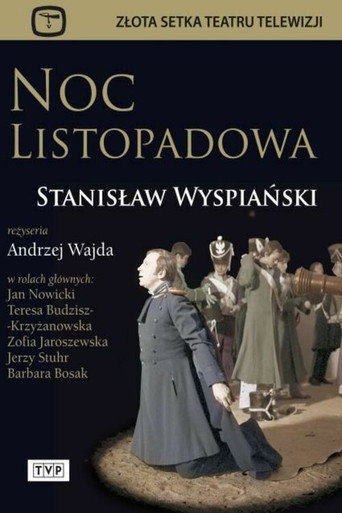
NRTelevision play adaptation of Wajda's stage play of Stanisław Wyspiański's November Night. The drama takes place on two levels - historical and metaphorical. The first one is almost a chronicle of several hours of the uprising - it shows the drama of the attitudes of Poles at the beginning of the armed struggle, in confrontation with the attitude of Grand Duke Constantine, the Tsar's deputy in Poland. The second one presents the world of gods playing out their arguments. Man becomes a plaything in their hands, but it is he who experiences his fear, heroism and hope.
November Night
1978
 7.3
7.3Set at the turn of the century, the story concerns a Polish poet living in Cracow who has decided to marry a peasant girl. The wedding is attended by a heterogenous group of people from all strata of Polish society, who dance, get drunk and lament Poland's 100-year-long division under Russia, Prussia, and Austria. The bridegroom, a painter friend, and a journalist each in turn is confronted with spectres of Polish past.
The Wedding
1973
 5.7
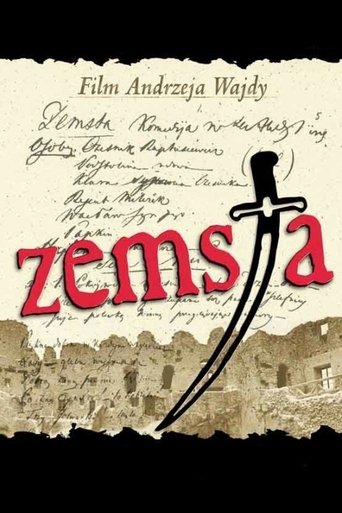
5.7A winter day at a Polish castle, half owned by a fatalistic notary and half by a volcanic old soldier's niece. The old soldier, Cupbearer, and the notary are sworn enemies, which may doom the love between the niece, Klara, and the notary's son, Waclaw. On this day, the tongue-tied Cupbearer asks a braggart courtier, Papkin, to sue on his behalf for the hand of the widow Hanna. Papkin succeeds and
The Revenge
2002
5.7A winter day at a Polish castle, half owned by a fatalistic notary and half by a volcanic old soldier's niece. The old soldier, Cupbearer, and the notary are sworn enemies, which may doom the love between the niece, Klara, and the notary's son, Waclaw. On this day, the tongue-tied Cupbearer asks a braggart courtier, Papkin, to sue on his behalf for the hand of the widow Hanna. Papkin succeeds and
The Revenge
2002
 5.5
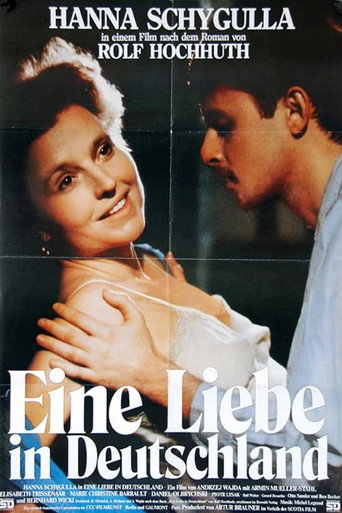
5.5In May of 1983, a man turns 49 and, with his 17-year old son, journeys to the village in Baden that he left 40 years before. He wants to discover what happened then, the truth about an affair his mother had with a young Polish prisoner of war, how the authorities came to learn of it, the lovers' arrest, and the aftermath. While his son takes Polaroid photographs, he retraces the steps of his childhood and interviews those who should remember. The story is disclosed in flashbacks that focus on the lovers (Paulina and Stanislaus), on a jealous and conniving neighbor, and on Mayer, the local SS commander who wants to find a way out of inevitable consequences.
A Love in Germany
1983
5.5In May of 1983, a man turns 49 and, with his 17-year old son, journeys to the village in Baden that he left 40 years before. He wants to discover what happened then, the truth about an affair his mother had with a young Polish prisoner of war, how the authorities came to learn of it, the lovers' arrest, and the aftermath. While his son takes Polaroid photographs, he retraces the steps of his childhood and interviews those who should remember. The story is disclosed in flashbacks that focus on the lovers (Paulina and Stanislaus), on a jealous and conniving neighbor, and on Mayer, the local SS commander who wants to find a way out of inevitable consequences.
A Love in Germany
1983
 6.9
6.9Stach is a wayward teen living in squalor on the outskirts of Nazi-occupied Warsaw. Guided by an avuncular Communist organizer, he is introduced to the underground resistance—and to the beautiful Dorota. Soon he is engaged in dangerous efforts to fight oppression and indignity, maturing as he assumes responsibility for others’ lives.
A Generation
1955
 5.8
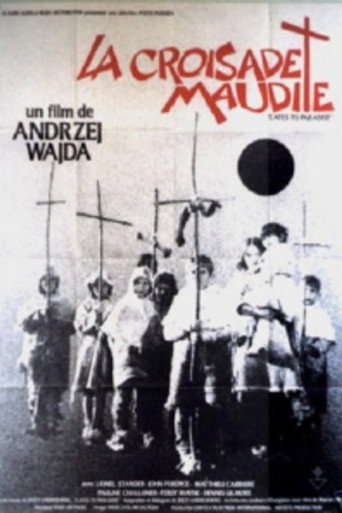
5.8In 1212, a Children's Crusade is launched after a young shepherd, Jacques de Cloyes, claims to have had a vision in which it is said that the innocence of children would be able to liberate Jerusalem. A monk, returning from Holy Land, joins the crusade and hears the children's confessions, gradually realizing that most of them are taking part not for religious, but for more worldly reasons, like rejected love and hopes for freedom, the true nature of their enthusiasm is homosexual. In fact, if the children follow Jacques, it is more for romantic than religious reasons. They take literally the famous phrase: “Love one another”.
Gates to Paradise
1968
NRNo synopsis available yet.
Andrzej Wajda: My Inspirations
2017
 6.6
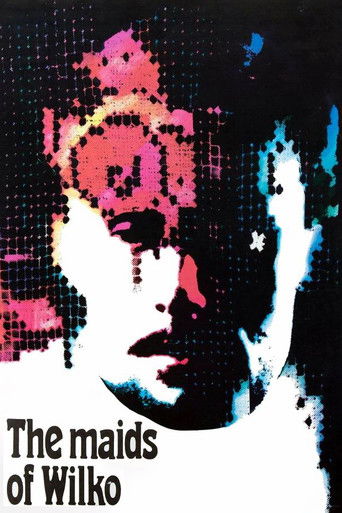
6.6Set in the late '20s. A thirtyish young man, who heads a small factory, faints at the funeral of a close friend. He decides to go home to his aunt and uncle for a while, but gets involved with a family of five women who had been in love with him at one time though he had apparently loved only one, who, unknown to him, has died since his departure. The women are mainly disillusioned with life or estranged from husbands while the youngest has a crush on him.
The Maids of Wilko
1979
 7.1
7.1A young Polish filmmaker sets out to find out what happened to Mateusz Birkut, a bricklayer who became a propaganda hero in the 1950s but later fell out of favor and disappeared.
Man of Marble
1977
6.8A famous Polish journalist presents a problem for the powers-that-be when he displays his full political skill and knowledge on a television show featuring questions and answers on a world conference by a panel of journalists. His enemies take away his privileges when he is away. The shock of being "unwanted" parallels a deeper disappointment in his private life: his wife has an affair with a jealous young rival, and after 15 years of marriage and two daughters wants a divorce. She offers no explanations as he tries to untie these problems himself. All the moves he makes are the wrong ones. He takes on drinking heavily with students eager to attend his seminar after discovering the class has been canceled. The journalist, once suave and commanding, is reduced to silence.
Without Anesthesia
1978
6.8A famous Polish journalist presents a problem for the powers-that-be when he displays his full political skill and knowledge on a television show featuring questions and answers on a world conference by a panel of journalists. His enemies take away his privileges when he is away. The shock of being "unwanted" parallels a deeper disappointment in his private life: his wife has an affair with a jealous young rival, and after 15 years of marriage and two daughters wants a divorce. She offers no explanations as he tries to untie these problems himself. All the moves he makes are the wrong ones. He takes on drinking heavily with students eager to attend his seminar after discovering the class has been canceled. The journalist, once suave and commanding, is reduced to silence.
Without Anesthesia
1978
 6.7
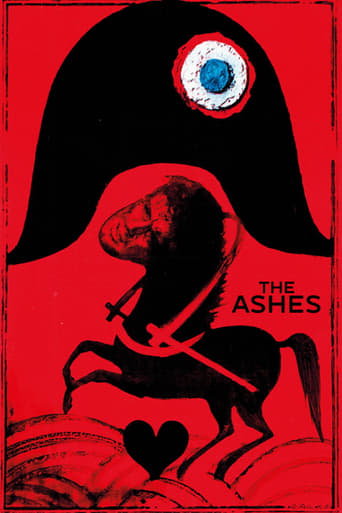
6.7Set in the time of Napoleon wars, shows how the wars swept over the unfortunate Polish country at the beginning of the XIX-th century. Story revolves around the Polish legion under command of General Dabrowski, who then fought on Napoleon's side with the hopes of Poland's revival.
The Ashes
1965
 6.1
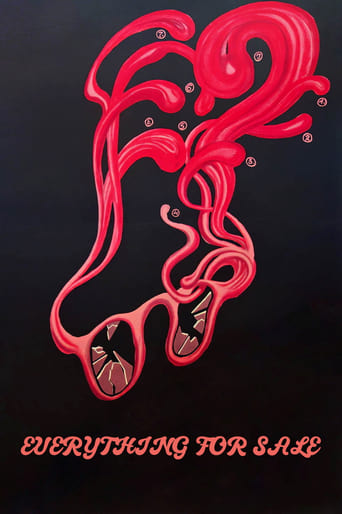
6.1Wajda's homage to Zbigniew Cybulski, the "Polish James Dean" who starred in the director's ASHES AND DIAMONDS and died young. The movie follows the tribulations of a director attempting to make a movie with a Cybulski-like star who never shows up.
Everything for Sale
1969