

Acting
Paul von Hindenburg
Born — Died
1847-10-02 — 1934-08-02
Place of birth
Posen, Kingdom of Prussia
Known for
Acting
Credits
22 titles
Paul Ludwig von Hindenburg, was a German general and statesman who led the Imperial German Army during World War I and later became President of Germany from 1925 until his death in 1934. During his presidency, he played a key role in the Nazi seizure of power in January 1933 when, under pressure from advisers, he appointed Adolf Hitler as Chancellor of Germany.
Known for
 7.6
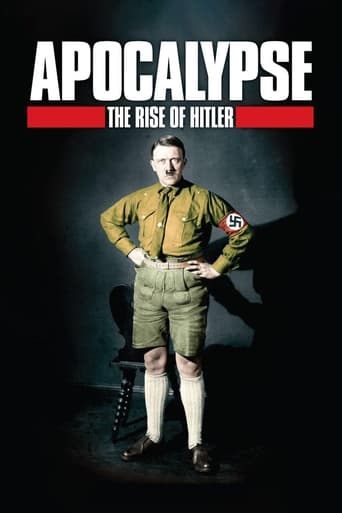
7.6Adolf Hitler (1889-1945) was a mediocre who rose to power because of the blindness and ignorance of the Germans, who believed he was nothing more than an eccentric dreamer. But when the crisis of 1929 devastated the economy, the population, fearful of chaos and communism, voted for him. And no one defended democracy. As the dictatorship extended its relentless shadow, the leader claimed peace, but was preparing the Apocalypse.
Apocalypse: The Rise of Hitler
2011
 7.5
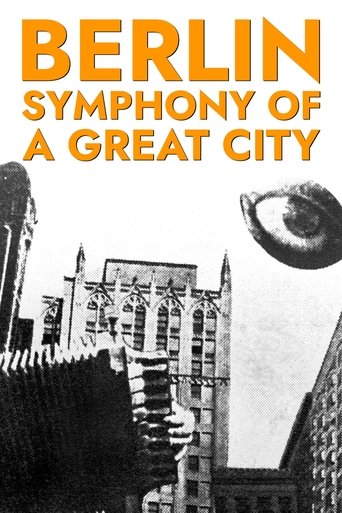
7.5A day in the city of Berlin, which experienced an industrial boom in the 1920s, and still provides an insight into the living and working conditions at that time. Germany had just recovered a little from the worst consequences of the First World War, the great economic crisis was still a few years away and Hitler was not yet an issue at the time.
Berlin: Symphony of a Great City
1927
 6.2
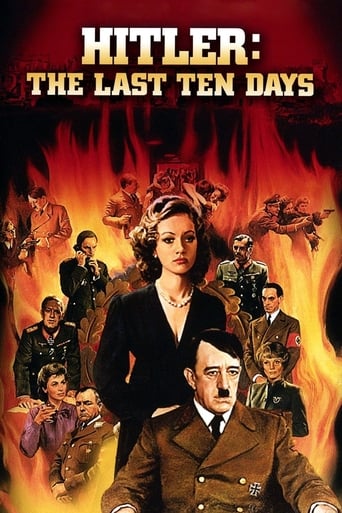
6.2Hitler: The Last Ten Days takes us into the depths of der Furher’s Berlin bunker during his final days. Based on the book by Gerhard Boldt, it provides a bleak look at the goings-on within, and without.
Hitler: The Last Ten Days
1973
 7.3
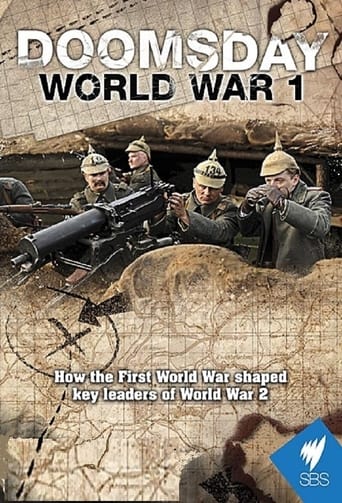
7.3The First World War - carnage on a scale never-before seen. But how did it all start? And how did some key figures of WWII fare in the earlier war?
Doomsday: World War I
2012
 NR
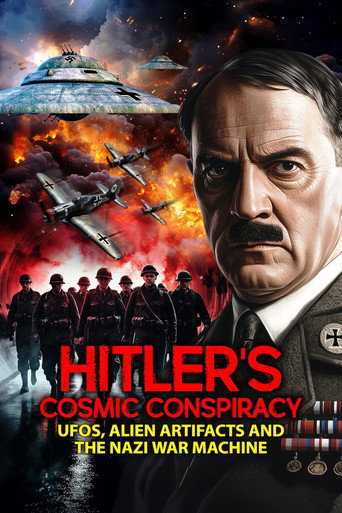
NRExplore the mysterious legend of the Thule society and the mystical "Vril" energy that the Nazi's claimed aided them in their pursuit for world power.
Hitler's Cosmic Conspiracy: UFOs, Alien Artifacts and the Nazi War Machine
2025
 NR
NRThis story of Utøya ends at 2 p.m. on 22 July 2011. It begins in 1933, when the Norwegian Labour Party bought the island from Conservative politician Jens Bratlie. Over the years, the island has been a place of happiness, recreation, friendship, love and political ideas, and for many it has held a very special significance.
Historien om en øy
2013
Film credits
2010s · 3 titles
NRThis story of Utøya ends at 2 p.m. on 22 July 2011. It begins in 1933, when the Norwegian Labour Party bought the island from Conservative politician Jens Bratlie. Over the years, the island has been a place of happiness, recreation, friendship, love and political ideas, and for many it has held a very special significance.
Historien om en øy
2013
 6.0
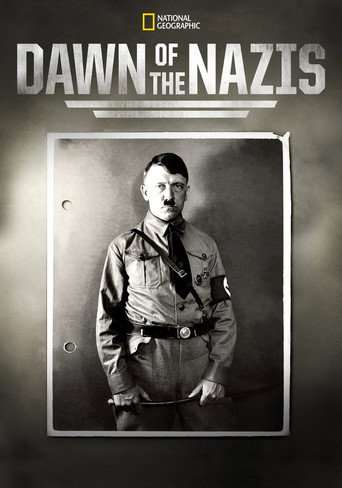
6.0How Germany was when its people entered the nightmare of World War II? Despair and fear lead a hungry population to follow the chilling call of just one man to world domination. A real-life horror story, an ominous tale of violence and deception, which takes place from 1919 to 1934. (Entirely made up of restored, colorized archival footage.)
Dawn of the Nazis
2017
 7.1
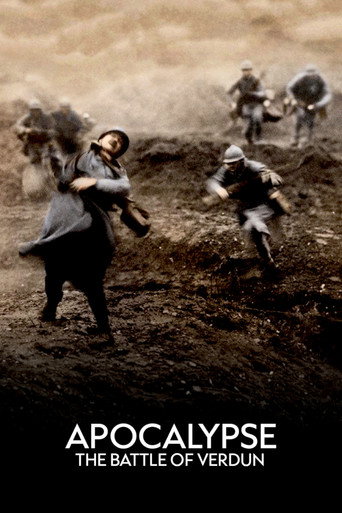
7.1A detailed account of one of the bloodiest battles of World War I. Between February and December 1916, the French and German armies relentlessly fought in the devastated camps around the village of Verdun.
Apocalypse: The Battle of Verdun
2016
2000s · 3 titles
 NR
NRThis 38-minute film introduces the history of the Holocaust. It begins by looking back at the major changes from 1918 to 1933 that created the political climate for the birth and rise of the Nazi Party in Germany. It explores the basis for the party’s support among ordinary Germans and the military, government, and business establishment before and after Hitler was appointed chancellor in January 1933.
The Path to Nazi Genocide
2008
 NR
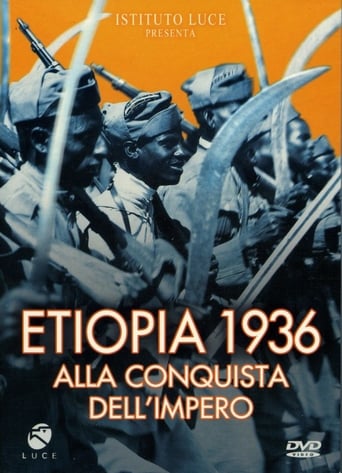
NRBy means of a chronological arrangement of historical video material from the Istituto Luce archives, it tells the story of Fascist Italy's ambitions in Africa and the role they played in shaping fascist ideology and the stance of the fascist regime in the Western world at the height of the age of colonialism and aggressive European expansionism.
Etiopia 1936: alla conquista dell'impero
2004
 NR
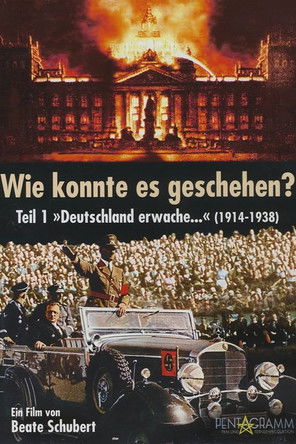
NRIn 1945, 160 German cities lay in ruins and the loss of millions of lives, billions in material assets and countless cultural treasures was mourned throughout Europe... With the question “How could it happen?”, the film goes back to the year 1914, when the “primal catastrophe of the 20th century” took its course with the First World War.
Wie konnte es geschehen? - Teil 1: "Deutschland erwache..." (1914 - 1938)
2006
1970s · 2 titles
6.2Hitler: The Last Ten Days takes us into the depths of der Furher’s Berlin bunker during his final days. Based on the book by Gerhard Boldt, it provides a bleak look at the goings-on within, and without.
Hitler: The Last Ten Days
1973
Four documentary scenes with subtitles document the year 1917 as the beginning of a new era. In addition to the military situation and the supply situation in Germany, the intervention of the USA and the events in Russia are shown in particular.
1917 - Jahr der Entscheidung
1973
1960s · 3 titles
 7.5
7.5Romm pulls out all the stops in its selection of documentary material to draw the viewer not only into absolute horror about fascism and nazism in the 1920s–1940s Europe, but also to a firm conviction that nothing of the sort should be allowed to happen again anywhere in the world.
Triumph Over Violence
1965
 8.0
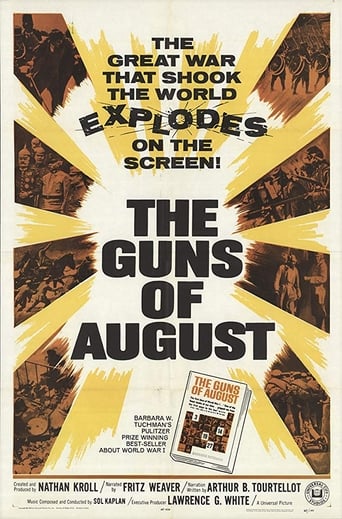
8.0Traces the origins and actions of World War I, from the funeral of Britain's King Edward VII to the Versailles Treaty.
The Guns of August
1964
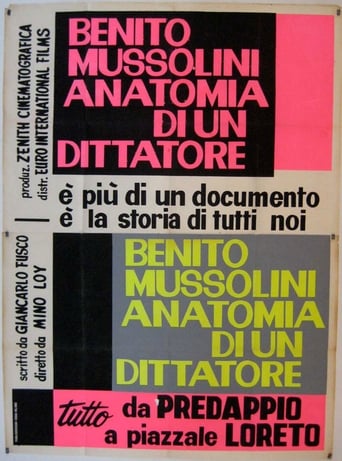 6.4
6.4No synopsis available yet.
Benito Mussolini: Anatomy of a Dictator
1962
1930s · 4 titles
Silent film with English inter-titles on the German Communist leader Ernst Thälmann and the campaign to release him from Buchenwald concentration camp.
Free Thaelmann
1935
Documentary film from a National Socialist perspective on the political development of Germany from the First World War to the annexation of Austria by the German Wehrmacht. The film is presumably one of a series of films intended to convince voters of the achievements of the NSDAP and Adolf Hitler in particular in the run-up to the referendum and Reichstag elections on April 10, 1938
Ich habe meine Pflicht getan
1939
 6.5
6.5A propaganda film of the Nazi Party from the year of the “Machtergreifung” in 1933. The film is a contemporary interesting document that illustrates the self-perception of the party at the beginning of their importance in terms of power politics.
Germany Awakens - A Document of the Rebirth of Germany
1933
No synopsis available yet.
Besuch bei Hindenburg
1932
1920s · 2 titles
7.5A day in the city of Berlin, which experienced an industrial boom in the 1920s, and still provides an insight into the living and working conditions at that time. Germany had just recovered a little from the worst consequences of the First World War, the great economic crisis was still a few years away and Hitler was not yet an issue at the time.
Berlin: Symphony of a Great City
1927
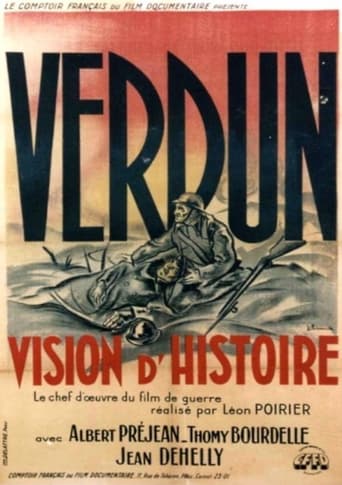 7.8
7.8A dramatized re-enactment and documentary of the Battle of Verdun as seen by both French and German soldiers, shot on site of the actual battle.
Verdun: Visions of History
1928
Series credits
7.6Adolf Hitler (1889-1945) was a mediocre who rose to power because of the blindness and ignorance of the Germans, who believed he was nothing more than an eccentric dreamer. But when the crisis of 1929 devastated the economy, the population, fearful of chaos and communism, voted for him. And no one defended democracy. As the dictatorship extended its relentless shadow, the leader claimed peace, but was preparing the Apocalypse.
Apocalypse: The Rise of Hitler
2011
7.3The First World War - carnage on a scale never-before seen. But how did it all start? And how did some key figures of WWII fare in the earlier war?
Doomsday: World War I
2012