
Directing
Steven Zeitlin
Known for
Directing
Credits
4 titles
Known for
 NR
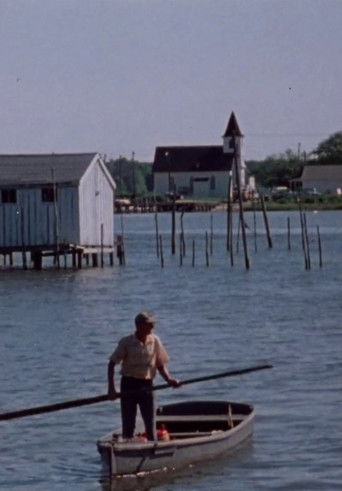
Long before the advent of hip-hop as a multi-million dollar industry, African Americans were rapping and rhyming in the street, in their neighborhoods, and on the fish market docks in Washington DC. In this film, Lincoln Rorie and Jerry Williams use traditional rhymes--and make up a few new ones--to entertain their customers, sell fish, and make money. Lincoln, from D.C., was hired by Captain White’s fish market boat in 1973, and inspired Jerry, from a fishing family on the Eastern Shore of Maryland, to use rhyme to sell. It's a remarkable story about a creative tradition in an occupational setting, and about how the expressive spirit takes hold in everyday life.
Mermaids, Frog Legs, and Fillets
1978
In 1974, as part of the Family Folklore Program of the Festival of American Folklife, the Smithsonian Institution in Washington, D.C., put out a call for families to bring in their home movies and have portions of them copied for a documentary film. More than 100 families responded to the call, bringing in 16 mm and 8mm home movies, as well as photo albums. The result was the documentary, Home Movie: An American Folk Art by Ernst Star, then a student in the film department at Temple University, and Steve Zeitlin, a student in the Department of Folklore and Folklife at the University of Pennsylvania.
Home Movie
1975
 NR
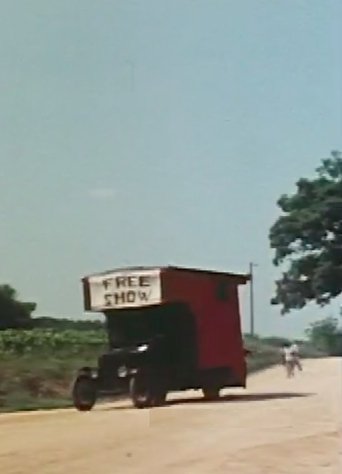
Academy award winning filmmaker Paul Wagner and folklorist Steve Zeitlin produced this 1983 oral history of the old-time travelling medicine show performers, with a recreated medicine show staged in a small North Carolina town.
Free Show Tonite
1984
 NR
This film explores the great themes of the People’s Poetry Gathering: the relationship of oral, written, and musical forms of poetry. Both feature traditional forms such as the Puerto Rican concorso de trovadores (a poetry contest) and literary poets such as Galway Kinnell and Sekou Sandiata, as well as new forms and formats, such as a Heavyweight Poetry Bout between Sherman Alexie and Patricia Smith and a teen slam.
The People’s Poetry Gathering
1999
Behind the camera
NRLong before the advent of hip-hop as a multi-million dollar industry, African Americans were rapping and rhyming in the street, in their neighborhoods, and on the fish market docks in Washington DC. In this film, Lincoln Rorie and Jerry Williams use traditional rhymes--and make up a few new ones--to entertain their customers, sell fish, and make money. Lincoln, from D.C., was hired by Captain White’s fish market boat in 1973, and inspired Jerry, from a fishing family on the Eastern Shore of Maryland, to use rhyme to sell. It's a remarkable story about a creative tradition in an occupational setting, and about how the expressive spirit takes hold in everyday life.
Mermaids, Frog Legs, and Fillets
1978
In 1974, as part of the Family Folklore Program of the Festival of American Folklife, the Smithsonian Institution in Washington, D.C., put out a call for families to bring in their home movies and have portions of them copied for a documentary film. More than 100 families responded to the call, bringing in 16 mm and 8mm home movies, as well as photo albums. The result was the documentary, Home Movie: An American Folk Art by Ernst Star, then a student in the film department at Temple University, and Steve Zeitlin, a student in the Department of Folklore and Folklife at the University of Pennsylvania.
Home Movie
1975
NRAcademy award winning filmmaker Paul Wagner and folklorist Steve Zeitlin produced this 1983 oral history of the old-time travelling medicine show performers, with a recreated medicine show staged in a small North Carolina town.
Free Show Tonite
1984
NRThis film explores the great themes of the People’s Poetry Gathering: the relationship of oral, written, and musical forms of poetry. Both feature traditional forms such as the Puerto Rican concorso de trovadores (a poetry contest) and literary poets such as Galway Kinnell and Sekou Sandiata, as well as new forms and formats, such as a Heavyweight Poetry Bout between Sherman Alexie and Patricia Smith and a teen slam.
The People’s Poetry Gathering
1999