
Acting
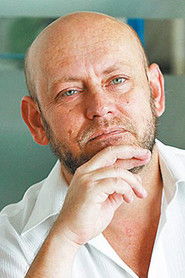
Luiz Antônio Simas
Born
1967-11-02 (58)
Place of birth
Rio de Janeiro, Rio de Janeiro, Brazil
Known for
Acting
Credits
14 titles
Luiz Antonio Simas (Rio de Janeiro, November 2, 1967) is a Brazilian writer, professor, historian, composer, babalaô in the Ifá cult. Author of several books[6] on Brazilian culture, social history, popular philosophy and religiosities, he has several recorded songs and published articles in newspapers and magazines.
Known for
 6.0
6.0No synopsis available yet.
Elza & Mané: Amor em Linhas Tortas
2022
 5.0
5.0The story of how the lottery invented to finance a zoo was incorporated by Rio de Janeiro's popular culture and, in the hands of organized gangsters, transformed itself into an immense crime empire.
Lei da Selva: A História do Jogo do Bicho
2022
 6.0
6.0This documentary accompanies the journey of artists who exalt and celebrate ancestry and the orishas in their work. It also offers a manifesto against one of the biggest problems facing Brazil: religious racism. The feature brings together stories from music, theater, fashion, dance and the visual arts to promote reflection on the power and importance of black representation, art and diversity
Tenho Fé
2022
 7.4
7.4A record on Brazilian samba school Estação Primeira de Mangueira's victory on the 2016 carnaval parade. Mangueira's parade that year was a homage to singer Maria Bethânia. The documentary also follows Bethânia on the celebrations of Our Lady of Purification, in Bahia, northeast of Brazil.
Fevereiros
2019
 NR
NRA film about the universe of Clementina de Jesus, singer revealed at the age of 63 as one of the greatest voices in the history of Samba.
Clementina
2018
 NR
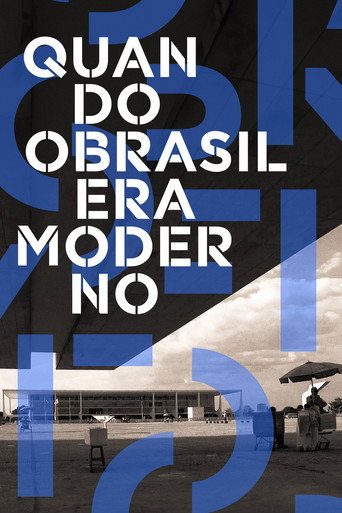
NRBrazilian architecture in the 20th century influenced generations of architects worldwide. But there was a time when choosing an architectural style also meant choosing a vision for the country, amidst political power struggles.
When Brazil Was Modern
2025
Film credits
2020s · 6 titles
6.0This documentary accompanies the journey of artists who exalt and celebrate ancestry and the orishas in their work. It also offers a manifesto against one of the biggest problems facing Brazil: religious racism. The feature brings together stories from music, theater, fashion, dance and the visual arts to promote reflection on the power and importance of black representation, art and diversity
Tenho Fé
2022
NRBrazilian architecture in the 20th century influenced generations of architects worldwide. But there was a time when choosing an architectural style also meant choosing a vision for the country, amidst political power struggles.
When Brazil Was Modern
2025
 NR
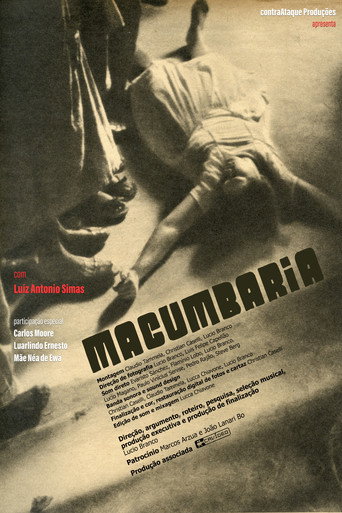
NRThe mystical element plays an unusual role in the civilizing process of Brazilian society. Realms such as samba, malandragem, soccer, and Carnival reflect this process, which unfolded in the shadow of the Precarious. On the street, in the terreiro, at the bar, in the favela, at the crossroads, or on the floodplain—a multifaceted historical and cultural identity was forged, resulting from the intersection of Amerindian and African spiritualities and European popular Catholicism. Macumbaria explores the phenomenon of the “macumba complex” through the lens of historian Luiz Antonio Simas, the film’s narrator.
Macumbaria
2026
 NR
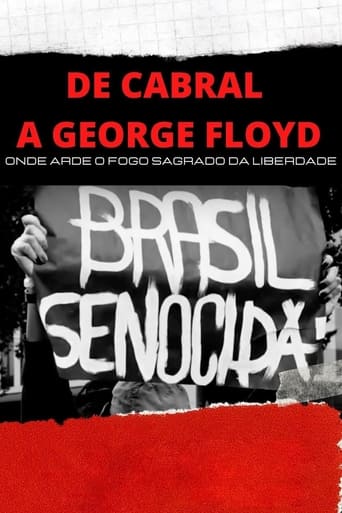
NRThrough clippings, the film draws a narrative line between the construction of racism in Brazil and the United States, having as base the European invasion of the continent, police violence, the genocide of the black people, the massacre of indigenous peoples, religious violence, the criminalization of funk music, structural racism in art and education, the importance of quota policy and the need urgent historical repair as a commitment by the Brazilian state to the black people.
De Cabral a George Floyd: Onde Arde o Fogo Sagrado da Liberdade
2020
 NR
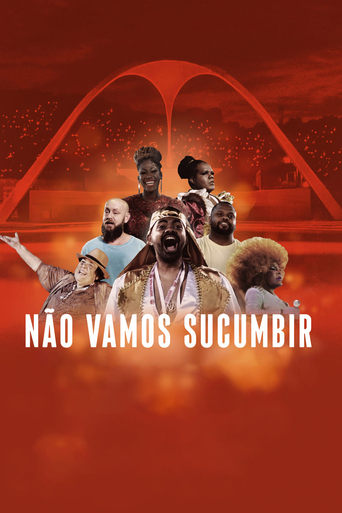
NRFrom the preparation for Carnival 2020 until the resumption in 2022, including the suspension of parades during the pandemic, the documentary makes a historical inventory from the emergence of samba schools to the present day, showing the cultural strength and its political and social significance.
Não Vamos Sucumbir
2024
 NR
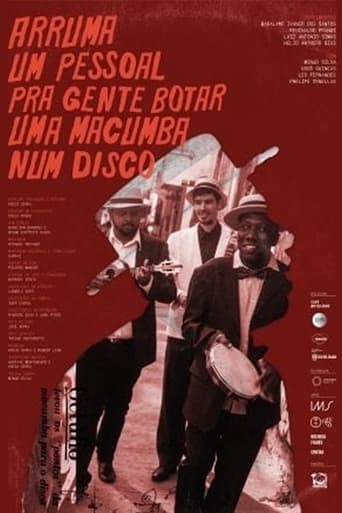
NRA short film on Getúlio Marinho, musician and pioneer on intrudicing Afro-Brazilian religious music in the recording industry.
Arruma um Pessoal pra Gente Botar uma Macumba num Disco
2023
2010s · 5 titles
7.4A record on Brazilian samba school Estação Primeira de Mangueira's victory on the 2016 carnaval parade. Mangueira's parade that year was a homage to singer Maria Bethânia. The documentary also follows Bethânia on the celebrations of Our Lady of Purification, in Bahia, northeast of Brazil.
Fevereiros
2019
NRA film about the universe of Clementina de Jesus, singer revealed at the age of 63 as one of the greatest voices in the history of Samba.
Clementina
2018
 NR
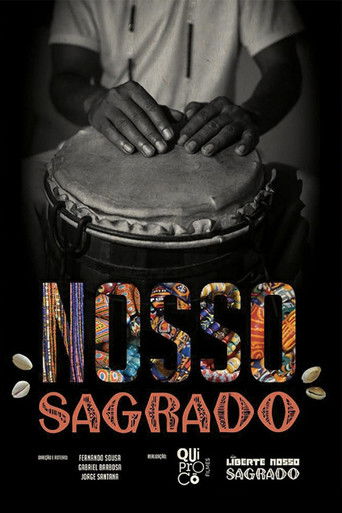
NRIn the First Republic (1889-1930) as well as in the Vargas Era (1930-1945) the traditional terreiro communities were criminalized, their religious leaders were persecuted and their sacred objects were seized. In Rio de Janeiro, more than 200 objects were seized by the police, and after the end of the official criminalization, they became part of the collection in the Museum of Civil Police. The documentary The Sacred within us deals with the past of persecution towards traditional terreiro communities, the "Black Magic" collection found in the Police Museum, the difficulty of access to the collection by religious, researchers and the population in general, as well as the struggle for to release the sacred objects that have been in the possession of the Civil Police of the State of Rio de Janeiro for 100 years.
Nosso Sagrado
2017
 7.5
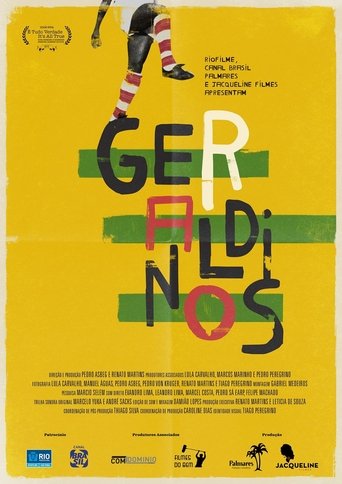
7.5Maracanã was built for the first World Cup in Brazil in 1950. Initially, it had a democratic space called General. The record analyzes the recent works in the stadium and shows classic fans.
Geraldinos
2015
 NR
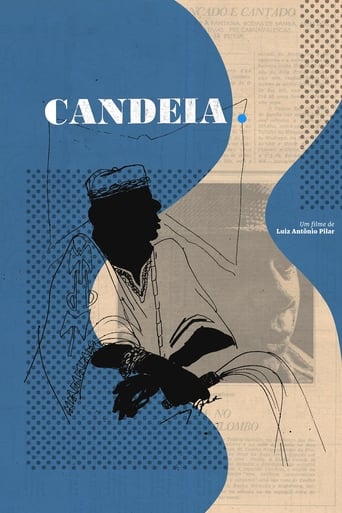
NRThe life and work of the late samba singer-songwriter Candeia.
Candeia
2018
Series credits
6.0No synopsis available yet.
Elza & Mané: Amor em Linhas Tortas
2022
5.0The story of how the lottery invented to finance a zoo was incorporated by Rio de Janeiro's popular culture and, in the hands of organized gangsters, transformed itself into an immense crime empire.
Lei da Selva: A História do Jogo do Bicho
2022