
Acting
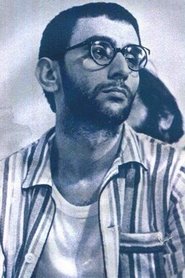
Ziad Rahbani
Born — Died
1956-01-01 — 2025-07-26
Place of birth
Antelias, Lebanon
Known for
Acting
Credits
22 titles
Lebanese composer, songwriter, singer, playwright, journalist and director. He began composing since he was six years old. He also composed his first song for for his mother, Fairouz, at only seventeen years old. Ever since, Ziad began working with his mother and the Rahbani family in their theatrical works at that time, then he also began writing and directing his own plays, which began to bear his own mark and his political and social views, which include (سهرية، نزل السرور، بالنسبة لبكرا شو، فيلم أمريكي طويل، شيء فاشل، بخصوص الكرامة والشعب العنيد). He's also written and composed several songs for Fairouz (البوسطة، عندي ثقة فيك، سلم لي عليه، إيه في أمل), and has taken part in several radio…
Known for
 NR
NRNo synopsis available yet.
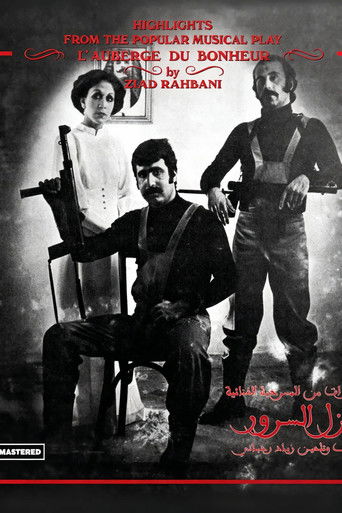
Joy Descended
1974
 NR
NRThe movie "Alive" by Ziad Rahbani, released in the early nineties, includes various video concerts that were held in the late eighties, after the release of "Relative Calm" CD.
Alive: Music from Beirut
1991
 5.5
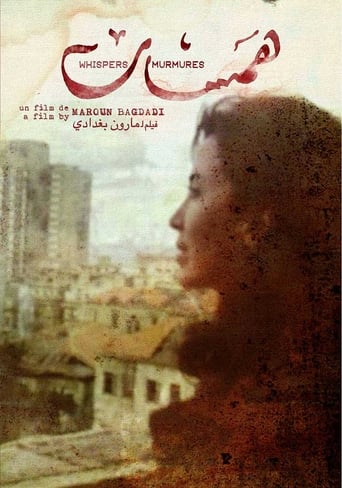
5.5At every station, between sites filled with poetry and nostalgia for a bygone era, the poet's dashed dreams and idealized vision of her country coincide with the director's own.
Whispers
1980
 7.0
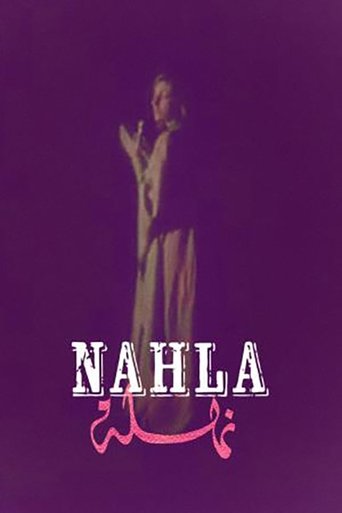
7.0After the battle of Kfar Chouba in Lebanon in January 1975, Larbi Nasri, a young Algerian journalist, was caught in the whirlwind of events preceding the civil war. Linked to Maha, Hind, Raouf and Michel who surround Nahla, he witnesses the construction of the myth of Nahla, a singer adored by the Arab population. One day Nahla loses her voice on stage. The atmosphere of crisis that reigns around her is spreading like an infection. Larbi, fascinated, loses his footing and gets bogged down.
Nahla
1979
 NR
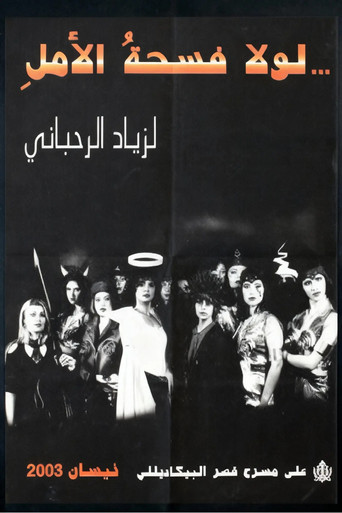
NRContinuing the events regarding dignity and the stubborn people, and the officer's control over the area where the events take place in southern Lebanon, led by an advisory council with crazy laws.
If it weren't for the space of hope
1995
 NR
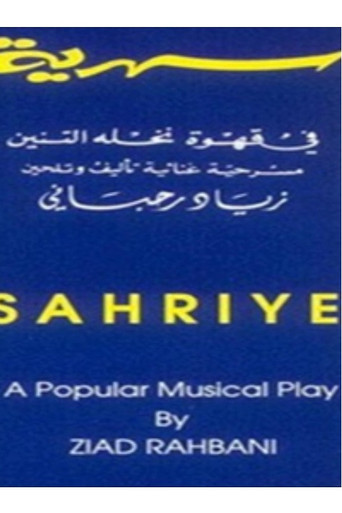
NRIn this 1973 theatrical production, written by Ziad Rahbani and directed by Nicholas Abu Samah, the story unfolds in a humble Lebanese village café in search of a new singer. Set entirely within Ahwet Nakhlet el Tineen (Dragon Palm Café), run by the proud owner and performer Nakhle, the play follows his quest to replace himself as the café's main attraction. After a failed audition process, a talented newcomer (Marwan Mahfouz) arrives with a captivating voice. Fearing his daughter Yasmeen's (Georgette Sayegh) growing affection for the young singer, Nakhle initially refuses to let him perform—until a change of heart alters the course of all their lives. The play is celebrated for its iconic musical numbers, including classics like "Ya Bint El Ma'awan" and "Nattarni."
Sahriye
1973
Film credits

1990s · 3 titles
NRThe movie "Alive" by Ziad Rahbani, released in the early nineties, includes various video concerts that were held in the late eighties, after the release of "Relative Calm" CD.
Alive: Music from Beirut
1991
NRContinuing the events regarding dignity and the stubborn people, and the officer's control over the area where the events take place in southern Lebanon, led by an advisory council with crazy laws.
If it weren't for the space of hope
1995
 10.0
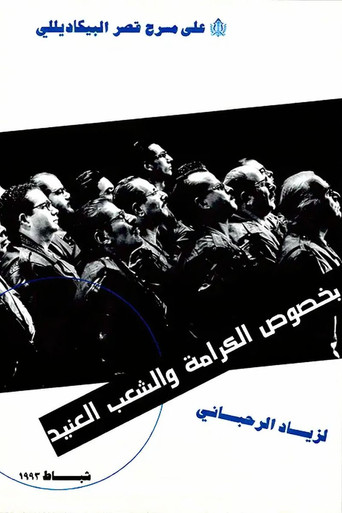
10.0The events highlighted the resilience of the people of southern Lebanon in the face of any assault on their dignity, revealing how the enemy confronted a fierce opponent united in all its movements, currents, and factions.
Regarding dignity and stubborn people
1993
1980s · 3 titles
5.5At every station, between sites filled with poetry and nostalgia for a bygone era, the poet's dashed dreams and idealized vision of her country coincide with the director's own.
Whispers
1980
 NR
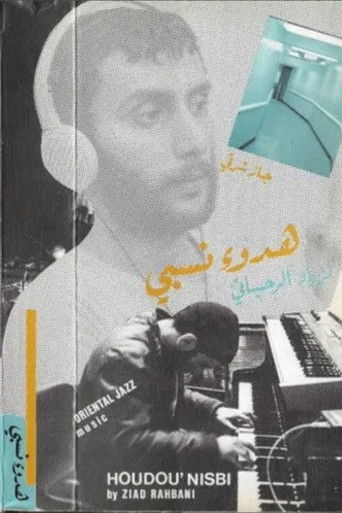
NRA trip with Ziad Rahbani and his team into the making of "Houdou Nisbi".
Houdou Nisbi
1985
 10.0
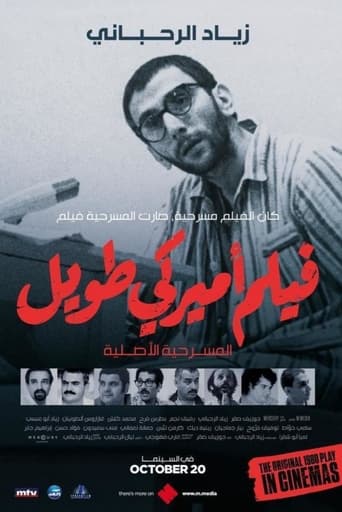
10.0During the early years of the Lebanese civil war inside a mental hospital located in West Beirut, we met seven patients and two drug addicts inside the walls of this hospital who suffer from severe cases, some of which came as a direct result of what happened during the war.
American Motion Picture
1980
1970s · 3 titles
NRNo synopsis available yet.
Joy Descended
1974
7.0After the battle of Kfar Chouba in Lebanon in January 1975, Larbi Nasri, a young Algerian journalist, was caught in the whirlwind of events preceding the civil war. Linked to Maha, Hind, Raouf and Michel who surround Nahla, he witnesses the construction of the myth of Nahla, a singer adored by the Arab population. One day Nahla loses her voice on stage. The atmosphere of crisis that reigns around her is spreading like an infection. Larbi, fascinated, loses his footing and gets bogged down.
Nahla
1979
 10.0
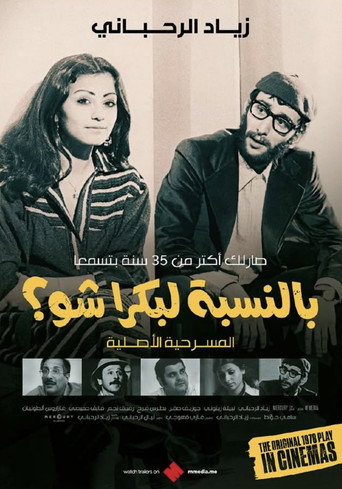
10.0Zakaria and Soraya, a married couple, decide to move to live in the Lebanese capital, Beirut, in order to improve their living conditions, and they join work in a bar in Hamra Street, which accepts the various segments of Lebanese society, which forces them to make many concessions in order to achieve the desired social advancement.
What About Tomorrow?
1978
Behind the camera
NRNo synopsis available yet.
Joy Descended
1974
NRNo synopsis available yet.
Joy Descended
1974
NRContinuing the events regarding dignity and the stubborn people, and the officer's control over the area where the events take place in southern Lebanon, led by an advisory council with crazy laws.
If it weren't for the space of hope
1995
NRContinuing the events regarding dignity and the stubborn people, and the officer's control over the area where the events take place in southern Lebanon, led by an advisory council with crazy laws.
If it weren't for the space of hope
1995
NRIn this 1973 theatrical production, written by Ziad Rahbani and directed by Nicholas Abu Samah, the story unfolds in a humble Lebanese village café in search of a new singer. Set entirely within Ahwet Nakhlet el Tineen (Dragon Palm Café), run by the proud owner and performer Nakhle, the play follows his quest to replace himself as the café's main attraction. After a failed audition process, a talented newcomer (Marwan Mahfouz) arrives with a captivating voice. Fearing his daughter Yasmeen's (Georgette Sayegh) growing affection for the young singer, Nakhle initially refuses to let him perform—until a change of heart alters the course of all their lives. The play is celebrated for its iconic musical numbers, including classics like "Ya Bint El Ma'awan" and "Nattarni."
Sahriye
1973
10.0Zakaria and Soraya, a married couple, decide to move to live in the Lebanese capital, Beirut, in order to improve their living conditions, and they join work in a bar in Hamra Street, which accepts the various segments of Lebanese society, which forces them to make many concessions in order to achieve the desired social advancement.
What About Tomorrow?
1978
10.0Zakaria and Soraya, a married couple, decide to move to live in the Lebanese capital, Beirut, in order to improve their living conditions, and they join work in a bar in Hamra Street, which accepts the various segments of Lebanese society, which forces them to make many concessions in order to achieve the desired social advancement.
What About Tomorrow?
1978
10.0The events highlighted the resilience of the people of southern Lebanon in the face of any assault on their dignity, revealing how the enemy confronted a fierce opponent united in all its movements, currents, and factions.
Regarding dignity and stubborn people
1993
10.0The events highlighted the resilience of the people of southern Lebanon in the face of any assault on their dignity, revealing how the enemy confronted a fierce opponent united in all its movements, currents, and factions.
Regarding dignity and stubborn people
1993
NRA trip with Ziad Rahbani and his team into the making of "Houdou Nisbi".
Houdou Nisbi
1985
10.0During the early years of the Lebanese civil war inside a mental hospital located in West Beirut, we met seven patients and two drug addicts inside the walls of this hospital who suffer from severe cases, some of which came as a direct result of what happened during the war.
American Motion Picture
1980
10.0During the early years of the Lebanese civil war inside a mental hospital located in West Beirut, we met seven patients and two drug addicts inside the walls of this hospital who suffer from severe cases, some of which came as a direct result of what happened during the war.
American Motion Picture
1980