
Acting
Csaba Oszkay
Known for
Acting
Credits
5 titles
Known for
 10.0
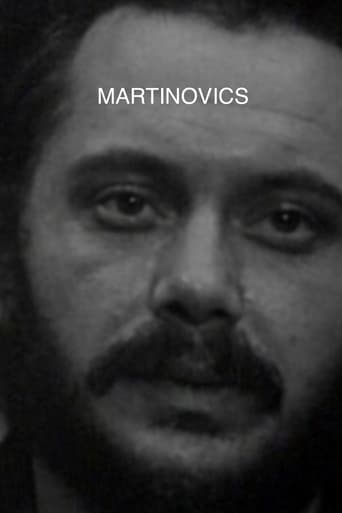
10.0For this austere, clear and sharp telefeature, Judit Elek focused on the last months of Martinovics’ life: his interrogation by the Austrians, the examining Magistrate Schilling in particular, shown as a battle of wits as well as delusions on both sides. Elek had wanted to make this film in the early 1970s, but wasn’t allowed to. When she finally got the chance, the reactions were predictable, as the parallels with recent Hungarian history were simply too obvious for officialdom not to feel anxious. History may not repeat itself, but the variations look eerily similar.
The Trial of Martinovics and the Hungarian Jacobins
1980
 6.3
6.3The movie portrays a peasant revolt in Hungary in the early twentieth century.
Hungarian Rhapsody
1979
 6.2
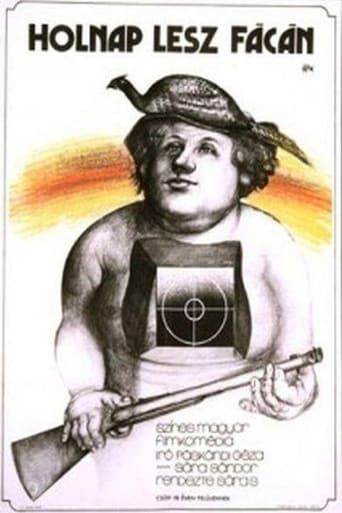
6.2The loving couple of this grotesque parable parody of the Kádár-regime, Mária and István row to an uninhabited, idyllic island. Soon crazy tent-pitchers swarm to the island, led by an official representative of the regime.
Pheasant Tomorrow
1974
 6.1
6.1It has been fifteen years since the death of her father, Agamemnon, and Elektra still burns with hatred for Aegisztosz, who conspired with Elektra's mother to kill him.
Electra, My Love
1974
 5.8
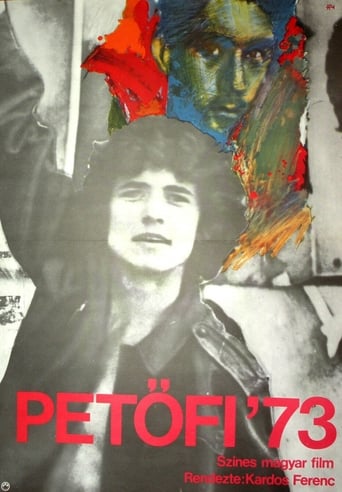
5.8Using high-school students, Hungarian director Ferenc Kardos re-created the 1848 revolutionary period in that country's history which was dominated by the poet/soldier Sandor Petofi (1822-1849). Petofi wrote many epic poems which inspired Hungarian nationalism, the most well-known of which is Up Magyar! The students were encouraged to improvise without costumes or scenery, and did so with gusto.
Petőfi '73
1973
Film credits
1970s · 4 titles
6.3The movie portrays a peasant revolt in Hungary in the early twentieth century.
Hungarian Rhapsody
1979
6.2The loving couple of this grotesque parable parody of the Kádár-regime, Mária and István row to an uninhabited, idyllic island. Soon crazy tent-pitchers swarm to the island, led by an official representative of the regime.
Pheasant Tomorrow
1974
6.1It has been fifteen years since the death of her father, Agamemnon, and Elektra still burns with hatred for Aegisztosz, who conspired with Elektra's mother to kill him.
Electra, My Love
1974
5.8Using high-school students, Hungarian director Ferenc Kardos re-created the 1848 revolutionary period in that country's history which was dominated by the poet/soldier Sandor Petofi (1822-1849). Petofi wrote many epic poems which inspired Hungarian nationalism, the most well-known of which is Up Magyar! The students were encouraged to improvise without costumes or scenery, and did so with gusto.
Petőfi '73
1973