
Acting
Peter Birrel
Born — Died
1935-07-19 — 2004-06-23
Place of birth
West Ham, Essex, England, UK
Known for
Acting
Credits
51 titles
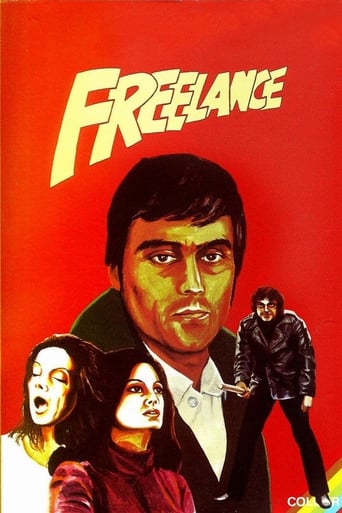
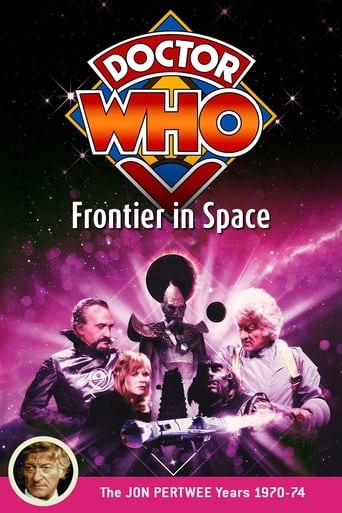
Peter Birrel (né Peter Cohen 19 July 1935 – 23 June 2004) was an English actor who played numerous parts on British television for nearly forty years. Birrel appeared in the Doctor Who story Frontier in Space in 1973, as well as in the documentary I Was a "Doctor Who" Monster. He also appeared in the first series of Alexander the Greatest. His film credits included Freelance (1971), Arch of Triumph (1984), and the television miniseries Freud (1984), War and Remembrance (1988) and Around the World in 80 Days (1989). In 1979 he played a guest-role in George and Mildred as George's brother Charlie Roper in the episode A Military Pickle He married actress Stephanie Cole in 1998. She was widowe…
Known for
 6.6
6.6The biggest stars, the most iconic performances, the most outrageous outfits – it’s Britain’s number one pop show.
Top of the Pops
1964
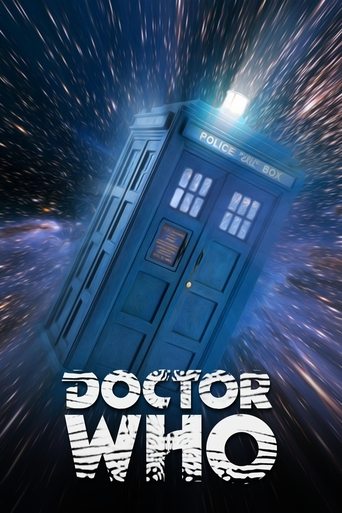 7.9
7.9The adventures of The Doctor, a time-traveling humanoid alien known as a Time Lord. He explores the universe in his TARDIS, a sentient time-traveling spaceship. Its exterior appears as a blue British police box, which was a common sight in Britain in 1963 when the series first aired. Along with a succession of companions, The Doctor faces a variety of foes while working to save civilizations, help ordinary people, and right many wrongs.
Doctor Who
1963
 5.7
5.7Crown Court is an afternoon television courtroom drama produced by Granada Television for the ITV network that ran from 1972, when the Crown Court system replaced Assize courts and Quarter sessions in the legal system of England and Wales, to 1984.
Crown Court
1972
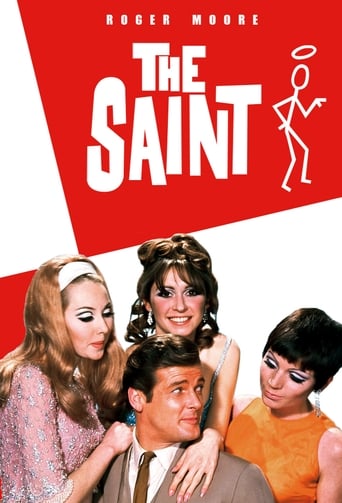 7.4
7.4Simon Templar is The Saint, a handsome, sophisticated, debonair, modern-day Robin Hood who recovers ill-gotten wealth and redistributes it to those in need.
The Saint
1962
 5.2
5.2A BBC television anthology series featuring productions of classic and contemporary stage plays usually broadcast on BBC1. Each production featured a different work, often using prominent British stage actors in the leading roles. The series was transmitted from October 1965 to September 1983.
BBC Play of the Month
1965
 7.2
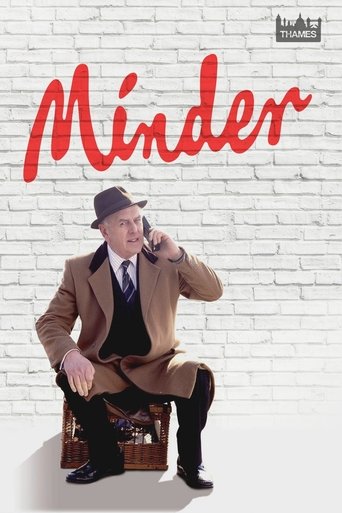
7.2Roguish comedy drama following the misadventures of small-time crook Arthur Daley.
Minder
1979
Film credits
1990s · 4 titles
 6.6
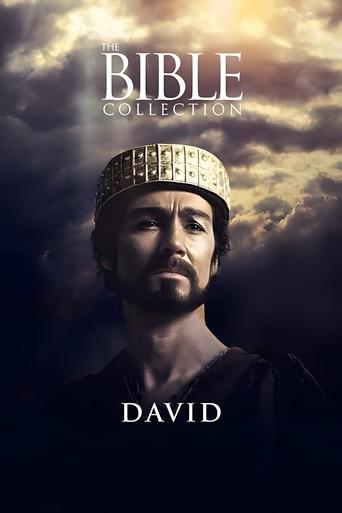
6.6A distinguished military leader whose reign was touched by great scandal, shocking betrayals and rousing victories. A simple shepherd boy chosen to be king, under the watchful eyes of prophet Samuel.
David
1997
 6.7
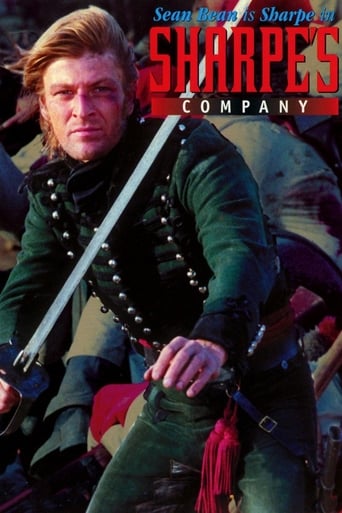
6.7Spain, 1812. The Duke of Wellington plans to lay siege to Badajoz. A murderous figure from Sharpe's past uses a beautiful woman to revenge himself on Sharpe, now the father of her child. Sharpe has reason to be happy, he holds his daughter for the first time and is given command of the Light Company again, together with his captaincy. But will his happiness be short lived?
Sharpe's Company
1994
 6.1
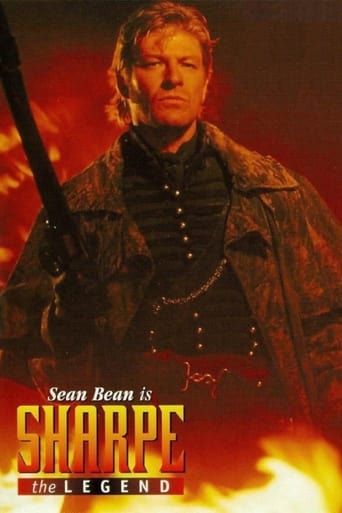
6.1Several years after the battle of Waterloo, a former soldier from Shoreditch sits in a London inn reminiscing about the brave and determined officer who took him to hell and back. The narrator is Rifleman Cooper, and the officer whose fame he recalls is the legendary Richard Sharpe.
Sharpe: The Legend
1997
 8.0
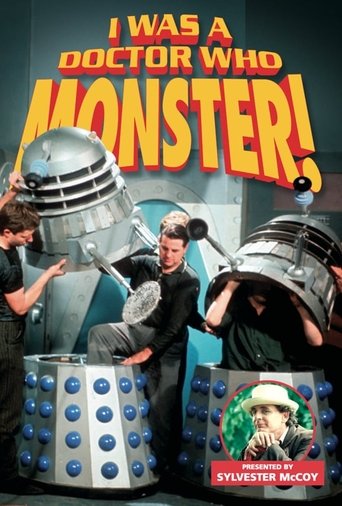
8.0To coincide with a new era for Doctor Who we take a nostalgic look back at the glory days of the programme in a tribute to its unsigned heroes. Ever wondered what it’s like inside a Dalek? How, exactly, of you portray a Fish Person? What was it like recording Doctor Who during its 26 year run? And just how do you get to be a Doctor Who monster? Now you can find out as, for the very first time, we speak to the men and women who ensured we spend out Saturday nights behind the sofa. Their stories are funny, moving, unbelievable and sometimes tragic. Presented by the seventh Doctor, Sylvester McCoy, and containing unique film and newly discovered photographs, this all adds up to an entertaining trip down memory lane – go on treat yourself to a slice of nostalgia!
I Was a Doctor Who Monster!
1996
1980s · 4 titles
 5.2
5.2A 1985 British made-for-television film based on the novel by Erich Maria Remarque, which was previously adapted in 1948 for a film of the same name with Ingrid Bergman and Charles Boyer. Dr. Ravic (Anthony Hopkins) is an Austrian doctor who helps Jews escape from the Nazis. In 1939, he meets Joan Madou (Lesley-Anne Down), a woman he saves from suicide, and their relationship flourishes until he is arrested as a refugee without documentation and realizes he has some unfinished business with the Nazis. After a prolonged separation, without explanation, the two are finally reunited and struggle to put their relationship back on the right course as mayhem breaks out all around them.
Arch of Triumph
1984
 6.0
6.0A group of fervent right wing French nationalists plan to finance a government coup and smash communists by pulling off a daring bank robbery.
The Great Riviera Bank Robbery
1980
 NR
NRA married transvestite comes to terms with their true gender identity.
Mary's Wife
1980
 7.0
7.0The controversial English artist Stanley Spencer scandalised the art world when he painted the Resurrection taking place in the churchyard of Cookham, his home village by the River Thames; and further scandalised the village when he decided that to nourish his imagination he needed two wives.
Stanley
1988
1970s · 2 titles
Series credits
6.6The biggest stars, the most iconic performances, the most outrageous outfits – it’s Britain’s number one pop show.
Top of the Pops
1964
7.9The adventures of The Doctor, a time-traveling humanoid alien known as a Time Lord. He explores the universe in his TARDIS, a sentient time-traveling spaceship. Its exterior appears as a blue British police box, which was a common sight in Britain in 1963 when the series first aired. Along with a succession of companions, The Doctor faces a variety of foes while working to save civilizations, help ordinary people, and right many wrongs.
Doctor Who
1963
7.9The adventures of The Doctor, a time-traveling humanoid alien known as a Time Lord. He explores the universe in his TARDIS, a sentient time-traveling spaceship. Its exterior appears as a blue British police box, which was a common sight in Britain in 1963 when the series first aired. Along with a succession of companions, The Doctor faces a variety of foes while working to save civilizations, help ordinary people, and right many wrongs.
Doctor Who
1963
5.7Crown Court is an afternoon television courtroom drama produced by Granada Television for the ITV network that ran from 1972, when the Crown Court system replaced Assize courts and Quarter sessions in the legal system of England and Wales, to 1984.
Crown Court
1972
7.4Simon Templar is The Saint, a handsome, sophisticated, debonair, modern-day Robin Hood who recovers ill-gotten wealth and redistributes it to those in need.
The Saint
1962
5.2A BBC television anthology series featuring productions of classic and contemporary stage plays usually broadcast on BBC1. Each production featured a different work, often using prominent British stage actors in the leading roles. The series was transmitted from October 1965 to September 1983.
BBC Play of the Month
1965
7.2Roguish comedy drama following the misadventures of small-time crook Arthur Daley.
Minder
1979
 7.3
7.3Z-Cars or Z Cars is a British television drama series centred on the work of mobile uniformed police in the fictional town of Newtown, based on Kirkby, Merseyside. Produced by the BBC, it debuted in January 1962 and ran until September 1978.
Z-Cars
1962
 7.0
7.0Jim Bergerac is a detective sergeant in The Foreigners Office who likes to do things his own way. While dealing with his own personal demons Bergerac has a knack of finding trouble, and sometimes causing it.
Bergerac
1981
 4.2
4.2An anthology of short plays shown on BBC Television between 1965 and 1973, used in part at least as a training ground for new writers, on account of its short length, and which therefore attracted many writers who later became well known.
Thirty-Minute Theatre
1965
 4.8
4.8No Hiding Place is a British television series that was produced at Wembley Studios by Associated-Rediffusion for the ITV network between 16 September 1959 and 22 June 1967. It was the sequel to the series Murder Bag and Crime Sheet, all starring Raymond Francis as Detective Superintendent, later Detective Chief Superintendent Tom Lockhart.
No Hiding Place
1959
 7.0
7.0A one-hour anthology television series of one-off contemporary and classic dramas produced by the BBC.
Playhouse
1974
 7.0
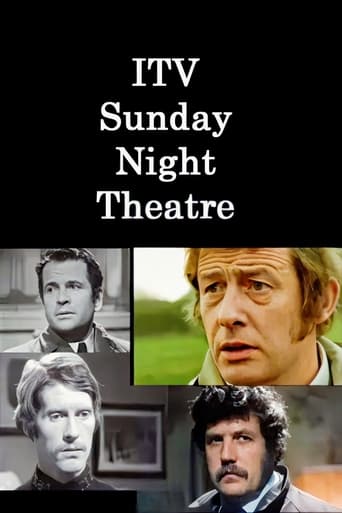
7.0Anthology series of dramatic works.
ITV Saturday Night Theatre
1969
 4.5
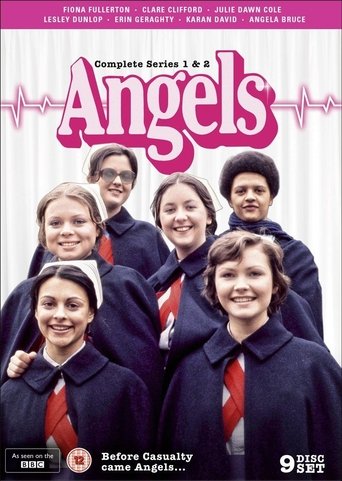
4.5Angels is a BBC medical soap-opera which launched on 1st September 1975 and was the blue print for such medical soaps as Casualty, Holby City, plus daytime soap, Doctors. The medical soap focuses on different departments within Heath Green Hospital and was a highly successful continuing drama.
Angels
1975
 7.4
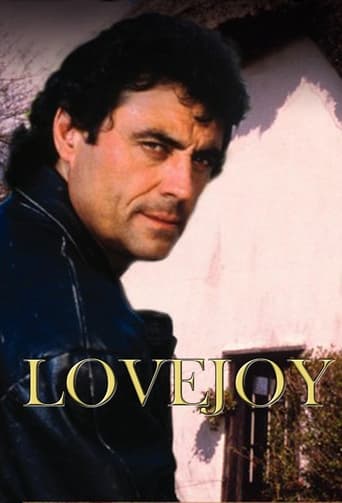
7.4The adventures of the eponymous Lovejoy, a likeable but roguish antiques dealer based in East Anglia. Within the trade, he has a reputation as a “divvie”, a person with an almost supernatural powers for recognising exceptional items as well as distinguishing genuine antique from clever fakes or forgeries.
Lovejoy
1986
 7.5
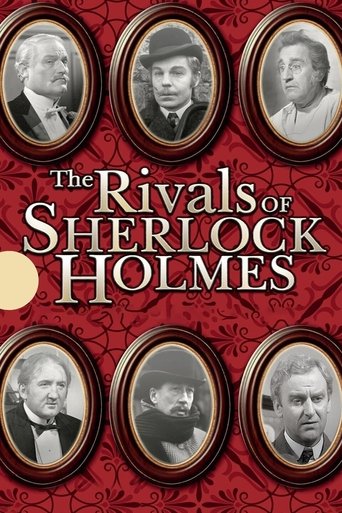
7.5An anthology series produced by Thames Television, comprised of short mystery, suspense or crime adaptations featuring, as the title suggests, detectives who were literary contemporaries of Arthur Conan Doyle's Sherlock Holmes.
The Rivals of Sherlock Holmes
1971
 6.0
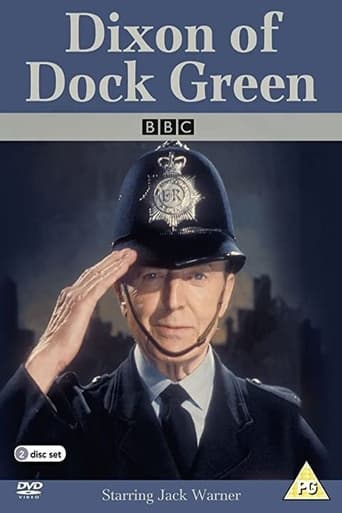
6.0Dixon of Dock Green was a BBC television series following the activities of police officers at a fictional Metropolitan Police station in the East End of London from 1955 to 1976. Some episodes were later remade as a BBC radio series in 2005 and 2006.
Dixon of Dock Green
1955
 6.3
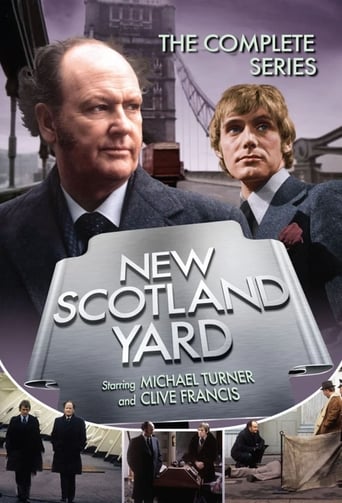
6.3New Scotland Yard is a police drama series produced by London Weekend Television for ITV from 1972 and 1974. It features the activities of two officers from the Criminal Investigations Department in the Metropolitan Police force headquarters at New Scotland Yard, as they dealt with the assorted villains of the day.
New Scotland Yard
1972
 7.8
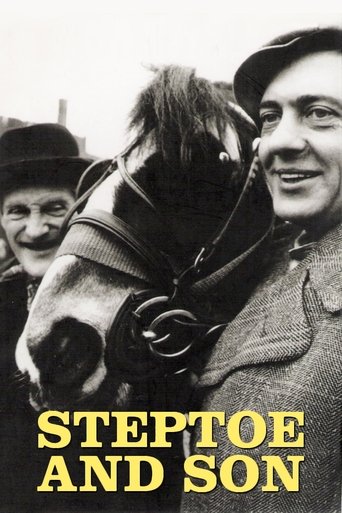
7.8A father and son who work as rag-and-bone men live together in Shepherd's Bush, London. While Albert is content with their way of life, Harold aspires to better himself and build a life of his own, but his attempts are repeatedly thwarted by his father, leading to frequent clashes between the two.
Steptoe and Son
1962
 8.2
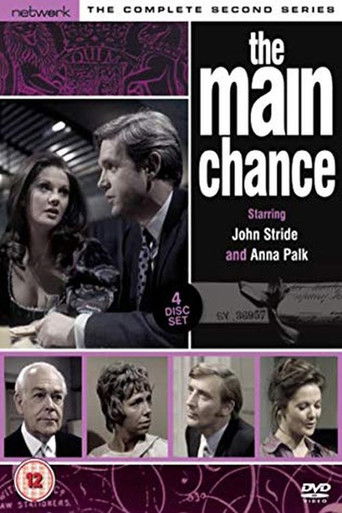
8.2The Main Chance was a British television series which first aired on ITV between 1969,1970,1972 and 1975. A drama, it depicts the sudden transformation in the life of solicitor David Main who relocates from London to Leeds.
The Main Chance
1969
8.2The Main Chance was a British television series which first aired on ITV between 1969,1970,1972 and 1975. A drama, it depicts the sudden transformation in the life of solicitor David Main who relocates from London to Leeds.
The Main Chance
1969
 7.0
7.0Each self-contained episode features a different kind of horror, varying from witches, werewolves, ghosts, devil worship and voodoo, but also includes non-supernatural themes such as cannibalism, confinement and serial killers.
Hammer House of Horror
1980
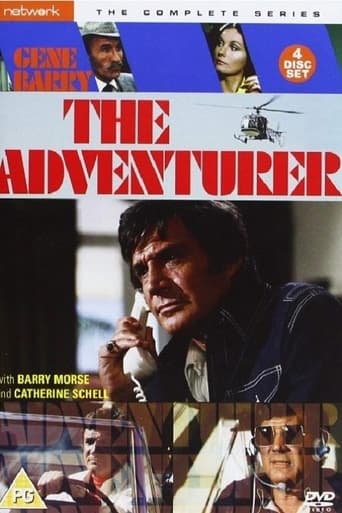 6.3
6.3The Adventurer is an ITC Entertainment TV adventure series created by Dennis Spooner that ran for one season from 1972 to 1973. It premiered in the UK on 29 September 1972. The show starred Gene Barry as Gene Bradley, a government agent of independent means who poses as a glamorous American movie star.
The Adventurer
1972
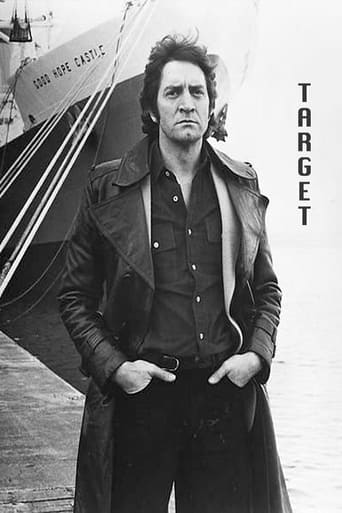 7.0
7.0A crime drama set in Southampton following a team of detectives and the cases they solve.
Target
1977
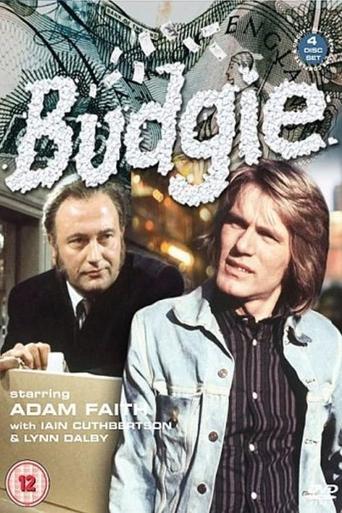 7.2
7.2Budgie is a popular British television series starring former popstar Adam Faith which was produced by ITV company London Weekend Television and broadcast on the ITV network between 1971 and 1972. The series was created by Keith Waterhouse and Willis Hall . The show was produced by Verity Lambert, Rex Firkin was the Executive producer.
Budgie
1971
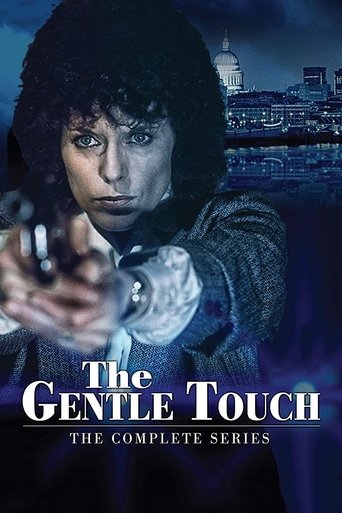 7.2
7.2Notable as the first British series to feature a female police officer (predating Juliet Bravo by four months), Detective Inspector Maggie Forbes raises her teenage son while navigating a male-dominated police force following the murder of her police commissioner husband.
The Gentle Touch
1980
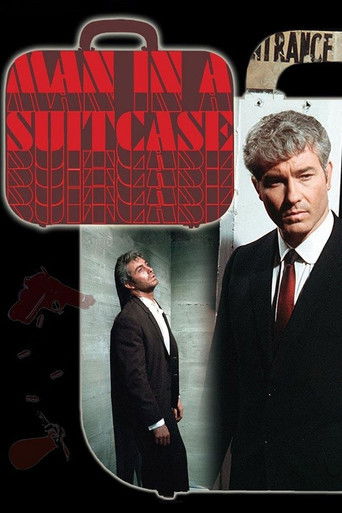 7.2
7.2Accused of treason, a former U.S. intelligence officer based in London tries to clear his name, taking on freelance jobs around Europe as he searches for answers.
Man in a Suitcase
1967
Studio 4 is an anthology drama series utilising BBC Television Centre's Studio Four, and running for two series in 1962 on BBC One. It was envisaged as a sequel to Storyboard, a similar anthology series which had been transmitted the previous year.
Studio 4
1962
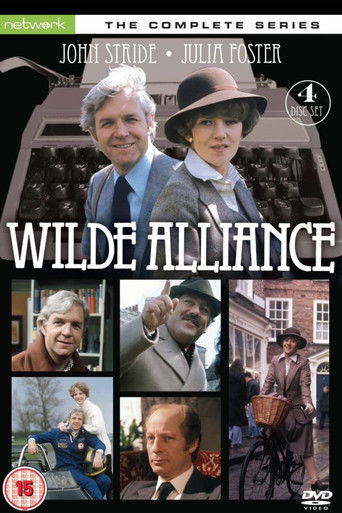 7.0
7.0Wilde Alliance is a 1978 British television programme created by Ian Mackintosh and produced by Yorkshire Television for l ITV. The light-hearted mystery series follows husband-and-wife amateur detectives Rupert and Amy Wilde.
Wilde Alliance
1978
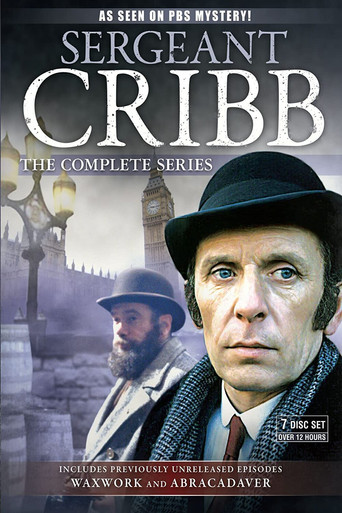 8.0
8.0Victorian England, the late 1800s: Detective Sergeant Daniel Cribb of the newly formed Criminal Investigation Department (CID) is determined to remove crime from the streets of London using the latest detection methods.
Cribb
1980
 NR
NRAnthology series of love stories.
Boy Meets Girl
1967
 6.0
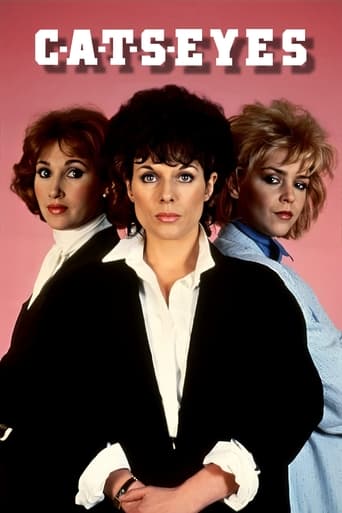
6.0C.A.T.S. Eyes is a British television series made by TVS for ITV between 1985 and 1987. A spin-off of the series The Gentle Touch, Maggie Forbes leads an all-female detective agency called "Eyes" that secretly operates as a Home Office team known as C.A.T.S. (Covert Activities Thames Section).
C.A.T.S. Eyes
1985
 7.0
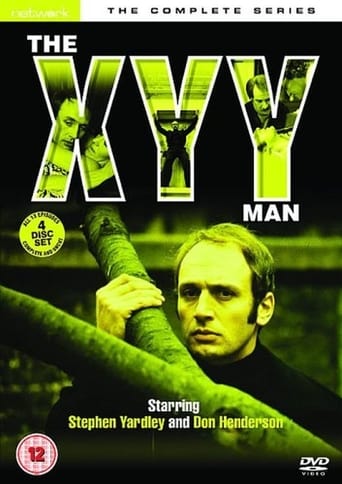
7.0The XYY Man is a 1976–77 British crime thriller television series created by Kenneth Royce, based on his novel series about reformed cat burglar William 'Spider' Scott, recruited by British intelligence for secret missions due to his unique genetic makeup (an extra Y chromosome), which supposedly predisposes him to crime. The plot follows his reluctant work for the secret service and his constant pursuit by the dogged Detective Sergeant George Bulman, leading to spin-offs like Strangers and Bulman.
The XYY Man
1976
 NR
NRHolly Elliot is a university graduate taking an evening class in art appreciation. Her husband, David, on the other hand, works for a mail-order firm and is trying hard to keep up with Holly by taking an extramural degree in his spare time. Their lives are about to be irrevocably upended.
Holly
1972
 6.0
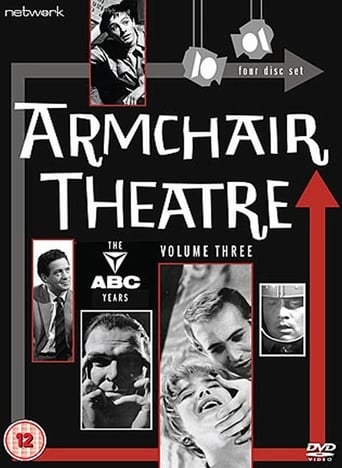
6.0Armchair Theatre is a British television drama anthology series of single plays that ran on the ITV network from 1956 to 1974. It was originally produced by Associated British Corporation, and later by Thames Television from mid-1968.
Armchair Theatre
1956
 6.2
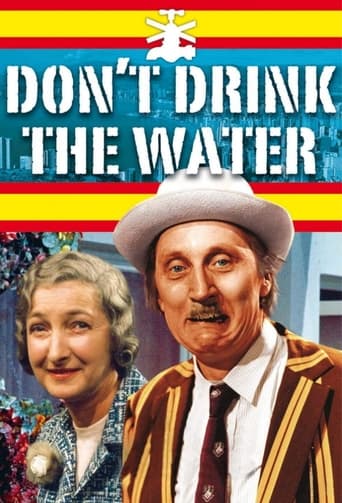
6.2This short-lived sequel to On the Buses (1969) saw Blakey move to Spain with his sister.
Don't Drink the Water
1974
 5.0
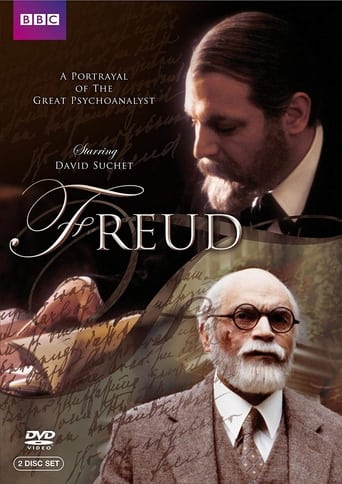
5.0Freud, also known as Freud: The Life of a Dream, is a 1984 six-part BBC television serial dramatised by Carey Harrison, and starring David Suchet as Austrian psychoanalyst Sigmund Freud. Each episode begins with Freud and his family in London, where they had fled from Vienna in 1938 following the Nazi Anschluss, leading up to Freud's death a little over a year later. The rest of the episodes are told mainly in flashbacks to key moments in Freud's life and career.
Freud
1984
 NR
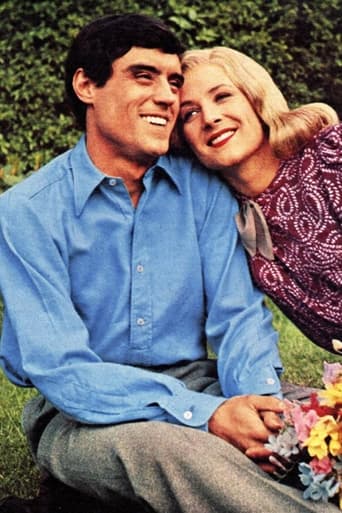
NRYou Can't Win was a 1966 British television series made by ITV as an adaptation of the novels Scenes from Provincial Life and Scenes from Married Life by William Cooper. It stars Ian McShane as protagonist Joe Lunn, an English provincial grammar school physics teacher in 1939 who later moves to London and into the English establishment.
You Can't Win
1966
Studio 4 is a BBC drama anthology series, filmed at the BBC TV Centre's Studio Four, and screening over two seasons in 1962. The series was envisaged as a sequel to Storyboard, an anthology series which had been transmitted the previous year.
Studio 4
1962
Alexander the Greatest was a British sitcom that aired on ITV from 1971 to 1972. Starring Gary Warren, it was written by Bernard Kops and made for the ITV network by ATV.
Alexander the Greatest
1971