

Directing
Angelina Vásquez
Born
1950-05-12 (76)
Place of birth
Chile
Known for
Directing
Credits
13 titles
Angelina Vásquez (born 1950) is a Chilean documentary filmmaker who was exiled to Finland following the 1973 Chilean coup but returned to film clandestinely during the Pinochet dictatorship in the early 1980s. Like Marilú Mallet in Canada and Valeria Sarmiento in France, she is notable as one of the first Chilean women film directors, emerging in the early 1970s but producing most of her work in exile.
Known for
 NR
The story of a Chilean refugee, marked by imprisonment and torture, illustrates the tragedy suffered by victims of violence in Latin America during the years of dictatorship.
Gracias a la Vida (o la Pequeña Historia de una Mujer Maltratada)
1980
 NR
The diary of a trip - interrupted - of the director to Chile, made during the social explosion of the eighties: Expelled from the country after her semi-clandestine entry was discovered by the intelligence services, it was completed from a distance. It is one of the first returns from exile and a fundamental antecedent of the first-person documentary in Chile.
Fragmentos de un diario inacabado
1983
 NR
Portrait of the Chilean community in Finland from the perspective of the director, a political exile after the 1973 coup d'état.
Two Years in Finland
1975
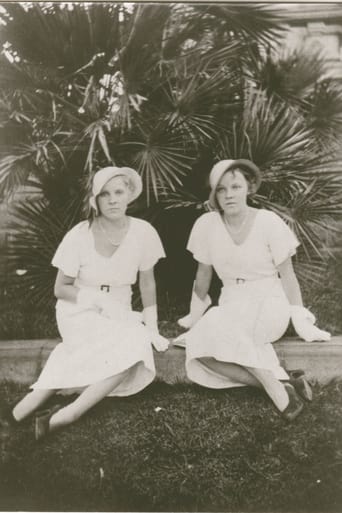 10.0
A documentary about Finnish twin sisters, one of whom disappeared in Argentina in 1977.
Presencia lejana
1982
 NR
Story of the history of the workers' movement in the saltpeter offices of northern Chile. The voices of the workers are heard, with images of the mining sites.
Crónica del salitre
1971
 NR
Based on María Vesterinen's drawings, it tells the story of the kidnapping of men and women in Chile and the search for their missing relatives.
Así nace un desaparecido
1977
Behind the camera
NRThe story of a Chilean refugee, marked by imprisonment and torture, illustrates the tragedy suffered by victims of violence in Latin America during the years of dictatorship.
Gracias a la Vida (o la Pequeña Historia de una Mujer Maltratada)
1980
NRThe story of a Chilean refugee, marked by imprisonment and torture, illustrates the tragedy suffered by victims of violence in Latin America during the years of dictatorship.
Gracias a la Vida (o la Pequeña Historia de una Mujer Maltratada)
1980
NRThe diary of a trip - interrupted - of the director to Chile, made during the social explosion of the eighties: Expelled from the country after her semi-clandestine entry was discovered by the intelligence services, it was completed from a distance. It is one of the first returns from exile and a fundamental antecedent of the first-person documentary in Chile.
Fragmentos de un diario inacabado
1983
NRPortrait of the Chilean community in Finland from the perspective of the director, a political exile after the 1973 coup d'état.
Two Years in Finland
1975
NRPortrait of the Chilean community in Finland from the perspective of the director, a political exile after the 1973 coup d'état.
Two Years in Finland
1975
10.0A documentary about Finnish twin sisters, one of whom disappeared in Argentina in 1977.
Presencia lejana
1982
10.0A documentary about Finnish twin sisters, one of whom disappeared in Argentina in 1977.
Presencia lejana
1982
NRStory of the history of the workers' movement in the saltpeter offices of northern Chile. The voices of the workers are heard, with images of the mining sites.
Crónica del salitre
1971
NRStory of the history of the workers' movement in the saltpeter offices of northern Chile. The voices of the workers are heard, with images of the mining sites.
Crónica del salitre
1971
NRBased on María Vesterinen's drawings, it tells the story of the kidnapping of men and women in Chile and the search for their missing relatives.
Así nace un desaparecido
1977
Anita Mikkonen, a Finnish brigadista in Nicaragua's literacy campaign, returns to the highlands of San Andres, where she meets again the men, women and children who shared their homes, their food and their history with her.
Apuntes nicaragüenses
1982
A man, his garden of flowers and a salesman.
Flores S.A.
1971