
Directing
Mona Vatamanu
Known for
Directing
Credits
4 titles
Known for
 NR
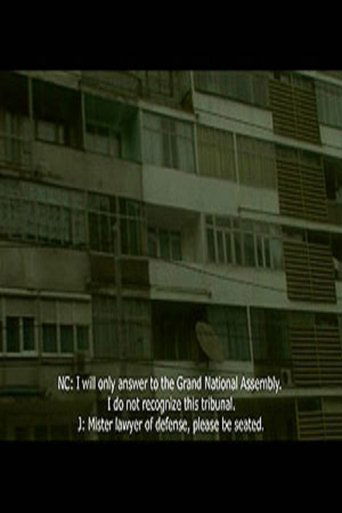
A film constructed on a text that seems to be a theatrical performance rather than the transcript of a trial. The camera traces facades of communist housing blocks, depressingly unchanged over the years, as the transcript from the trial of Communist dictator Nicolae Ceaușescu and his wife, Elena, is read without pause or emotion. The intensity of the film is created by the tension between the dizzying and unceasing movement of the camera and the continuous and expressionless reading of the trial script, recording a very dark episode of modern history. — Anthology Film Archives
The Trial
2005
Ilinca Manolache's Bobitza returns in a fascinating mise-en-scène of the far right's media spectacle. Vătămanu and Tudor's performative video-essay uses the ready-made of this satirical character to analyse the politics behind the architectural restorations in Viktor Orbán's Budapest, resorting to a rhetorical cacophony perfectly consistent with today's social media: from dirty curse words to Walter Benjamin citations, anti-woke rage-baits, and sputtered out bibliographies.
Ornament is Crime
—
 NR
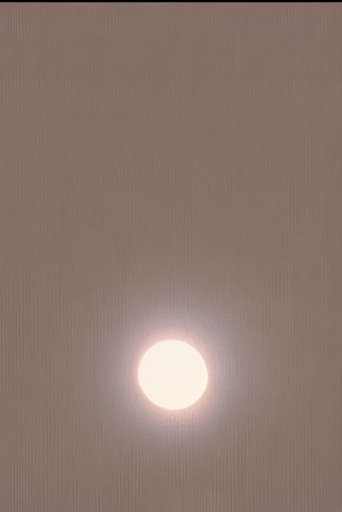
Up in the sky, the sun, and another sun, the other’s double. A simple superimposition invokes with all its strength the imaginary and poetics of anticipation, raising, at the same time, the problem of the double. What does the supreme singular represent for our culture of mass reproduction?
The Sun and its Double
2014
 NR
The simple and poetic gesture of children burning mounds of white poplar fluff implies a promise—the promise of renewal. Some are street kids, some have a family and some do not, some have a home, some are nomadic, and some just squat in derelict houses without roofs. Occasionally, the mesmerizing play of the children leads the fire to consume a tree and then firefighters rush to extinguish it, leaving the burned trunk as a black drawing on the sky. The sparks and small fires in the film suggest the catalyst of change to existing orders. They recall the fires in the French banlieues in recent years, the perpetually deported and repatriated Roma people throughout Europe, anti-war protesters against the invasions in Iraq and Afghanistan around the globe, or this year's uprisings in North Africa and the Middle East—all of which point to the hope of a more equal world.
Rite of spring
2010
Behind the camera
NRA film constructed on a text that seems to be a theatrical performance rather than the transcript of a trial. The camera traces facades of communist housing blocks, depressingly unchanged over the years, as the transcript from the trial of Communist dictator Nicolae Ceaușescu and his wife, Elena, is read without pause or emotion. The intensity of the film is created by the tension between the dizzying and unceasing movement of the camera and the continuous and expressionless reading of the trial script, recording a very dark episode of modern history. — Anthology Film Archives
The Trial
2005
Ilinca Manolache's Bobitza returns in a fascinating mise-en-scène of the far right's media spectacle. Vătămanu and Tudor's performative video-essay uses the ready-made of this satirical character to analyse the politics behind the architectural restorations in Viktor Orbán's Budapest, resorting to a rhetorical cacophony perfectly consistent with today's social media: from dirty curse words to Walter Benjamin citations, anti-woke rage-baits, and sputtered out bibliographies.
Ornament is Crime
—
NRUp in the sky, the sun, and another sun, the other’s double. A simple superimposition invokes with all its strength the imaginary and poetics of anticipation, raising, at the same time, the problem of the double. What does the supreme singular represent for our culture of mass reproduction?
The Sun and its Double
2014
NRThe simple and poetic gesture of children burning mounds of white poplar fluff implies a promise—the promise of renewal. Some are street kids, some have a family and some do not, some have a home, some are nomadic, and some just squat in derelict houses without roofs. Occasionally, the mesmerizing play of the children leads the fire to consume a tree and then firefighters rush to extinguish it, leaving the burned trunk as a black drawing on the sky. The sparks and small fires in the film suggest the catalyst of change to existing orders. They recall the fires in the French banlieues in recent years, the perpetually deported and repatriated Roma people throughout Europe, anti-war protesters against the invasions in Iraq and Afghanistan around the globe, or this year's uprisings in North Africa and the Middle East—all of which point to the hope of a more equal world.
Rite of spring
2010