
Known for
 NR
The Hawaiian world view was once clearly reflected in a society created over 2000 years of existence in the islands. With the changes brought in the last 200 years, we who now live in the land of the Hawaiian may wonder: what does it mean to be Hawaiian in Hawaii today? A contemporary Hawaiian world view is shared here by 11 Hawaiians who have struggled with the question of maintaining cultural identity in this modern world, and who have each found their own answers. (Victoria Keith)
Hawaiian Soul
1987
 NR
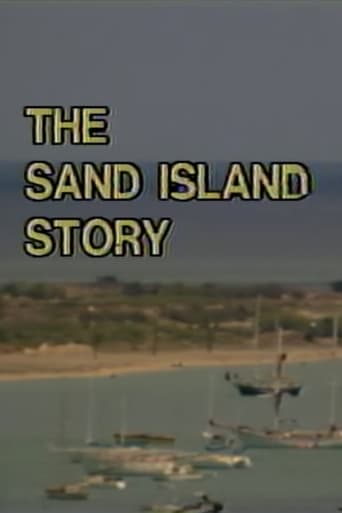
This short documentary chronicles a four-month period between 1979 and 1980 when residents of Hawaii's Sand Island "squatter" community attempted to resist eviction from the Honolulu shoreline - resulting in displacement, arrests, and the destruction of a community.
The Sand Island Story
1981
 NR
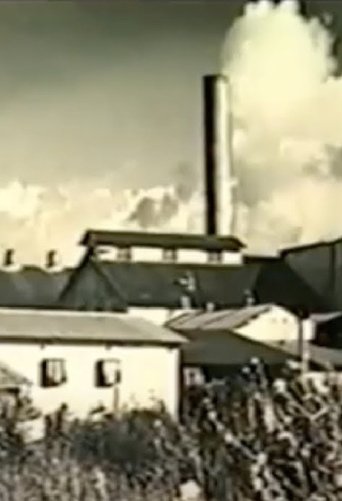
When the Kahuku sugar plantation and mill shut down in the 1970's, workers who lived in plantation housing had to decide how to hold the community together and create something new out of an industry that had come to an end. This is the story of their successful transition from plantation to self-governing community.
Kahuku: Survival of a Plantation Town
1988
 NR
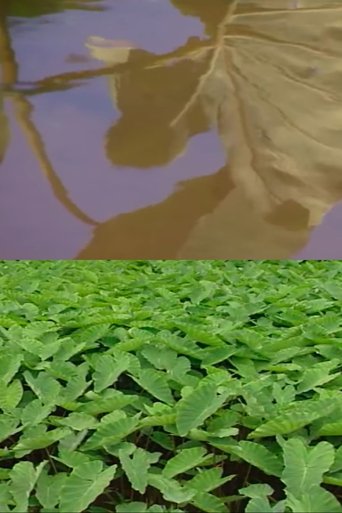
Kalo (taro) production on each of the major islands of Hawai'i circa 1994. Meet the amazing people who love and continue to cultivate taro on lo'i that in some cases has been in the family for generations and centuries! Young, old, and family growers on Maui, Moloka'i, Hawai'i, O'ahu, and Kaua'i islands. Includes history/culture of kalo, Issues related to land and water, uses of kalo, and prospects for the future.
Back to the Roots
1994
Behind the camera
NRThe Hawaiian world view was once clearly reflected in a society created over 2000 years of existence in the islands. With the changes brought in the last 200 years, we who now live in the land of the Hawaiian may wonder: what does it mean to be Hawaiian in Hawaii today? A contemporary Hawaiian world view is shared here by 11 Hawaiians who have struggled with the question of maintaining cultural identity in this modern world, and who have each found their own answers. (Victoria Keith)
Hawaiian Soul
1987
NRThis short documentary chronicles a four-month period between 1979 and 1980 when residents of Hawaii's Sand Island "squatter" community attempted to resist eviction from the Honolulu shoreline - resulting in displacement, arrests, and the destruction of a community.
The Sand Island Story
1981
NRThis short documentary chronicles a four-month period between 1979 and 1980 when residents of Hawaii's Sand Island "squatter" community attempted to resist eviction from the Honolulu shoreline - resulting in displacement, arrests, and the destruction of a community.
The Sand Island Story
1981
NRWhen the Kahuku sugar plantation and mill shut down in the 1970's, workers who lived in plantation housing had to decide how to hold the community together and create something new out of an industry that had come to an end. This is the story of their successful transition from plantation to self-governing community.
Kahuku: Survival of a Plantation Town
1988
NRKalo (taro) production on each of the major islands of Hawai'i circa 1994. Meet the amazing people who love and continue to cultivate taro on lo'i that in some cases has been in the family for generations and centuries! Young, old, and family growers on Maui, Moloka'i, Hawai'i, O'ahu, and Kaua'i islands. Includes history/culture of kalo, Issues related to land and water, uses of kalo, and prospects for the future.
Back to the Roots
1994