
Acting
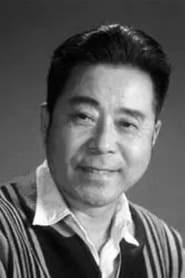
Wang Runshen
Born — Died
1924-01-01 — 2007-09-27
Place of birth
Xiong, Hebei province, China
Known for
Acting
Credits
19 titles
Known for
 5.1
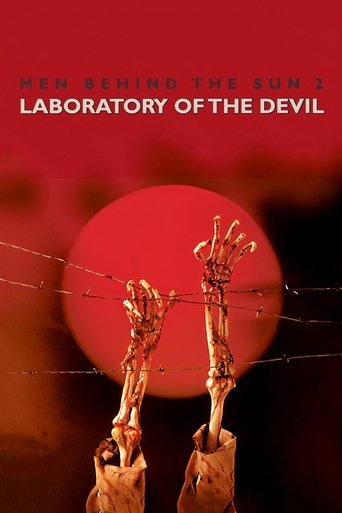
5.1In 1935, Japan's Unit 731 conducts inhumane experiments. A doctor tries to free prisoners, including his fiancée, from the camp while witnessing atrocities.
Men Behind the Sun 2: Laboratory of the Devil
1992
 6.3
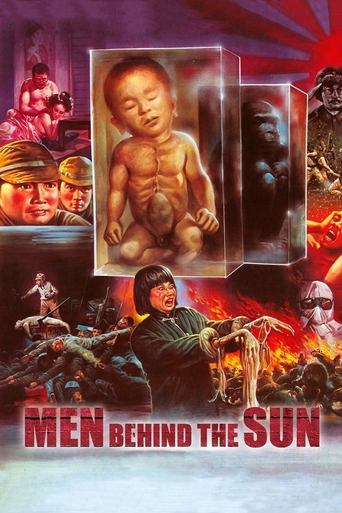
6.3Japanese troops round up Chinese and Russian prisoners of war and take them to unit 731, where they're horribly tortured and experimented on to test new biological weapons.
Men Behind the Sun
1988
 6.0
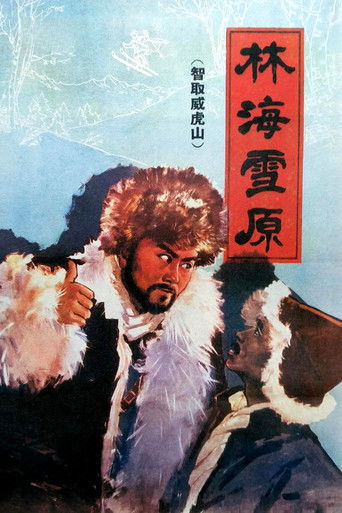
6.0The film is adapted from the section "The Intelligent Conquest of Wuhushan" in Qu Bo's novel of the same name, telling the story of the People's Liberation Army's campaign to eliminate the bandit forces composed of remnants of the Kuomintang that were entrenched in Northeast China.
Tracks in the Snowy Forest
1960
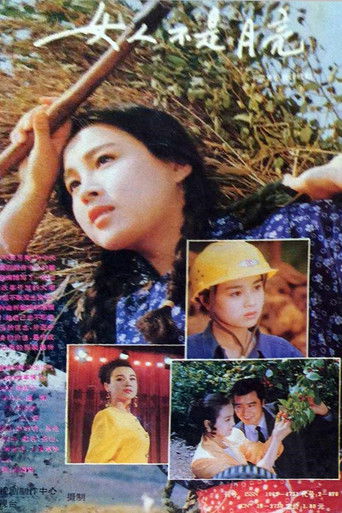 NR
NRNo synopsis available yet.
女人不是月亮
1993
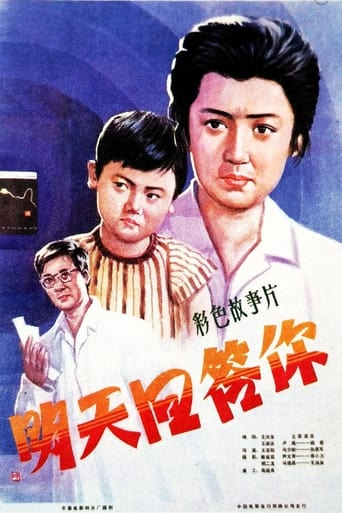 NR
NRLu Xi, a female engineer at a locomotive factory who lost her husband during the decade of turmoil, and Feng Shaoheng, a young engineer, are working on the automation of lathes.
Answer You Tomorrow
1981
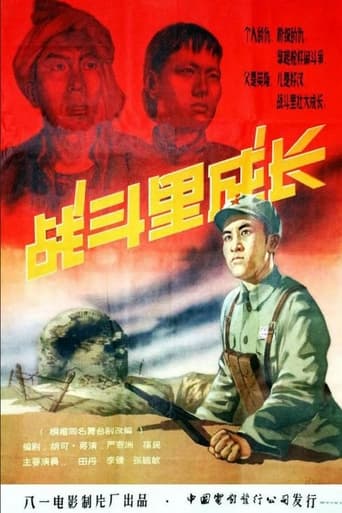 NR
NRAfter being swindled out of his land by a local landlord in 1930s China, a grandfather commits suicide. His son burns down the landlord's house in a fit of rage, then escapes to join the PLA. His grandson later joins the PLA too in the 1940s to avenge his father, grandfather and mother.
Zhan dou li cheng zhang
1957
Film credits
1980s · 9 titles
6.3Japanese troops round up Chinese and Russian prisoners of war and take them to unit 731, where they're horribly tortured and experimented on to test new biological weapons.
Men Behind the Sun
1988
NRLu Xi, a female engineer at a locomotive factory who lost her husband during the decade of turmoil, and Feng Shaoheng, a young engineer, are working on the automation of lathes.
Answer You Tomorrow
1981
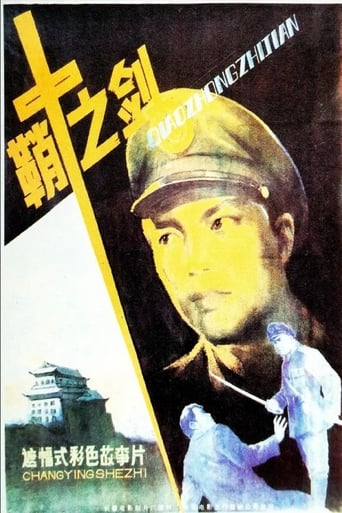 NR
NRAn undercover CCP helps peaceful liberation of Peking.
Qiao zhong zhi jian
1986
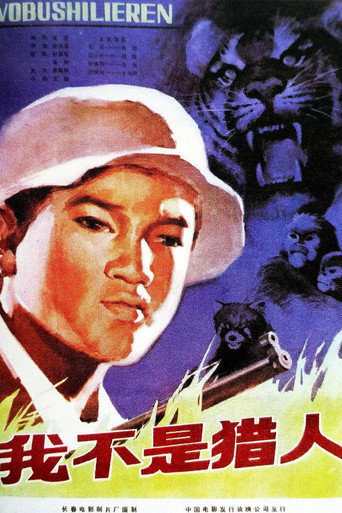 NR
NRNo synopsis available yet.
我不是猎人
1984
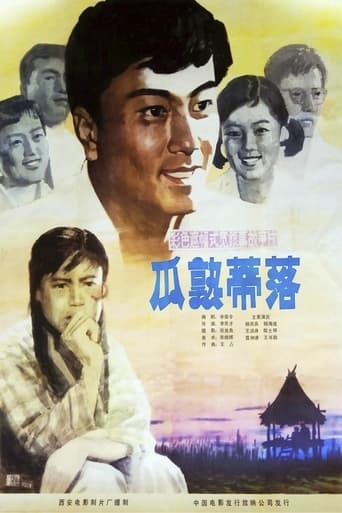 NR
NRNo synopsis available yet.
瓜熟蒂落
1983
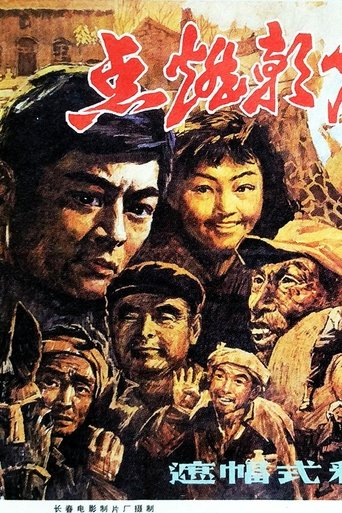 NR
NRNo synopsis available yet.
点燃朝霞的人
1984
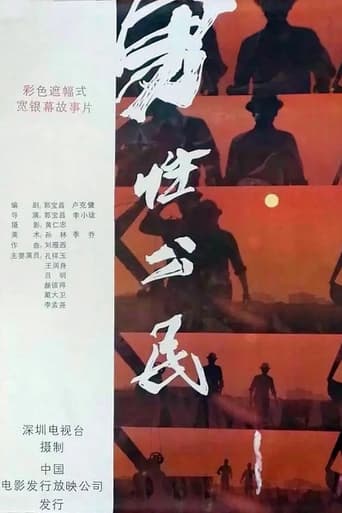 NR
NRNo synopsis available yet.
男性公民
1986
 NR
NRNo synopsis available yet.
生活的马拉松
1987
 NR
NRNo synopsis available yet.
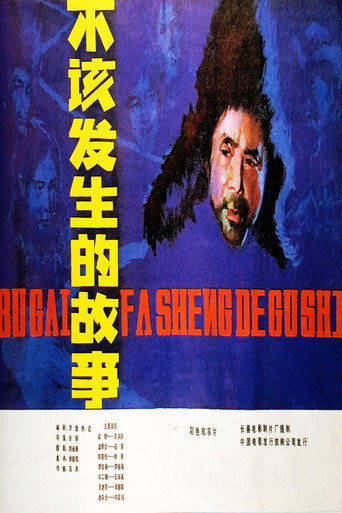
不该发生的故事
1983
1970s · 1 titles
1960s · 3 titles
6.0The film is adapted from the section "The Intelligent Conquest of Wuhushan" in Qu Bo's novel of the same name, telling the story of the People's Liberation Army's campaign to eliminate the bandit forces composed of remnants of the Kuomintang that were entrenched in Northeast China.
Tracks in the Snowy Forest
1960
 NR
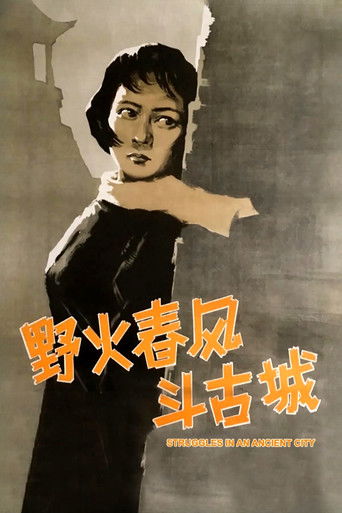
NR1943, the Japanese Army is falling back to the Pacific, leaving only collaborationist troops. Commissar Yang Xiaodong is sent to inflitrate the provincial capital.
Struggles in an Ancient City
1963
 NR
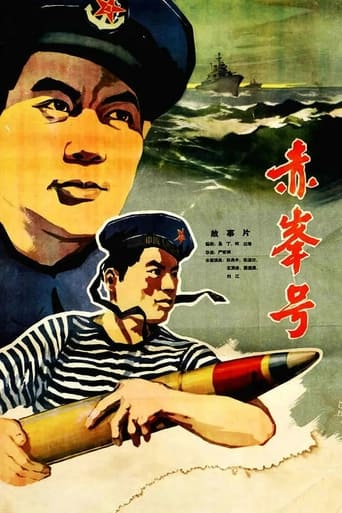
NRNo synopsis available yet.
赤峰号
1960
1950s · 4 titles
NRAfter being swindled out of his land by a local landlord in 1930s China, a grandfather commits suicide. His son burns down the landlord's house in a fit of rage, then escapes to join the PLA. His grandson later joins the PLA too in the 1940s to avenge his father, grandfather and mother.
Zhan dou li cheng zhang
1957
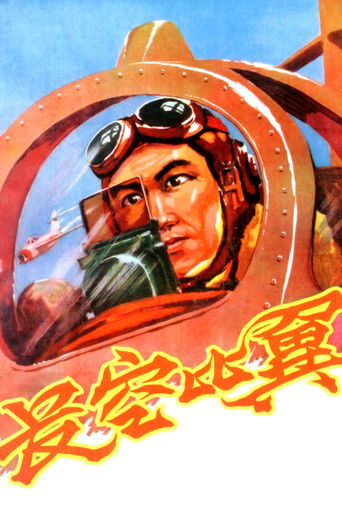 NR
NRDuring Korean War Chinese Air Force fought against the American pilots who claimed to be the world's king of the air. Zhang Lei (Cao Huichu), who comes from a poor farming family, is determined to kill the enemy and serve his country after graduating from aviation school. After arriving at the front line, both the division commander (played by Wang Runshen) and the team leader were satisfied with his test flight results, but the proud Zhang Lei did not want to be a wingman and thinks he is useless. His pride and conceit made him pay the price. With the help of leaders and comrades, he gradually got out of complacency. In the next air battle, he used his actions to correct his mistakes and actively helped the lead plane complete aerial tactical coordination and shoot down the enemy plane. After his own plane was injured and on fire, he was still able to cover his comrades and crash the injured plane into the enemy plane
Flying in the Sky
1958
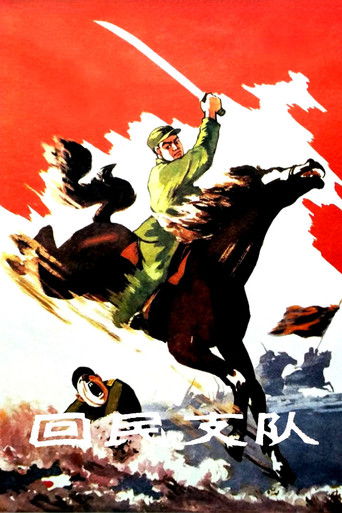 6.3
6.3No synopsis available yet.
Ethnic Hui Detachment
1959
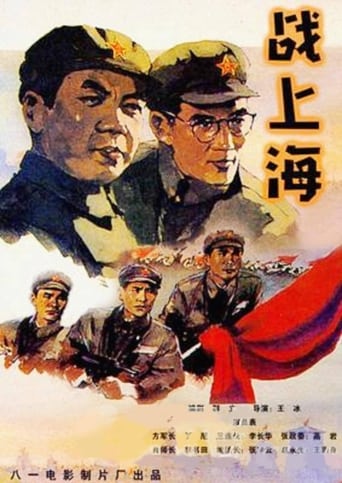 8.0
8.0After the decisive “Three Battles,” the East China Field Army is ordered to encircle Shanghai. Commander Tang Yunfu’s 300,000-strong KMT garrison readies for a climactic showdown. Under directives to liberate and yet preserve the city, Commander Fang and Commissar Zhang orchestrate a pincer movement, luring Tang’s main force to the suburbs for annihilation while infiltrating Shanghai’s heart. With underground leader Lin Fan’s help, our troops seize territory south of the Suzhou River. The KMT falls back to the north bank, and Liu Yi’s division makes a final stand downtown. Street fighting erupts as our vanguard storms the power plant, city hall, and key installations. Overwhelmed by coordinated military might and political pressure, the remaining defenders hoist the white flag, marking Shanghai’s liberation.
To Liberate Shanghai
1959