
Known for
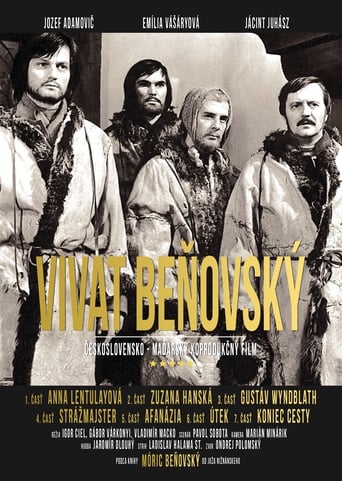 7.0
7.0No synopsis available yet.
Vivat Beňovský!
1975
No synopsis available yet.
Americká tragédia
1977
No synopsis available yet.
Naši synovia
1975
No synopsis available yet.
Diabol vo Francúzsku
1991
No synopsis available yet.
Hĺbkový rekord
1985
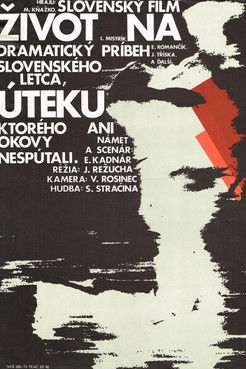 7.0
7.0In Slovakia, they often and gladly honored those soldiers who refused to serve the fascist regime and stood against it. Lieutenant Kukorelli also rejected the tempting career of a pilot, instead helping the resistance fighters and later participating in the Slovak National Uprising.
Život na úteku
1976
Film credits
1990s · 2 titles
1980s · 17 titles
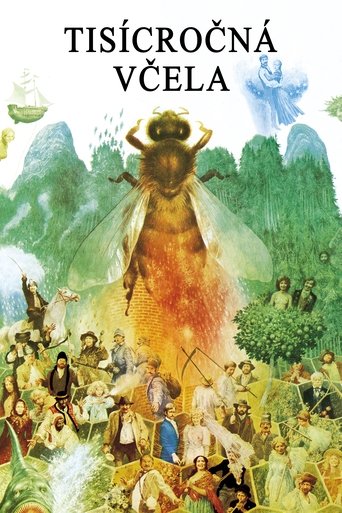 6.3
6.3A family saga taking place mostly in a small Slovak village over a period of thirty years (1887–1917). The first part captures the life of Martin Pichandu in the development of his craft, masonry; in the second part, his son is center stage living in a period of socio-political crisis, which ultimately results in the first World War. After originally airing on Czechoslovakian television in 1983 as a four-part 226-minute mini-series, this production received a 163-minute theatrical release in 1984.
The Millennial Bee
1983
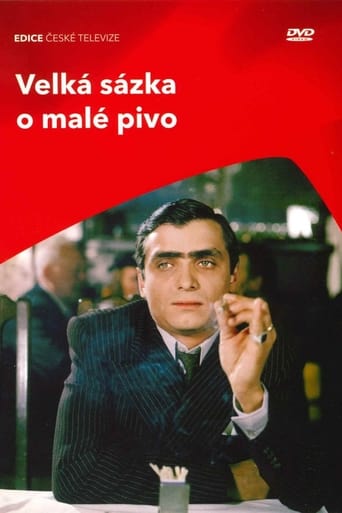 5.7
5.7The year is 1946 and the story takes us to a great bar among the characters of Prague's gallery. A professional conman, commonly known as "The Engineer", makes a bet with pickpocket Franz that he will sell Karlštejn Castle to a rich American who is currently in Prague...
Velká sázka o malé pivo
1982
A remote cottage becomes the scene of a thrilling drama: two criminals who have robbed a car transporting payroll money break into the weekend home. They capture the residents and hold them hostage to protect themselves from the encroaching police siege. However, director Dušan Trančík is more interested in portraying social ills, especially ruthlessness and petty bourgeoisie, than in telling a thrilling crime story involving a double murder.
Víkend za milión
1988
Ivan Hálek, son of the famous poet Vítězslav Hálek, studied medicine and devoted his life to the Slovak countryside. In the poor Kysuce region, he not only treats the local villagers, but also makes an extraordinary contribution to education. At the same time, he struggles with lingering superstitions and mistrust. However, the hero and his young wife also become acquainted with folk customs, songs, and the colorful culture of the poorest. And he proclaims that only those who rid them of terrible mass poverty can provide these poor people with true living water.
Živá voda
1981
A 1984 Slovak language drama film directed by Martin Tapák.
Dies irae
1984
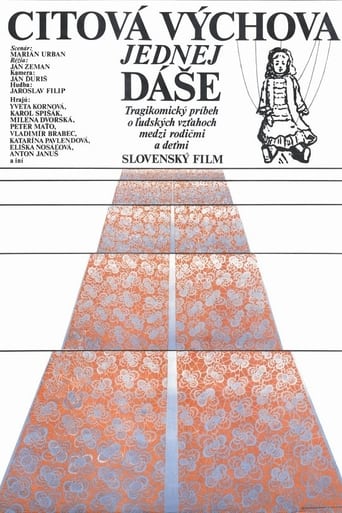 8.0
8.0Young Dasha lives in a small town. Her father is a prominent man, the owner of a restaurant. However, when her father's connections are not enough to get Dasha accepted to college, she has to spend the summer working part-time in her father's business. Love, friends, even running away from home, all belong to this period of Dasha's life. The failed wedding arranged by her parents, the patronizing imposition of university studies at a price that the girl fears - all this brings on the one hand a deep disappointment in her own parents, but over time also the recognition of her own mistakes.
Citová výchova jednej Dáše
1982
Biographical film about the work of the young Klement Gottwald. The story depicts his stay in Banská Bystrica, where he edited the Slovak communist press and helped organise the communist revolutionary movement.
Zrelá mladosť
1983
No synopsis available yet.
Chlapec z majera
1980
No synopsis available yet.
A čo láska?
1981
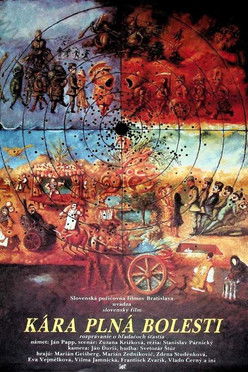 4.3
4.3War takes its cruel toll, which everyone must pay. It hits a small Slovak village especially hard, where the struggle for a bare life becomes a test of human character. For two impoverished friends, Jakub and Maja, struggling through poverty is more than difficult. Jakub delivers sour milk from somewhere on his cart to the entire village and lives in a dilapidated house with his sister Tereza, whose caregiver and guide through life is the experienced woman Mara, who provides herself with money from seduced soldiers. Maja, on the other hand, is a foundling and homeless man who does whatever he can to survive the next day. The only consolation for the two inseparable friends are the circulating tales of a kind of promised land, where there is no poverty or hunger, and where they could both go. Only this vision, this idea alone keeps the two of them and the rest of the village on their feet, and gives them hope for a better tomorrow.
Kára plná bolesti
1986
No synopsis available yet.
Mŕtvi učia živých
1984
No synopsis available yet.
Železný človek
1981
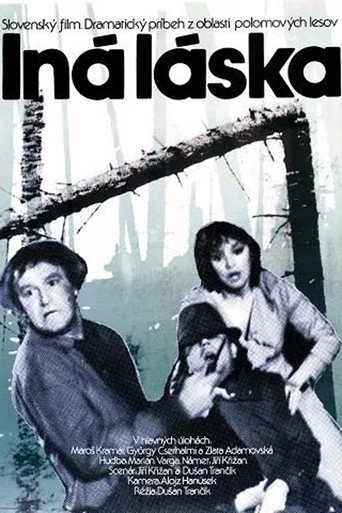 8.0
8.0Expelled from medical school for performing an illegal abortion, a young Slovak man takes a job at a remote mountain sawmill to escape his past. Seeking redemption, he instead finds himself trapped in a rural community driven by corruption, greed, and moral compromise.
Another Love
1986
No synopsis available yet.
Na konci diaľnice
1983
No synopsis available yet.
Kozubovci
1983
No synopsis available yet.
Návraty
1983
No synopsis available yet.
Poľovačka na otca
1987
1970s · 17 titles
7.0In Slovakia, they often and gladly honored those soldiers who refused to serve the fascist regime and stood against it. Lieutenant Kukorelli also rejected the tempting career of a pilot, instead helping the resistance fighters and later participating in the Slovak National Uprising.
Život na úteku
1976
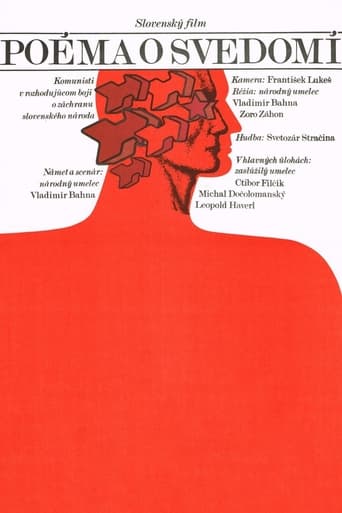 10.0
10.0Historical reconstruction of the events of the anti-fascist struggle in Slovakia in 1943 and 1944.
Poéma o svedomí
1979
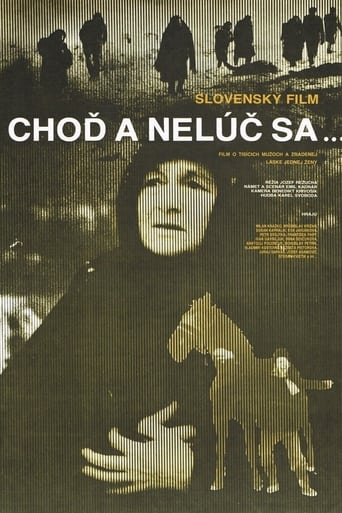 7.0
7.0The dramatic story captures the hard and dangerous life of the partisan group "Čapajev" led by Ľudovít Kukorelli during World War II. It retrospectively presents the course of the Slovak National Uprising in eastern Slovakia.
Choď a nelúč sa
1979
No synopsis available yet.
Bývalí ľudia
1970
No synopsis available yet.
Pozdná láska
1971
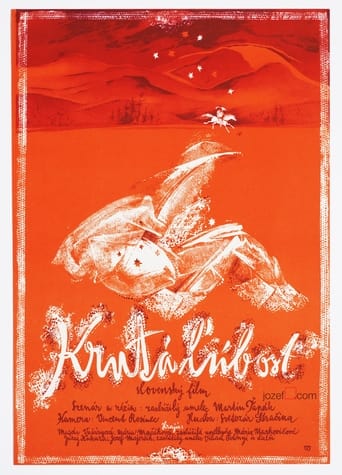 10.0
10.0A film based on short stories by K. Przerwu-Tetmajer's Grey Eyes and M. Urban's Melted Heart. The heroines of both stories are young women with the same name - Kristka. They fight for their love, they both love with humility and surrender, but when necessary, they can be decisive and uncompromising. One is cruel in her love, the other fights for it with touching tenderness and kindness. These are not idyllic loves; they are full of life, full of raging blood...
Krutá ľúbosť
1978
No synopsis available yet.
Posledná prekážka
1972
No synopsis available yet.
Meštiaci
1978
No synopsis available yet.
Švédska zápalka
1971
No synopsis available yet.
Klamstvo dočasu – pravda naveky
1977
Two newly qualified civil engineers, with very different personalities, soon discover that they know very little about their future work and the people they will be dealing with. In addition to difficulties at work, they also have personal problems to contend with.
Deň slnovratu
1974
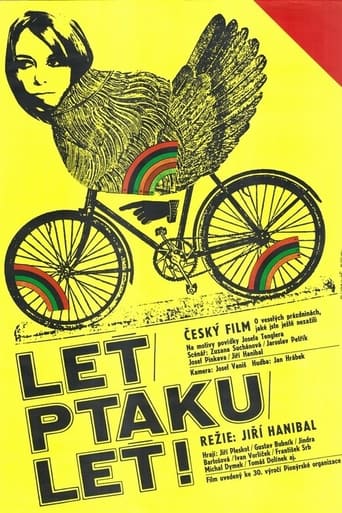 6.8
6.8Even a strict and not very popular teacher can achieve extraordinary popularity with his pupils. When their favourite teacher breaks his leg just before a bicycle trip, he is replaced by his strict colleague. Although his involuntary charges are not enthusiastic at first, they eventually become convinced that it is not good to immediately reject a person just because one does not get along with him at first...
Leť, ptáku leť!
1979
No synopsis available yet.
Zlatá runa
1976
No synopsis available yet.
Tri svadby
1979
No synopsis available yet.
Hĺbka ostrosti
1978
A dramatic tale of a man's life marked by two world wars. The story is divided into two parts. The first part focuses on the life of the Dobrik couple after the outbreak of World War I, the second part develops the life events of their son Peter, who fought in the Red Army during World War II.
Stretnutie
1975
An original television play set in a village setting about an honest young man, Miš, who is credited with punishing his greedy neighbors - the village herald and his wife, who find a cauldron with gold ducats in an abandoned log cabin in the forest.
Koža
1976
Series credits
7.0No synopsis available yet.
Vivat Beňovský!
1975
No synopsis available yet.
Americká tragédia
1977
No synopsis available yet.
Naši synovia
1975
No synopsis available yet.
Hĺbkový rekord
1985
No synopsis available yet.
Brána k domovu
1975
No synopsis available yet.
Najkrajšie roky života
1977