
Known for
 6.0
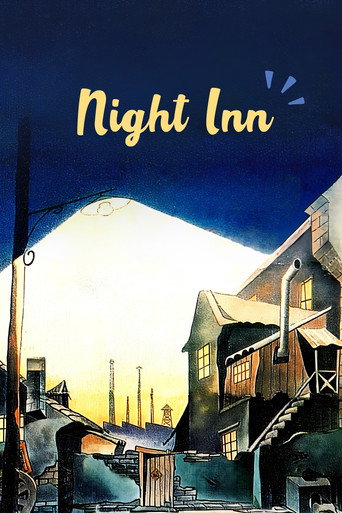
6.0Night Inn (Chinese: 夜店; pinyin: Yè Diǎn) is a Chinese black-and-white film released in 1947, directed by Huang Zuolin and starring the popular Shanghai singer Zhou Xuan. The film is based on the Chinese theatrical adaptation of Maxim Gorky's The Lower Depths by playwright Ke Ling. The play and the film were both banned in China during the Cultural Revolution but were popular in the post-Mao period.
Night Inn
1947
 5.8
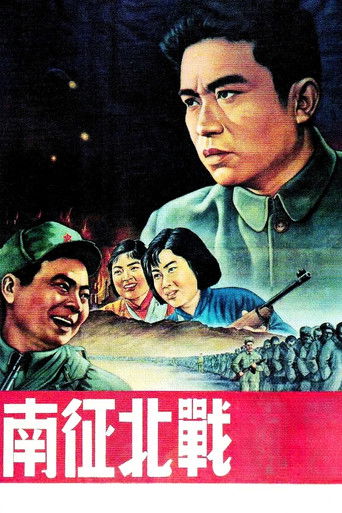
5.8In 1947, the Chinese Red Army sets a trap for the Nationalist forces in Jiangsu province.
From Victory to Victory
1952
 6.9
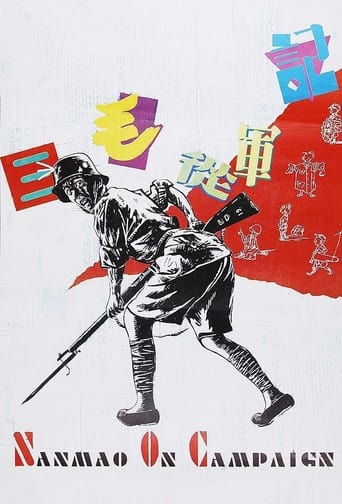
6.9In 1937, after the Marco Polo Bridge Incident, the Second Sino-Japanese War breaks out. San Mao, a wandering orphan, joins the army to participate in the Battle of Shanghai.
Sanmao Joins the Army
1992
 NR
NRNo synopsis available yet.
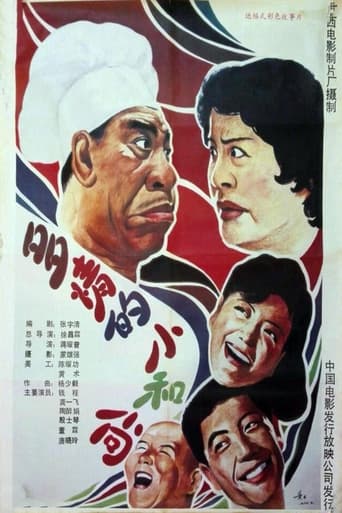
多情的小和尚
1990
 NR
NRNo synopsis available yet.
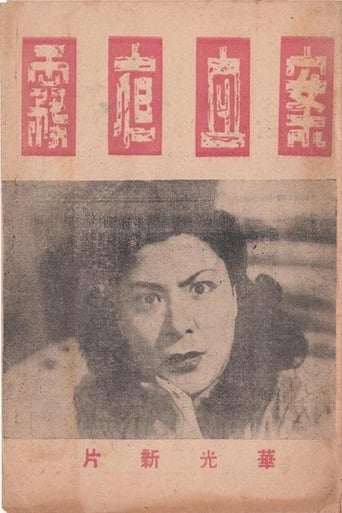
雾夜血案
1948
 NR
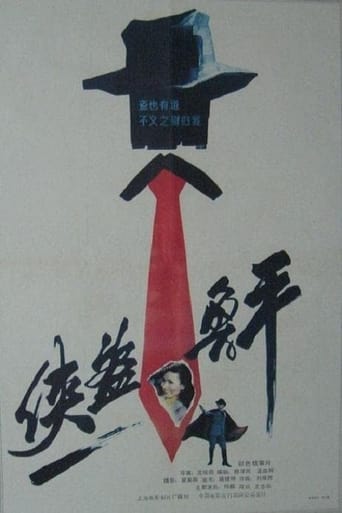
NRA detective teams up with a chivalrous thief to catch a Japanese spy.
Lu Ping, the Chivalrous Thief
1989
Film credits
1990s · 3 titles
1980s · 3 titles
NRA detective teams up with a chivalrous thief to catch a Japanese spy.
Lu Ping, the Chivalrous Thief
1989
 NR
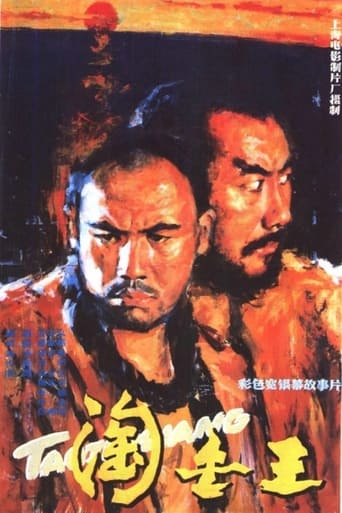
NRSwordsman Xu Tianxiong gets a message from dying gold miner Tao Jin Wang, then leads the confrontation against the treacherous gold store owner Ba Zhangui.
The Gold Rush King
1985
 NR
NRNo synopsis available yet.
枪口下的红桃皇后
1986
1950s · 4 titles
5.8In 1947, the Chinese Red Army sets a trap for the Nationalist forces in Jiangsu province.
From Victory to Victory
1952
 8.0
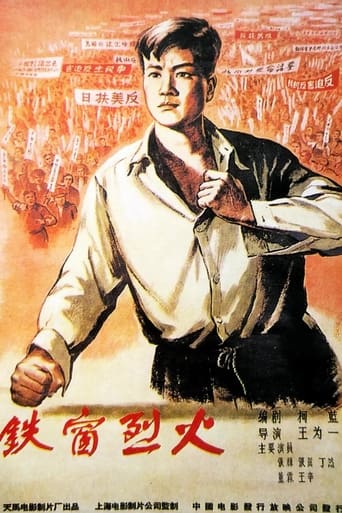
8.0About the Chinese communists who fought boldly and selflessly against the Kuomintang.
Iron Bars and Blazing Fire
1958
 NR
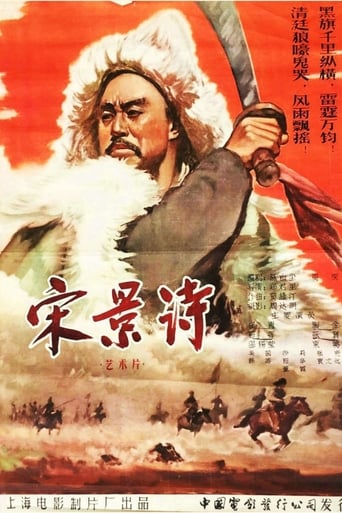
NRIn the mid-19th century, at the height of the Opium War, the Chinese people rose up against the feudal system and the Manchu dynasty, which had capitulated to foreign invaders. ... With their heads bowed, peasants in chains trudge along, those who refused to give money to crush their rebellious brothers. Suddenly, their path is blocked. It is Song Jing-shi who has come to their rescue with his detachment. The freed peasants joined Song Jing-shi. This is how the core of the Black Flag Army was formed. The first historical film made in socialist China in the 1950s. The script is based on authentic material collected in villages in Shandong Province. Legends about the cruelty of Sen Gelinzin and the bravery of Sun Jing-shi, who is called the "Chinese Spartacus," still live on among the people.
Song Jing Shi
1955
 NR
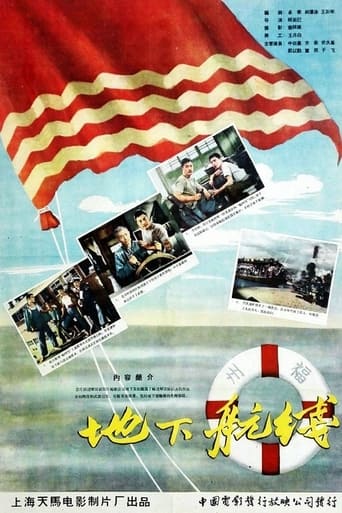
NRThe Min River is crucial for Fujian Province’s economy. In 1947, Lin Sen Guan, a Communist Party member and driver of the “Fuzhou” steamship, smuggled weapons and radios to a guerrilla base with fellow party members. The enemy, led by transportation inspector Wang Xun, sent spy Li Boguang to monitor them. Lin Sen Guan tricked Li Boguang, but the spy later discovered the weapons. Lin Sen Guan pushed him into the water, witnessed by helmsman A Wang, who refused to reveal the truth despite enemy pressure. The underground party decided to transport remaining weapons to the guerrilla zone. The “Fuzhou” set sail, followed by enemy ships. Near Luohan Tan, a guerrilla team unloaded the weapons. The enemy opened fire, but A Wang steered the “Minh River” into an enemy vessel, causing mutual destruction. The weapons reached the guerrilla zone, and Lin Sen Guan continued their underground efforts.
Underground Route
1959
1940s · 4 titles
6.0Night Inn (Chinese: 夜店; pinyin: Yè Diǎn) is a Chinese black-and-white film released in 1947, directed by Huang Zuolin and starring the popular Shanghai singer Zhou Xuan. The film is based on the Chinese theatrical adaptation of Maxim Gorky's The Lower Depths by playwright Ke Ling. The play and the film were both banned in China during the Cultural Revolution but were popular in the post-Mao period.
Night Inn
1947
NRNo synopsis available yet.
雾夜血案
1948
 NR
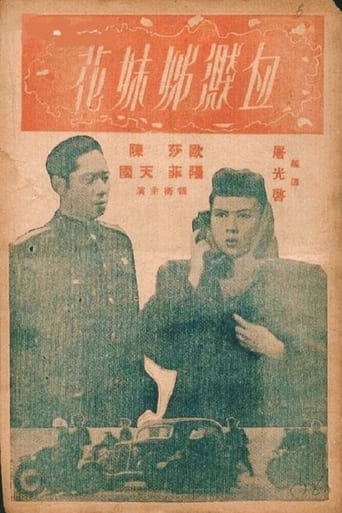
NRNo synopsis available yet.
Murderer Among the Sisters
1948
 8.0
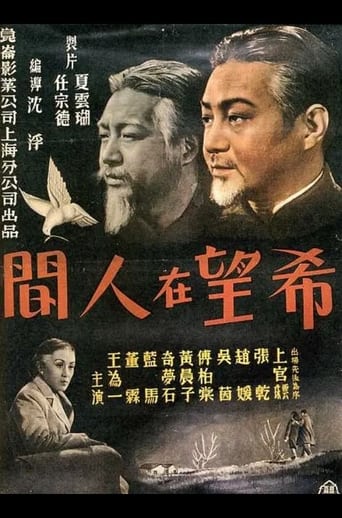
8.0Hope to the World
Hope in the World
1949