
Acting
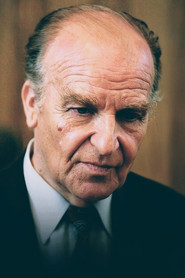
Alija Izetbegović
Born — Died
1925-08-08 — 2003-10-19
Place of birth
Šamac, Bosnia and Herzegovina
Known for
Acting
Credits
4 titles
Alija Izetbegović, the former president of Bosnia and Herzegovina and a Muslim thinker, was born in 1925 in the town of Bosanski Šamac, Bosnia and Herzegovina. He spent his life in Sarajevo, where his family had migrated when he was a child. He studied agriculture and law, and worked as a lawyer. Having received his early Islamic upbringing from his family, Izetbegović joined the Young Muslims organization in his youth and remained active within the Islamic movement throughout his life. Because of his ideas, he was imprisoned by the communist Yugoslavian regime between 1946–1949 and 1983–1988. After the dissolution of Yugoslavia, Izetbegović founded the Party of Democratic Action along with…
Known for
 10.0
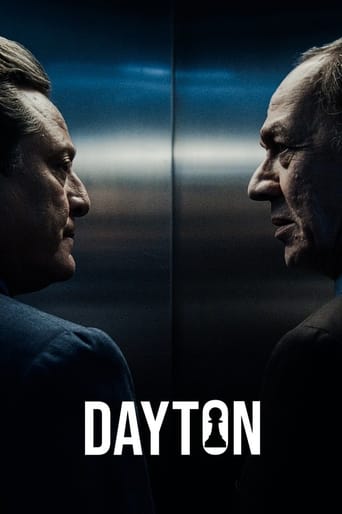
10.0Alija Izetbegović, a prominent political leader, tries to hold his country together while negotiating an agreement that will mean the end of the war. At the same time, the story of the Kahramanović family offers an insider's perspective on the war.
Dayton
2023
 7.4
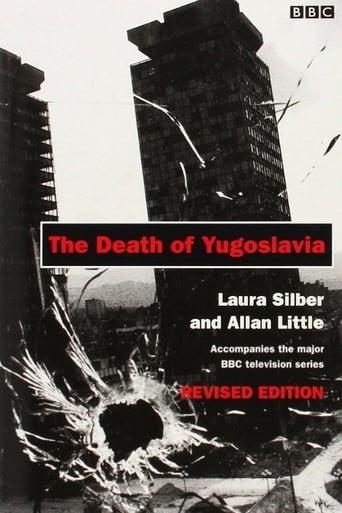
7.4The Death of Yugoslavia is a BAFTA-award winning BBC documentary series first broadcast in 1995. It covers the collapse of the former Yugoslavia. It is notable in its combination of never-before-seen archive footage interspersed with interviews of most of the main players in the conflict, including Slobodan Milošević, the then President of Serbia. Norma Percy won the 1996 BAFTA TV Award for 'Best Factual Series' for the documentary. However, it has been argued that it presents a potentially slightly biased point-of-view; for instance during the trial of Milošević before the ICTY in The Hague, Judge Bonomy called the nature of much of the commentary "tendentious" (partisan).
The Death of Yugoslavia
1995
 9.5
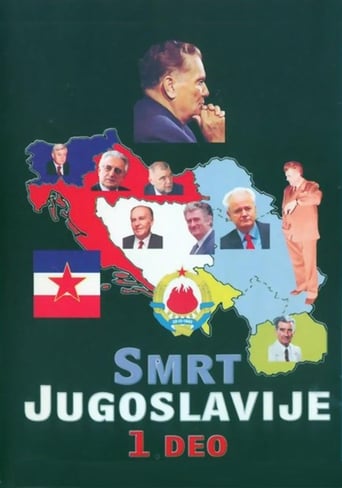
9.5History of the political events and the wars which broke the former state of Yugoslavia into several nations and caused an international political and humanitarian crisis. Using interviews with all the major participants and archive footage of the events, the series impressively performed the double feat of making understandable something which had appeared intractable and of producing 'immediate' history.
The Death of Yugoslavia
1995
 NR
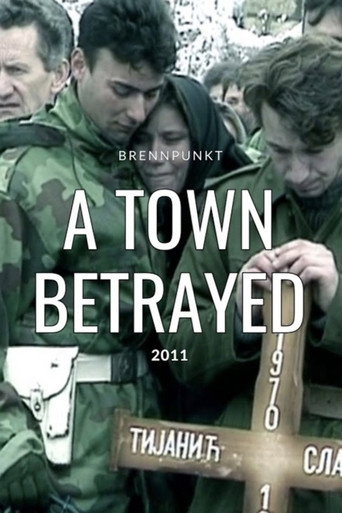
NRSARAJEVO RICOCHET - A TOWN BETRAYED This documentary exposes the callous betrayal of the massacred men of Srebrenica - how they were sacrificed by their own government for a political objective. The widows, mothers and sisters of the men and boys who died near Srebrenica will never let the world forget the events of July 1995. The Serbs pulled the trigger, but the reasons for their brutal action has not been investigated. Now Bosnian Muslims themselves expose what really happened before, during and after what is been called `the European genocide of our time`. The Bosnian Muslim government was negotiating with the Serbs to exchange territory - Srebrenica for the suburbs of Sarajevo.
Sarajevo Ricochet Part 2: A Town Betrayed
2011
Film credits
Series credits
10.0Alija Izetbegović, a prominent political leader, tries to hold his country together while negotiating an agreement that will mean the end of the war. At the same time, the story of the Kahramanović family offers an insider's perspective on the war.
Dayton
2023
7.4The Death of Yugoslavia is a BAFTA-award winning BBC documentary series first broadcast in 1995. It covers the collapse of the former Yugoslavia. It is notable in its combination of never-before-seen archive footage interspersed with interviews of most of the main players in the conflict, including Slobodan Milošević, the then President of Serbia. Norma Percy won the 1996 BAFTA TV Award for 'Best Factual Series' for the documentary. However, it has been argued that it presents a potentially slightly biased point-of-view; for instance during the trial of Milošević before the ICTY in The Hague, Judge Bonomy called the nature of much of the commentary "tendentious" (partisan).
The Death of Yugoslavia
1995