
Directing
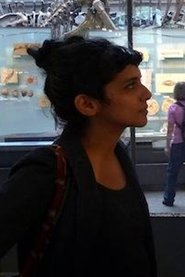
Ayesha Hameed
Through videos, audio essays and performance lectures, Ayesha Hameed examines how to think through sound, image, water, violence and history as elements of an active archive; and time travel as an historical method. Recent exhibitions include Liverpool Biennale (2020), Gothenburg Biennale (2019), Lubumbashi Biennale (2019) and Dakar Biennale (2018). She is co-editor of 'Futures and Fictions' (Repeater 2017) and co-author of 'Visual Cultures as… Time Travel' (Sternberg forthcoming 2020). She is currently Co-Programme Leader of the PhD in Visual Cultures at Goldsmiths University of London.
Acting credits

Behind the camera
 6.0
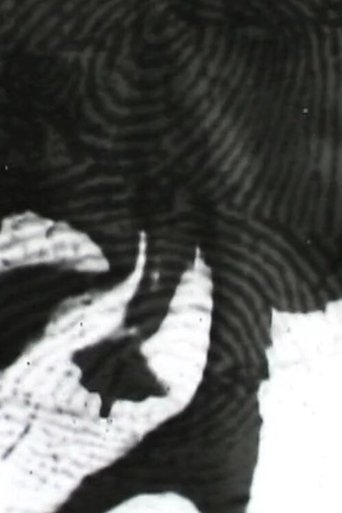
6.0We were huddled in front of the thin light of a fire in an abandoned house on a cold January night in Calais. X was making another cup of very sugary tea. Y, stirring the kindling, yelled as he accidentally grabbed a burning twig. “are you trying to clean your fingerprints?” laughed X. ‘A Rough History’ is a performance lecture, installation and 16mm film following several visits to Calais, that considers a practice by migrants entering the EU of destroying their fingerprints to avoid detection by the Eurodac system, alongside other histories of fingerprinting and fingerprint erasures. It sees the fingerprint as a scaled down landscape, looking at the circulation of the image of the fingerprint, and the different lives and journeys of the migrants whose hands produce such images.
A Rough History (of the destruction of fingerprints)
2017
 NR
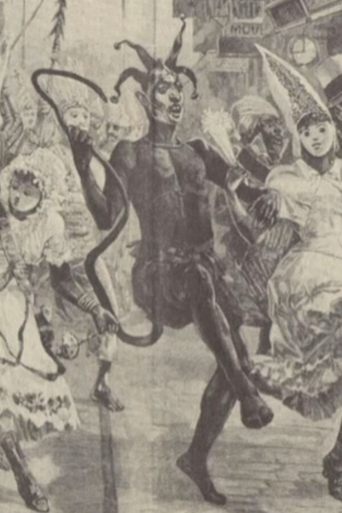
NRBlack Atlantis is a multi-part, live audio-visual essay that looks at possible afterlives of the Black Atlantic: in contemporary illegalized migration at sea, in oceanic environments, through Afrofuturistic dancefloors and soundsystems, and in outer space.
Black Atlantis: the Plantationocene
2017
NRBlack Atlantis is a multi-part, live audio-visual essay that looks at possible afterlives of the Black Atlantic: in contemporary illegalized migration at sea, in oceanic environments, through Afrofuturistic dancefloors and soundsystems, and in outer space.
Black Atlantis: the Plantationocene
2017
 NR
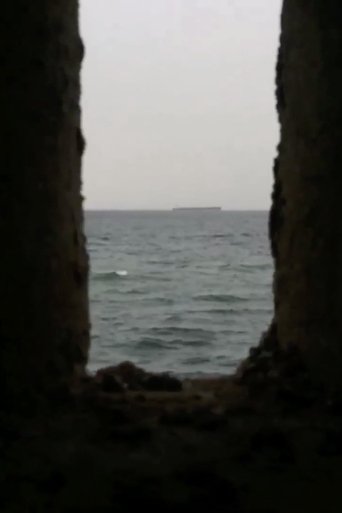
NROn 29 April 2006, a twenty-foot boat was spotted off the south-eastern coast of Barbados. On board, eleven bodies were found by coastguards, preserved and sun-dried. The ghost ship had been drifting for four months on the Atlantic Ocean. The film presents an inadequate narrative of a story that relies on media sources to evoke the complicity of the weather, ocean currents, and state violence in the ship’s journey. The glide between film and forms tests the measurement of tragedies related to crossings and immigration, highlighting the power of the sea and the horror of the figure of the ghost ship.
In the Shadow of Our Ghosts
2018