

Acting
Grande Otelo
Born — Died
1915-10-18 — 1993-11-26
Place of birth
Ubêrlandia, MInas Gerais, Brazil
Known for
Acting
Credits
87 titles
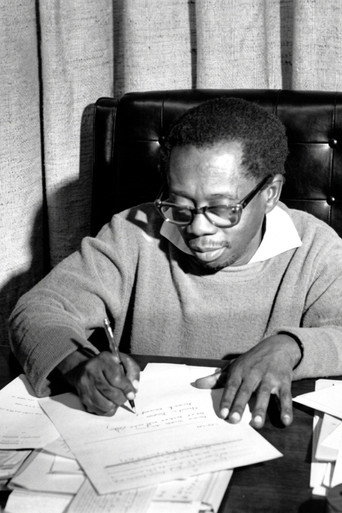
Grande Otelo, pseudonym of Sebastião Bernardes de Souza Prata OMC (Uberlândia, October 18, 1915 – Roissy-en-France, November 26, 1993), was a Brazilian actor, comedian, singer, producer and composer. He was an artist in Rio's casinos and in the so-called revue theater, he participated in several successful Brazilian films, including the famous chanchadas in the 1940s and 1950s, which he starred in in partnership with the comic Oscarito, and the film version of Macunaíma, made in 1969. He is often cited as one of the most important actors in Brazilian history.
Known for
 8.0
8.0Os Trapalhões was a Brazilian comedy group and also a Brazilian television series created by Wilton Franco. Its members were Dedé Santana, Zacarias, Mussum and their leader Didi Mocó, that was played by Renato Aragão. The name Trapalhões is derived from the Portuguese verb atrapalhar, which means the opposite of helping, to do something the wrong way or to Those that confuse. The name is translated "Tramps" in English DVD subtitles. It was aired by Rede Globo from 1977 to 1999. On March 18, 1990, Zacarias died due to respiratory failure, but the group and the series didn't come to an end until July 29, 1994, when Mussum died due to an unsuccessful heart transplant.
The Trapalhões
1977
 7.8
7.8Jose Inocencio had innocence only as part of his name, but only those who new him well could notice this. But nobody knew him. He was a storyteller, and he was always the main character in the stories he told. He managed not only to create stories about himself, he managed to create a legend. The story of this powerful cacao farmer; Maria Santa, the beloved wife who died; and their four children is the main theme of 'Renascer'.
Jequitibá
1993
 9.0
9.0No synopsis available yet.
Chico Anysio Show
1982
 7.5
7.5In 1886, in the small town of Araruna, Little Missy rejects the actions of her father—the slave-owning Colonel Ferreira—alongside Rodolfo, an active abolitionist republican with whom she falls in love.
Little Missy
1986
 8.2
8.2No synopsis available yet.
Água Viva
1980
 8.0
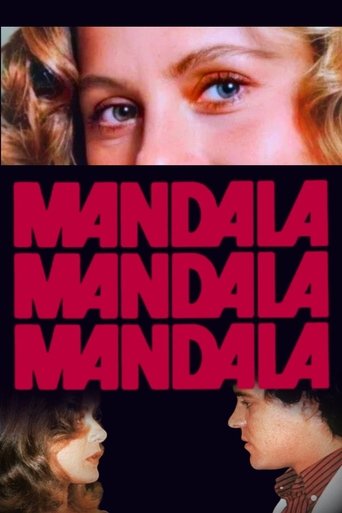
8.0Jocasta, an 18-year-old sociology student and daughter of communist activist Túlio Silveira, is actively involved in the country's political landscape. She is in love with Laio—her polar opposite—a disengaged, esoteric young man who lives off his wealthy father's allowance. A mystic, Laio makes no move without consulting his guru and friend Argemiro, whom he turns to upon learning of Jocasta's pregnancy. The cowrie shell reading reveals that his son is destined to kill him and enter into a romantic relationship with his mother. Terrified, Laio disappears with the child immediately after birth, aided by Argemiro—who loves Laio and loathes Jocasta. Twenty-five years later, Jocasta is a successful yet restless woman searching for her missing son. She is estranged from Laio, who has spent recent years expanding his father's fortune through involvement in underground gambling. On a highway, he encounters Oedipus, unaware that the young man is his son.
Mandala
1987
Film credits
2020s · 7 titles
 5.0
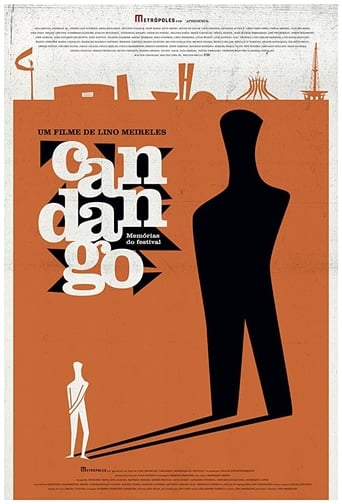
5.0In 1965, a year after the military coup in Brazil, an oasis of freedom opened in the country's capital. The Brasília Film Festival: a landmark of cultural and political resistance. Its story is that of Brazilian cinema itself.
Candango: Memoirs from a Festival
2020
 NR
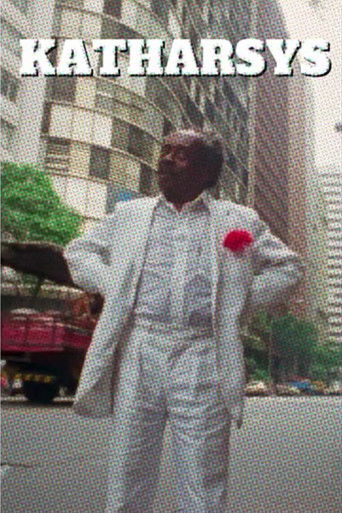
NRNo synopsis available yet.
Katharsys
2022
 NR
NRThe raft man Manuel Jacaré was swallowed by the sea when Orson Welles was filming It's All True in 1942. The fact evokes memories of the dictatorship of the Estado Novo, of World War II, of Ceará fishermen's struggle for labor rights and housing in their traditional space - target of real estate speculation.
The Welles Raft
2022
 NR
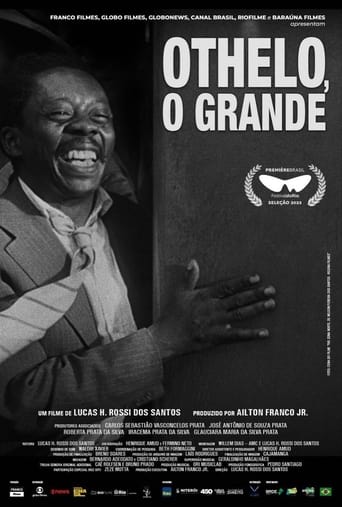
NRA beautifully told story using archival footage to explore the life of Grande Otelo, a groundbreaking Black Brazilian actor. Overcoming poverty and racism, he built a stellar career, facing controversy yet using it to challenge prejudice.
Othelo The Great
2024
 NR
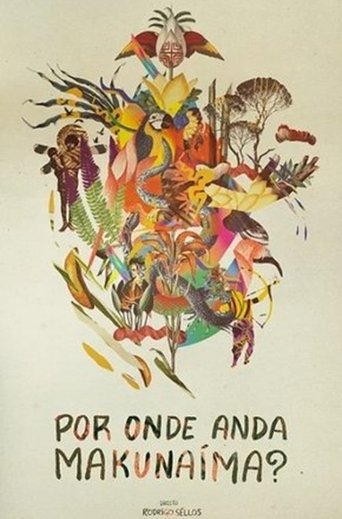
NRSearching for Makunaima is a cultural and historical account of the most Brazilian character there is in fiction. The film begins with Makunaima, one of the founding myths of the native people from the border between Brazil-Venezuela-Guiana, first captured in the writings of the German ethnographer Koch-Grünberg at the beginning of the 1910s. With interviews in Portuguese, German, Spanish, and in the indigenous languages Macuxi and Taurepang, Searching for Macunaima reclaims this amazing character who represents Brazil in many ways (from literature to cinema to theatre) and remains relevant to date.
Searching for Makunaima
2020
 7.0
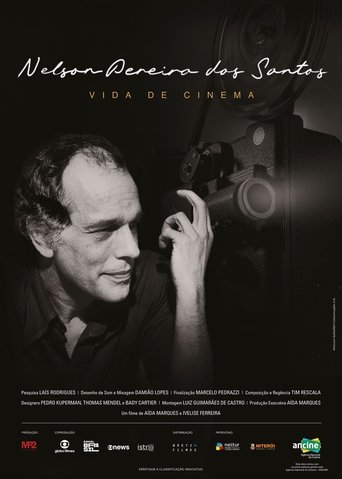
7.0For six decades, the cinema of Nelson Pereira dos Santos has projected Brazil into the eyes of the world. Precursor of Cinema Novo, Nelson was, more than a director, he was an ideologue, a thinker of his country.
Nelson Pereira dos Santos – A Life of Cinema
2023
 9.0
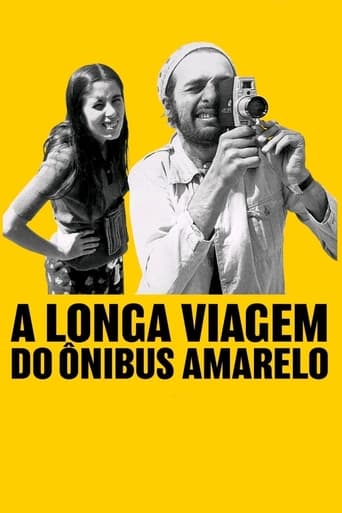
9.0For this behemoth, Bressane took his opera omnia and edited it in an order that first adheres to historical chronology but soon starts to move backwards and forward. The various pasts – the 60s, the 80s, the 2000s – comment on each other in a way that sheds light on Bressane’s themes and obsessions, which become increasingly apparent and finally, a whole idea of cinema reveals itself to the curious and patient viewer. Will Bressane, from now on, rework The Long Voyage of the Yellow Bus when he makes another film? Is this his latest beginning? Why not, for the eternally young master maverick seems to embark on a maiden voyage with each and every new film!
The Long Voyage of the Yellow Bus
2023
2000s · 2 titles
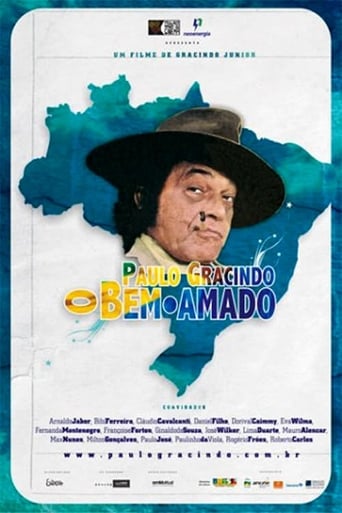 5.8
5.8The life of a famous Brazilian film and television actor, including testimonials from people who knew him and worked with him, as well as excerpts from films and videos in which he acted.
Paulo Gracindo - O Bem Amado
2009
 7.0
7.0Carlos Sebastião Prata Filho watches, for the first time, an interview given in 1963 by his father: Grande Othello. Alongside his four children, Grande Othello talks about his first experience in theater. Roquete Pinto, the interviewer, then starts asking the boys questions and records unexpected moments.
Othelo
2005
1990s · 5 titles
 NR
NR"Portraits and excerpts from Brazilian films from all times. Actors, directors and images that affirm cinema."
Celebração - 100 Anos do Cinema Nacional
1997
 7.7
7.7A documentary about Orson Welles's unfinished three-part film about South America.
It's All True
1993
 7.3
7.3Orson Welles acted in Brazilian culture and music by deeply researching Brazil's historical geology, consciously completing a legendary cultural mission. Although being turned down by Hollywood producers, he developed a triumphantly accomplished mission in the language domain - three friends of Welles' testified his love for cinema, his passion for Brazilian music and people and his obstinate endurance against formidable pressures coming from inside and outside Hollywood regarding his unfinished "It's All True".
Welles' Language
1990
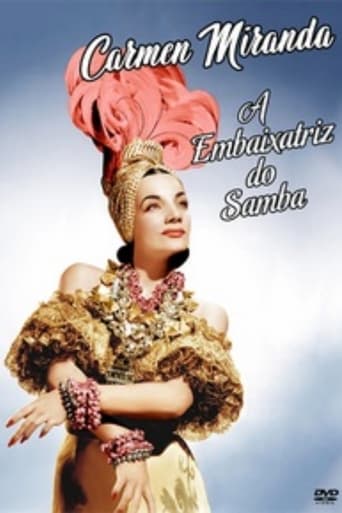 7.0
7.0No synopsis available yet.
A Embaixatriz do Samba
1991
 NR
NRNo synopsis available yet.
Troca de Cabeça
1991
1980s · 8 titles
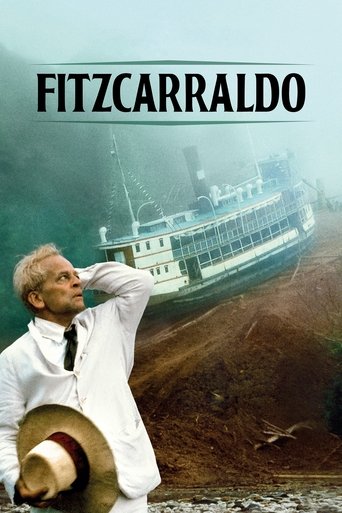 7.6
7.6Fitzcarraldo is a dreamer who plans to build an opera house in Iquitos, in the Peruvian Amazon, so, in order to finance his project, he embarks on an epic adventure to collect rubber, a very profitable product, in a remote and unexplored region of the rainforest.
Fitzcarraldo
1982
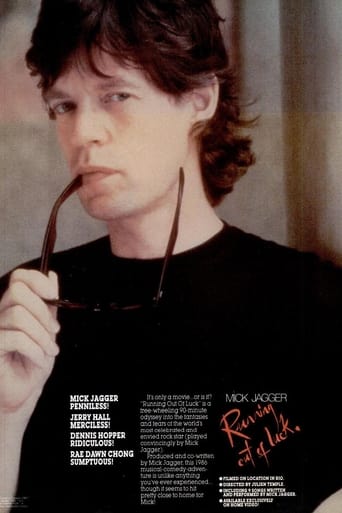 5.6
5.6A rock singer goes to Brazil to shoot a video, but winds up getting kidnapped and enduring a number of seemingly bizarre and hilarious events.
Running Out of Luck
1987
 6.1
6.1Account an important part of the history of Brazil, through its main character, Anayde Beiriz a poet, journalist and revolutionary and libertarian teacher of the early twentieth century, known for its sexual liberalism, which shocked the pre-Revolution in the state of Paraíba during 1930. His love for João Dantas eventually forge João Pessoa's death, at that time, governor of of Paraíba. These events served as a trigger for the a revolution.
Parahyba Mulher Macho
1983
 5.0
5.0Fantasy comedy about Brazilian writer Oswald de Andrade, one of the most important icons of Modernism in Brazil. In the film, Oswald is played by two actors: Ítala Nandi, as his feminine anima, and Flávio Galvão, as the masculine half.
The Brazilwood Man
1982
 NR
NRA documentary on the influence that carnival has on the daily life of the Mangueira hill in Rio de Janeiro. It follows the manufacture of the carnivals of 1981 and 1982, interviewing several residents who tell the story of more than half a century of the favela's existence and emphasizing its community importance and cultural, to the sound of the most beautiful sambas composed on Mangueira.
Fala Mangueira!
1983
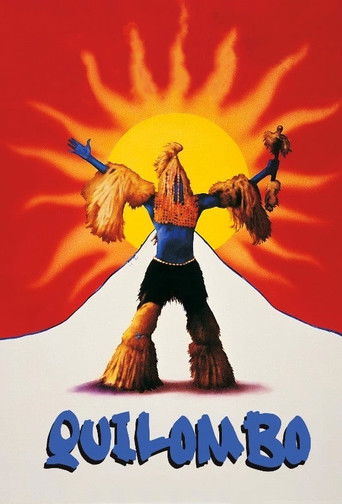 6.9
6.9Quilombo dos Palmares was a real-life democratic society, created in Brazil in the 17th century. This incredibly elaborate (and surprisingly little-known) film traces the origins of Quilombo, which began as a community of freed slaves. The colony becomes a safe harbor for other outcasts of the world, including Indians and Jews. Ganga Zumba (Toni Tornado) becomes president of Quilombo, the first freely elected leader in the Western Hemisphere. Naturally, the ruling Portuguese want to subjugate Zumba and his followers, but the Quilombians are ready for their would-be oppressors. The end of this Brave New World is not pleasant, but the followers of Zumba and his ideals take to the hills, where they honor his memory to this day. Writer/director Carlos Diegues takes every available opportunity to compare the rise and fall of Quilombo with the state of affairs in modern-day Brazil.
Quilombo
1984
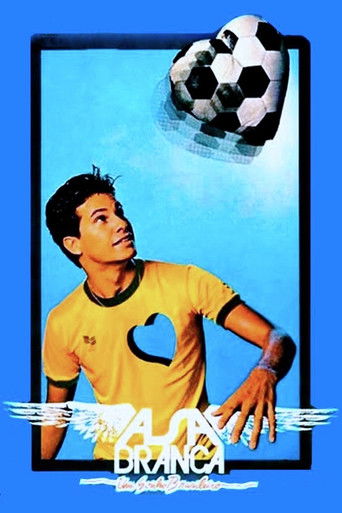 5.8
5.8Story of a modest but talented soccer player for an obscure club in a small Brazilian town who comes to São Paulo and reaches stardom.
Asa Branca: A Brazilian Dream
1980
 6.0
6.0Rich girl travels with her fiancé (a cousin) to the family farm, where they're going to marry. But finds another cousin in love with her who does everything to hamper the wedding.
Brasa Adormecida
1986
1970s · 14 titles
 8.0
8.0Five friends decide to enjoy Mardi Gras without their wives, leaving them home. But one of the wives doesn't accept this arrangement and tries to get even.
O Flagrante
1976
 6.0
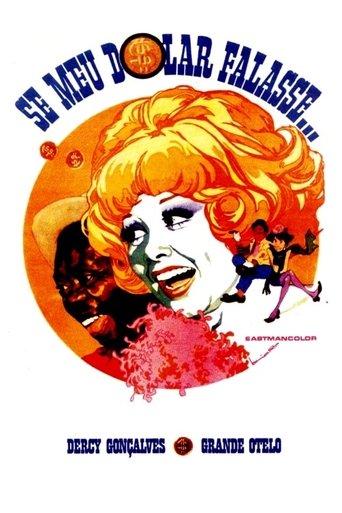
6.0Bums find $15,000 in trash, but the money belonged to criminals.
Se Meu Dólar Falasse...
1971
 7.8
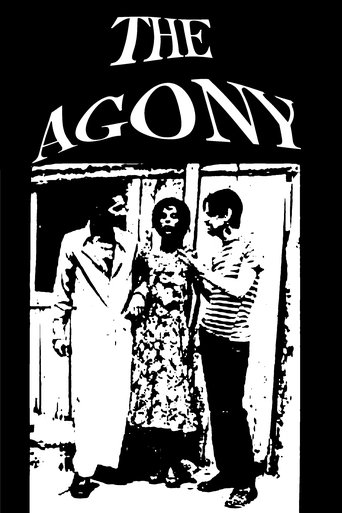
7.8Cropped hair, a rosemary branch behind the ear, yellow shirt of shiny satin, he's behind the wheel of his car when passing by a woman who walks by the roadside. Strongly painted lips, printed dress with round skirt and red shoes matching the color of the lipstick, she catches his attention. He gives her a ride, the two of them stare in silence for a few moments. They introduce themselves to one another and between the two establishes an absurd dialogue and full of metaphors. And they are driving around in corners of Rio de Janeiro, to the sound of Noel Rosa and Lamartine Babo. Eva and Antena, she a seer, he, an assassin on the run, initiate an unusual case of love, a marginal love, where boredom often gives way to tragedy, creating the agony of a holiday spent in an abyss.
The Agony
1976
 10.0
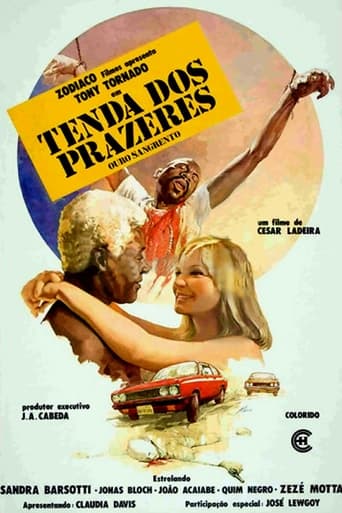
10.0The son of a millionaire who owns gold mines in Transopia, Africa, Antoine Leblanc, who lives in a mansion in Rio, one day receives a letter from his father asking him for help against the gold smugglers from Transopia to Brazil.
Bloody Gold
1978
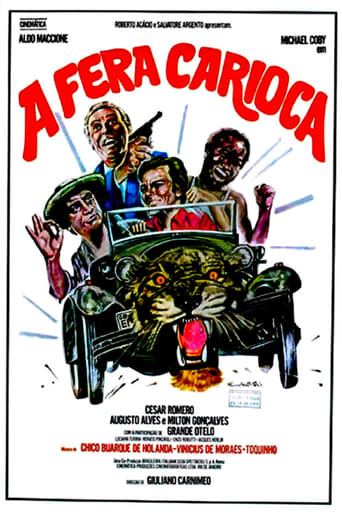 9.0
9.0No synopsis available yet.
Carioca Tigre
1976
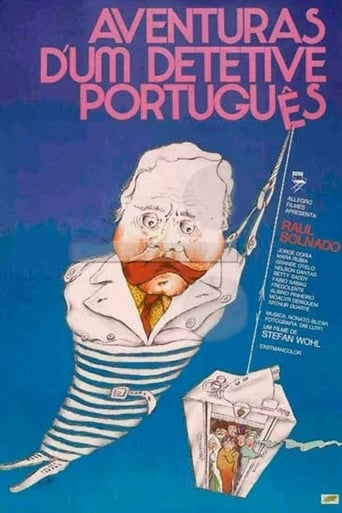 9.0
9.0No synopsis available yet.
Aventuras d'um Detetive Português
1975
 5.7
5.7A dysfunctional family, composed of a prostitute and two gay men, one strong and the other fragile and stupid, lives a routine life in Rio de Janeiro. When the slut threatens the other two to stop supporting them, they decide to find an odalisque as an alternative to keep their easy life.
The Rowdy Family
1970
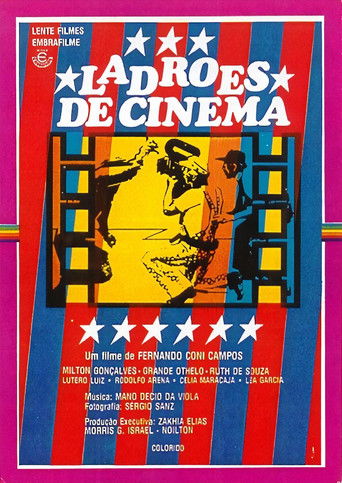 7.0
7.0After assaulting a Hollywood film crew, a group of residents of a community in Rio de Janeiro decided to produce a film that would express the reality of Brazil - with the theme of Inconfidência Mineira.
Sweet Thieves
1977
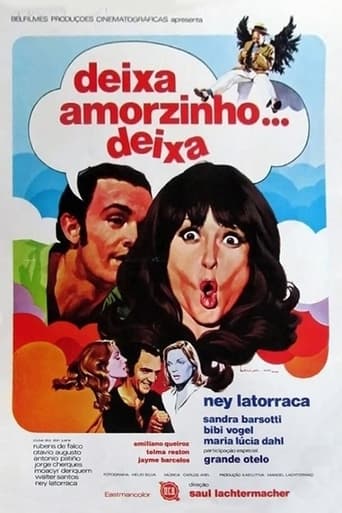 10.0
10.0Dino and Dalmo are twin brothers. Dino is very shy, and the other, the opposite: a true Don Juan. When Dalmo dies, after being shot by a furious husband, he is received in heaven by a Club of Don Juans. But, in order to be admitted, he must go back to Earth, incarnated in his brother's body, and correct three mistakes he had made in his previous life.
Deixa, Amorzinho... Deixa
1975
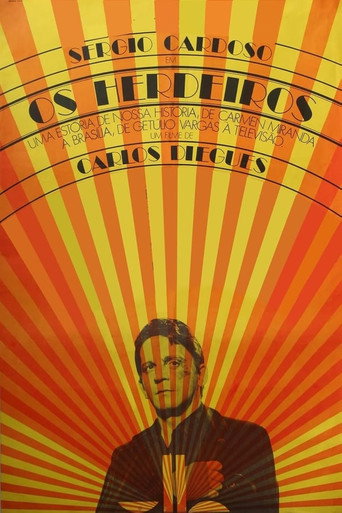 6.2
6.2Jorge, an ambitious journalist, marries into money and betrays colleagues to become a powerful politician during political turmoil in 1946 Brazil.
The Heirs
1970
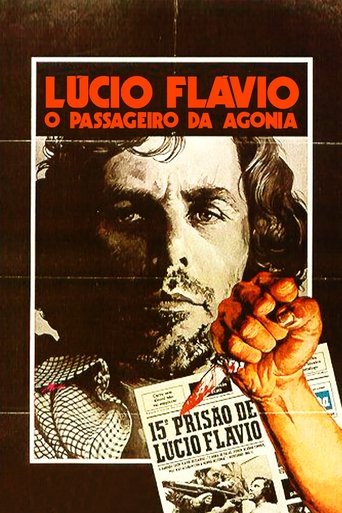 7.1
7.1Story of Brazilian bank-robber Lúcio Flávio, who fascinated some people in Rio de Janeiro during the 1970s for his bold robberies and spectacular escapes, and also because he was thought to be intelligent and "politically aware". Before dying, he disclosed a network of corruption in Brazilian Police, and its involvement with the infamous "Death Squad" of the time, a group of policemen who went about killing criminals without giving them a fair trial.
Lucio Flavio
1977
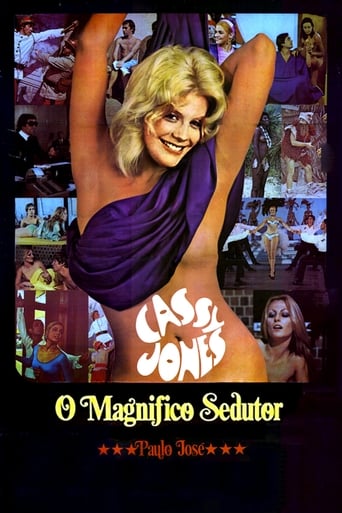 5.7
5.7A tireless and incorrigible seducer looks for - and seems to find - the woman of his life.
Cassy Jones, the Magnificent Seducer
1972
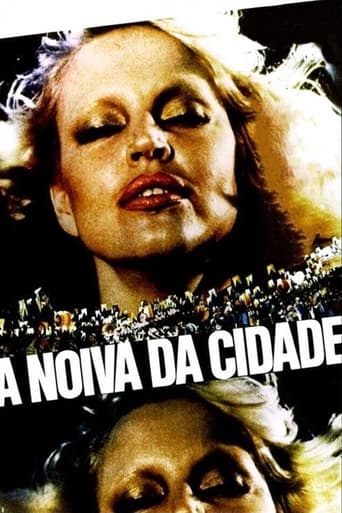 8.0
8.0When Daniela, a famous actress, decides to return to her hometown to reconnect with a simpler lifestyle, local politicians decide to exploit her influence in order to get ambiguous deeds done.
A Noiva da Cidade
1978
 8.1
8.1No synopsis available yet.
Assim Era a Atlântida
1975
1960s · 7 titles
 7.0
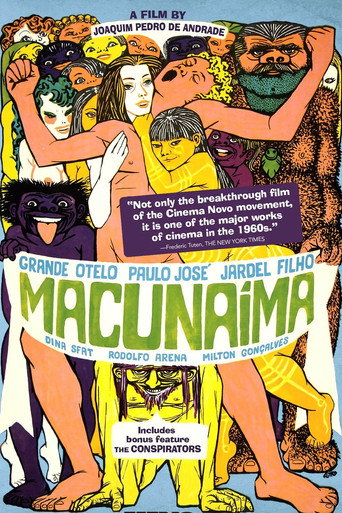
7.0Born a fully grown black man in a village in the Brazilian jungle, Macunaíma later magically transforms into a white man before making an adventure-filled trip to the city of São Paulo. Once there, he becomes something of a dandy, falling in love with Ci, a revolutionary who dies in an accidental bombing. After robbing a ruthless industrialist, Macunaima returns to his village where he finds his newly acquired knowledge and possessions of little use.
Macunaima
1969
 8.0
8.0Based on true events in Rio de Janeiro, in 1960, when a gang having the infamous outlaw Tião Medonho as a leader performed a sensational railroad hold-up on a train carrying a small fortune.
Assault on the Pay Train
1962
 4.0
4.0A group of scoundrels want to make it by planning hoaxes.
Vai Que é Mole
1960
 6.0
6.0Three friends meeting after the absence of one of them for 15 years out of the country. This sudden gathering give them the opportunity to examine their life, to criticize one another on their achievements.
Alibi
1969
 6.0
6.0A vivacious woman tries to please all of her lovers but finds she can't handle the jealousy that erupts among them.
A Rose for Everyone
1967
 6.2
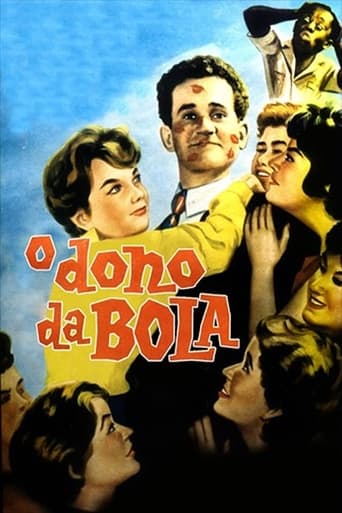
6.2Young man participates in TV contests to help the girl he loves using the money he expects to win.
O Dono da Bola
1961
 10.0
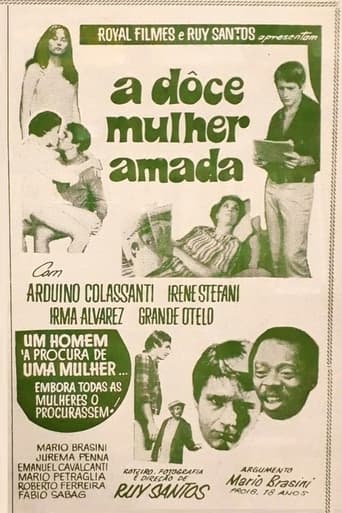
10.0A soap opera idol, lonely despite his fame and wealth, seeks a woman for companionship. He becomes interested in Míriam, a mysterious character who causes him countless setbacks. He's inclined to marry Carolina, his 19-year-old neighbor, who spends her time playing waltzes on the piano. However, all of Míriam's adventures will pale in comparison to the discoveries he will make in intimacy with Carolina, the sweet woman he loves.
A Doce Mulher Amada
1969
1950s · 5 titles
 7.0
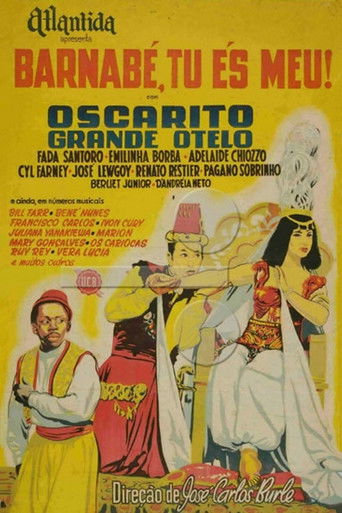
7.0A cleaner accidentely stills a secret formula and get mistaken for the heir prince of an old kingdom.
Barnabé, You Are Mine
1952
 9.0
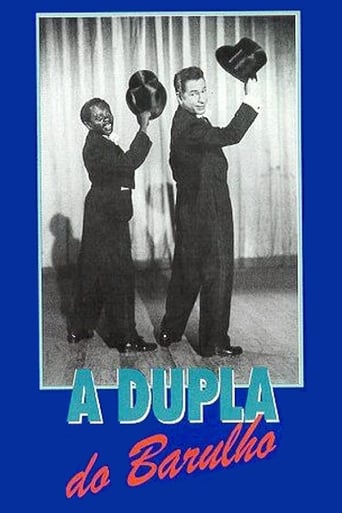
9.0Tonico and Tião are two vaudevillian artists who travel across Brazil in search of fame and success. A crisis hits the duo when Tião gets tired of being a setup for Tonico's jokes in their numbers and leaves the troupe.
A Dupla do Barulho
1953
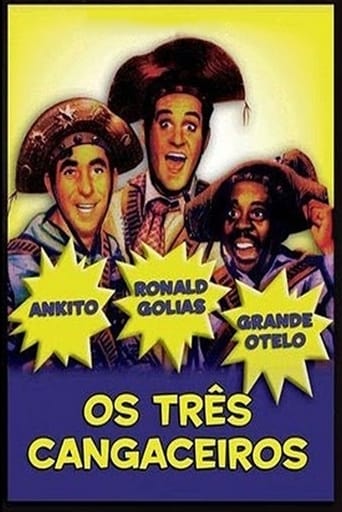 7.0
7.0A small town is invaded by bandits who kidnap a rich man's daughter and other young girls. A group of rescuers is assembled, but three of the town's most fearful residents decide to transform into the funniest three musketeers in cinematic history.
Os Três Cangaceiros
1959
 5.7
5.7No synopsis available yet.
Mulheres à Vista
1959
 9.0
9.0No synopsis available yet.
Malandros em Quarta Dimensão
1954
1940s · 9 titles
 9.0
9.0In a workshop there are six workers, the six are brothers. Enter the mother who asks them to rescue the seventh brother, the youngest, Luis. The brothers hesitate because the youngster keeps getting into trouble, but they end up giving in to the request. Gangsters are fighting in a bar and the workers end up getting into the fray.
O Caçula do Barulho
1949
 9.8
9.8The love misadventures of a teacher, a woman who gives up living in a big city in order to teach country children how to read and write.
Romance Proibido
1944
No synopsis available yet.
Moleque Tião
1943
 9.0
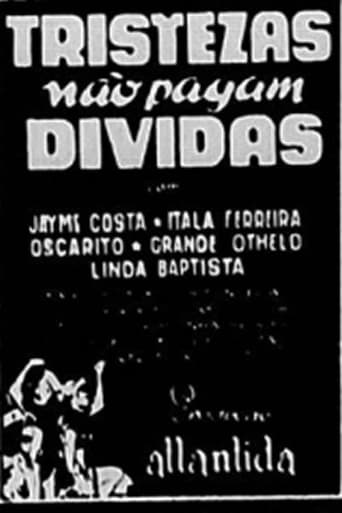
9.0No synopsis available yet.
Tristezas Não Pagam Dívidas
1943
 7.6
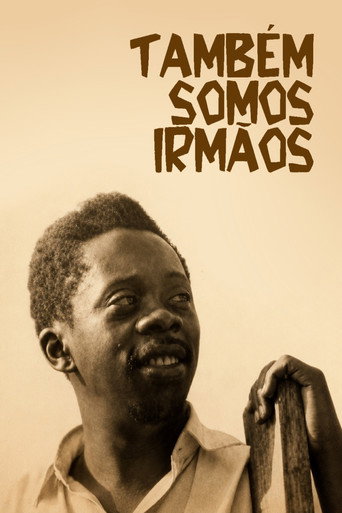
7.6Renato and Miro are black brothers raised by a white family in an old mansion in Rio de Janeiro. Renato, a graduated lawyer, has always looked for dignity, winning in life due to his honesty and search for social recognition. His brother, on the contrary, is a rebel small time crook who believes his behavior is the product of the treatment he received while being rased by the whites.
Também Somos Irmãos
1949
 6.0
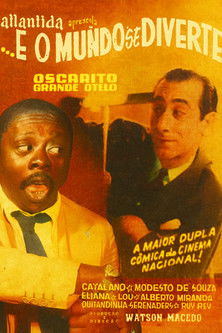
6.0No synopsis available yet.
... E o Mundo Se Diverte
1949
 7.0
7.0A hard working man goes to São Paulo to look for his twin brother unaware that he's famous for his lazyness.
That's What I'm Gonna Do
1948
 7.5
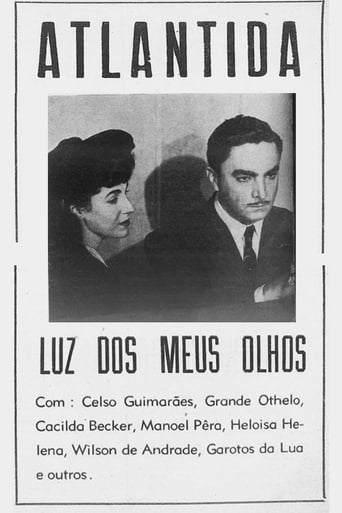
7.5Roberto is blind and tunes pianos, isolated from the world and hurt by having abandoned his promising career as a pianist due to the accident that took his sight. One day, Roberto meets Suzana, the great love of his life, and his old passion returns with full force. But there's a problem: Suzana's engagement could put everything to ruin, separating the passionate couple once again.
Luz dos Meus Olhos
1947
 10.0
10.0A Brazilian musical comedy
The World is a Tambourine
1947
1930s · 2 titles
 9.0
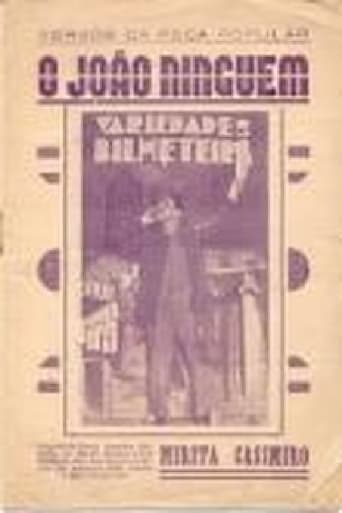
9.0João Ninguém is a humble composer who made the waltz "Sonhos Azuis" as a gift to his girlfriend on her birthday. To give it to her, he asked for help from a friend, but on the way, an accident happens and puts at risk not only the relationship, but also João's life and career.
João Ninguém
1936
 10.0
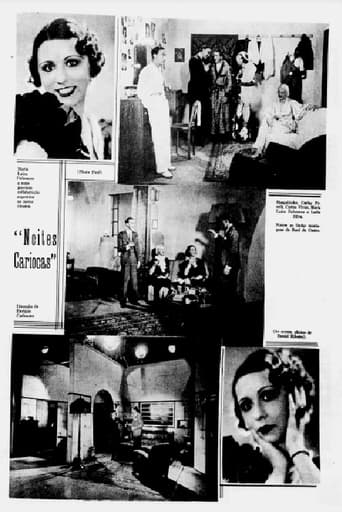
10.0No synopsis available yet.
Noites Cariocas
1935
Series credits
8.0Os Trapalhões was a Brazilian comedy group and also a Brazilian television series created by Wilton Franco. Its members were Dedé Santana, Zacarias, Mussum and their leader Didi Mocó, that was played by Renato Aragão. The name Trapalhões is derived from the Portuguese verb atrapalhar, which means the opposite of helping, to do something the wrong way or to Those that confuse. The name is translated "Tramps" in English DVD subtitles. It was aired by Rede Globo from 1977 to 1999. On March 18, 1990, Zacarias died due to respiratory failure, but the group and the series didn't come to an end until July 29, 1994, when Mussum died due to an unsuccessful heart transplant.
The Trapalhões
1977
8.0Os Trapalhões was a Brazilian comedy group and also a Brazilian television series created by Wilton Franco. Its members were Dedé Santana, Zacarias, Mussum and their leader Didi Mocó, that was played by Renato Aragão. The name Trapalhões is derived from the Portuguese verb atrapalhar, which means the opposite of helping, to do something the wrong way or to Those that confuse. The name is translated "Tramps" in English DVD subtitles. It was aired by Rede Globo from 1977 to 1999. On March 18, 1990, Zacarias died due to respiratory failure, but the group and the series didn't come to an end until July 29, 1994, when Mussum died due to an unsuccessful heart transplant.
The Trapalhões
1977
7.8Jose Inocencio had innocence only as part of his name, but only those who new him well could notice this. But nobody knew him. He was a storyteller, and he was always the main character in the stories he told. He managed not only to create stories about himself, he managed to create a legend. The story of this powerful cacao farmer; Maria Santa, the beloved wife who died; and their four children is the main theme of 'Renascer'.
Jequitibá
1993
9.0No synopsis available yet.
Chico Anysio Show
1982
9.0No synopsis available yet.
Chico Anysio Show
1982
7.5In 1886, in the small town of Araruna, Little Missy rejects the actions of her father—the slave-owning Colonel Ferreira—alongside Rodolfo, an active abolitionist republican with whom she falls in love.
Little Missy
1986
8.2No synopsis available yet.
Água Viva
1980
8.0Jocasta, an 18-year-old sociology student and daughter of communist activist Túlio Silveira, is actively involved in the country's political landscape. She is in love with Laio—her polar opposite—a disengaged, esoteric young man who lives off his wealthy father's allowance. A mystic, Laio makes no move without consulting his guru and friend Argemiro, whom he turns to upon learning of Jocasta's pregnancy. The cowrie shell reading reveals that his son is destined to kill him and enter into a romantic relationship with his mother. Terrified, Laio disappears with the child immediately after birth, aided by Argemiro—who loves Laio and loathes Jocasta. Twenty-five years later, Jocasta is a successful yet restless woman searching for her missing son. She is estranged from Laio, who has spent recent years expanding his father's fortune through involvement in underground gambling. On a highway, he encounters Oedipus, unaware that the young man is his son.
Mandala
1987
 8.0
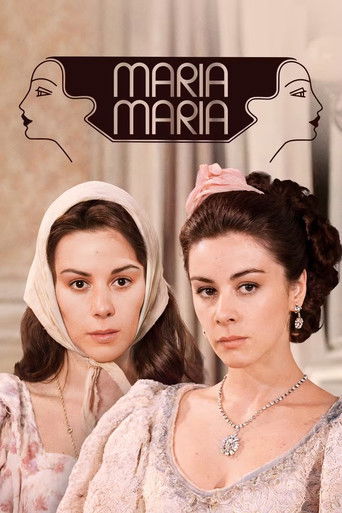
8.0In the backlands, the drover Ricardo marks the destiny of young Maria. Years later, in Xique-Xique, a mistake between two identical women rekindles passions, separations, and an impossible love.
Maria, Maria
1978
 8.1
8.1After getting lost on a sea excursion, Jô Penteado and Fábio Coutinho develop mutual feelings during the two months they spend stranded on a deserted island.
A Gata Comeu
1985
 6.7
6.7Serafina is a romantic young woman who dreams of experiencing great love. Claude is a wealthy businessman who is in the country illegally. The two make a deal that will transform their lives.
Uma Rosa com Amor
1972
 7.0
7.0The telenovela tells the story of Pedro, a young singer seeking recognition and success. The son of Celso and Anita leaves his parents' home when he discovers that his brother Claudio has become involved with his girlfriend Selma. The singer then goes to live in a student community, where he meets the siblings Bruno, a composer, and Nina. Pedro and Bruno begin a professional partnership. Nina ends up falling in love with the singer, but is torn between him and the former seminarian Chico.
O Amor é Nosso!
1981
 NR
NRNo synopsis available yet.
Bandeira 2
1971
 9.6
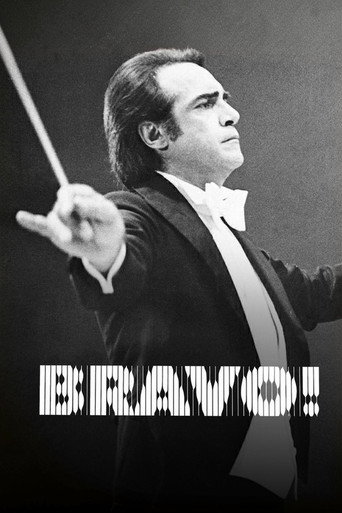
9.6A widowed conductor rediscovers love when he meets a young woman from the countryside, but doubts about his music make him question his competence and distance himself from the woman he loves.
Bravo!
1975
 8.5
8.5No synopsis available yet.
Os Ossos do Barão
1973
 9.4
9.4Romantic and dreamy, Eliana works at a five-star hotel and becomes involved with unrequited love, a bumbling gang, and a complex police story.
Feijão Maravilha
1979
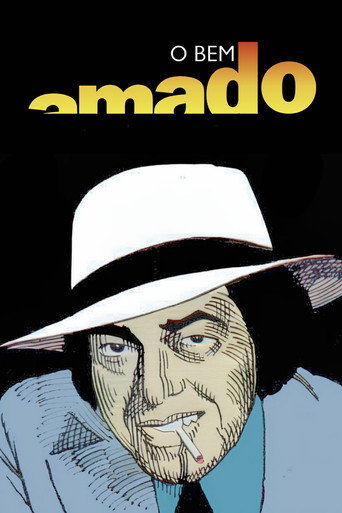 9.3
9.3No synopsis available yet.
O Bem-Amado
1980
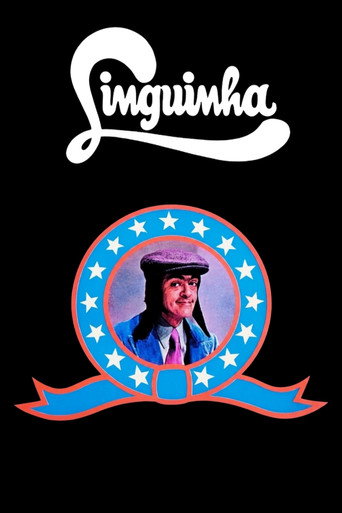 NR
NRNo synopsis available yet.
Linguinha x Mr. Yes
1971
 6.0
6.0No synopsis available yet.
Caso Especial
1971
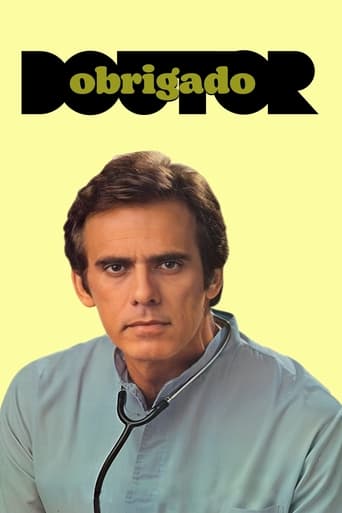 8.0
8.0No synopsis available yet.
Obrigado, Doutor
1981
No synopsis available yet.
Estados Anysios de Chico City
1991
 8.3
8.3Determined to secure the release of her father—imprisoned for advocating communism—Sílvia travels to Rio de Janeiro, where she finds work as a chorus girl at the Cassino da Urca. There, she meets and falls in love with a croupier named Tide. Sílvia becomes a celebrated beauty of Rio's nightlife but is blackmailed by a Nazi named Jofre; he promises to help free her father if she marries Michael, an Englishman from whom Jofre intends to steal a map to a uranium mine.
A, E, I, O... Urca
1990
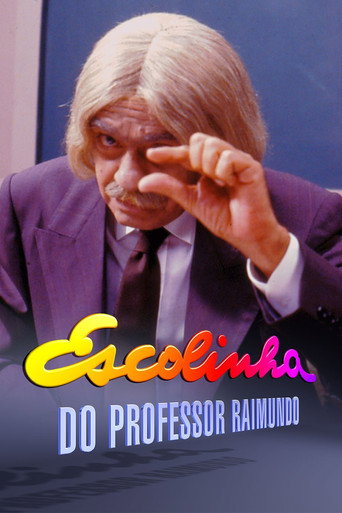 8.6
8.6'Escolinha do Professor Raimundo' was a comedy program starring Chico Anysio, the unforgettable Professor Raimundo Nonato, and which brought together some of the biggest names in Brazilian comedy. Marked by informality and improvisation, the School was a landmark, immortalized catchphrases like "And the salary, huh?" and paved the way for new and established talents. Created in 1952 by radio host and comedian Haroldo Barbosa for Rádio Mayrink Veiga, the School arrived on TV five years later as a segment of the program Noites Cariocas, on TV Rio. For 38 years, the School was a segment hosted by Chico Anysio in various comedy programs. In 1990, it premiered as an independent program on Globo and became a classic of Brazilian television.
Escolinha do Professor Raimundo
1990
 NR
NRNo synopsis available yet.
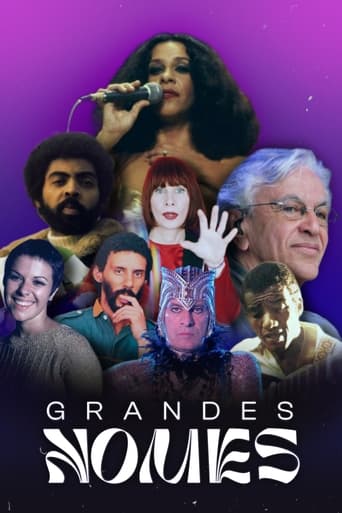
Grandes Nomes
1980
 8.0
8.0The transition from imperial Brazil to the Republic, marked by intrigue, rebellion, and popular indifference. Held in commemoration of the centenary of the birth of the Republic in Brazil.
Republic
1989
 NR
NRNo synopsis available yet.
Bairro Feliz
1965
A young woman from the country becomes involved with a Syrian man in a city caught in the midst of a political game.
Gabriela, Cravo e Canela
1961