
Known for
No synopsis available yet.
Přísahám a slibuji
1990
 5.8
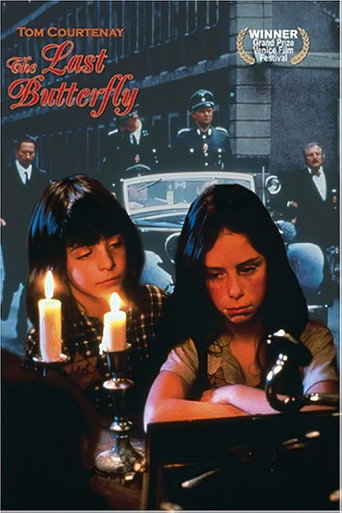
5.8Stage mime Antoine Moreau is compelled by the Gestapo to put on a performance for the children of Terezin, a "model" concentration camp, to convince the Red Cross observers that the camp is truly what it seems. Reluctant at first, Moreau slowly learns the true nature of the camp, including the meaning of the "transports" on which people leave. With a world-class orchestra (made up of people interned in the camp) and a cast of children, Moreau stages a show to end all shows.
The Last Butterfly
1991
 7.7
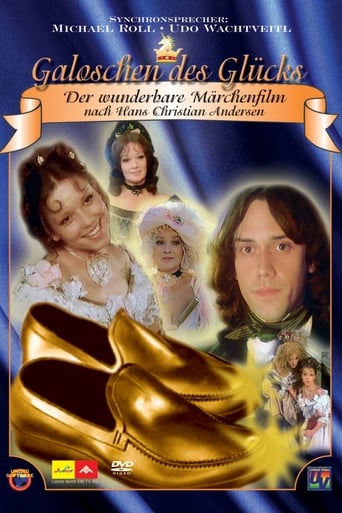
7.7The Slippers of Happiness is another film made by the Slovak Film Production in co-production with West German companies based on classic world fairy tales. After Slovak folk tales [The Greatest Peck in the World, Salt Over Gold] and the works of German fairy tale writers Wilhelm Hauff [The False Prince] and the Brothers Grimm [The Land of the Thrush's Beard, Perinbaba], screenwriter Alex Koenigsmark and director Juraj Herz were inspired by the famous fairy tale by Hans Christian Andersen. It tells the story of slippers that the Fairy of Fortune enchanted so that they would fulfill every human wish and thus bring people happiness. The filmmakers humorously transferred the plot from Copenhagen to old Prague.
The Galoshes of Happiness
1987
 6.3
6.3Czechoslovakia 1918. The newly formed National Assembly has made Stoklasa the administrator of the Kratochvile Castle. Although with no aristocratic background, he is a man of fortune and is trying to buy the castle. To impress his neighbors and the local politicians he invites them to a great hunting party. Uninvited comes a man who claims to be Duke Alexej. Stoklasa believes him to be a hustler. This hustler, however, manages to charm all the women before he leaves.
The End of Old Times
1990
 6.1
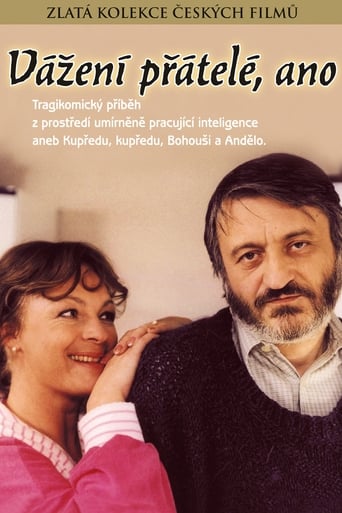
6.1During the change of functions in the Fortuna medical ceramics company, Bohouš Fisher, an independent clerk, became deputy director of the company against his will. As a result, he is forced to make even greater compromises than before. He takes part in unnecessary meetings for which he has to raise money from company funds because of his position, or he jocularly solves a "work" accident of two employees who were engaged in love games instead of work. It's not much better in his private life. He would like to do some meaningful work, like building a stove.
Vážení přátelé, ano
1989
Set in 1776, this historical film by Petr Hvizd concerns an army deserter who takes refuge within the walls of the Convent of St. Claire. The investigation to find him soon becomes a question of morality concerning the value of human life in the context of the diversity and hierarchy of social laws.
Řád
1994
Film credits
1990s · 3 titles
5.8Stage mime Antoine Moreau is compelled by the Gestapo to put on a performance for the children of Terezin, a "model" concentration camp, to convince the Red Cross observers that the camp is truly what it seems. Reluctant at first, Moreau slowly learns the true nature of the camp, including the meaning of the "transports" on which people leave. With a world-class orchestra (made up of people interned in the camp) and a cast of children, Moreau stages a show to end all shows.
The Last Butterfly
1991
6.3Czechoslovakia 1918. The newly formed National Assembly has made Stoklasa the administrator of the Kratochvile Castle. Although with no aristocratic background, he is a man of fortune and is trying to buy the castle. To impress his neighbors and the local politicians he invites them to a great hunting party. Uninvited comes a man who claims to be Duke Alexej. Stoklasa believes him to be a hustler. This hustler, however, manages to charm all the women before he leaves.
The End of Old Times
1990
Set in 1776, this historical film by Petr Hvizd concerns an army deserter who takes refuge within the walls of the Convent of St. Claire. The investigation to find him soon becomes a question of morality concerning the value of human life in the context of the diversity and hierarchy of social laws.
Řád
1994
1980s · 4 titles
7.7The Slippers of Happiness is another film made by the Slovak Film Production in co-production with West German companies based on classic world fairy tales. After Slovak folk tales [The Greatest Peck in the World, Salt Over Gold] and the works of German fairy tale writers Wilhelm Hauff [The False Prince] and the Brothers Grimm [The Land of the Thrush's Beard, Perinbaba], screenwriter Alex Koenigsmark and director Juraj Herz were inspired by the famous fairy tale by Hans Christian Andersen. It tells the story of slippers that the Fairy of Fortune enchanted so that they would fulfill every human wish and thus bring people happiness. The filmmakers humorously transferred the plot from Copenhagen to old Prague.
The Galoshes of Happiness
1987
6.1During the change of functions in the Fortuna medical ceramics company, Bohouš Fisher, an independent clerk, became deputy director of the company against his will. As a result, he is forced to make even greater compromises than before. He takes part in unnecessary meetings for which he has to raise money from company funds because of his position, or he jocularly solves a "work" accident of two employees who were engaged in love games instead of work. It's not much better in his private life. He would like to do some meaningful work, like building a stove.
Vážení přátelé, ano
1989
The story takes place in Prague in the 1930s. An old trickster watchmaker named Sakař fakes an illness to get into the hospital. A young doctor from Bulovka finds him on the street and admits him to the hospital. Sakař is an excellent specialist, he takes care of everyone's watches, but at a certain point his desire for freedom wins out and he runs away from the hospital with a rare piece of old watch, which unfortunately belongs to the headmistress. A problem arises for the doctor, his position and existence are threatened...
Hodinář
1988
 4.6
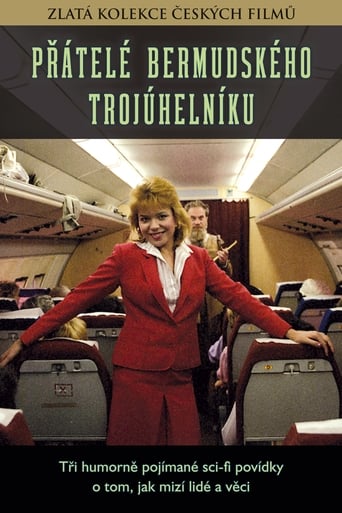
4.6The idea of mystery unites the three debut stories - the original Bermuda Triangle with its mysterious phenomena has begun to shift and can be traced anywhere in the world, including Czech and Slovak territory. Here, too, unexplained shifts in space and time occur. This idea is supported by the aforementioned short stories, but the inventiveness of the subject matter and staging is very heavy-handed, and the film passed through the cinemas without much interest.
Přátelé bermudského trojúhelníku
1987