

Camera
John Seale
Born
1942-10-05 (84)
Place of birth
Warwick, Queensland, Australia
Known for
Camera
Credits
5 titles
John Clement Seale AM ACS ASC (born 5 October 1942) is an Australian cinematographer. He has received numerous accolades, including an Academy Award, a BAFTA Award, and an American Society of Cinematographers Award. Seale started his career collaborating with director Peter Weir as both a camera operator and director of photography, gaining a reputation as one of Australia's leading cinematographers. He then earned international prominence working with directors such as Anthony Minghella, Wolfgang Petersen, Ron Howard, Sydney Pollack, and George Miller. Seale received the Academy Award for Best Cinematography for The English Patient (1996). He was also Oscar-nominated for Witness (1985), Ra…
Known for
 7.1
7.1An annual American awards ceremony honoring cinematic achievements in the film industry. The various category winners are awarded a copy of a statuette, officially the Academy Award of Merit, that is better known by its nickname Oscar.
The Oscars
1953
 6.8
6.8Emerging from the depths of the film industry, the Mad Max saga became an instant cult classic after the release of the first film in 1979. These five critically acclaimed films have continued to captivate audiences. They shaped the identity of Australian cinema, launched a movie star – Mel Gibson – and propelled George Miller as one of the greatest directors of his generation. Above all, Mad Max has left an indelible mark on our collective unconscious, redefining our vision of the apocalypse and human civilization. This documentary tells the story of this phenomenon, from the small production of the first film to the monumental later installments, drawing on interviews and rare archives.
It’s a Mad Max World
2025
 6.8
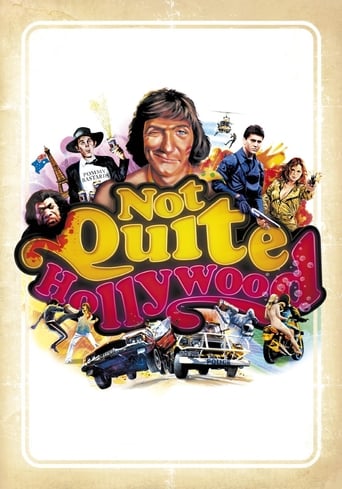
6.8As Australian cinema broke through to international audiences in the 1970s through respected art house films like Peter Weir's "Picnic At Hanging Rock," a new underground of low-budget exploitation filmmakers were turning out considerably less highbrow fare. Documentary filmmaker Mark Hartley explores this unbridled era of sex and violence, complete with clips from some of the scene's most outrageous flicks and interviews with the renegade filmmakers themselves.
Not Quite Hollywood
2008
 7.5
7.5The making of 'The Hitcher'
The Hitcher: How Do These Movies Get Made?
2003
 4.0
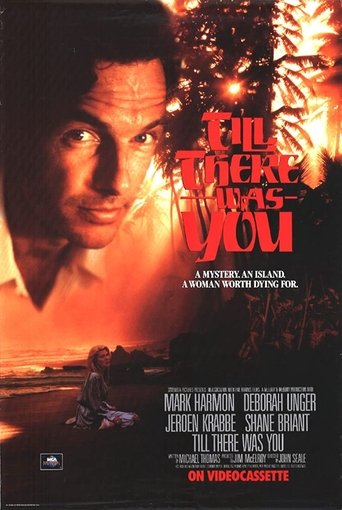
4.0Frank Flynn is summonsed from New York by his brother Charlie to Vanuatu. He arrives only to find Charlie dead, and becomes involved with his late brother's partner, Viv, and Viv's unhappy wife, Anna.
Till There Was You
1991
Film credits
2000s · 2 titles
6.8As Australian cinema broke through to international audiences in the 1970s through respected art house films like Peter Weir's "Picnic At Hanging Rock," a new underground of low-budget exploitation filmmakers were turning out considerably less highbrow fare. Documentary filmmaker Mark Hartley explores this unbridled era of sex and violence, complete with clips from some of the scene's most outrageous flicks and interviews with the renegade filmmakers themselves.
Not Quite Hollywood
2008
7.5The making of 'The Hitcher'
The Hitcher: How Do These Movies Get Made?
2003