
Directing
Ary Severo
Born
1903-12-28 (122)
Place of birth
Recife, Pernambuco, Brazil
Known for
Directing
Credits
15 titles
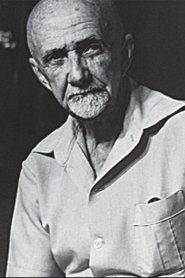
Luiz de França da Rosa Torreão (Recife, December 28 1903 – 1994), better known as Ary Severo, was a Brazilian director, producer, cinematographer and actor. He was one of the cinematographic highlights of the Recife Cycle of the 1920s, when he founded Aurora Filmes, together with his friends Gentil Roiz and Edson Chagas.
Known for
 6.5
6.5Julio is enchanted by a coffee shop attendant and confuses himself with a bad element. To get revenge, the thug kills his sister and kidnaps the waitress. Classic representative of the Ciclo do Recife.
Jurando Vingar
1925
No synopsis available yet.
História de Amor em 16 Quadros por Segundo
1998
 7.5
7.5In Recife, Dr. Paulo is an important lawyer that has a daughter, Heloísa, with his paramour and living in the country. A few days before traveling to Europe, Dr. Paulo asks to a close friend to bring Heloísa to Recife. Meanwhile, his bohemian and irresponsible son Helvécio meets Heloísa, and without knowing that she is his sister, he tries to rape her, and she kills him. Heloísa is arrested and goes to trial without any evidence to prove that she self-defended her honor.
The Daughter of the Lawyer
1926
 NR
NRBrazilian documentary about the pioneers Ary Severo (director, screenwriter, actor and screenwriter) and Almery Steves, his wife (actress of famous Recife Cycle films)
Almeri & Ari: Ciclo do Recife e da Vida
1979
 8.0
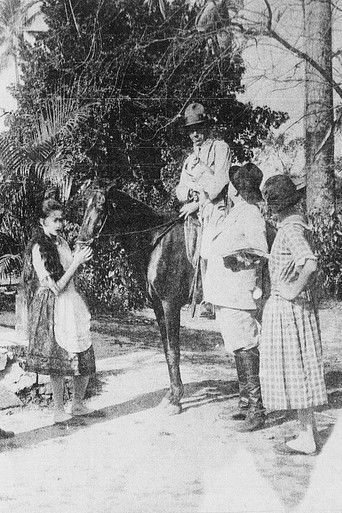
8.0A young woman, the daughter of a farmhand, is in love with the farmer's son, a young student living in the capital who has no good intentions toward her. Carrapiche, a modest and crippled young man, is also in love with the girl, but he knows of the other's bad intentions.
O Destino das Rosas
1930
 5.1
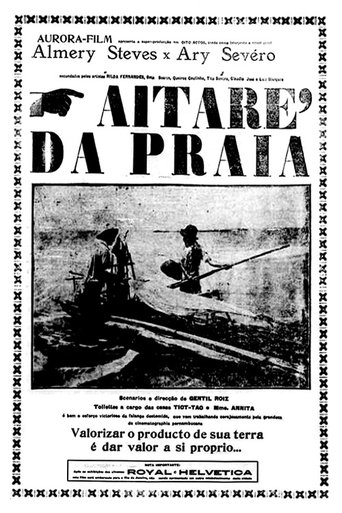
5.1The fisherman Aitaré courts Cora, an innocent girl from a small village. Several disagreements separate the heroes, until the expected happy ending. The film shows both the beautiful beaches of the region and the sophisticated milieu of the aristocracy in Recife. The clash between tradition and modernity can been seen in an obvious way in the film.
Aitaré from the Beach
1925
Film credits
1990s · 1 titles
1970s · 3 titles
NRBrazilian documentary about the pioneers Ary Severo (director, screenwriter, actor and screenwriter) and Almery Steves, his wife (actress of famous Recife Cycle films)
Almeri & Ari: Ciclo do Recife e da Vida
1979
 NR
NRNo synopsis available yet.
O Último Cangaceiro
1971
 8.0
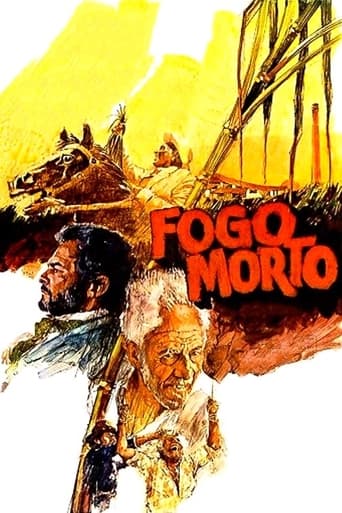
8.0In 1910, in the State of Paraíba, Brazil, a man is expelled from his own land by the ruthless colonel who owns the sugar mill. He asks some outlaws to help him retrieve his land.
Fogo Morto
1976
1920s · 3 titles
6.5Julio is enchanted by a coffee shop attendant and confuses himself with a bad element. To get revenge, the thug kills his sister and kidnaps the waitress. Classic representative of the Ciclo do Recife.
Jurando Vingar
1925
5.1The fisherman Aitaré courts Cora, an innocent girl from a small village. Several disagreements separate the heroes, until the expected happy ending. The film shows both the beautiful beaches of the region and the sophisticated milieu of the aristocracy in Recife. The clash between tradition and modernity can been seen in an obvious way in the film.
Aitaré from the Beach
1925
 9.0
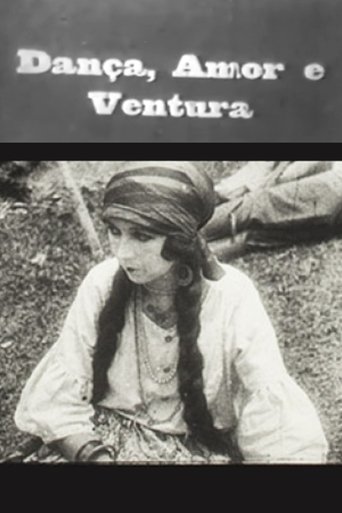
9.0A Recife society couple, while visiting a painting exhibition, recognizes, in a painting depicting a gypsy girl, their daughter, who had been kidnapped by gypsies as a child. The painter informs them that the girl is part of the Bentes Lemano gang. The parents go to the police, who arrest the gang, including Artur. Their identities are clarified. Despite her parents' opposition, the heroine ends up marrying Maurício.
Dança, Amor e Ventura
1927
Undated · 1 titles
Behind the camera
6.5Julio is enchanted by a coffee shop attendant and confuses himself with a bad element. To get revenge, the thug kills his sister and kidnaps the waitress. Classic representative of the Ciclo do Recife.
Jurando Vingar
1925
7.5In Recife, Dr. Paulo is an important lawyer that has a daughter, Heloísa, with his paramour and living in the country. A few days before traveling to Europe, Dr. Paulo asks to a close friend to bring Heloísa to Recife. Meanwhile, his bohemian and irresponsible son Helvécio meets Heloísa, and without knowing that she is his sister, he tries to rape her, and she kills him. Heloísa is arrested and goes to trial without any evidence to prove that she self-defended her honor.
The Daughter of the Lawyer
1926
8.0A young woman, the daughter of a farmhand, is in love with the farmer's son, a young student living in the capital who has no good intentions toward her. Carrapiche, a modest and crippled young man, is also in love with the girl, but he knows of the other's bad intentions.
O Destino das Rosas
1930
8.0A young woman, the daughter of a farmhand, is in love with the farmer's son, a young student living in the capital who has no good intentions toward her. Carrapiche, a modest and crippled young man, is also in love with the girl, but he knows of the other's bad intentions.
O Destino das Rosas
1930
5.1The fisherman Aitaré courts Cora, an innocent girl from a small village. Several disagreements separate the heroes, until the expected happy ending. The film shows both the beautiful beaches of the region and the sophisticated milieu of the aristocracy in Recife. The clash between tradition and modernity can been seen in an obvious way in the film.
Aitaré from the Beach
1925
9.0A Recife society couple, while visiting a painting exhibition, recognizes, in a painting depicting a gypsy girl, their daughter, who had been kidnapped by gypsies as a child. The painter informs them that the girl is part of the Bentes Lemano gang. The parents go to the police, who arrest the gang, including Artur. Their identities are clarified. Despite her parents' opposition, the heroine ends up marrying Maurício.
Dança, Amor e Ventura
1927
9.0A Recife society couple, while visiting a painting exhibition, recognizes, in a painting depicting a gypsy girl, their daughter, who had been kidnapped by gypsies as a child. The painter informs them that the girl is part of the Bentes Lemano gang. The parents go to the police, who arrest the gang, including Artur. Their identities are clarified. Despite her parents' opposition, the heroine ends up marrying Maurício.
Dança, Amor e Ventura
1927