
Directing
Jun'ichi Saito
Known for
Directing
Credits
5 titles
Known for
 NR
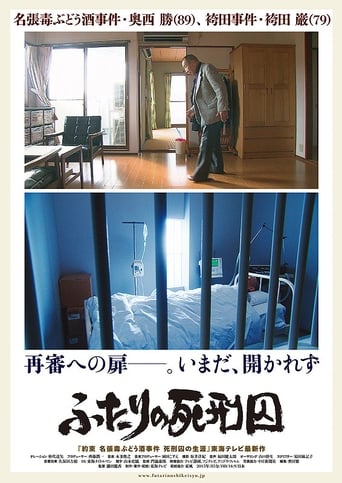
A look at the lives of two death row inmates who have maintained their innocence for half a century and have yet to be granted a retrial.
Futari no shikeishû - saishin imada hirakarezu
2015
 6.7
In 1961, a spectacular criminal case shocks Japan: at what became known as the “Nabari Poison Wine” incident, five people lose their lives at a village social gathering. One of the attendants, Masaru OKUNISHI, is made out as the main suspect. Rumor has it that he wanted to kill his wife and his lover in order to end his extra-marital affair. After being questioned by the police for days, he signs a confession, only to withdraw it soon afterwards. Nonetheless, he is sentenced to death and all pleas for a retrial are denied.
Sleeping Village
2019
 NR
Masaru Okunishi is a prisoner who has been on death-row for over 40 years. In 1961, 5 women died from drinking poisoned wine in a small village gathering in Nabari City in Mie Prefecture. After his arrest, he appealed his innocence on the grounds that the police coerced his confession. He was found not guilty in the first trial. However, it was overturned and he received a death sentence in the second trial, which was upheld by the Supreme Court in 1972. Since then, Okunishi has continuously appealed for retrial, fighting against the horror of capital punishment. This TV dramatization of the Nabari Poisoned Wine Case depicts Okunishi in an isolated cell, his mother’s unwavering belief in his innocence, and the effort of people who have rallied to Okunishi’s defense.
Promise: The Nabari Poisoned Wine Case, The Life of a Death-row Inmate
2013
 NR
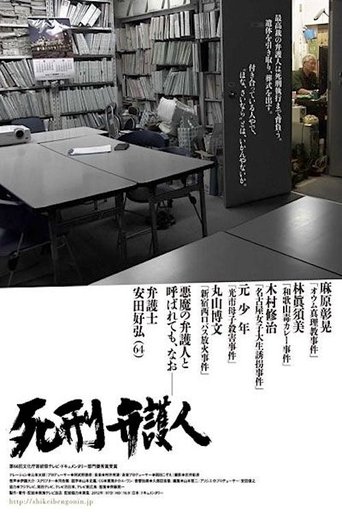
Japan is a country that still retains the death penalty. All suspects in crimes that strongly shook the nation - Shoko Asahara from the 1995 Aum Tokyo subway gas attacks, Masumi Hayashi from the “poisoned curry” murder case in Wakayama, an unnamed minor from the murder case of a mother and her child in the city of Hikari - have all been sentenced to death. 64-year-old Yoshihiro Yasuda is a lawyer who defends the ‘undefendable’: the death row convicts in court, while suffering slander from the Japanese public and media. This documentary analyzes a number of death-row cases in Japan, and attitudes towards the accused and to the death penalty itself.
The Defender of Death-row Convicts
2012
Behind the camera
NRA look at the lives of two death row inmates who have maintained their innocence for half a century and have yet to be granted a retrial.
Futari no shikeishû - saishin imada hirakarezu
2015
6.7In 1961, a spectacular criminal case shocks Japan: at what became known as the “Nabari Poison Wine” incident, five people lose their lives at a village social gathering. One of the attendants, Masaru OKUNISHI, is made out as the main suspect. Rumor has it that he wanted to kill his wife and his lover in order to end his extra-marital affair. After being questioned by the police for days, he signs a confession, only to withdraw it soon afterwards. Nonetheless, he is sentenced to death and all pleas for a retrial are denied.
Sleeping Village
2019
NRMasaru Okunishi is a prisoner who has been on death-row for over 40 years. In 1961, 5 women died from drinking poisoned wine in a small village gathering in Nabari City in Mie Prefecture. After his arrest, he appealed his innocence on the grounds that the police coerced his confession. He was found not guilty in the first trial. However, it was overturned and he received a death sentence in the second trial, which was upheld by the Supreme Court in 1972. Since then, Okunishi has continuously appealed for retrial, fighting against the horror of capital punishment. This TV dramatization of the Nabari Poisoned Wine Case depicts Okunishi in an isolated cell, his mother’s unwavering belief in his innocence, and the effort of people who have rallied to Okunishi’s defense.
Promise: The Nabari Poisoned Wine Case, The Life of a Death-row Inmate
2013
NRJapan is a country that still retains the death penalty. All suspects in crimes that strongly shook the nation - Shoko Asahara from the 1995 Aum Tokyo subway gas attacks, Masumi Hayashi from the “poisoned curry” murder case in Wakayama, an unnamed minor from the murder case of a mother and her child in the city of Hikari - have all been sentenced to death. 64-year-old Yoshihiro Yasuda is a lawyer who defends the ‘undefendable’: the death row convicts in court, while suffering slander from the Japanese public and media. This documentary analyzes a number of death-row cases in Japan, and attitudes towards the accused and to the death penalty itself.
The Defender of Death-row Convicts
2012