
Acting
Dobák Lajos
Born — Died
1928-07-25 — 2006-04-19
Place of birth
Budapest, Hungary (Austria-Hungary)
Known for
Acting
Credits
19 titles
Lajos Dobák ( Budapest , July 25 , 1928 – Budapest , April 19, 2006 ) was a Hungarian actor who won the Jászai Mari Award and the Aase Award . He was expelled from the Academy of Theatre Arts in 1949. His acting career began in 1954 at the Hungarian People's Army Theatre . From 1957 he was contracted by the Katona József Theatre in Kecskemét , from 1961 by the Pécs National Theatre , and from 1965 by the Petőfi Theatre in Veszprém . From 1982 he was an artist at the Radnóti Theatre . From 1986 until his retirement (until 1988), he played at the Szigliget Theatre in Szolnok . From 1990 he also appeared in performances at the Szekszárd German Theatre and from 1999 at the Petőfi Theatre in Sop…
Known for
Moselbrück is a German television series.
Moselbrück
1987
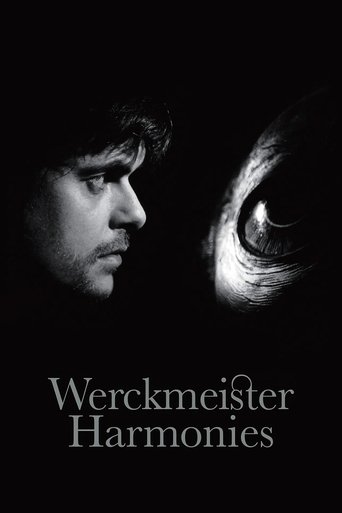 7.8
7.8A naive young man witnesses an escalation of violence in his small hometown following the arrival of a mysterious circus attraction.
Werckmeister Harmonies
2001
 6.9
6.9Set during the fading glory of the Austro-Hungarian empire, the film tells of the rise and fall of Alfred Redl, an ambitious young officer who proceeds up the ladder to become head of the Secret Police only to become ensnared in political deception.
Colonel Redl
1985
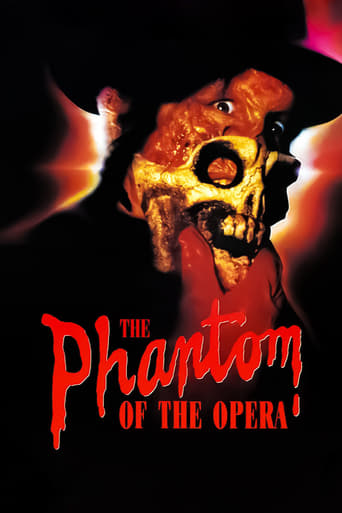 5.7
5.7An aspiring opera singer finds herself transported back to Victorian-era London -- and into the arms of a reclusive, disfigured maestro determined to make her a star.
The Phantom of the Opera
1989
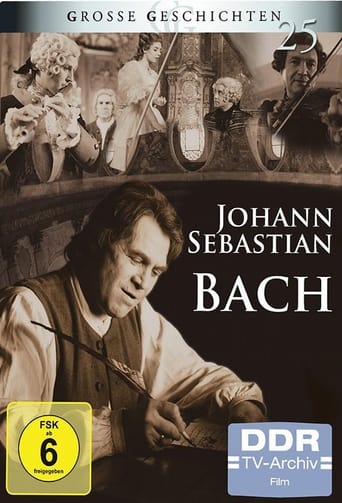 8.5
8.5The series begins with a story from 1717: At the court of Augustus the Strong in Dresden, the French organ virtuoso Louis Marchand was said to have passed away. Convinced of his “unique” abilities, he announced a music competition. Bach was the only competitor to enter.
Johann Sebastian Bach
1985
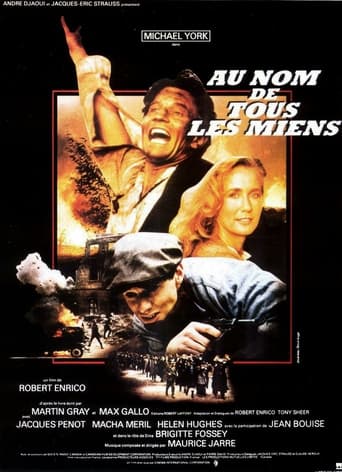 7.0
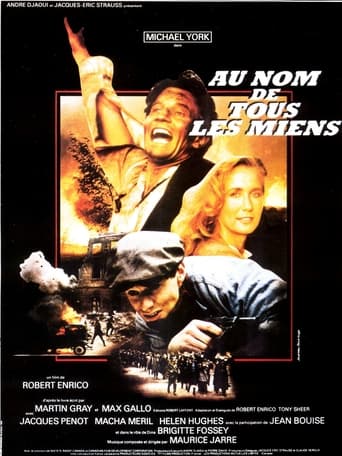
7.0Martin Gray, whose life has been marked by tragedy and who has overcome terrible hardships, has decided to share his story.
Au nom de tous les miens
1985
Film credits
2000s · 2 titles
7.8A naive young man witnesses an escalation of violence in his small hometown following the arrival of a mysterious circus attraction.
Werckmeister Harmonies
2001
 5.5
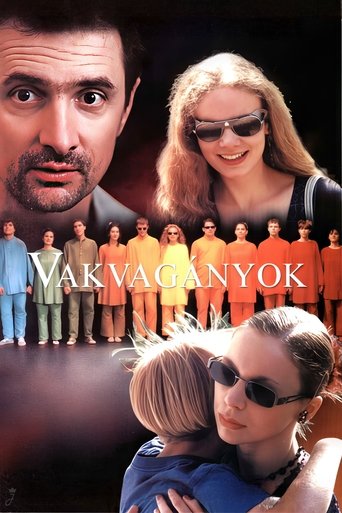
5.5One day, two unsuccessful rock musicians, Ede and Zaki, come across a competition. To commemorate the anniversary of the Institute for the Blind, they have to write a musical piece for the blind. Since there are no other candidates, they get the job. In two nights they put the piece together. However to their great disappointment, they find that they also have to teach the blind kids to perform it, if they want to get the money. Unwillingly they are submerged into the world of the blind; just like the spectator. While Zaki works on the musical in a studio, Ede starts rehearsing with the blind youths. A strange competition starts among the blind girls. They all fall in love with Ede, and the blonde Edith makes up her mind to approach him. But he fails as a director. He has no idea how to handle these people, so he soon gives up. However...
Vakvagányok
2001
1990s · 3 titles
 NR
NRAnyegin arrives home in an abandoned castle for his uncle's funeral. He is a misanthropic, tired, cynical man who has seen it all, tried it all and is tired of what others - including his young neighbour, Lensky - consider the meaning of his life. At Lensky's invitation, he visits the Larin's estate, where he meets Tatiana, a young girl under the spell of books and a fan. Tatiana falls in love with Anegin and confesses her feelings in a letter...
Anyegin
1990
 6.6
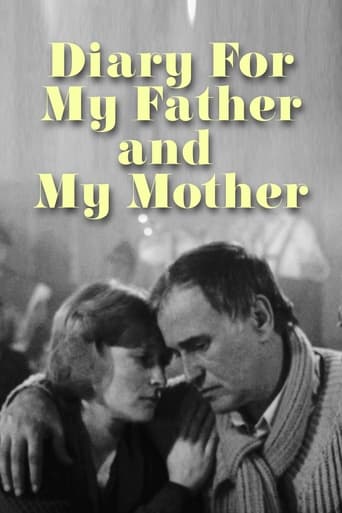
6.6This story follows a young student, who is orphaned as she grows to adulthood in the shadow of the 1956 Hungarian uprising. Coming from the Communist intelligentsia, she sees her friends and family react differently. Her lover, a married factory manager, supports the patriots and later assists fellow workers in staging a strike. Meanwhile her sister and others express anger at being forced from their homes during the revolution and continue to express a hatred for the rebels afterwards. But in the end they realize that for all people, real life is not possible after the revolt and its brutal suppression by the Soviets and their collaborators.
Diary for My Father and My Mother
1990
 6.7
6.7In the 19th century Austro-Hungarian Empire, David Hersko, a Jewish shepherd, witnesses the attack of a young girl. His home is burned down and he finds shelter with the family of a Jewish logger. The loggers find the body of a young woman which they bury, going against local laws. They are charged with her murder and it is believed that they killed her as a ritual murder.
Memories of a River
1990
1980s · 5 titles
6.9Set during the fading glory of the Austro-Hungarian empire, the film tells of the rise and fall of Alfred Redl, an ambitious young officer who proceeds up the ladder to become head of the Secret Police only to become ensnared in political deception.
Colonel Redl
1985
5.7An aspiring opera singer finds herself transported back to Victorian-era London -- and into the arms of a reclusive, disfigured maestro determined to make her a star.
The Phantom of the Opera
1989
 7.0
7.0Polish Martin Gray recalls the Holocaust, New York prosperity, and losing his wife and family.
For Those I Loved
1983
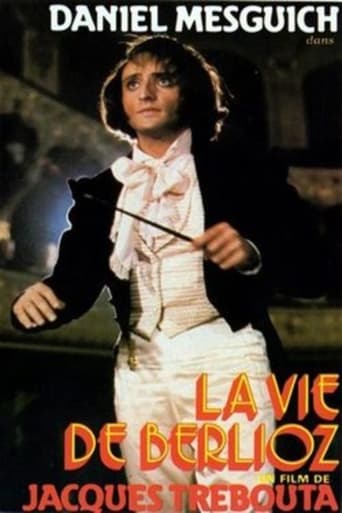 9.0
9.0Miniseries on the life and work of the outstanding composer Hector Berlioz.
La Vie de Berlioz
1983
The story takes place in the Stalinist camps of the 1930s, where the main character, Gleb Nesterov, is trying to escape while they are starving and have no idea who has been captured or why. There is no trace of logic in the camp, although the engineer is obsessed with researching it, as it should be. From one day to the next, Professor Adrián is also captured and interrogated, and they want to extort a confession from him while humiliating him. Moral laws and norms have disappeared here, there is only humiliation, death and starvation.
Yellow Poppies
1989
1970s · 3 titles
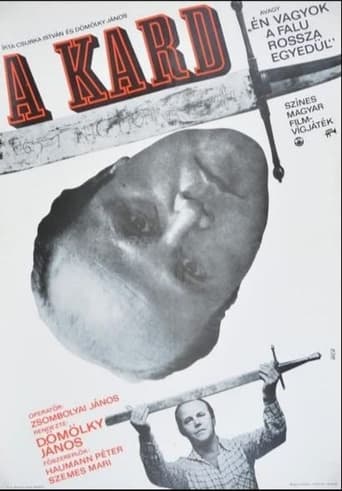 10.0
10.0No synopsis available yet.
The Sword
1977
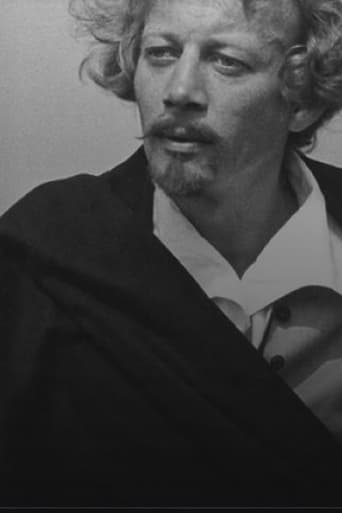 8.0
8.0Eighteen years after the failure of the revolution and freedom fighting 1848-49, the politicians of Hungary preparing for a compromise with Austria try to make use of the symbol of the revolution, the figure of the poet Petőfi Sándor, to their own advantage. They visit all the memorial sites, find the witnesses and recall the famous events. Memories and political intentions conflict with each other, and the circumstances of the poet's death cannot be reconstructed entirely.
The Myth-Makers
1974
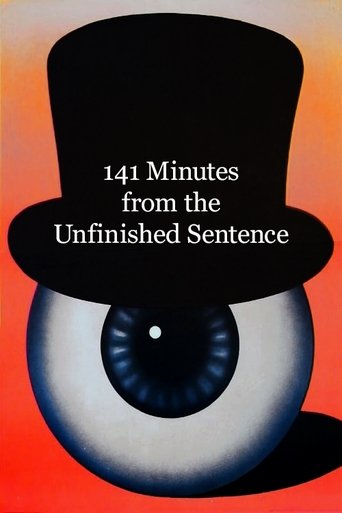 5.5
5.5In 1930s Hungary, budding aristocrat Lőrinc Parcen Nagy undergoes a moral awakening. He abandons his privileged life to join the socialist underground, facing the harsh realities of class struggle and the approach of WWII.
141 Minutes from the Unfinished Sentence
1975
Series credits
Moselbrück is a German television series.
Moselbrück
1987
8.5The series begins with a story from 1717: At the court of Augustus the Strong in Dresden, the French organ virtuoso Louis Marchand was said to have passed away. Convinced of his “unique” abilities, he announced a music competition. Bach was the only competitor to enter.
Johann Sebastian Bach
1985
7.0Martin Gray, whose life has been marked by tragedy and who has overcome terrible hardships, has decided to share his story.
Au nom de tous les miens
1985
 5.5
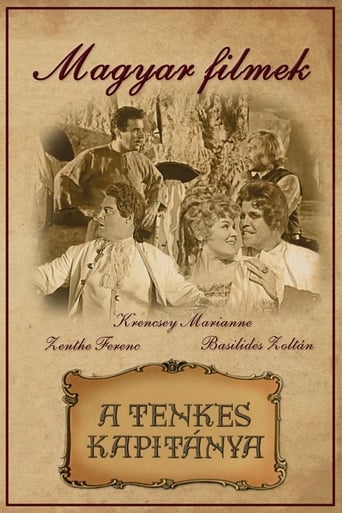
5.5During the Rákóczi's War of Independence in South Baranya, in Vienna, Colonel Eberstein is assigned by the Council of Warriors to dispose of the Kuruc army operating in the vicinity of Siklós.
Captain Tenkes
1964
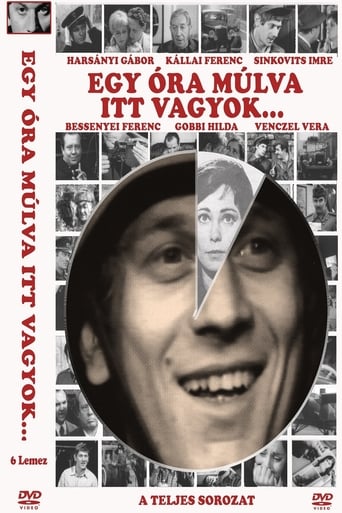 8.0
8.0No synopsis available yet.
Egy óra múlva itt vagyok…
1971
 NR
NRNo synopsis available yet.
Frici, a vállalkozó szellem
1993