Writing
Paul Bowles
Born — Died
1910-12-30 — 1999-11-18
Place of birth
Queens, New York, USA
Known for
Writing
Credits
14 titles
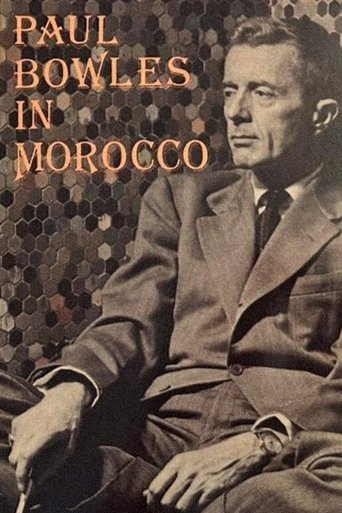
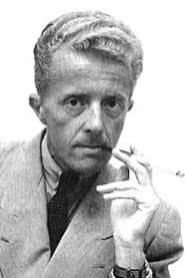
Paul Frederic Bowles (December 30, 1910 – November 18, 1999) was an American expatriate composer, author, and translator. He became associated with the Moroccan city of Tangier, where he settled in 1947 and lived for 52 years to the end of his life. Following a cultured middle-class upbringing in New York City, during which he displayed a talent for music and writing, Bowles pursued his education at the University of Virginia before making several trips to Paris in the 1930s. He studied music with Aaron Copland, and in New York wrote music for theatrical productions, as well as other compositions. He achieved critical and popular success with his first novel The Sheltering Sky (1949), set i…
Known for
 8.5
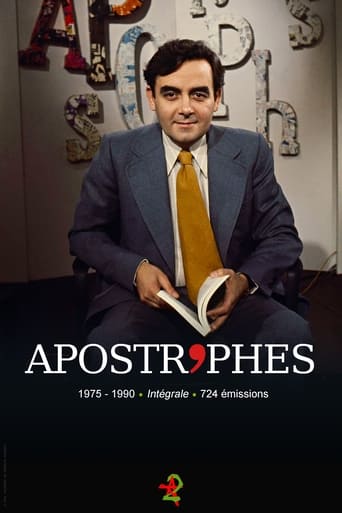
8.5Apostrophes was a live, weekly, literary, prime-time, talk show on French television created and hosted by Bernard Pivot. It ran for fifteen years (724 episodes) from January 10, 1975, to June 22, 1990, and was one of the most watched shows on French television (around 6 million regular viewers). It was broadcast on Friday nights on the channel France 2 (which was called "Antenne 2" from 1975 to 1992). The hourlong show was devoted to books, authors and literature. The format varied between one-on-one interviews with a single author and open discussions between four or five authors.
Apostrophes
1975
 6.5
6.5An American couple drift toward emptiness in postwar North Africa.
The Sheltering Sky
1990
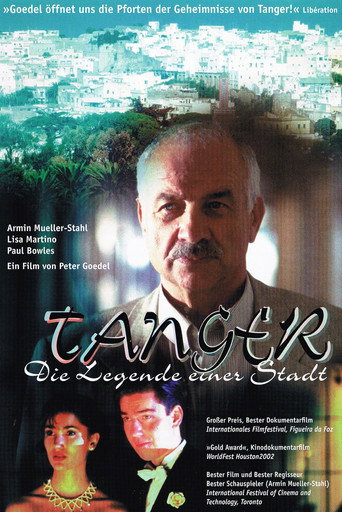 7.0
7.0Tangier, Europe's gateway to Africa, was an international playground for eccentric millionaires, famous artists, crooks, and secret agents in the 1940s and 50s. Interviews with well-known and lesser-known figures from that era are interwoven with historical and contemporary photographs in this essay about the city's golden age. These elements are linked by the story of a former secret diplomat who returns to the city after more than 40 years, haunted by the past and the loss of his former lover.
Tanger - Legende einer Stadt
1999
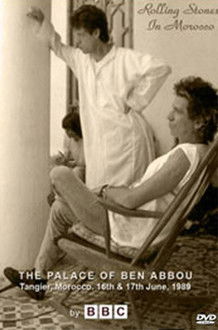 NR
NRThis BBC documentary "The Stones in Morocco" traces their summer 1989 visit to Tangier. A three days stay in the magical northern city of Morocco, to record live sessions with The Master Musicians of Jajouka in Tangier's Palais Ben Abbou, to finish give birth to the "Continental drift" song from the "Steel Wheels" album.
Rolling Stones - in Morocco
1989
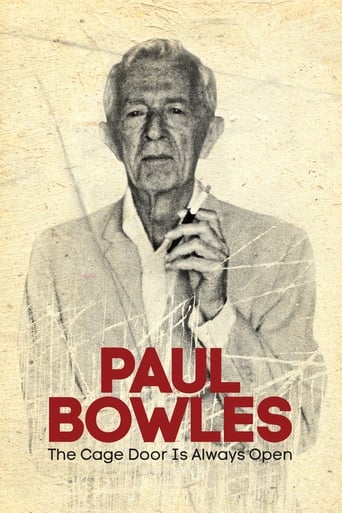 5.0
5.0The American composer and author Paul Bowles was a man with a great deal of charisma and influence. When he moved to Tangier, Morocco, in 1949, half the world followed him to the enigmatic city. His marriage with author Jane Bowles was a loving relationship of opposites, even though both were homosexual. Based on exclusive interviews with Bowles shortly before his death interwoven with anecdotes recounted by his friends and co-workers, the film portrays a daring and visionary life as well as a relationship shaped by an interdependency that encompassed much more than sexuality.
Paul Bowles: The Cage Door Is Always Open
2013
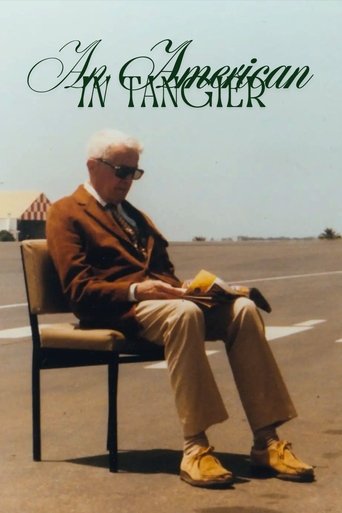 7.0
7.0Made in the sunset years of Paul Bowles’ life, the film sees the eccentric author and composer reminisce on how he ended up in Morocco.
An American in Tangier
1993
Film credits

1990s · 7 titles
6.5An American couple drift toward emptiness in postwar North Africa.
The Sheltering Sky
1990
7.0Tangier, Europe's gateway to Africa, was an international playground for eccentric millionaires, famous artists, crooks, and secret agents in the 1940s and 50s. Interviews with well-known and lesser-known figures from that era are interwoven with historical and contemporary photographs in this essay about the city's golden age. These elements are linked by the story of a former secret diplomat who returns to the city after more than 40 years, haunted by the past and the loss of his former lover.
Tanger - Legende einer Stadt
1999
7.0Made in the sunset years of Paul Bowles’ life, the film sees the eccentric author and composer reminisce on how he ended up in Morocco.
An American in Tangier
1993
 3.6
3.6One of the most enigmatic artists of the 20th century, writer, composer and wanderer Paul Bowles (1910-1999) is profiled by a filmmaker who has been obsessed with his genius since age nineteen. Set against the dramatic landscape of North Africa, the mystery of Bowles (famed author of The Sheltering Sky) begins to unravel in Jennifer Baichwal's poetic and moving Let It Come Down: The Life of Paul Bowles. Rare, candid interviews with the reclusive Bowles--at home in Tangier, as well as in New York during an extraordinary final reunion with Allen Ginsberg and William Burroughs--are intercut with conflicting views of his supporters and detractors. At the time in his mid-eighties, Bowles speaks with unprecedented candor about his work, his controversial private life and his relationships with Gertrude Stein, Tennessee Williams, Truman Capote, the Beats, and his wife and fellow author Jane Bowles.
Let It Come Down: The Life of Paul Bowles
1999
 4.4
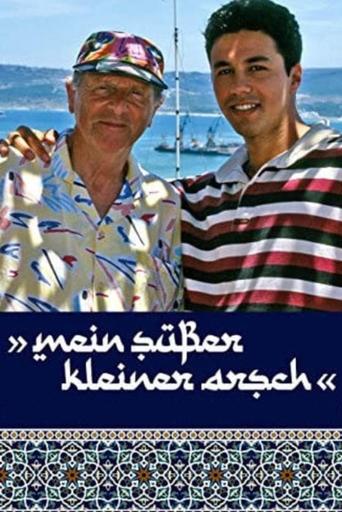
4.4The film's principal character is Jean Neuenschwander, who left his home in French-speaking Switzerland in 1956 for Canada, where he was soon appointed manager of a large luxury hotel in Vancouver. In 1971, he bought a house in Tangiers where he settled down a few years later, at the age of 51, for a cosy and opulent retirement. “My Sweet Little Ass” is the account of his personal life, which Jean Neuenschwander clearly takes delight in recounting. He is a likeable hedonist who manages his affairs and his pleasures with considerable skill. From this somewhat comfortable existence, Simon Bischoff subtly extracts a group portrait of the homosexual subculture of Tangiers, which for some has the power of myth, particulary when frequented by characters such as Paul Bowles.
My Sweet Little Ass
1998
 10.0
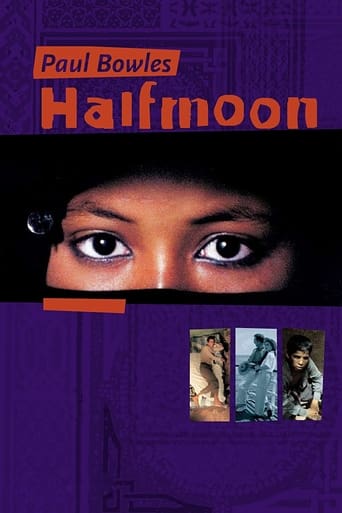
10.0Three short films based on short stories by expatriate American novelist Paul Bowles capture the sense of loss and alienation so common in his works. "Merkala Beach" follows the dissolution of a friendship after a pretty face enters the picture; "Call at Corazon" traces a newlywed couple's challenges while cruising up the Amazon River; and "Allal" chronicles the extraordinary transformation of an Indian boy who befriends a cobra.
Paul Bowles: Half Moon
1995
 5.0
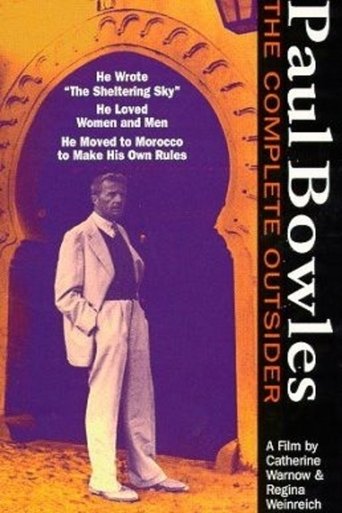
5.0This documentary chronicles the life of expatriate writer Paul Bowles through archival footage, photos and interviews with the author, who talks about his writing, his friendships with artists such as Tennessee Williams and Aaron Copland and more. Shot in Tangier, Morocco (Bowles's long time home), this revealing portrait sketches out Bowles's rebellious life story, including his love relationships with men and women, his drug use and his music.
Paul Bowles: The Complete Outsider
1994