
Production
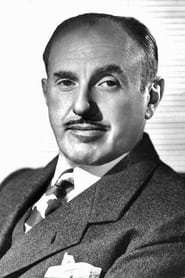
Jack L. Warner
Born — Died
1892-08-02 — 1978-09-09
Place of birth
London, Ontario, Canada
Known for
Production
Credits
53 titles
From Wikipedia, the free encyclopedia Jack Leonard "J. L." Warner (August 2, 1892 – September 9, 1978), born Jacob Warner in London, Ontario, was a Canadian-American film executive who was the president and driving force behind the Warner Bros. Studios in Burbank, California. Warner's career spanned some 45 years, its duration surpassing that of any other of the seminal Hollywood studio moguls. As co-head of production at Warner Bros. Studios, he worked with his brother, Sam Warner, to procure the technology for the film industry's first talking picture. After Sam's death, Jack clashed with his surviving older brothers, Harry and Albert Warner. He assumed exclusive control of the film prod…
Known for
 7.1
7.1An annual American awards ceremony honoring cinematic achievements in the film industry. The various category winners are awarded a copy of a statuette, officially the Academy Award of Merit, that is better known by its nickname Oscar.
The Oscars
1953
 7.5
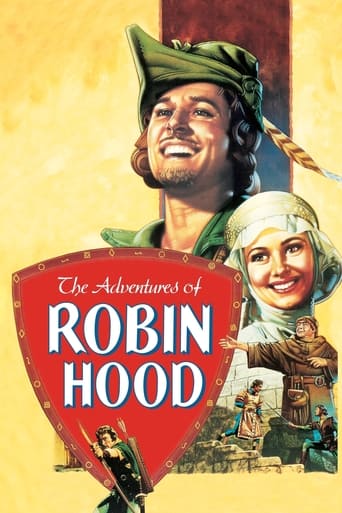
7.5Robin Hood fights nobly for justice against the evil Sir Guy of Gisbourne while striving to win the hand of the beautiful Maid Marian.
The Adventures of Robin Hood
1938
 7.5
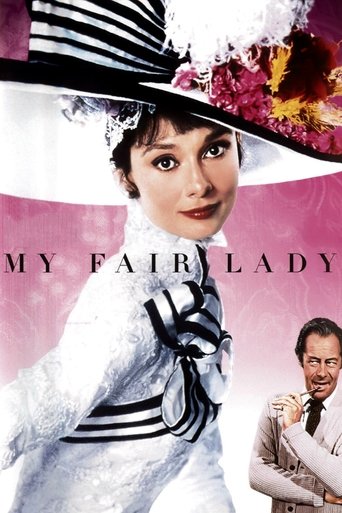
7.5A snobbish phonetics professor agrees to a wager that he can take a flower girl and make her presentable in high society.
My Fair Lady
1964
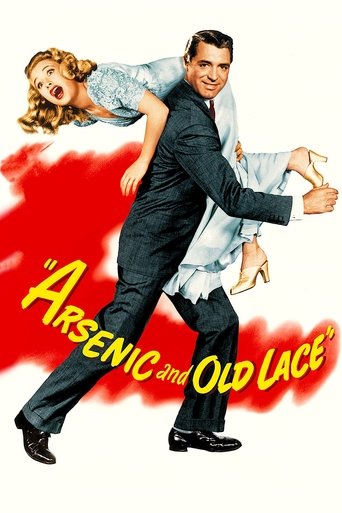 7.6
7.6Mortimer Brewster, a newspaper drama critic, playwright, and author known for his diatribes against marriage, suddenly falls in love and gets married; but when he makes a quick trip home to tell his two maiden aunts, he finds out his aunts' hobby - killing lonely old men and burying them in the cellar!
Arsenic and Old Lace
1944
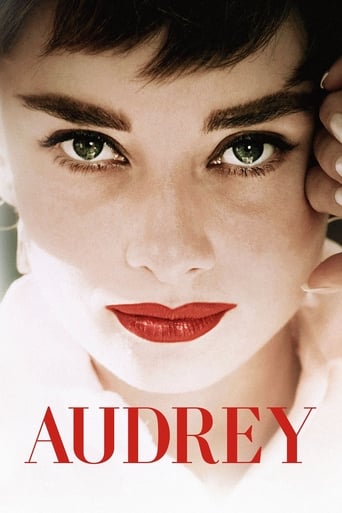 7.1
7.1An unprecedented and intimate look at the life, work and enduring legacy of British actress Audrey Hepburn (1929-1993).
Audrey
2020
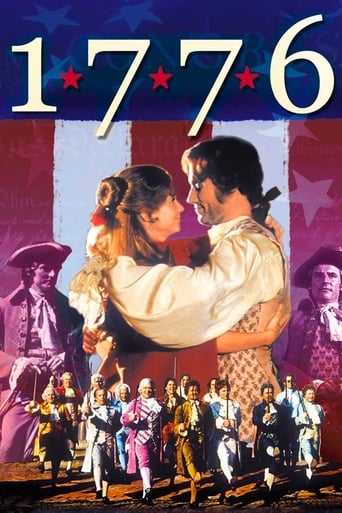 6.9
6.9Colonial representatives gather in Philadelphia with the aim of establishing a set of governmental rules for the burgeoning United States. Benjamin Franklin and John Adams charge Thomas Jefferson with the task of writing a statement announcing the new country's emancipation from British rule.
1776
1972
Film credits
2020s · 1 titles
2010s · 2 titles
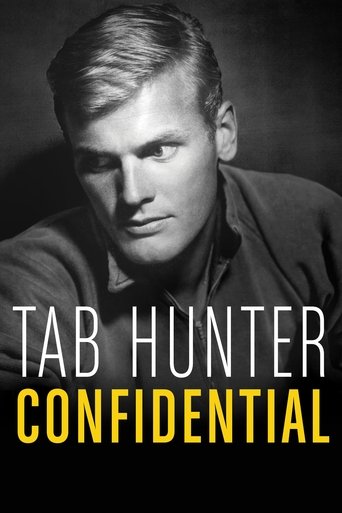 7.2
7.2Throughout the 1950s, Tab Hunter reigned as Hollywood’s ultimate male heartthrob. But throughout his years of stardom, Tab had a secret. Tab Hunter was gay, and spent his Hollywood years in a precarious closet that repeatedly threatened to implode and destroy him. Tab Hunter himself shares first hand, for the first time, what it was like to be a studio manufactured movie star during the Golden Age of Hollywood and the consequences of being someone totally different from his studio manufactured image.
Tab Hunter Confidential
2015
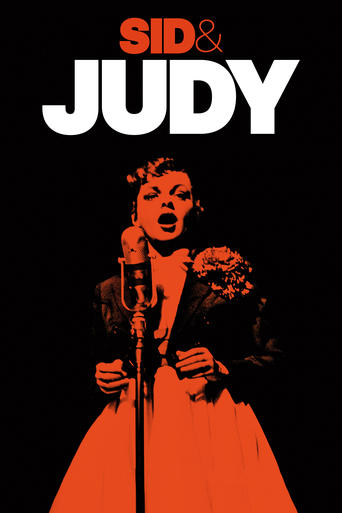 7.4
7.4Explore the dramatic career and personal struggles of the talented and tragically short-lived entertainer Judy Garland through rare concert footage, never-heard-before voice recordings and personal photos.
Sid & Judy
2019
2000s · 6 titles
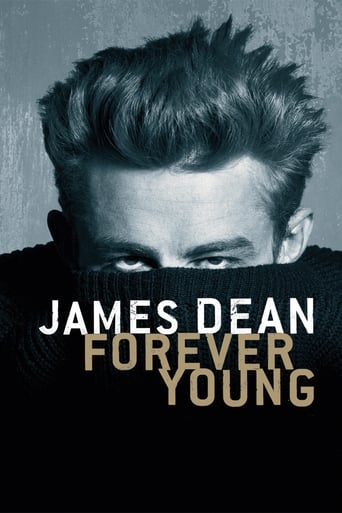 5.9
5.9A brief career. A timeless stardom. In just three major movie roles, James Dean became an icon for the ages. Now his legacy shines even brighter thanks to this fascinating film that, filled with an astonishing treasure trove of newfound or rare glimpses of Dean's TV performances, is like a road map to his meteoric success. Michael J. Sheridan directs and Martin Sheen narrates this revealing documentary showcased at the 2005 Cannes Film Festival. Movie clips, romances, photos that are part of our national DNA (and the stories behind them), and the small-screen work that paved the way to the big screen are all part of the James Dean you couldn't see until now. Forever young. Endlessly fascinating.
James Dean: Forever Young
2005
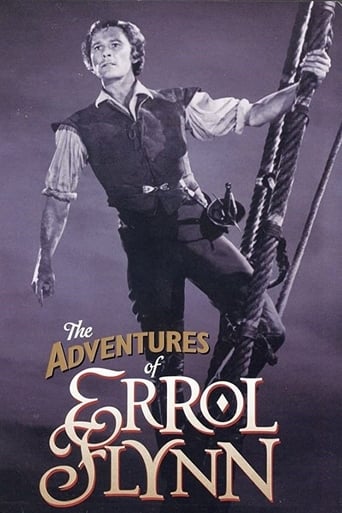 7.7
7.7A documentary about the life of Errol Flynn, with recollections from friends and family.
The Adventures of Errol Flynn
2005
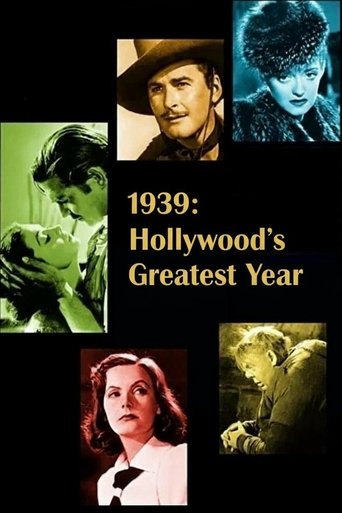 7.5
7.5This documentary focuses on 1939, considered to be Hollywood's greatest year, with film clips and insight into what made the year so special.
1939: Hollywood's Greatest Year
2009
 6.7
6.7Combining unprecedented access to Davis' vast personal archives with original interviews, this documentary reveals a startling portrait of one of Hollywood's most gifted and enigmatic stars.
Stardust: The Bette Davis Story
2006
 7.4
7.4An overview of the making of John Huston's 1948 classic "The Treasure of the Sierra Madre."
Discovering Treasure: The Story of 'The Treasure of the Sierra Madre'
2003
 6.0
6.0Making-of documentary about the 1933 musical, 42nd Street.
42nd Street: From Book to Screen to Stage
2006
1990s · 2 titles
 8.0
8.0Based on the first centenary of the largest exporter of films in the world, that is Hollywood, is the story told by its protagonists, actors and writers and other people who made life in this business, interspersing images of famous movies.
The First 100 Years: A Celebration of American Movies
1995
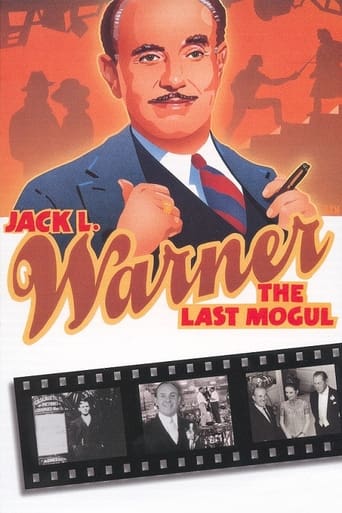 6.7
6.7An insider's account of Jack Warner, a founding father of the American film industry. This feature length documentary provides the rags to riches story of the man whose studio - Warner Bros - created many of Hollywood's most classic films. Includes extensive interviews with family members and friends, film clips, rare home movies and unique location footage.
Jack L. Warner: The Last Mogul
1993
1950s · 2 titles
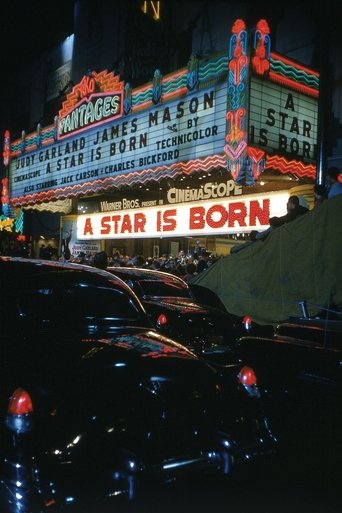 8.0
8.0A live television broadcast covering the world premiere of A Star Is Born, capturing the arrivals, spectacle, and excitement surrounding one of Hollywood’s most lavish premiere events.
A Star Is Born World Premiere
1954
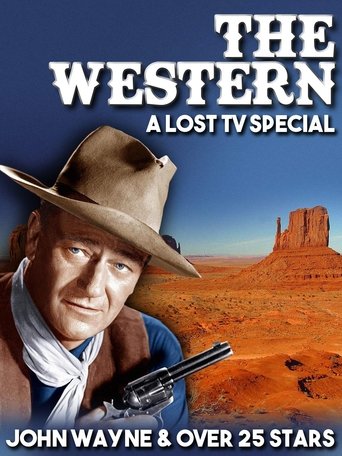 NR
NRA 1958 TV special celebrating westerns featuring John Wayne, John Ford, Gary Cooper, Gene Autry, Gabby Hayes and more.
The Western: A Lost TV Special
1958
1940s · 4 titles
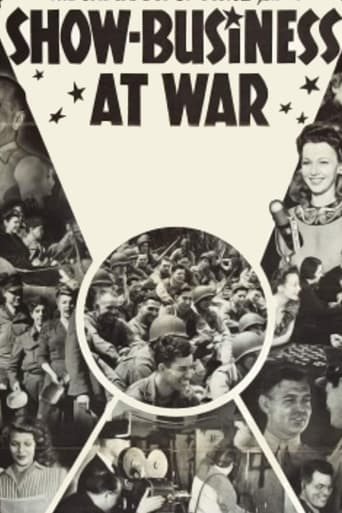 7.0
7.0A multi-studio effort to show the newsreel audience the progress of the Hollywood war effort.
Show-Business at War
1943
 6.3
6.3This 1940 presentation features highlights of earlier (1928 onward) Oscar ceremonies including Shirley Temple and Walt Disney, plus acceptance speeches for films released in 1939 with recipients and presenters including Vivien Leigh, Judy Garland, Hattie McDaniel and more, with host Bob Hope.
Cavalcade of the Academy Awards
1940
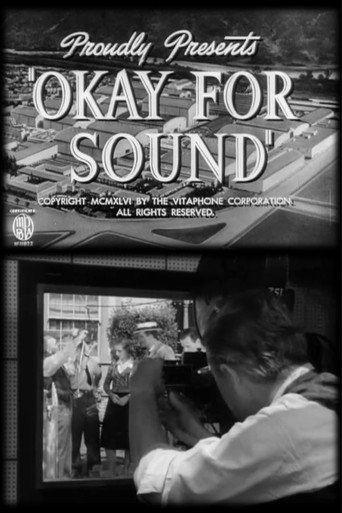 6.7
6.7This short was released in connection with the 20th anniversary of Warner Brothers' first exhibition of the Vitaphone sound-on-film process on 6 August 1926. The film highlights Thomas A. Edison and Alexander Graham Bell's efforts that contributed to sound movies and acknowledges the work of Lee De Forest. Brief excerpts from the August 1926 exhibition follow. Clips are then shown from a number of Warner Brothers features, four from the 1920s, the remainder from 1946/47.
Okay for Sound
1946
 6.0
6.0This short traces the history of sound in the movies, beginning with French scientist Leon Scott's experiments in 1857. Featured are snippets from early sound pictures.
The Voice That Thrilled the World
1943
1930s · 2 titles
 6.2
6.2A promotional short to hype the production of A Midsummer Night's Dream (1935).
A Dream Comes True
1935
 5.6
5.6As part of a publicity campaign for the film 42nd Street (1933), Warner Bros. Pictures, with the assistance of the General Electric Corporation, assembled a 7-car gold- and silver-plated train they called "The 42nd. Street Special". With numerous Warner Bros. contract stars as passengers, the train made a tour across the USA. It was scheduled to make stops in more than 100 cities, ending in Washington, D.C. for the March 1933 inauguration of Franklin D. Roosevelt. This short film records the send-off for this trip from Los Angeles' Santa Fe Station. Using a microphone set up on the rear platform of the last car, several people addressed the crowd attending the event. Those making remarks include performers, studio executives, and the mayor of Los Angeles.
The 42nd Street Special
1933
Series credits
Behind the camera
7.5Robin Hood fights nobly for justice against the evil Sir Guy of Gisbourne while striving to win the hand of the beautiful Maid Marian.
The Adventures of Robin Hood
1938
7.5A snobbish phonetics professor agrees to a wager that he can take a flower girl and make her presentable in high society.
My Fair Lady
1964
7.6Mortimer Brewster, a newspaper drama critic, playwright, and author known for his diatribes against marriage, suddenly falls in love and gets married; but when he makes a quick trip home to tell his two maiden aunts, he finds out his aunts' hobby - killing lonely old men and burying them in the cellar!
Arsenic and Old Lace
1944
6.9Colonial representatives gather in Philadelphia with the aim of establishing a set of governmental rules for the burgeoning United States. Benjamin Franklin and John Adams charge Thomas Jefferson with the task of writing a statement announcing the new country's emancipation from British rule.
1776
1972
 7.2
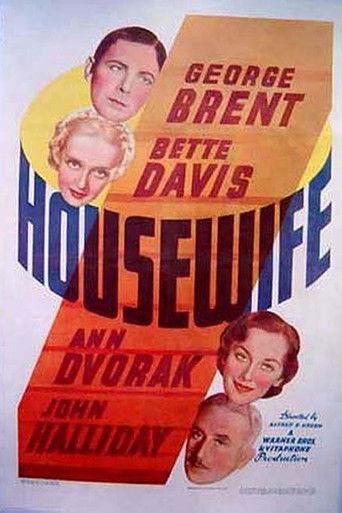
7.2Nan Reynolds encourages her copywriter husband Bill to open his own advertising agency and helps him land his first client. Bill's former girlfriend Patricia Berkeley writes a very successful commercial for the client and heats up their old romance. Wife and girlfriend struggle over Bill.
Housewife
1934
 7.2
7.2When all Broadway shows are shut down during the Depression, a trio of desperate showgirls scheme to bilk a repugnant high society man of his money to keep their show going.
Gold Diggers of 1933
1933
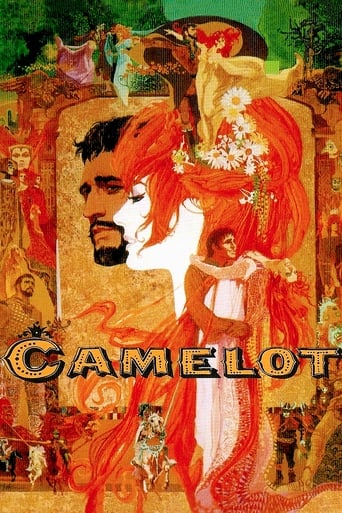 6.2
6.2The plot of his illegitimate son Mordred to gain the throne, and Guinevere's growing attachment to Sir Lancelot, threatens to topple King Arthur and destroy his "round table" of knights.
Camelot
1967
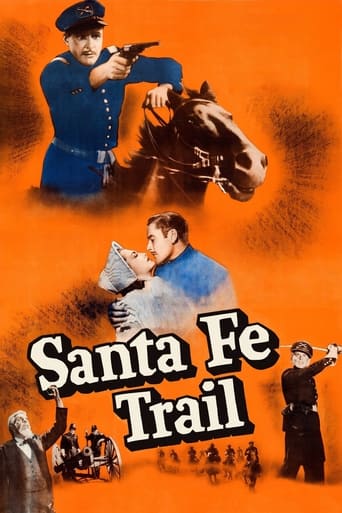 5.7
5.7As a penalty for fighting fellow classmates days before graduating from West Point, J.E.B. Stuart, George Armstrong Custer and four friends are assigned to the 2nd Cavalry, stationed at Fort Leavenworth. While there they aid in the capture and execution of the abolitionist, John Brown following the Battle of Harper's Ferry.
Santa Fe Trail
1940
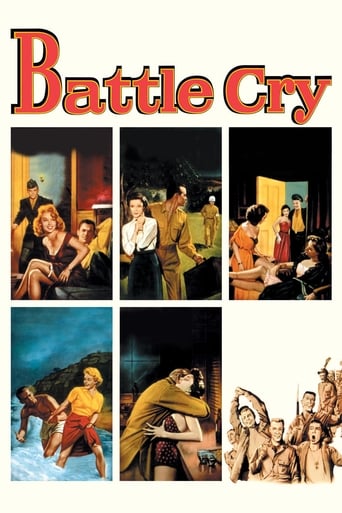 5.8
5.8The dramatic story of US Marines in training, in combat, and in love, during World War II. The story centers on a major who guides the raw recruits from their training to combat.
Battle Cry
1955
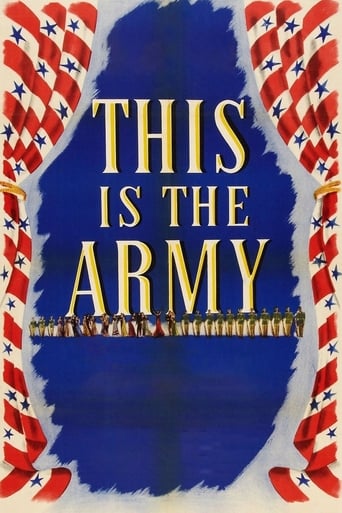 5.7
5.7In WW I dancer Jerry Jones stages an all-soldier show on Broadway, called Yip Yip Yaphank. Wounded in the War, he becomes a producer. In WW II his son Johnny Jones, who was before his fathers assistant, gets the order to stage a knew all-soldier show, called THIS IS THE ARMY. But in his pesonal life he has problems, because he refuses to marry his fiancée until the war is over.
This Is the Army
1943
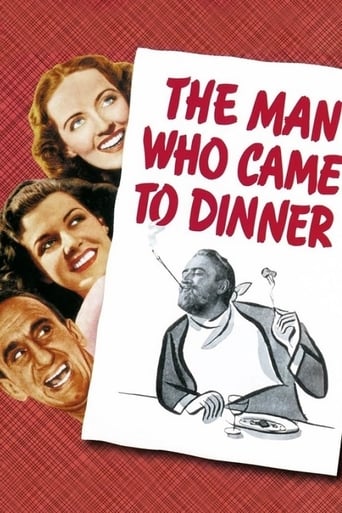 7.1
7.1An acerbic critic wreaks havoc when a hip injury forces him to move in indefinitely with a Midwestern family.
The Man Who Came to Dinner
1941
 5.2
5.2Prime Minister of Great Britain Benjamin Disraeli outwits the subterfuge of the Russians and chicanery at home in order to secure the purchase of the Suez Canal.
Disraeli
1929
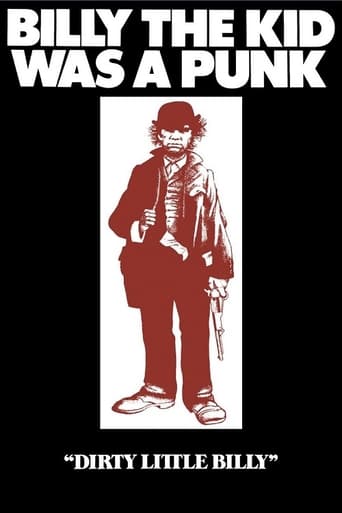 5.1
5.1Clearly influenced by the darker, more sinister style of spaghetti westerns, Dirty Little Billy offers a unique insight into the beginnings of the notorious outlaw Billy The Kid.
Dirty Little Billy
1972
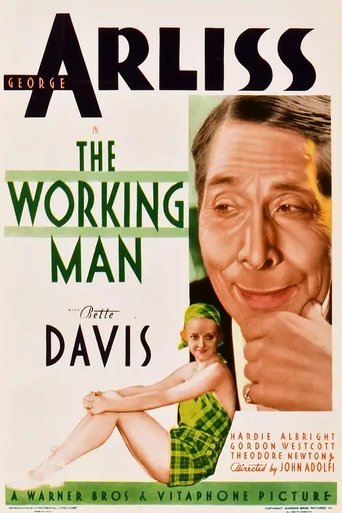 6.5
6.5A successful shoe manufacturer named John Reeves goes on vacation and meets the grown children of his recently deceased and much-respected competitor; they're on the verge of losing the family legacy through their careless behavior. Reeves takes it upon himself to save his rival's company by teaching the heirs a lesson in business.
The Working Man
1933
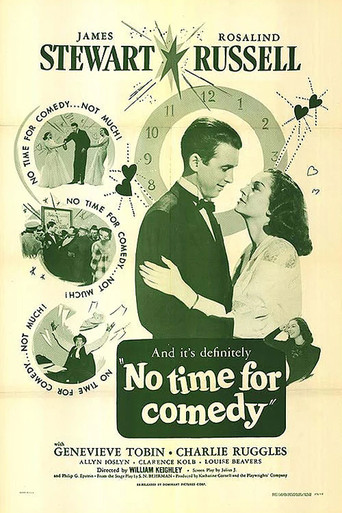 5.4
5.4An aspiring playwright finds himself an overnight Broadway success.
No Time for Comedy
1940
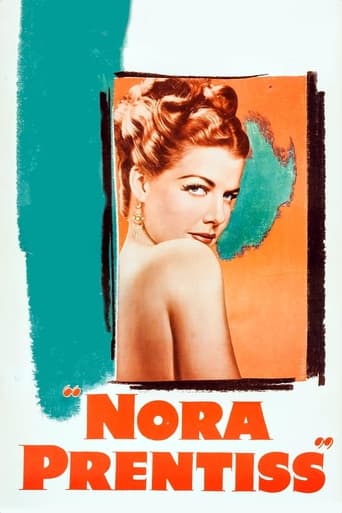 6.3
6.3Quiet, organised Dr. Talbot meets nightclub singer Nora Prentiss when she is slightly hurt in a street accident. Despite her misgivings, they become heavily involved, and Talbot finds himself faced with the choice of leaving Nora or divorcing his wife. When a patient expires in his office, a third option seems to present itself.
Nora Prentiss
1947
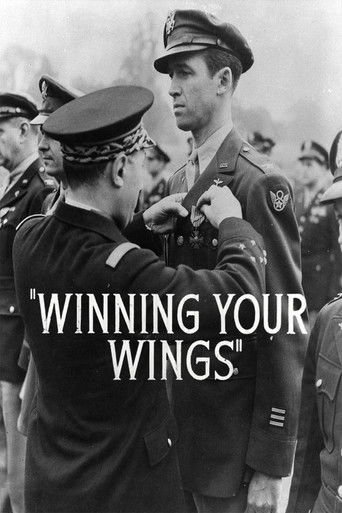 6.0
6.0Winning Your Wings is a 1942 short American World War II recruitment film produced by Warner Bros. Studios for the US Army Air Forces, starring Jimmy Stewart. It was aimed at young men who were thinking about joining the Air Force.
Winning Your Wings
1942
 5.8
5.8A farmer's widow takes on the land and her late husband's tempestuous son.
So Big!
1932
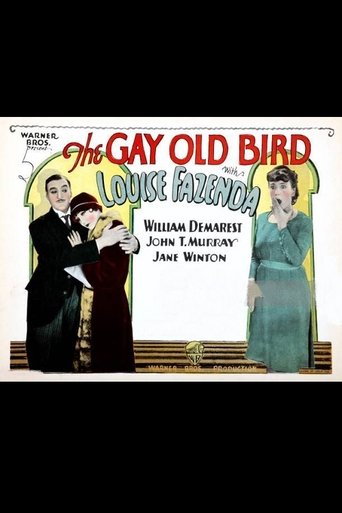 8.0
8.0A maid is forced to take the place of the lady of the house when she is temporarily incapacitated.
The Gay Old Bird
1927
 4.0
4.0Documentary short film intended to drum up support for the Fifth War Loan Campaign. It shows a happy family in the future of 1960 enjoying the prosperity and advantages made possible by the successful prosecution of the war, and how the sacrifices of 1944 have made the world a better place.
The Shining Future
1944
 10.0
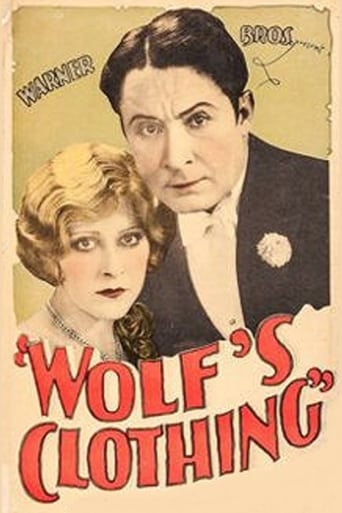
10.0Barry Baline, a guard at a subway station, has worked at his job for six years without a day off. One New Year's Eve he's told that he won't be needed until the next morning, so he decides to go out for a night on the town. As it turns out, however, his "celebrating" is short-lived--he is knocked down by a large, luxurious car driven by a man wearing expensive evening clothes. Complications ensue.
Wolf's Clothing
1927
 9.0
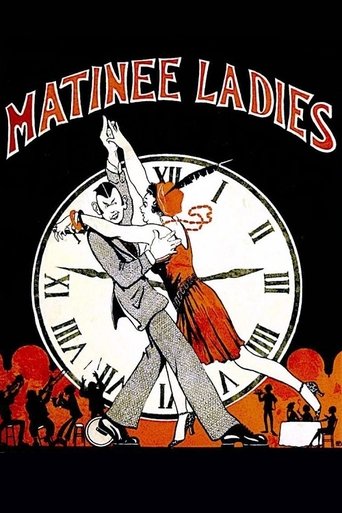
9.0Law student Bob Ward, short on money, takes a job as a "dancing companion" at a roadhouse, where most of his clients are women looking for a little excitement outside their marriage. He falls in love with Sallie Smith, a cigarette girl at the roadhouse, but wealthy young wastrel Tom Mannion also has his eyes on Sallie. Tom persuades her to attend a party on his yacht, and since Sallie has had a fight with Bob over his job, she accepts. Complications ensue.
Matinee Ladies
1927
 8.0
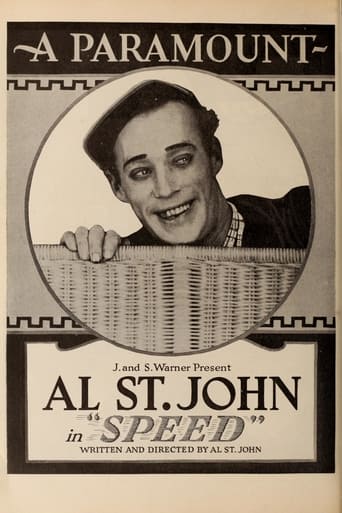
8.0No synopsis available yet.
Speed
1919
 6.0
6.0A group of strangers find themselves aboard an unmanned ship, surrounded by fog and uncertain of their destination. As they attempt to make sense of their situation, the group of passengers discover a commonality that changes their perception of the nature of their journey. The film was later remade, with some changes, as Between Two Worlds (1944).
Outward Bound
1930
 8.0
8.0A young girl and her two brothers are sent to a children's home after their older brother, who is the only one supporting them, winds up in jail.
What Every Girl Should Know
1927
 NR
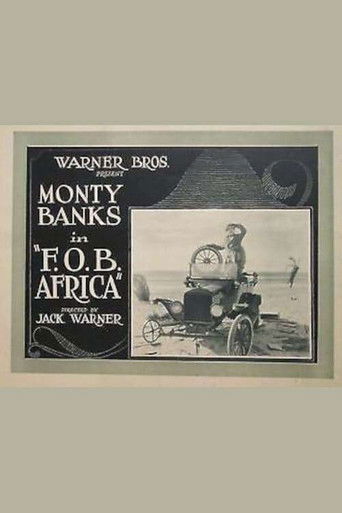
NRMonty Banks becomes a car salesman and is shifted to Africa to sell one to King Obogeegee.
Africa F.O.B.
1925
 10.0
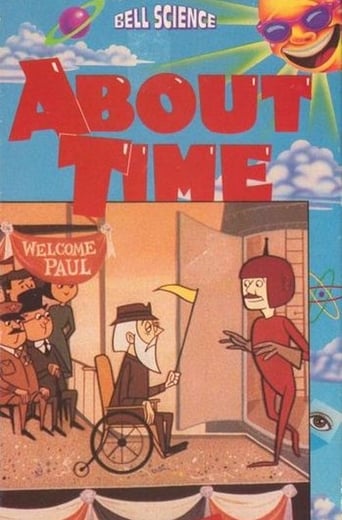
10.0An entry in the Bell Science animated film series, on the nature of time.
About Time
1962
Monty is the driver of a delivery wagon for a cleaning and dyeing establishment, romps with a Ford and gets himself into many ridiculous scrapes.
Cleaned and Dry
1921
 7.0
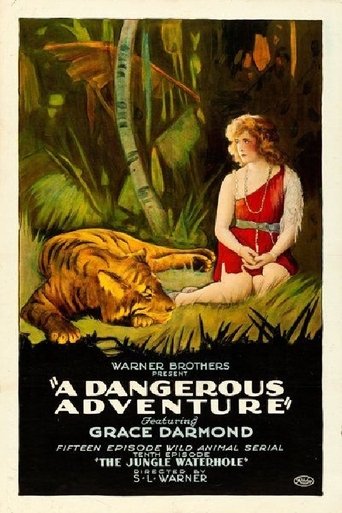
7.0Grace Darmond, who had made quite a splash in the 1921 (and still extant) serial The Hope Diamond Mystery, returned to the Saturday matinees as Marjorie Stanton, the treasure-hunting damsel-in-distress of A Dangerous Adventure, produced in 15 chapters and directed by two of the Warner Brothers, Sam and Jack L. Warner. Marjorie and her sister Edith (Derelys Perdue) accompany their uncle (Jack Richardson) on a treasure hunt to Darkest Africa, where the latter fiendishly attempts to sell Marjorie to Ubanga (Rex de Roselli), the local High Priest. Happily, also along for the ride is handsome MacDonald Hayden (Philo McCullough), a wild game hunter who rescues both girls from several fates worse than death.
A Dangerous Adventure
1922
 4.4
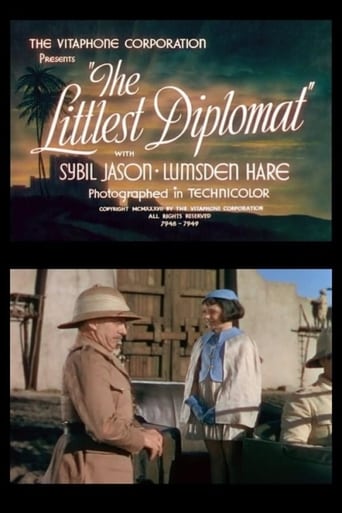
4.4Young Sybil visits her grandfather, a British Colonel stationed at a garrison in India, and she helps negotiate a diplomatic truce between him and the local natives.
The Littlest Diplomat
1937