

Directing
Ansis Epners
Born — Died
1937-10-26 — 2003-04-02
Place of birth
Latvia
Known for
Directing
Credits
42 titles
Ansis Epners was a Latvian documentarian. He made more than sixty films, of which a number received the Latvian Film Festival's Lielais Kristaps award.
Known for
 8.0
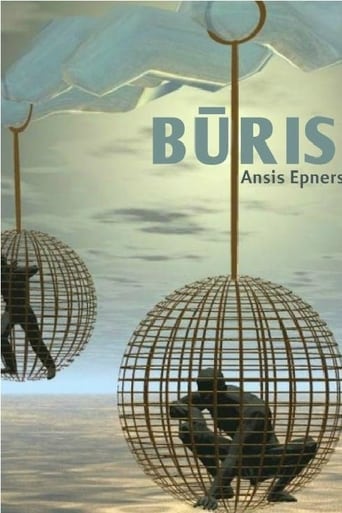
Edmunds Berzs is an architect who has achieved a comfortable life, but this causes him unease, so he decides to go to the country house where his mother lives. There he wakes up to find himself locked in a cage in the middle of the forest. Edmunds, paradoxically, finds the tranquility he was looking for.
The Cage
1993
 NR
A meditation on Henrik Ibsen's plays "Brand" and "Peer Gynt".
Ibsen's Motif
1984
The story of the famous Latvian basketball team "TTT" from the lips of the team's long-time captain.
Confession
1973
 NR
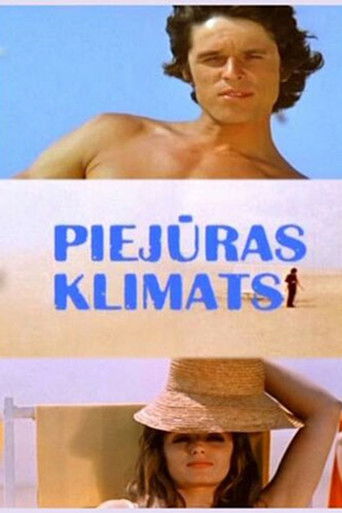
The colourful musical comedy Maritime Climates could have been a triumph of smart political satire – if people in positions of power hadn’t got worried by the rushes they saw, which lead them to terminate the production. In 1992, Rolands Kalniņš made this edit of the remaining material – an elegy to lost hopes and illusions.
Maritime Climates
1974
A look at mass physical education events, competitions and sports festivals in Latvia, such as orienteering, cycling, running and other activities with a special emphasis on integrated musical numbers.
Go There, Bring It
1987
 NR
A portrait of the prominent Latvian painter Maija Tabaka, showcasing her work process and life of artists from that time.
Tales
1976
Film credits
Behind the camera
8.0Edmunds Berzs is an architect who has achieved a comfortable life, but this causes him unease, so he decides to go to the country house where his mother lives. There he wakes up to find himself locked in a cage in the middle of the forest. Edmunds, paradoxically, finds the tranquility he was looking for.
The Cage
1993
NRA meditation on Henrik Ibsen's plays "Brand" and "Peer Gynt".
Ibsen's Motif
1984
The story of the famous Latvian basketball team "TTT" from the lips of the team's long-time captain.
Confession
1973
A look at mass physical education events, competitions and sports festivals in Latvia, such as orienteering, cycling, running and other activities with a special emphasis on integrated musical numbers.
Go There, Bring It
1987
NRA portrait of the prominent Latvian painter Maija Tabaka, showcasing her work process and life of artists from that time.
Tales
1976
NRA portrait of the prominent Latvian painter Maija Tabaka, showcasing her work process and life of artists from that time.
Tales
1976
 NR
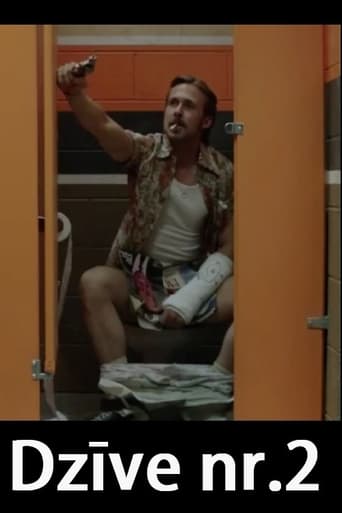
An omnibus film consisting of ten parts, each directed by a different young director from the Latvian Academy of Culture. The unifying element of the ten shorts is the place where they take place - the airport. A lot can happen there - including a strike by a comet, a malicious attempt to break havoc by passengers, or an exploration of the old airport guard's house where not a lot has changed since the collapse of the Soviet Union. The film consists of the following parts: A Mishap (Nediena) by Arta Biseniece, Blurp (Šļurp) by Aija Bley, Alien Sky (Svešās debesis) by Viesturs Kairišs, 5 Versions (5 versijas) by Dzintars Krūmiņš, Comet (Komēta) by Māra Liniņa, Cleptomania (Kleptomānija) by Andis Mizišs, Alfredo's Poetry (Alfredo dzeja) by Igors Varenieks, Little Hand (Mazā roka) by Ilze Vidauska, Comet 2 (Komēta 2) by Anna Viduleja, and Life No. 2 (Dzīve nr.2) by Kristīne Želve.
Latavio, or Life Nr. 2
1997
Patients under the influence of alcohol, doctors, blood, and Mozart’s Eine kleine Nachtmusik – there are mini-dramas taking place in a trauma center where intoxicated individuals are brought in.
Haemogram
1983
Patients under the influence of alcohol, doctors, blood, and Mozart’s Eine kleine Nachtmusik – there are mini-dramas taking place in a trauma center where intoxicated individuals are brought in.
Haemogram
1983
 NR
The 1985 Song Festival performance highlights the expressions of the chief conductors at various stages of the event, allowing us to experience the emotional nuances through the perfect combination of visuals and soundtrack, without any behind-the-scenes commentary.
Conductors
1985
NRThe 1985 Song Festival performance highlights the expressions of the chief conductors at various stages of the event, allowing us to experience the emotional nuances through the perfect combination of visuals and soundtrack, without any behind-the-scenes commentary.
Conductors
1985
A dynamic, emotional film about sports and the fellowship of athletes from different countries, joining their forces in the fight for peace. The film was shot during the Goodwill Games in 1986 in Moscow.
Goodwill Games
1986
A dynamic, emotional film about sports and the fellowship of athletes from different countries, joining their forces in the fight for peace. The film was shot during the Goodwill Games in 1986 in Moscow.
Goodwill Games
1986
 NR
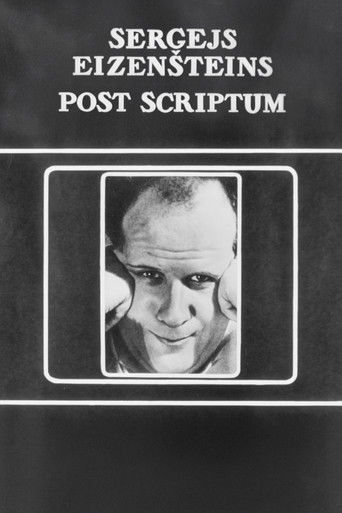
A reflective documentary on the life and legacy of Sergei Eisenstein, examining his films and the era in which he worked. Conceived as a companion to "Sergei Eisenstein. Foreword," the film serves as a concluding meditation on the great director’s influence.
Sergei Eisenstein. Post Scriptum
1978
NRA reflective documentary on the life and legacy of Sergei Eisenstein, examining his films and the era in which he worked. Conceived as a companion to "Sergei Eisenstein. Foreword," the film serves as a concluding meditation on the great director’s influence.
Sergei Eisenstein. Post Scriptum
1978
 NR
Reflections on the moral values that develop in a person during school years. The author tells about his former school in Mazsalaca.
Echo
1983
NRReflections on the moral values that develop in a person during school years. The author tells about his former school in Mazsalaca.
Echo
1983
Each one of us is like a comet - a piece of something big and beautiful, like a ball in motion! But in the life of a comet there are two great dares - the dare to separate from the rest of the mass and the dare to venture into the unknown. It is only through movement and ignorance that the comet is free.
Komēta 2. Dzīve nr.2
1997
The daily life of the students at the Riga Choreography School consists of physically demanding training, where young people of various ages are working towards the goal of becoming professional dancers.
Little Birds
1973
Newsreel edition with stories about archery competition and marathons in running, cycling and car sports, using the form of personal narrative behind the scenes.
Sports Review, N. 3
1969
About Māris Grīva, the coach of Dainis Kūla, the Olympic champion in javelin throwing, who trains young javelin throwers in Ventspils.
Krustsolis
1981
About Māris Grīva, the coach of Dainis Kūla, the Olympic champion in javelin throwing, who trains young javelin throwers in Ventspils.
Krustsolis
1981
 NR
The film explores and attempts to decipher the complex ornaments encoded in the traditional folk costume accessory, Lielvārde’s belt, drawing parallels with ancient cultures in Japan, China, Egypt, and elsewhere.
The Belt of Lielvārde
1980
A film about the outstanding chess player and world champion Mikhail Tal. The director, in collaboration with the cinematographer, has discovered a technique for showing not only the psychological portrait of the film's protagonist, but also the movement of his thoughts and the passage of time.
Mihails Tāls. Pēc divdesmit gadiem
1980
 NR
Four young men after university are sent to work as managers in a collective (kolkhoz). The film is about how these people try to achieve something better in the Soviet system.
Four Search for a Million
1979
NRFour young men after university are sent to work as managers in a collective (kolkhoz). The film is about how these people try to achieve something better in the Soviet system.
Four Search for a Million
1979
 NR
Film dedicated to Latvian refugees scattered around the world by World War II.
I Am Latvian
1990
A journey through time and space, accompanied by a 17th century guide, presenting a colorful array of unique material – the symbols of Riga, historical buildings, city administration issues – creating a detailed overview of Riga's history through the centuries. The film is a gift – a video book for the city's 800th anniversary celebrations, and it is an appendix to the joint work of the Riga History and Navigation Museum and SIA "Rīgas nami" – the book "Riga Administration in Eight Centuries."
R-ī-g-a (Rīgas pārvalde astoņos gadsimtos)
2001
 NR
A history teacher returns to the scene with his students and reenacts what happened in 1941, when he was the only one of the 178 people sentenced to be shot who managed to escape and stay alive.
Alive
1970
NRA history teacher returns to the scene with his students and reenacts what happened in 1941, when he was the only one of the 178 people sentenced to be shot who managed to escape and stay alive.
Alive
1970
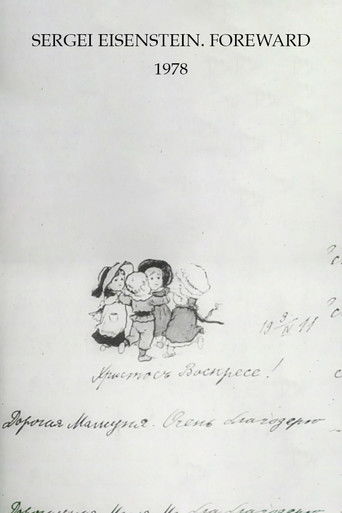 NR
A documentary exploring the childhood of filmmaker Sergei Eisenstein in Riga, examining how the multicultural city and his early encounters with art shaped the future pioneer of Soviet cinema.
Sergei Eisenstein. Foreword
1978
A playful narrative both above and below street level, focusing on the employees who maintain the underground communications of the city of Riga.
A House on the Wheels
1977
A playful narrative both above and below street level, focusing on the employees who maintain the underground communications of the city of Riga.
A House on the Wheels
1977
 5.0
Reflections on human’s relationship with horses throughout the ages and their depiction in art are shown in parallel to the draft horse competition.
Horse Play
1973
5.0Reflections on human’s relationship with horses throughout the ages and their depiction in art are shown in parallel to the draft horse competition.
Horse Play
1973
Architect Edgars Šēnbergs – a man from the park bench – in the park between the University of Latvia and the Freedom Monument with his books "Sensōrum" and other materials. This film follows Edgars Šēnbergs' travels through the regions of Latvia, identifying hill forts, checking and comparing place names, thus confirming the validity of his hypothesis about the origins of the Latvian language. In the film, Edgar Šēnbergs' reflections and narration are visually complemented by expressive landscapes of Latvia, especially Sēlija.
Cilvēks no soliņa
2000