
Directing
Claudia Ruby
Known for
Directing
Credits
10 titles
Claudia Ruby is a German biologist and science journalist.
Known for
 NR
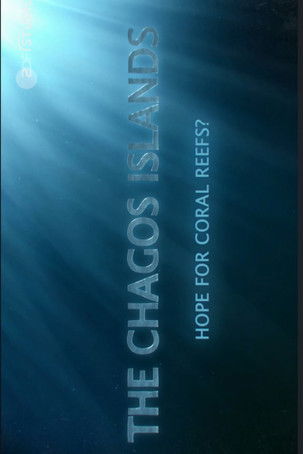
In the middle of the Indian Ocean, more than 1.500 km from the nearest continent, lies an untouched, mysterious archipelago – the Chagos Islands. This group of 60 islands is one of the last pristine wildernesses on Earth. The Chagos Archipelago is one of the world’s largest marine national parks, and is strictly protected. A scientific expedition has been granted access to this politically disputed territory for the first time. In times of climate change, as global reef communities face a growing crisis, the researchers seek to show how coral reefs fare in places with minimal human interference. During a journey into the unknown, we follow in the footsteps of internationally renowned scientists, who aim to unlock the secrets of a lost world and gain astonishing insights into one of the last true wildernesses on Earth.
The Chagos Islands - Hope for Coral Reefs?
2023
No synopsis available yet.
Crispr - Revolution im Genlabor
2017
 10.0
No synopsis available yet.
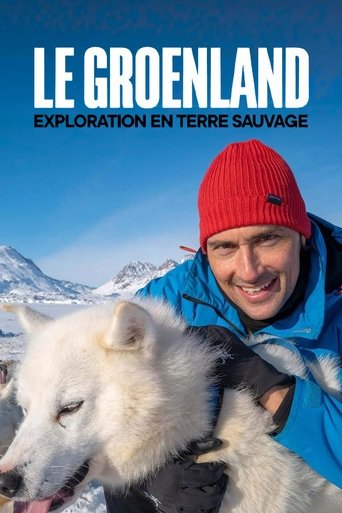
Grönland - Wilde Natur
2023
 NR
There are more than 100 million lakes in the world and their diversity is as large as this number. Lakes provide drinking water for millions of people and are considered a hotspot of life: almost half of all fish species live in fresh water. Some lakes have extreme conditions: they are saltier than the sea, toxic or hot.
Seen der Welt - Naturparadiese im Wandel: Welt der Extreme
2025
 8.0
No synopsis available yet.
Zauber der Korallenriffe: Der Indische Ozean
2023
 9.0
Oceanographers have been gripped by a new spirit of discovery and have undertaken the biggest population census of ocean species ever conducted - a "Census of Marine Life". The quest: to find out when and where it all began. Where did the water come from? How was life created in the oceans? And how did it evolve to the enormous diversity we see today? Join National Geographic as we travel more than 4 billion years into the past to uncover how oceans and marine life came to exist.
National Geographic: Dawn of the Oceans
2010
Behind the camera
NRIn the middle of the Indian Ocean, more than 1.500 km from the nearest continent, lies an untouched, mysterious archipelago – the Chagos Islands. This group of 60 islands is one of the last pristine wildernesses on Earth. The Chagos Archipelago is one of the world’s largest marine national parks, and is strictly protected. A scientific expedition has been granted access to this politically disputed territory for the first time. In times of climate change, as global reef communities face a growing crisis, the researchers seek to show how coral reefs fare in places with minimal human interference. During a journey into the unknown, we follow in the footsteps of internationally renowned scientists, who aim to unlock the secrets of a lost world and gain astonishing insights into one of the last true wildernesses on Earth.
The Chagos Islands - Hope for Coral Reefs?
2023
No synopsis available yet.
Crispr - Revolution im Genlabor
2017
10.0No synopsis available yet.
Grönland - Wilde Natur
2023
NRThere are more than 100 million lakes in the world and their diversity is as large as this number. Lakes provide drinking water for millions of people and are considered a hotspot of life: almost half of all fish species live in fresh water. Some lakes have extreme conditions: they are saltier than the sea, toxic or hot.
Seen der Welt - Naturparadiese im Wandel: Welt der Extreme
2025
8.0No synopsis available yet.
Zauber der Korallenriffe: Der Indische Ozean
2023
8.0No synopsis available yet.
Zauber der Korallenriffe: Der Indische Ozean
2023
9.0Oceanographers have been gripped by a new spirit of discovery and have undertaken the biggest population census of ocean species ever conducted - a "Census of Marine Life". The quest: to find out when and where it all began. Where did the water come from? How was life created in the oceans? And how did it evolve to the enormous diversity we see today? Join National Geographic as we travel more than 4 billion years into the past to uncover how oceans and marine life came to exist.
National Geographic: Dawn of the Oceans
2010
Tuna are among the top predators in the oceans. But the hunter is also the hunted: many species are overfished. Can we use the riches of the oceans without destroying them?
Thunfisch - Der bedrohte Jäger
2024
Tuna are among the top predators in the oceans. But the hunter is also the hunted: many species are overfished. Can we use the riches of the oceans without destroying them?
Thunfisch - Der bedrohte Jäger
2024