

Acting
Maxim Puchkov
Known for
Acting
Credits
6 titles
Known for
 7.6
Fitil is a popular Soviet/Russian television satirical/comedy short film series which ran for about 500 episodes. Some of the episodes were aimed at children, and were called Фитилёк, Fitilyok, Little Fuse. Each issue contained from the few short segments: documentary, fictional and animated ones. Directed by various artists, including Leonid Gaidai who presented his famous trio of Nikulin, Vitsin and Morgunov into the cast. It was called in USSR as "the anecdotes from the Soviet government".
Fuse
1962
 6.6
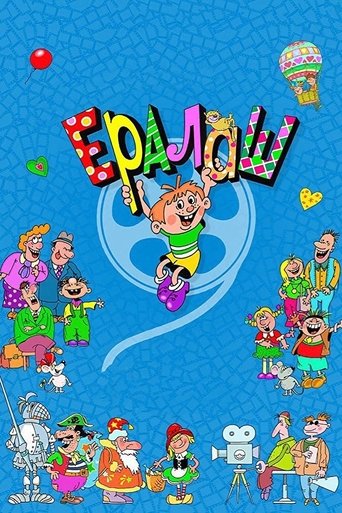
The children's humorous film magazine "Yeralash" is a one-of-a-kind work of cinematography that ironically approaches the solution of everyday problems, focusing on the views and needs of modern society, allowing different generations to achieve mutual understanding.
Yeralash
1974
 7.0
No synopsis available yet.
Droplets
1982
 6.1
During the twenty years school reunion classmates suddenly learn that one of them - Nadezhda Kruglova - is a proud mother of ten children.
Once Upon a Time Twenty Years Later
1981
 8.7
Two young children are traveling through all the USSR in order to meet their father who is wounded in the hospital.
Wind of Wandering
1978
 NR
No synopsis available yet.
Человек из страны Грин
1983
Film credits
1980s · 3 titles
Series credits
7.6Fitil is a popular Soviet/Russian television satirical/comedy short film series which ran for about 500 episodes. Some of the episodes were aimed at children, and were called Фитилёк, Fitilyok, Little Fuse. Each issue contained from the few short segments: documentary, fictional and animated ones. Directed by various artists, including Leonid Gaidai who presented his famous trio of Nikulin, Vitsin and Morgunov into the cast. It was called in USSR as "the anecdotes from the Soviet government".
Fuse
1962
6.6The children's humorous film magazine "Yeralash" is a one-of-a-kind work of cinematography that ironically approaches the solution of everyday problems, focusing on the views and needs of modern society, allowing different generations to achieve mutual understanding.
Yeralash
1974