

Directing
Javier Aguirre
Born — Died
1935-06-13 — 2019-12-04
Place of birth
San Sebastián, España
Known for
Directing
Credits
46 titles
Javier Aguirre Fernández (June 13, 1935 – December 4, 2019) was a Spanish film director , writer and producer. Aguirre was born in Donostia-San Sebastián in Spain . Aguirre developed an interest in film at an early age. When he was a teenager, he started collaborating for entertainment magazines like Radiocinema , Film Ideal , and others. In 1955, when he was around 20 years old, he founded and directed the San Sebastián Film Club. From 1956 to 1957, Aguirre organized film courses and film festivals. During those years, he also studied at the Institute of Cinematographic Research and Experiences (IIEC). He worked as an assistant director until he started directing his own short films in the…
Known for
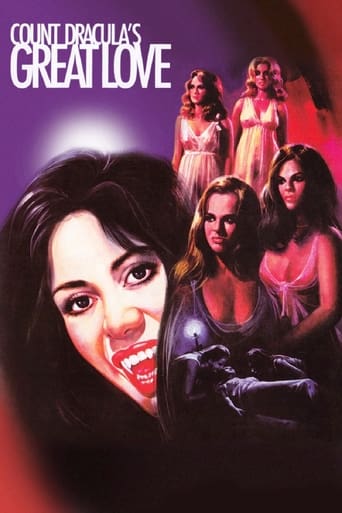 4.8
4.8Four women spending the night in a deserted sanitarium on a mountain fall into the hands of an evil doctor with a terrible secret.
Count Dracula's Great Love
1973
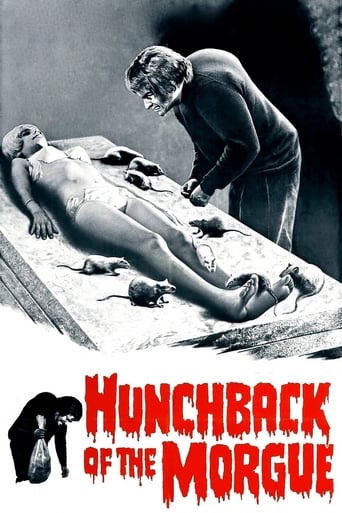 6.0
6.0A hunchback working in a morgue falls in love with a sick woman. He goes berserk when she dies and seeks help from a scientist to bring her back from the dead.
Hunchback of the Morgue
1973
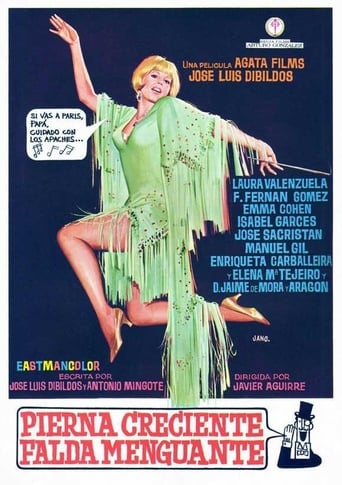 5.3
5.3In 1916, while Europe was in the middle of First World War and Spain was enjoying the advantages of being a neutral country, eroticism was called voluptuousness and Senator Duke of Daroca, despite his ancient lineage, fell completely in love with a famous cabaret singer, Rosario "La Criollita", which was a scandal. At that time, it was doubted that decent women had legs - But this mystery was resolved a decade later, when the roaring twenties arrived and, with them, the sensual Lupe Cardoso
Pierna creciente, falda menguante
1970
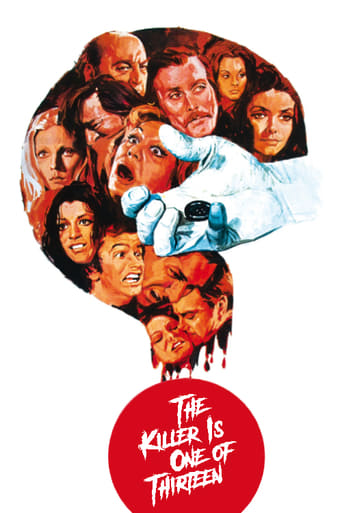 5.9
5.9A recent widow has invited a group of family friends to her large and secluded country home. However, what the guests don't know is that the reason they've been assembled is that their host suspects one of them might be her husband's killer and she's intent on uncovering the identity of his murderer. As the guests begin to suspect each other, revealing long-kept and sinister secrets in the process, an unknown, black-gloved killer begins bumping them off in a variety of nasty ways.
The Killer Is One of Thirteen
1973
 6.0
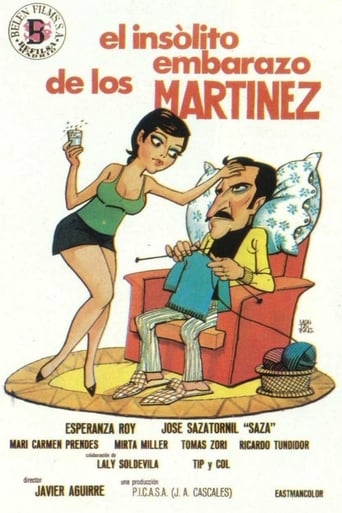
6.0One man becomes each day more and more fat. The exercise does not help him. Finally he goes to the doctor that finds out his problem: he is pregnant.
El insólito embarazo de los Martínez
1974
 6.5
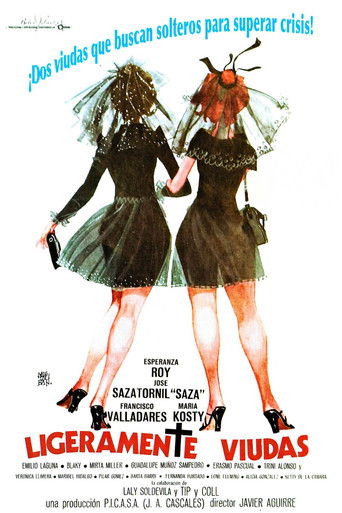
6.5Leonor and Engracia suddenly become widows, but both will take their new social situation in different ways. When they meet Jose Luis and Eugenio, all the plans made will change with the intention of reaching the altar.
Ligeramente viudas
1975
Film credits
2010s · 5 titles
 6.0
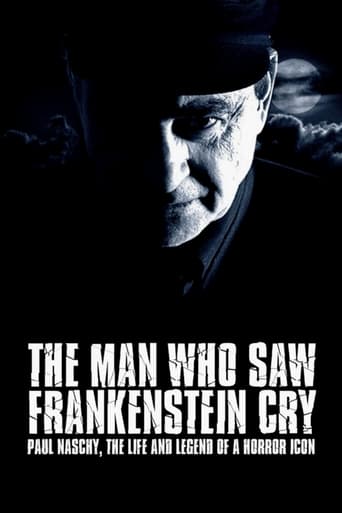
6.0King of Horror, legendary actor, scriptwriter and director, Paul Naschy is regarded as the Spanish Lon Chaney and the most prolific filmmaker dedicated to the fantastic cinema in Spain.
The Man Who Saw Frankenstein Cry
2010
 6.8
6.8A walk through the golden age of Spanish exploitation cinema, from the sixties to the eighties; a low-budget cinema and great popular acceptance that exploited cinematographic fashions: westerns, horror movies, erotic comedies and thrillers about petty criminals.
Wild Session
2019
 NR
NRHour-long documentary about distinctive-looking Spanish character actor Víctor Israel.
The Evil Faces of Víctor Israel
2010
 4.0
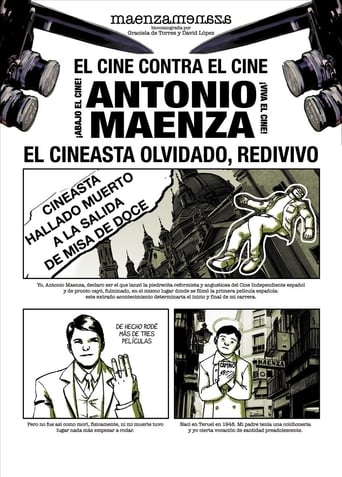
4.0No synopsis available yet.
Materialista, idealista, cinematógrafo, magnetófono, buen chico y sádico
2012
 5.0
5.0No synopsis available yet.
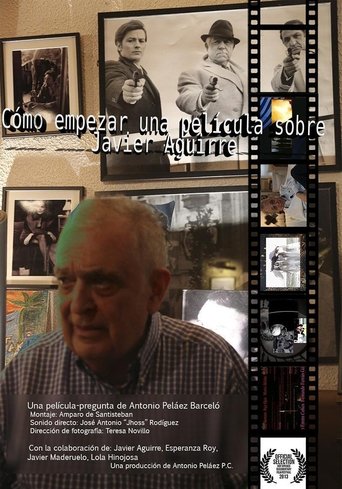
Cómo empezar una película sobre Javier Aguirre
2013
2000s · 1 titles

Behind the camera
4.8Four women spending the night in a deserted sanitarium on a mountain fall into the hands of an evil doctor with a terrible secret.
Count Dracula's Great Love
1973
4.8Four women spending the night in a deserted sanitarium on a mountain fall into the hands of an evil doctor with a terrible secret.
Count Dracula's Great Love
1973
6.0A hunchback working in a morgue falls in love with a sick woman. He goes berserk when she dies and seeks help from a scientist to bring her back from the dead.
Hunchback of the Morgue
1973
6.0A hunchback working in a morgue falls in love with a sick woman. He goes berserk when she dies and seeks help from a scientist to bring her back from the dead.
Hunchback of the Morgue
1973
5.3In 1916, while Europe was in the middle of First World War and Spain was enjoying the advantages of being a neutral country, eroticism was called voluptuousness and Senator Duke of Daroca, despite his ancient lineage, fell completely in love with a famous cabaret singer, Rosario "La Criollita", which was a scandal. At that time, it was doubted that decent women had legs - But this mystery was resolved a decade later, when the roaring twenties arrived and, with them, the sensual Lupe Cardoso
Pierna creciente, falda menguante
1970
5.9A recent widow has invited a group of family friends to her large and secluded country home. However, what the guests don't know is that the reason they've been assembled is that their host suspects one of them might be her husband's killer and she's intent on uncovering the identity of his murderer. As the guests begin to suspect each other, revealing long-kept and sinister secrets in the process, an unknown, black-gloved killer begins bumping them off in a variety of nasty ways.
The Killer Is One of Thirteen
1973
5.9A recent widow has invited a group of family friends to her large and secluded country home. However, what the guests don't know is that the reason they've been assembled is that their host suspects one of them might be her husband's killer and she's intent on uncovering the identity of his murderer. As the guests begin to suspect each other, revealing long-kept and sinister secrets in the process, an unknown, black-gloved killer begins bumping them off in a variety of nasty ways.
The Killer Is One of Thirteen
1973
6.0One man becomes each day more and more fat. The exercise does not help him. Finally he goes to the doctor that finds out his problem: he is pregnant.
El insólito embarazo de los Martínez
1974
6.0One man becomes each day more and more fat. The exercise does not help him. Finally he goes to the doctor that finds out his problem: he is pregnant.
El insólito embarazo de los Martínez
1974
6.5Leonor and Engracia suddenly become widows, but both will take their new social situation in different ways. When they meet Jose Luis and Eugenio, all the plans made will change with the intention of reaching the altar.
Ligeramente viudas
1975
6.5Leonor and Engracia suddenly become widows, but both will take their new social situation in different ways. When they meet Jose Luis and Eugenio, all the plans made will change with the intention of reaching the altar.
Ligeramente viudas
1975
 5.5
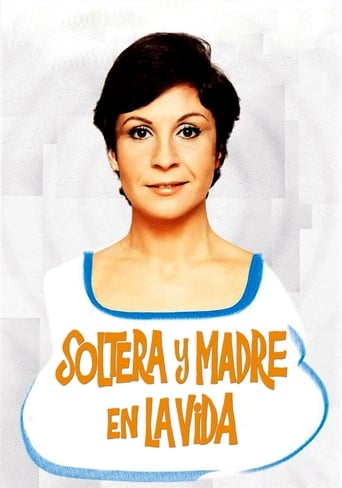
5.5The frog test confirms Julita is pregnant. This is usually a great news. In this case, no. She is a victim of premarital sex, and he, Paco, a mechanic who, according to some theories of French biologist, explained by a podiatrist friend, will not be liable. Don Ramiro, the father of Julia, is a liberal-minded man, but when his daughter tells him that she will have a son who will not parent, seeking the solution of fatherhood in his gun regulation.
Unmarried and Mother in Life
1969
 NR
NRNo synopsis available yet.
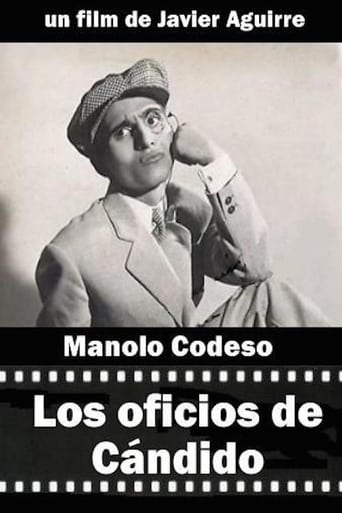
Los oficios de Cándido
1965
 3.7
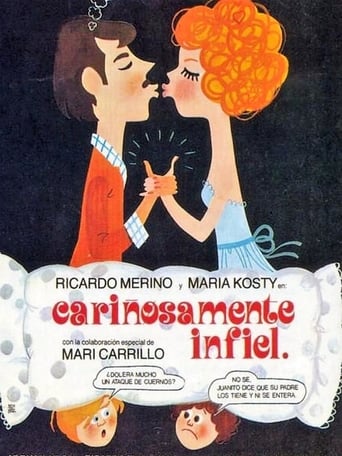
3.7The film chronicles the life and marital problems of a couple, through the vision of his two sons, four and eight years old and how, despite their young age, they understand the marital problems.
Cariñosamente infiel
1980
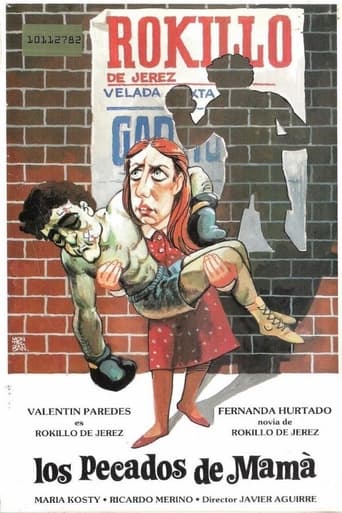 3.3
3.3Gloria and Enrique form an apparently happy marriage. But their sexual relations do not work out as they would both like.
Los pecados de mamá
1980
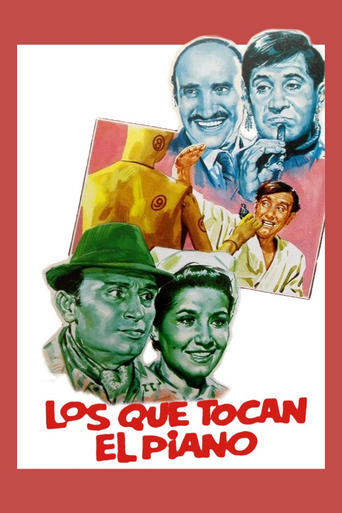 7.6
7.6Cayetana, her boyfriend Paco and Venancio, her foster brother, commit small thefts and, from time to time, spend a few days in jail. Until they meet with Federico, a thief who has traveled abroad and convince them that using European methods success is guaranteed. Paco then decides to act scientifically and seizes a hospital surgical equipment. When they want to realize, poor Venancio is forced to give an injection to a dentistry patient and, even worse, Paco has to pull out a tooth. And all that, before entering the operating room
Los que tocan el piano
1968
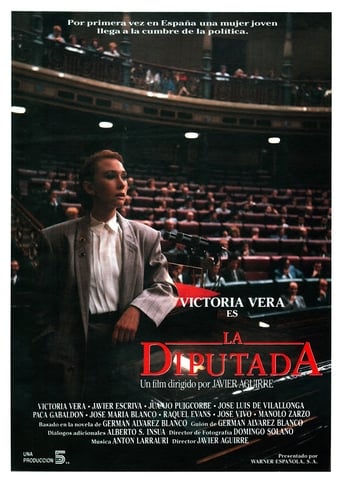 6.5
6.5No synopsis available yet.
La diputada
1988
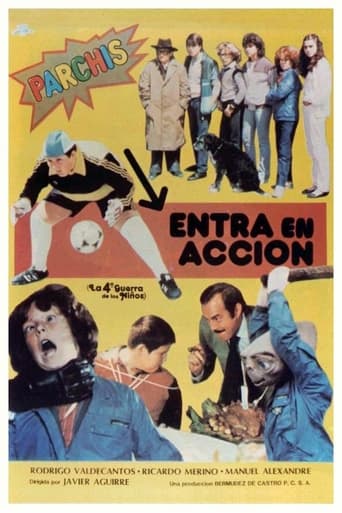 6.2
6.2A new adventure of Parchís.
Parchís entra en acción
1983
 6.2
6.2After the rock band Los Bravos take a holiday at a mountainside camp situated next to a girls' school, their singer, Mike, ends up falling in love with one of the students there.
Los chicos con las chicas
1967
6.2After the rock band Los Bravos take a holiday at a mountainside camp situated next to a girls' school, their singer, Mike, ends up falling in love with one of the students there.
Los chicos con las chicas
1967
 4.9
4.9No synopsis available yet.
Ni te cases ni te embarques
1982
4.9No synopsis available yet.
Ni te cases ni te embarques
1982
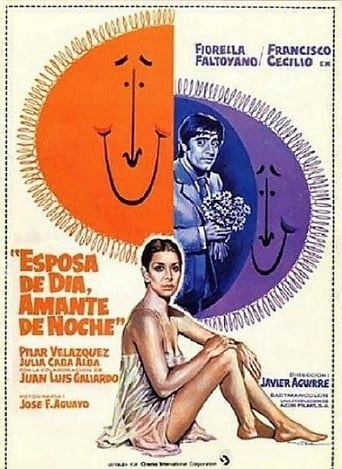 8.0
8.0A married couple are temped by passions around them.
Esposa de día, amante de noche
1977
8.0A married couple are temped by passions around them.
Esposa de día, amante de noche
1977
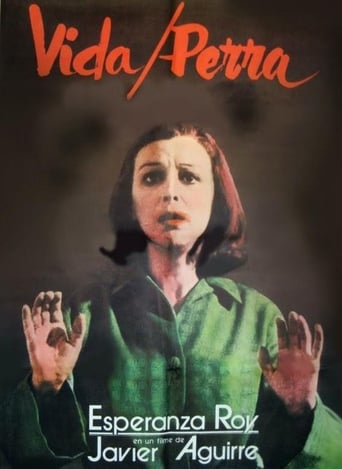 6.0
6.0Vida/Perra is the first feature-length film of Aguirre's "Anticine" and the first monologue in movie history. Aguirre's wife, Esperanza Roy, is the actress of this piece of visual art made as an adaptation of Ángel Vázquez's novel, whose texts are read by Esperanza "as they are." This means, the text have been extracted from the novel without changing their words.
Vida/Perra
1982
6.0Vida/Perra is the first feature-length film of Aguirre's "Anticine" and the first monologue in movie history. Aguirre's wife, Esperanza Roy, is the actress of this piece of visual art made as an adaptation of Ángel Vázquez's novel, whose texts are read by Esperanza "as they are." This means, the text have been extracted from the novel without changing their words.
Vida/Perra
1982
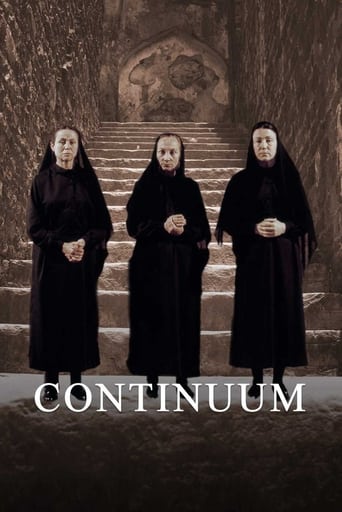 NR
NRNo synopsis available yet.
Continuum
1994
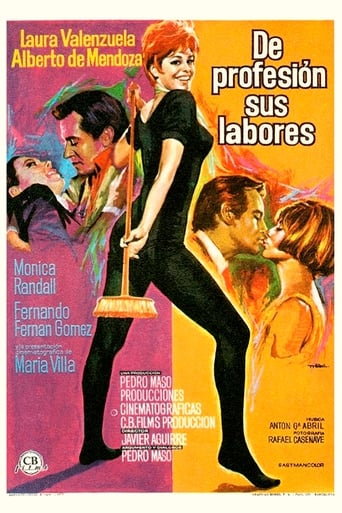 3.0
3.0While Ana and Juan are a happy couple, and satisfied with their eight years of married life, María José and Federico, their best friends, have not achieved the desired balance in their marriage. Ana and Juan's happiness makes their friends nervous. María José and Clara, Ana's "good" friends, will try by all means to make Ana believe that her husband is capable of cheating on her if the opportunity arises.
De profesión, sus labores
1970
 6.2
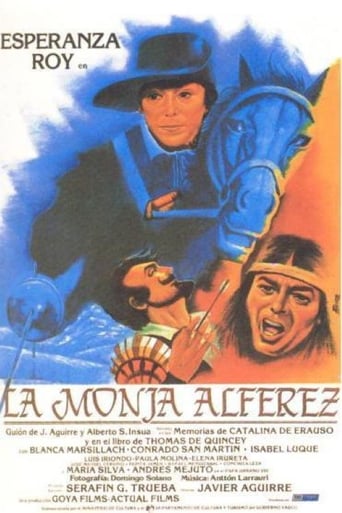
6.2Set in 1592 and based on a true story, a Spanish nun flees the convent and lives an adventurous life disguised as a man.
La monja alférez
1987
6.2Set in 1592 and based on a true story, a Spanish nun flees the convent and lives an adventurous life disguised as a man.
La monja alférez
1987
 NR
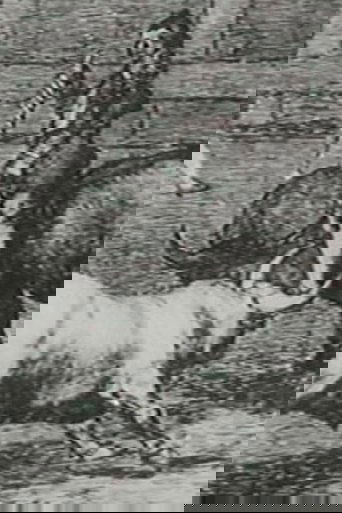
NR"Toros tres as Pasajes tres, also bases his visual game on a counterpoint. Toros de Guisando, Goya, Picasso, in a way, they come to tell the story of the people who have been contemplating them through the centuries ... / ... I would say that more than a story of bulls, this excellent short film is a history of the Hispanic gaze" Mario Benedetti
Toros tres (Guisando-Goya-Picasso)
1963
 NR
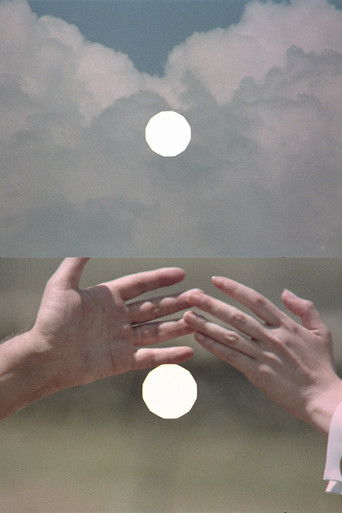
NR"The film as a whole tries to ensure that the image has no sound and the sound has no image so that the viewer is the one who re-elaborates in his mind the fusion of both." Javier Aguirre
Vau seis
1973
 6.2
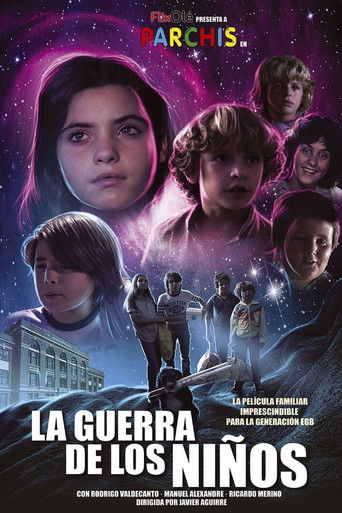
6.2A school closes due to heavy debt which brings the children into action by doing naughty deeds so as to persuade the real estate agency to reopen the school, and since this didn't work, they kidnap the school's owner in order to be heard.
La guerra de los niños
1980
6.2A school closes due to heavy debt which brings the children into action by doing naughty deeds so as to persuade the real estate agency to reopen the school, and since this didn't work, they kidnap the school's owner in order to be heard.
La guerra de los niños
1980
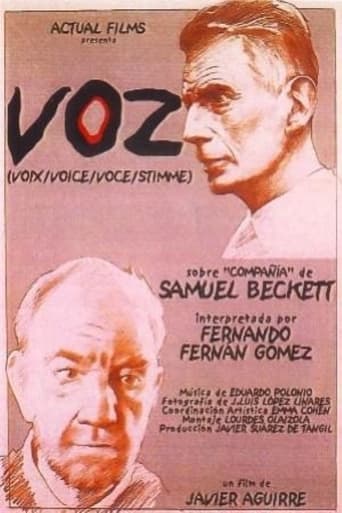 9.0
9.0No synopsis available yet.
Voz
2000
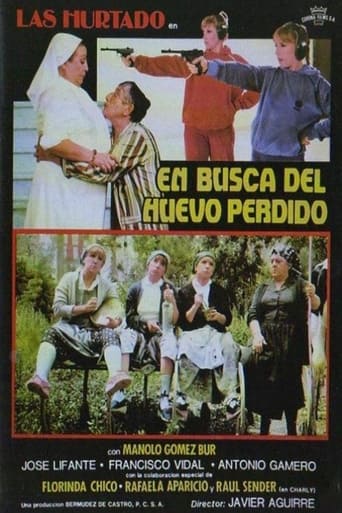 9.0
9.0No synopsis available yet.
En busca del huevo perdido
1982
 6.0
6.0The musical group "Flor de Lis y los Dos del Orinoco" tours the fairs of the towns with their repertoire of old melodies. They arrive in Torremolinos and settle in a camping site. There they meet Johny, a cheeky "go-go boy" who lives off the land and, if possible, from foreigners. He joins them and turns them into a beat band. They dress like hippies and sing in English. Their new stage name is "Los Hippy-Loyas", and they present themselves to the public as a pop group from Liverpool. Their new life leads them to the most unusual adventures.
Una vez al año ser hippy no hace daño
1969
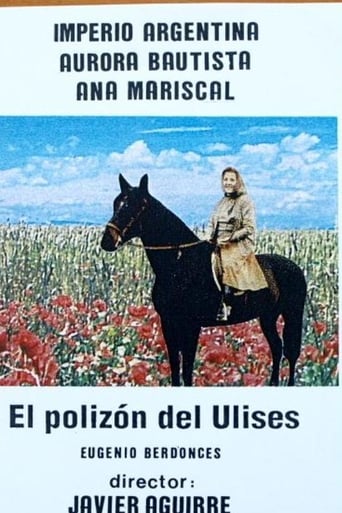 10.0
10.0No synopsis available yet.
El polizón del Ulises
1987
10.0No synopsis available yet.
El polizón del Ulises
1987
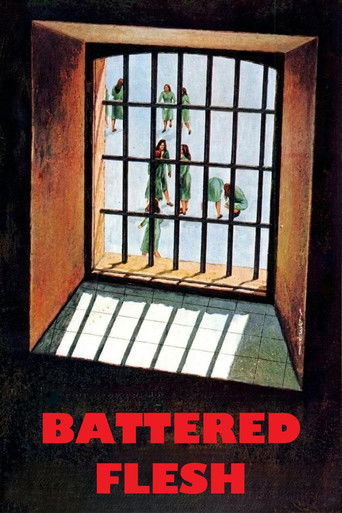 3.4
3.4Berta, imprisoned in Franco's Spain on fraud charges, learns to navigate the indignities of prison, spreading her own brand of kindness and empathy to the other inmates, but she unwillingly learns a valuable lesson when she falls in love with one of them.
Battered Flesh
1978