
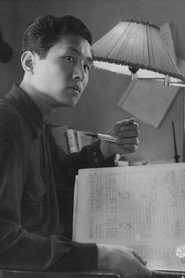
Sound
Toshirō Mayuzumi
Born — Died
1929-02-20 — 1997-04-10
Place of birth
Yokohama, Kanagawa Prefecture, Japan
Known for
Sound
Credits
4 titles
Toshirō Mayuzumi (Japanese: 黛敏郎) (20 February 1929, Yokohama – 10 April 1997, Kawasaki) was a Japanese composer known for his implementation of avant-garde instrumentation alongside traditional Japanese musical techniques. His works drew inspiration from a variety of sources ranging from jazz to Balinese music, and he was considered a pioneer in the realm of musique concrète and electronic music (Editors of the Encyclopedia Britannica n.d.; Kozinn 1997), being the first artist in his country to explore these techniques (Layne n.d.). In the span of his career, his works included symphonies, ballets, operas, and film scores (Kennedy and Kennedy 2007), and was the recipient of an Otaka prize by…
Known for
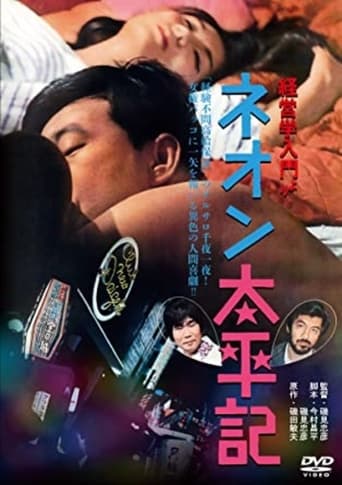 9.0
9.0This unconventional comedy is set in the world of Osaka's popular cabarets and tells the story of a man who has dedicated his life to the nightlife industry.
The Neon Taiheiki
1968
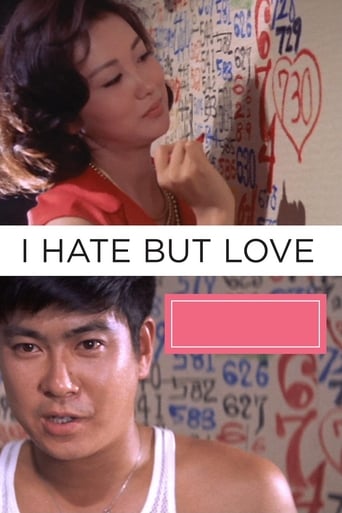 7.0
7.0A celebrity, dissatisfied with his personal and professional lives, impulsively leaves fast-paced Tokyo to deliver a much-needed jeep to a remote village. When his controlling manager, the woman he loves, follows, the two must reconcile while dodging reporters.
I Hate But Love
1962
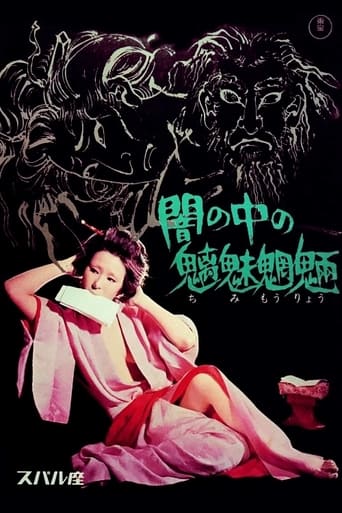 6.3
6.3The film depicts the youth of Kinzo, a heretic painter who worked in Tosa during the late Edo period, and the hurricane-like inner side of his life.
Evil Spirits in the Darkness
1971
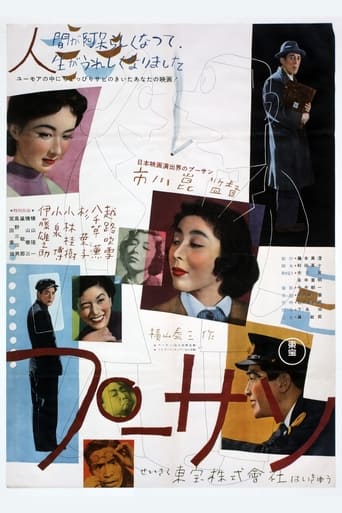 6.5
6.5A math teacher loses his job while falling in love with a local girl.
Mr. Pu
1953
Film credits
1960s · 2 titles
9.0This unconventional comedy is set in the world of Osaka's popular cabarets and tells the story of a man who has dedicated his life to the nightlife industry.
The Neon Taiheiki
1968
7.0A celebrity, dissatisfied with his personal and professional lives, impulsively leaves fast-paced Tokyo to deliver a much-needed jeep to a remote village. When his controlling manager, the woman he loves, follows, the two must reconcile while dodging reporters.
I Hate But Love
1962