

Directing
João César Monteiro
Born — Died
1939-02-02 — 2003-02-03
Place of birth
Figueira da Foz, Portogallo
Known for
Directing
Credits
65 titles
João César Monteiro (2 February 1939 - 3 February 2003) was a Portuguese film director, actor, writer and film critic .
Known for
 7.0
An ice-cream seller lusts after the female employees in his shop.
God's Comedy
1996
 6.8
A story about doomed love between two people from different worlds and the impact in their lives. Based on the novel of the same name by Portuguese writer Camilo Castelo Branco.
Doomed Love
1978
 7.1
After receiving a visit from a messenger of God, João de Deus wins his buddy's girlfriend through a roll of the dice.
The Spousals of God
1999
 7.5
Laura Rossellini, a widow from Rome, vacations on the Algarve coast one hot summer. One day while sunbathing, she finds a wounded man named Robert drifting in the surf on a rubber raft. She takes him home, and, after he is revived, learns his story. As they talk, their mutual attraction grows, until a group of armed men suddenly arrive looking for Robert.
Hovering Over the Water
1986
 7.0
Eloi, a paunchy middle-aged man, finds Samuel, a young sad sack, about to kill himself by plunging into the sea. Eloi takes Samuel under his wing, giving him a hot meal and bringing him to a seedy night club to introduce him to Esperança, who is said to be the most beautiful sex worker in Lisbon—and is also Eloi’s daughter.
The Last Dive
1992
 6.9
A bewitching combinatory adaptation of the Bluebeard tale and a 15th century Portuguese fable of a damsel who disguises herself as a knight errant.
Silvestre
1982
Film credits

2000s · 2 titles
 7.4
João Vuvu, lives alone in a house that requires regeneration but due to being alone he is unable to do the work. On his son's release from prison and João's ensuing deception triggers a series of somber events.
Come and Go
2003
 5.5
Monteiro moved far away from the visual opulence defined by his earlier films with his inspired adaptation of radical Swiss writer Robert Walser’s anti-fairy tale. Carefully restricting the image track, Monteiro maintains an almost totally black screen in order to focus instead on the voices of Snow White, the Prince, the Queen and the Hunter, engaged in an extended debate about love, free will and the events leading up to the fateful attempt on the maiden’s life. Despite its visual austerity, Snow White is haunted by the arresting images with which it begins – infamous black-and-white photographs of Walser lying dead in the snow after his heart attack outside a Swiss asylum at the age of seventy-eight, a strange realization of the “death of the author” so central to postmodern literary criticism.
Snow White
2000
1990s · 10 titles
7.0An ice-cream seller lusts after the female employees in his shop.
God's Comedy
1996
7.1After receiving a visit from a messenger of God, João de Deus wins his buddy's girlfriend through a roll of the dice.
The Spousals of God
1999
7.0Eloi, a paunchy middle-aged man, finds Samuel, a young sad sack, about to kill himself by plunging into the sea. Eloi takes Samuel under his wing, giving him a hot meal and bringing him to a seedy night club to introduce him to Esperança, who is said to be the most beautiful sex worker in Lisbon—and is also Eloi’s daughter.
The Last Dive
1992
 5.4
Two actors performing in Strindberg's "Inferno" as God and Lucifer, find themselves competing in real life as well. One of them, Max Monteiro, has spiritual obsession with John Wayne and his way of walking. He and Jean de Dieu, his fellow actor who plays Lucifer and also directs the Strindberg play, engage in a philosophical and spiritual tug-of-war, especially when they meet an author named God, who has plans for another drama to feature both actors.
The Hips of J.W.
1997
 6.7
Lord knows where João de Deus has been. He's come home wounded in the head. He's got a bit of the soundtrack to Johnny Guitar in his head. Strangely enough, there is no sign of the hole in his head. Day breaks over the city. Further strolls are in sight. It is said that Mr. Monteiro, the alter ego of João de Deus, occasionally goes out with Nicholas Ray. At least, they've been seen together.
A Walk with Johnny Guitar
1996
 6.4
One of the adventures of João de Deus.
Bestiary, or the Parade of Orpheus
1995
 6.5
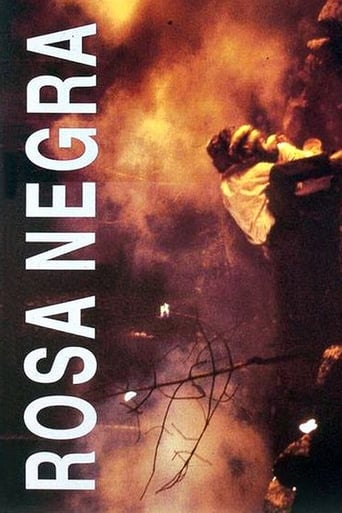
Fernanda, António and Quim are travelling by train to a provincial Portuguese industrial city. Fernanda, a teacher, agrees to replace a pregnant colleague. António is returning to the home he was forced to flee long ago, accused of setting fire to the Duarte’s factory. At the station he bumps into Mariana who is in love of him. António is not welcome and is violently attacked by a group connected to Duarte ...
Rosa Negra
1993
 5.5
A satirical and delirious short which sums up the obsessions of João César Monteiro: film-making and… young women.
End of Conservation
1990
No synopsis available yet.
Paroles
1993
 5.8
João de Deus receives a treat from a friend, unclogs his bathtub, and contemplates Lisbon from his window.
Lettera Amorosa
1995
1980s · 6 titles
7.5Laura Rossellini, a widow from Rome, vacations on the Algarve coast one hot summer. One day while sunbathing, she finds a wounded man named Robert drifting in the surf on a rubber raft. She takes him home, and, after he is revived, learns his story. As they talk, their mutual attraction grows, until a group of armed men suddenly arrive looking for Robert.
Hovering Over the Water
1986
6.9A bewitching combinatory adaptation of the Bluebeard tale and a 15th century Portuguese fable of a damsel who disguises herself as a knight errant.
Silvestre
1982
 7.8
Lisbon, 1989. A middle-aged poor man, tormented by an illness, lives in a cheap room in a family boarding house, in the old section of the city's waterfront.
Recollections of the Yellow House
1989
 5.9
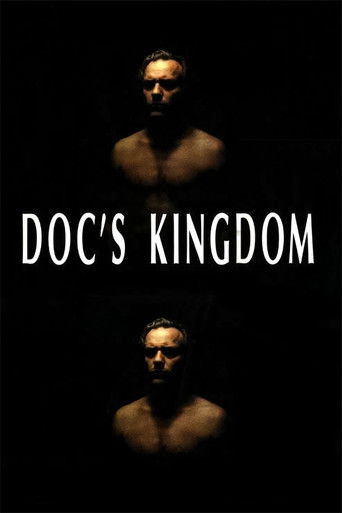
An angry young man goes to Europe to find his father, a '60s radical turned doctor in exile.
Doc's Kingdom
1988
 7.5
The shady side of an Italian textile trade in northern Germany is the subject of this slow-paced but atmospheric drama featuring Alberto Sordi as Totonno, a low-level, petty criminal anxious to move up a somewhat crooked ladder. Rising to the rank of the "dons" -- Don Raffaele (Carmine Ippolito) or Don Gennaro (Pasquale Cenammo) -- is not an easy task, as Totonno is about to find out. In the meantime, Paula (Belinda Lee) provides a romantic distraction, and another would-be entrepreneur opts for the straight and narrow. This uneven feature offers some colorful performances but the sum is less convincing than its parts.
A Estrangeira
1982
 6.6
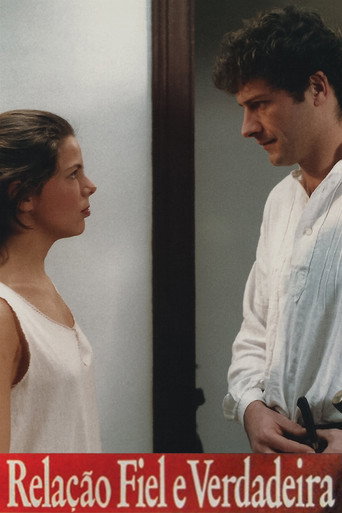
The young girl, Antónia Margarida Castelo Branco, is handed over by her mother to Brás Telles de Meneses because of the obscure interests between rural aristocratic families in the North. Brás is a ruined man, a bohemian with a reputation for violence and erratic behaviour. Antonia’s fortune is the first sacrifice made by the young wife. Fascinated by the man who humiliates and ill-treats her, she follows him in a pilgrimage to increasingly barren lands, to increasingly less hospitable houses.
A True and Faithful Account
1989
1970s · 5 titles
 5.9
The tribulations of two friends who, in despair, start begging from door-to-door, and are given a bundle including, literally, a pair of deadman's shoes.
He Goes Long Barefoot That Waits for Dead Men's Shoes
1970
 7.1
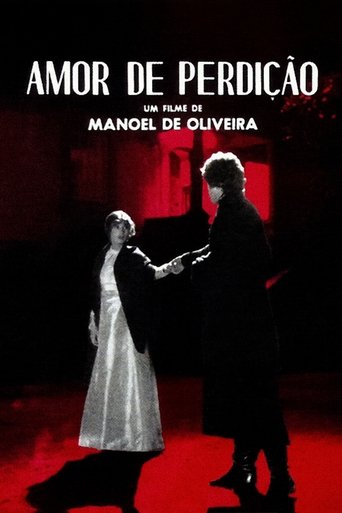
A story about doomed love between two people from different worlds and the impact in their lives.
Doomed Love
1979
 7.4
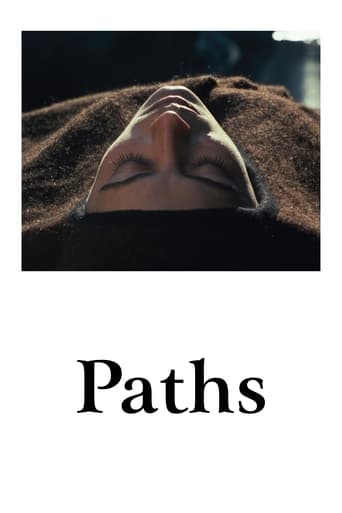
Parallel tales of young couples desperately escaping cruel false fathers, each couple on the run across different regions of the country and during increasingly contemporary time periods.
Paths
1978
 6.9
Maria works in a German umbrella factory as the foreman of the production sector. João Lucas has given up on living a normal life and practically lives in bed, in the midst of green plants. His father expressly desired that his son film this eccentric daily life in 8 mm format. Maria’s wages are dilapidated to the last penny by this amateur, monstrous, family movie production.
Fragments of an Alms-Film
1972
 8.0
Artur is in Lisbon for his holidays, wonders aimlessly, and is picked up by Rui, a young man who is into marketing and advertising. Joana is in Lisbon for holidays, but also trying to escape from a mysterious, dark passion. Artur and Joana come together, find common roots in their rural background.
One Hundred Times Lost
1973
Series credits
Behind the camera
7.0An ice-cream seller lusts after the female employees in his shop.
God's Comedy
1996
7.0An ice-cream seller lusts after the female employees in his shop.
God's Comedy
1996
7.1After receiving a visit from a messenger of God, João de Deus wins his buddy's girlfriend through a roll of the dice.
The Spousals of God
1999
7.1After receiving a visit from a messenger of God, João de Deus wins his buddy's girlfriend through a roll of the dice.
The Spousals of God
1999
7.5Laura Rossellini, a widow from Rome, vacations on the Algarve coast one hot summer. One day while sunbathing, she finds a wounded man named Robert drifting in the surf on a rubber raft. She takes him home, and, after he is revived, learns his story. As they talk, their mutual attraction grows, until a group of armed men suddenly arrive looking for Robert.
Hovering Over the Water
1986
7.0Eloi, a paunchy middle-aged man, finds Samuel, a young sad sack, about to kill himself by plunging into the sea. Eloi takes Samuel under his wing, giving him a hot meal and bringing him to a seedy night club to introduce him to Esperança, who is said to be the most beautiful sex worker in Lisbon—and is also Eloi’s daughter.
The Last Dive
1992
6.9A bewitching combinatory adaptation of the Bluebeard tale and a 15th century Portuguese fable of a damsel who disguises herself as a knight errant.
Silvestre
1982
6.9A bewitching combinatory adaptation of the Bluebeard tale and a 15th century Portuguese fable of a damsel who disguises herself as a knight errant.
Silvestre
1982
5.4Two actors performing in Strindberg's "Inferno" as God and Lucifer, find themselves competing in real life as well. One of them, Max Monteiro, has spiritual obsession with John Wayne and his way of walking. He and Jean de Dieu, his fellow actor who plays Lucifer and also directs the Strindberg play, engage in a philosophical and spiritual tug-of-war, especially when they meet an author named God, who has plans for another drama to feature both actors.
The Hips of J.W.
1997
5.9The tribulations of two friends who, in despair, start begging from door-to-door, and are given a bundle including, literally, a pair of deadman's shoes.
He Goes Long Barefoot That Waits for Dead Men's Shoes
1970
5.9The tribulations of two friends who, in despair, start begging from door-to-door, and are given a bundle including, literally, a pair of deadman's shoes.
He Goes Long Barefoot That Waits for Dead Men's Shoes
1970
5.9The tribulations of two friends who, in despair, start begging from door-to-door, and are given a bundle including, literally, a pair of deadman's shoes.
He Goes Long Barefoot That Waits for Dead Men's Shoes
1970
 5.6
In this highly theatrical TV production, Monteiro again draws on the world of folklore – and, more precisely, on the widespread sexual connotation of the pomegranate – to tell a tale of love, envy, treason and mistaken/double identities.
The Love of the Three Pomegranates
1979
5.6In this highly theatrical TV production, Monteiro again draws on the world of folklore – and, more precisely, on the widespread sexual connotation of the pomegranate – to tell a tale of love, envy, treason and mistaken/double identities.
The Love of the Three Pomegranates
1979
5.6In this highly theatrical TV production, Monteiro again draws on the world of folklore – and, more precisely, on the widespread sexual connotation of the pomegranate – to tell a tale of love, envy, treason and mistaken/double identities.
The Love of the Three Pomegranates
1979
6.7Lord knows where João de Deus has been. He's come home wounded in the head. He's got a bit of the soundtrack to Johnny Guitar in his head. Strangely enough, there is no sign of the hole in his head. Day breaks over the city. Further strolls are in sight. It is said that Mr. Monteiro, the alter ego of João de Deus, occasionally goes out with Nicholas Ray. At least, they've been seen together.
A Walk with Johnny Guitar
1996
7.4Parallel tales of young couples desperately escaping cruel false fathers, each couple on the run across different regions of the country and during increasingly contemporary time periods.
Paths
1978
7.4Parallel tales of young couples desperately escaping cruel false fathers, each couple on the run across different regions of the country and during increasingly contemporary time periods.
Paths
1978
7.8Lisbon, 1989. A middle-aged poor man, tormented by an illness, lives in a cheap room in a family boarding house, in the old section of the city's waterfront.
Recollections of the Yellow House
1989
7.8Lisbon, 1989. A middle-aged poor man, tormented by an illness, lives in a cheap room in a family boarding house, in the old section of the city's waterfront.
Recollections of the Yellow House
1989
 7.4
Film directors with hand-held cameras went to the streets of Lisbon from April 25 to May 1, 1974, registering interviews and political events of the Portuguese "Carnation Revolution", as that period would be later known.
The Guns and the People
1977
7.4João Vuvu, lives alone in a house that requires regeneration but due to being alone he is unable to do the work. On his son's release from prison and João's ensuing deception triggers a series of somber events.
Come and Go
2003
7.4João Vuvu, lives alone in a house that requires regeneration but due to being alone he is unable to do the work. On his son's release from prison and João's ensuing deception triggers a series of somber events.
Come and Go
2003
6.9Maria works in a German umbrella factory as the foreman of the production sector. João Lucas has given up on living a normal life and practically lives in bed, in the midst of green plants. His father expressly desired that his son film this eccentric daily life in 8 mm format. Maria’s wages are dilapidated to the last penny by this amateur, monstrous, family movie production.
Fragments of an Alms-Film
1972
 6.1
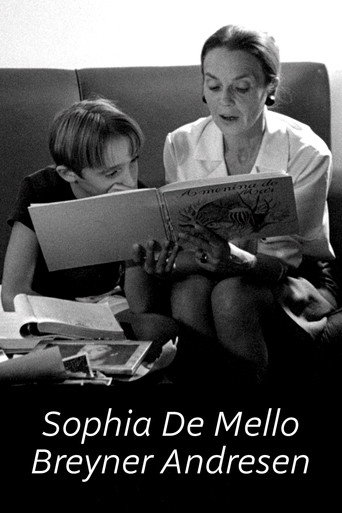
“I think my film represents above all the proof to those who want to understand and accept it, that poetry can’t be filmed, that it is useless to try” - João César Monteiro
Sophia de Mello Breyner Andresen
1972
6.1“I think my film represents above all the proof to those who want to understand and accept it, that poetry can’t be filmed, that it is useless to try” - João César Monteiro
Sophia de Mello Breyner Andresen
1972
5.5Monteiro moved far away from the visual opulence defined by his earlier films with his inspired adaptation of radical Swiss writer Robert Walser’s anti-fairy tale. Carefully restricting the image track, Monteiro maintains an almost totally black screen in order to focus instead on the voices of Snow White, the Prince, the Queen and the Hunter, engaged in an extended debate about love, free will and the events leading up to the fateful attempt on the maiden’s life. Despite its visual austerity, Snow White is haunted by the arresting images with which it begins – infamous black-and-white photographs of Walser lying dead in the snow after his heart attack outside a Swiss asylum at the age of seventy-eight, a strange realization of the “death of the author” so central to postmodern literary criticism.
Snow White
2000
6.6The young girl, Antónia Margarida Castelo Branco, is handed over by her mother to Brás Telles de Meneses because of the obscure interests between rural aristocratic families in the North. Brás is a ruined man, a bohemian with a reputation for violence and erratic behaviour. Antonia’s fortune is the first sacrifice made by the young wife. Fascinated by the man who humiliates and ill-treats her, she follows him in a pilgrimage to increasingly barren lands, to increasingly less hospitable houses.
A True and Faithful Account
1989
6.4One of the adventures of João de Deus.
Bestiary, or the Parade of Orpheus
1995
6.4One of the adventures of João de Deus.
Bestiary, or the Parade of Orpheus
1995
 6.8
The Mother is one of Monteiro’s first essays on the universe of Portuguese oral culture, folktales and obscure colloquialisms. The plot revolves around a traditional tale about theft, greed, an ubiquitous mother, and the links between the worlds of the living and the dead.
The Mother
1979
6.8The Mother is one of Monteiro’s first essays on the universe of Portuguese oral culture, folktales and obscure colloquialisms. The plot revolves around a traditional tale about theft, greed, an ubiquitous mother, and the links between the worlds of the living and the dead.
The Mother
1979
6.8The Mother is one of Monteiro’s first essays on the universe of Portuguese oral culture, folktales and obscure colloquialisms. The plot revolves around a traditional tale about theft, greed, an ubiquitous mother, and the links between the worlds of the living and the dead.
The Mother
1979